



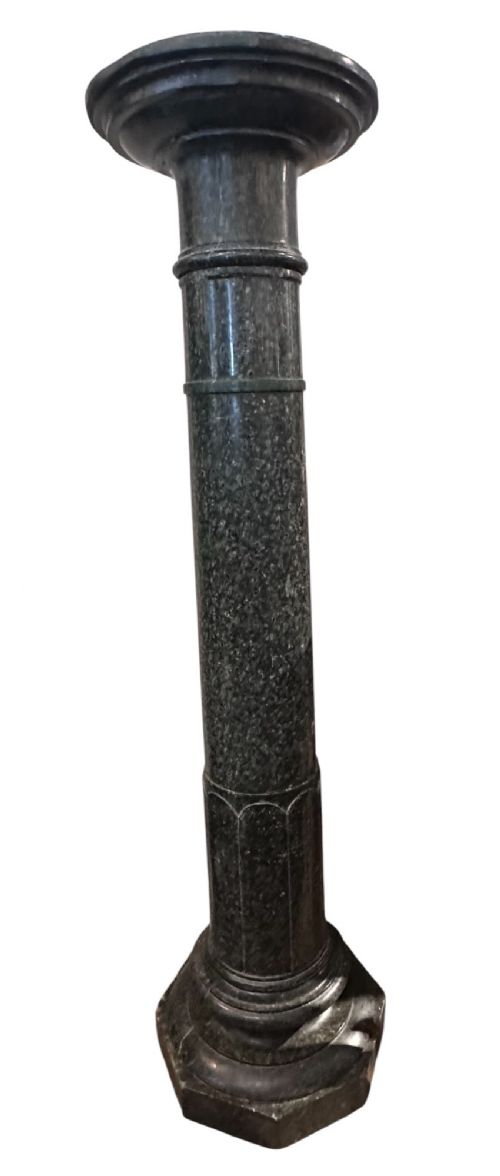


Stone Plant Column
These stone plant column examples elevate sculpture and greenery alike, bringing classical proportion and solid weight into domestic rooms.
Stone Plant Column
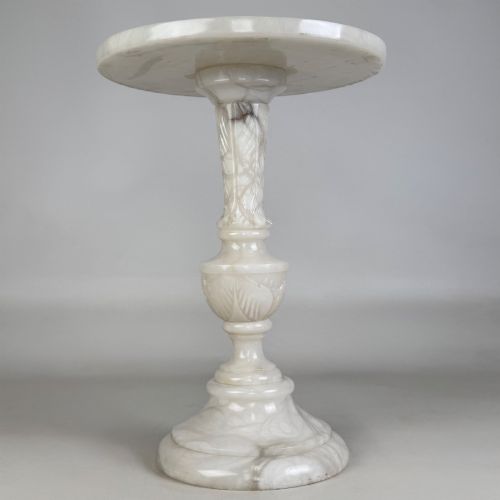
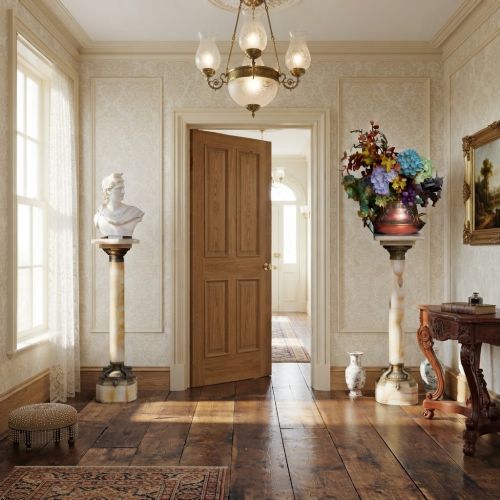
When you search for a stone plant column, you encounter architectural supports built to elevate urns, figures, and botanical specimens in interior spaces. These functional furnishings appear primarily as tall pedestals, torchere stands, and plinths designed to draw the eye upward.
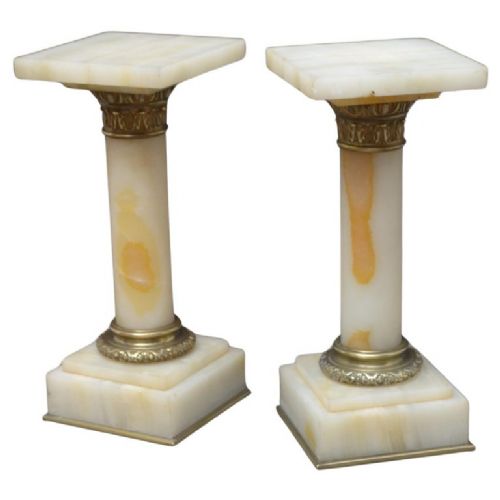
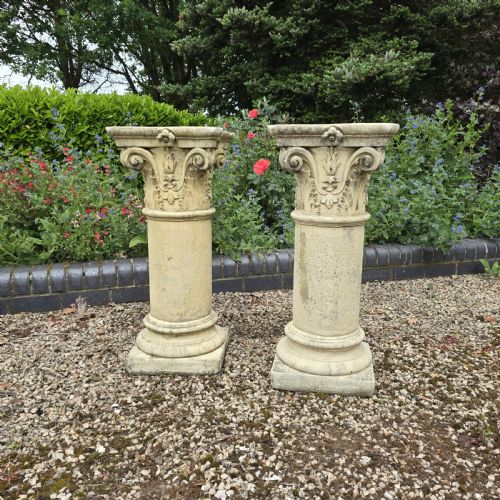
The selections on this page span the nineteenth century through the mid-twentieth century, showing heavy influence from neoclassical, Victorian, and Art Deco design vocabularies. You meet single columns alongside matched pairs suited for framing doorways or focal points.
Forms vary from slender fluted shafts to robust square plinths and two-tier plant stands that combine stone tops with metal framework. Each piece acts as a self-contained stage for display, altering the vertical rhythm of a room.
How they were made
Makers shaped these pieces from various natural stones, utilising solid blocks of marble, alabaster, onyx, and serpentine alongside manufactured alternatives like scagliola and stoneware. These dense materials required skilled turning on lathes and painstaking hand-carving to achieve fluted shafts and decorative capitals.
Many columns incorporate cast metal components, fixing brass, gilt bronze, or ormolu collars and mounts to the stone sections. These metallic accents provide structural reinforcement while introducing contrasting gleam to the matte or polished mineral surfaces.
Some nineteenth-century columns secretly double as plant stands and reading lamp stations.
What varies in quality
Quality rests upon the selection of the mineral and the ambition of the carving. Finer examples display vivid natural veining, symmetrical turning, and crisp detailing on Corinthian capitals or moulded plinths rather than plain, unvaried surfaces.
The integrity of the construction dictates the tier of the piece. Superior items integrate heavy stone shafts securely with solid metal mounts and stable bases that manage the substantial weight of the material without listing.
The Stone Plant Column Glossary
- Pedestal
- A support or base for a column, statue, or urn. It raises decorative objects to eye level.
- Torchere
- A tall stand originally intended to carry a torch or candle, later adapted for lamps and plants. This form brings slender verticality to room corners.
- Scagliola
- A composite material made from selenite, glue, and pigments, mimicking marble and other fine stones. Craftsmen applied and polished this mixture to achieve convincing faux-stone finishes.
Stone Plant Column: Frequently Asked Questions
What can I put on a stone plant column?
These supports hold potted plants, heavy floral arrangements, bronze figures, and table lamps securely. Their solid construction handles significant downward weight without tipping.
Ensure the base of your object matches the top surface area of the column to maintain balance and stability.
How do I clean marble and alabaster columns?
Dust these surfaces regularly with a soft, dry cloth to prevent grit accumulation. Avoid acidic cleaners or excessive water, particularly on softer stones like alabaster.
Permanent placement away from direct moisture keeps the polished mineral surfaces intact over decades.
How do I identify nineteenth-century stone columns?
Nineteenth-century examples frequently display heavy natural stones like verd antique, serpentine, and Carrara marble combined with hand-carved classical motifs. Look for patination on brass or ormolu mounts that indicates age.
Construction methods often involve heavy central iron rods holding stacked stone sections together.