
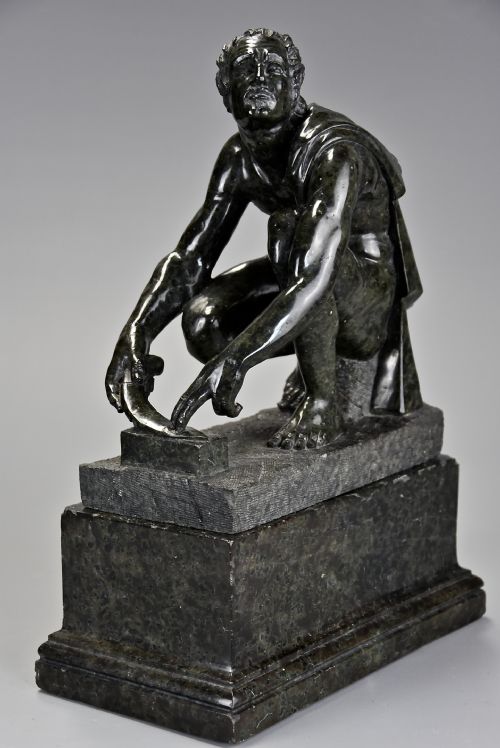
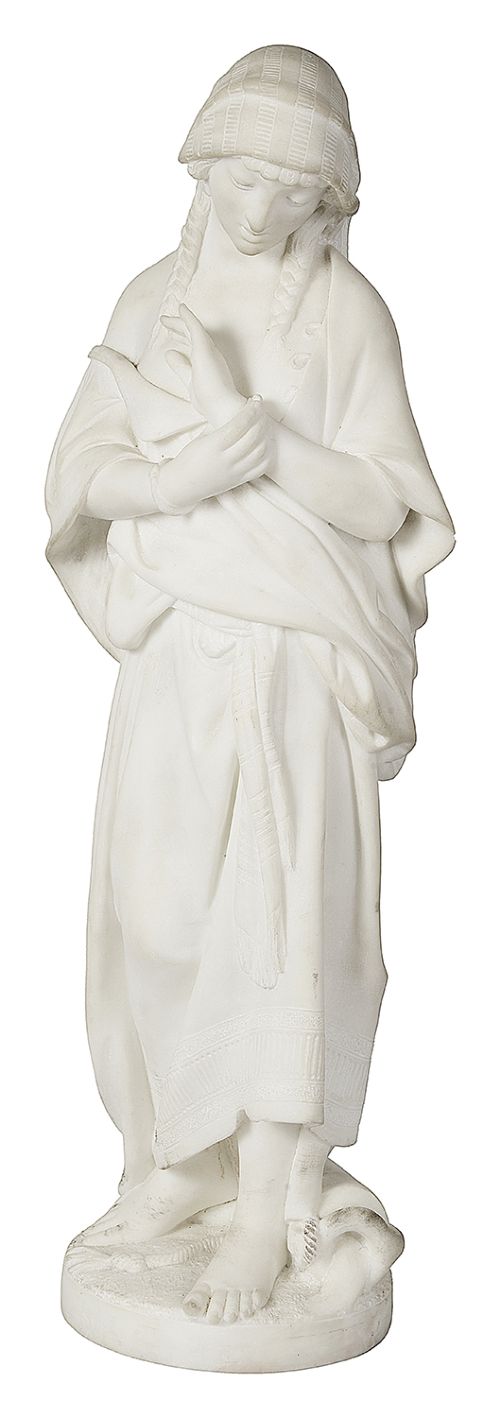


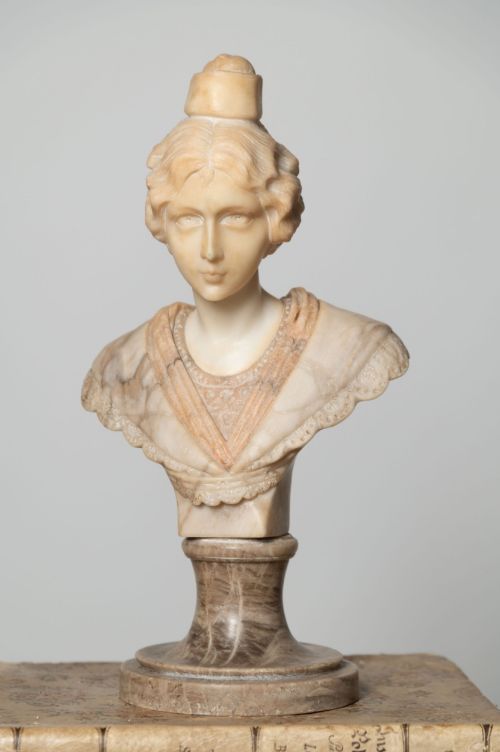
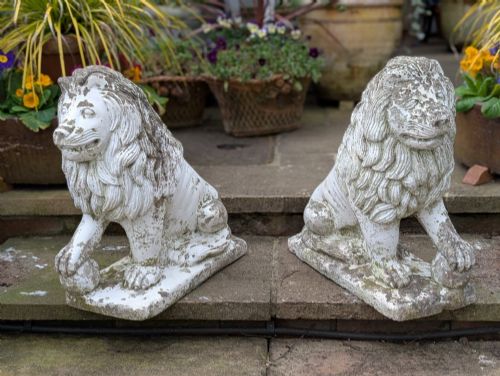
Stone Classical Statue
A stone classical statue brings antiquity and refined proportion into a room or garden, shaped from enduring marble, alabaster, and stone.
Stone Classical Statue
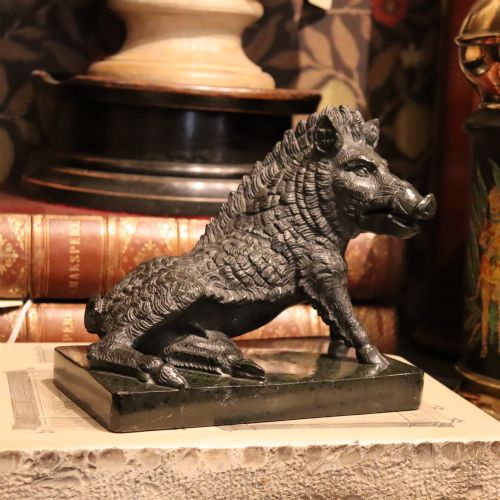
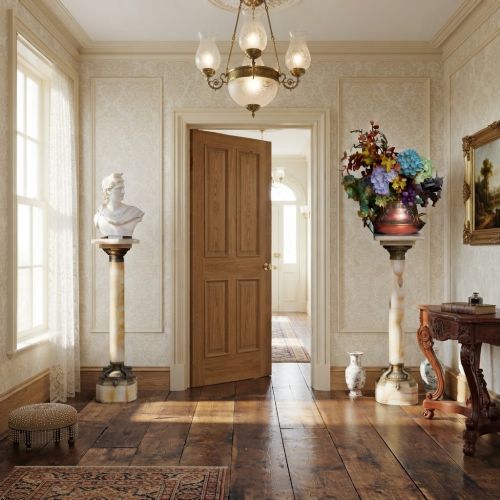
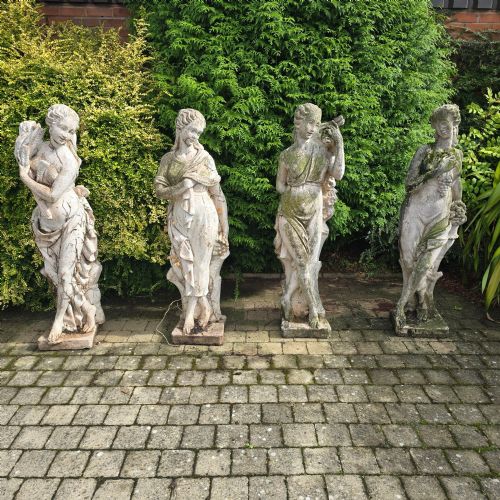
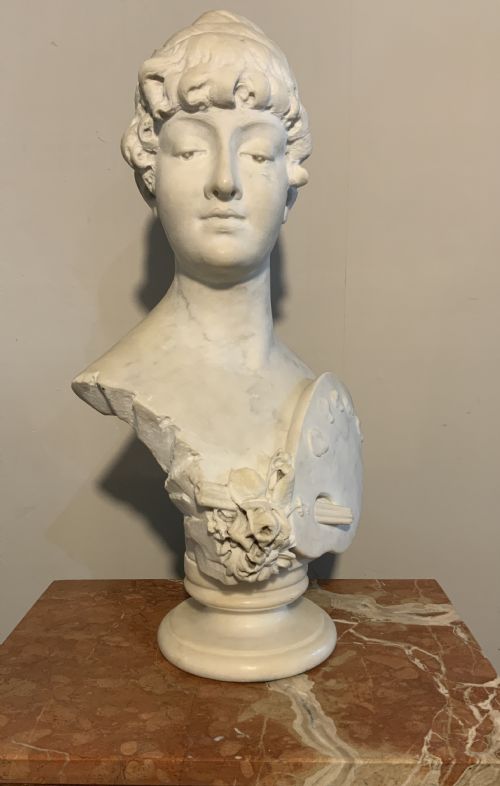
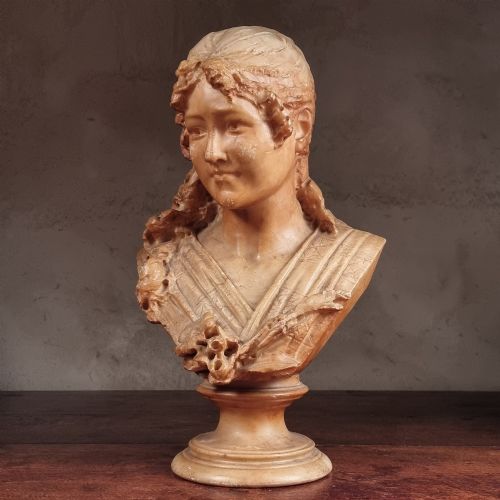
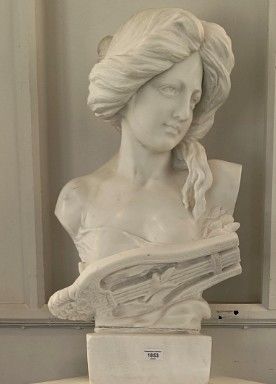
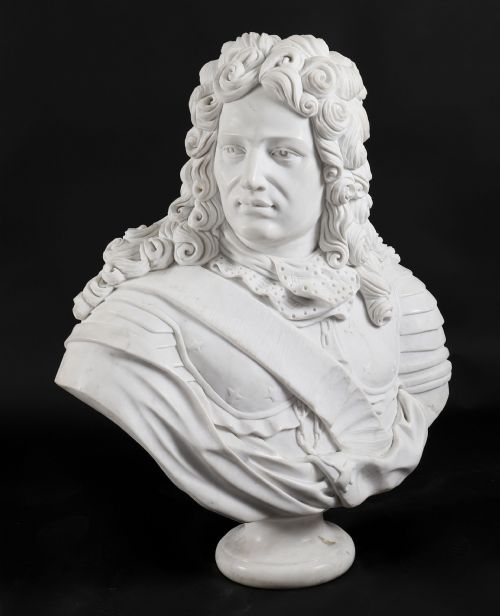
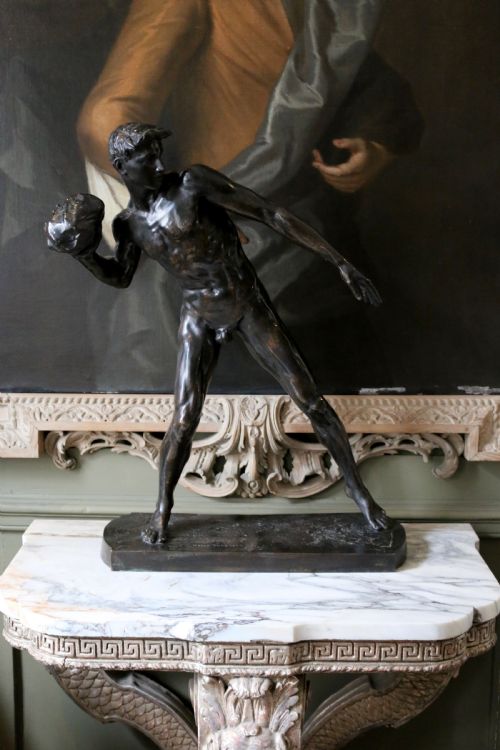
A stone classical statue embodies forms drawn from mythological figures, historical portraits, and antique models, taking shape as full figures, busts, or garden statuary.
The pieces appearing on this page span the nineteenth century and the early twentieth century, reflecting nineteenth-century Italian carving traditions and French sculpture schools.
Buyers encounter subjects ranging from neoclassical muses and lions to portrait busts of statesmen, literary figures, and allegories of the seasons.
Materials and carving techniques
Carvers shaped these works primarily from white marble, Carrara marble, serpentine, and alabaster, utilising chisels and rasps to render drapery and flesh.
Garden pieces and architectural ornaments often rely on cast stone, reconstituted stone, or concrete, moulded to capture the texture of traditional carved stone.
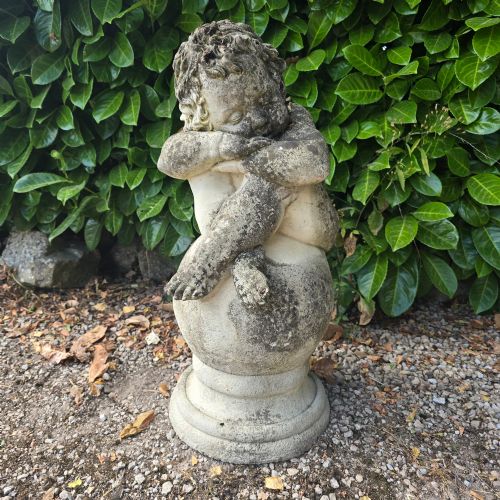
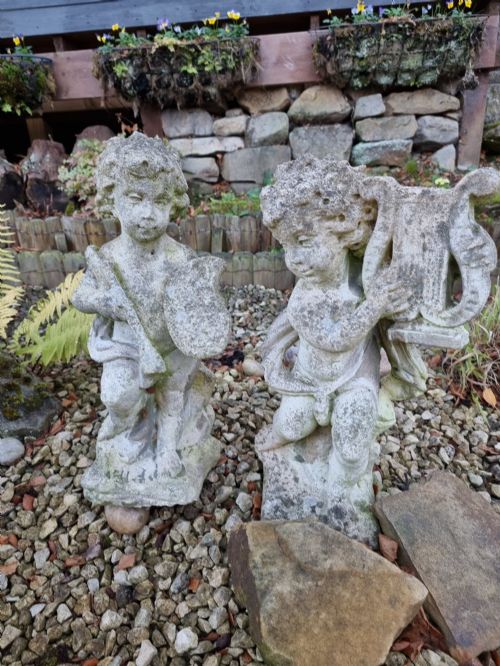
Several stone cherubs appear on the page, looking rather sleepy.
Distinctions in execution
Works signed by known sculptors or produced within established Italian and French workshops display greater anatomical fidelity and precision in the handling of the material.
Barranti·Hamo Thornycroft·Eugene Aizelin·J Francis·Raffaelo Monti·Antonio Canova·R. Mattei·Carrier-Belleuse
The Stone Classical Statue Glossary
- Carrara marble
- A type of white or blue-grey marble quarried in the city of Carrara in Tuscany, prized by sculptors for its fine and uniform grain.
- Grand tour
- A cultural journey undertaken by nineteenth-century Europeans to study classical antiquities, prompting the production of smaller marble and alabaster models.
- Neoclassical
- A style dating from the eighteenth and nineteenth centuries that revived the proportion, order, and subjects of classical Greek and Roman art.
- Alabaster
- A fine-grained mineral commonly carved into smooth portrait busts and decorative sculptures with a translucent quality.
Stone Classical Statue: Frequently Asked Questions
Where do these statues originate?
Many examples originate from nineteenth-century Italian workshops in centres like Florence and Carrara, alongside French studios producing works for domestic and international collectors.
Others stem from British and European sculptors working in the neoclassical tradition during the Victorian period and the early twentieth century.
How should I clean marble sculptures?
Marble surfaces benefit from gentle dusting with a soft, dry cloth to prevent the accumulation of dirt within carved details and crevices.
Avoid using water, oils, or chemical cleaning agents, as these substances can penetrate the porous stone and alter its finish over time.
Can these statues stay outdoors?
Pieces made from reconstituted stone, cast stone, or concrete are specifically designed to withstand external weather conditions in gardens and courtyards.
Marble and alabaster figures are generally better suited to indoor environments where temperature fluctuations and frost cannot damage the carved stone.
What is a Grand Tour sculpture?
Grand Tour sculptures are carved marble or alabaster copies of famous antique statues produced in Italy during the nineteenth century for travellers.
These pieces allowed collectors to bring classical art home from their educational journeys across Europe.