


Sterling Silver Knives
Sterling silver knives encompass formal table settings, cased fruit cutlery and desk implements crafted across Victorian, Edwardian and Georgian eras.
Sterling Silver Knives
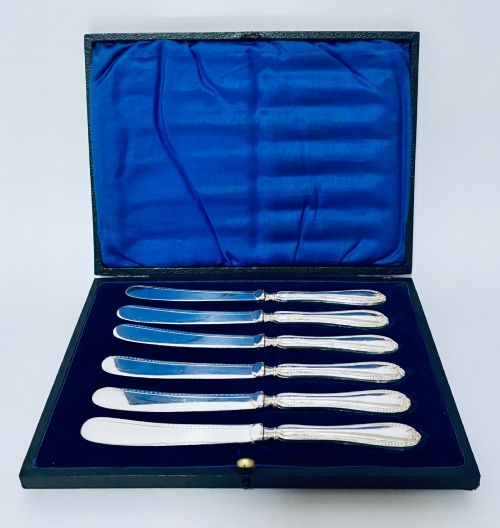
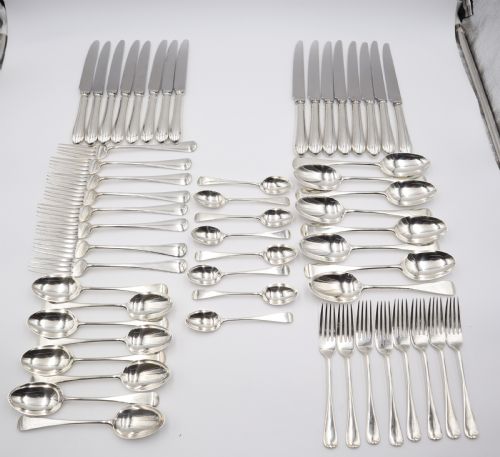
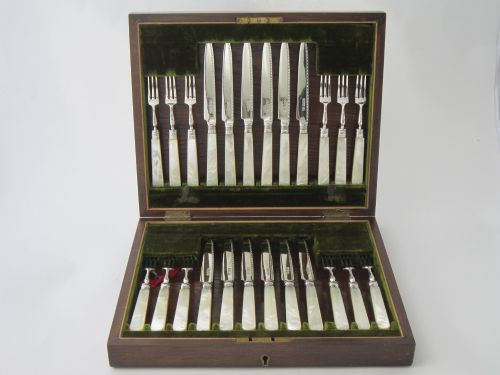
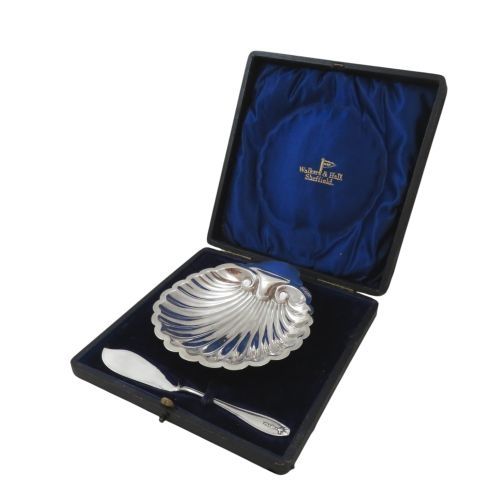
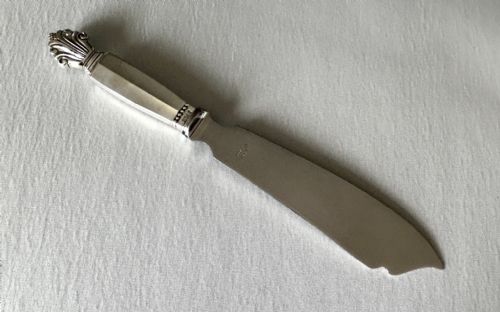
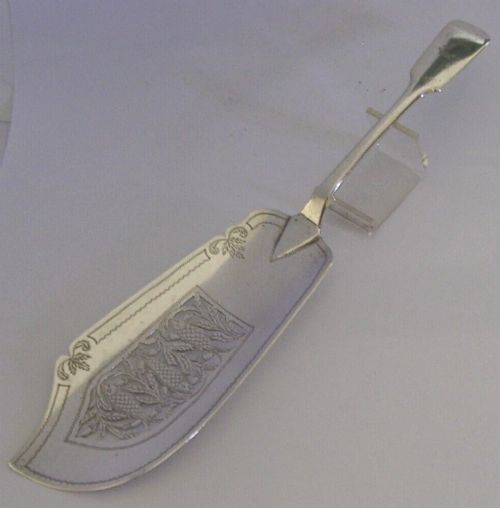
When you search for sterling silver knives, you encounter a diverse range of eating implements, desk items and serving pieces originating from the Georgian period through to the mid-century. The most frequent examples include cased dessert sets, fruit knives with mother of pearl handles, and specialised butter knives.
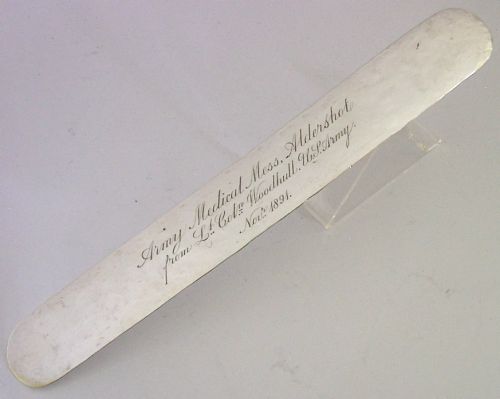
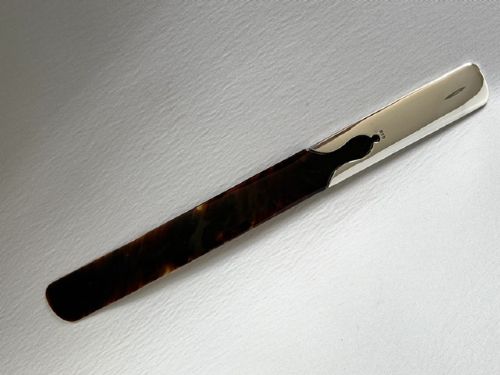
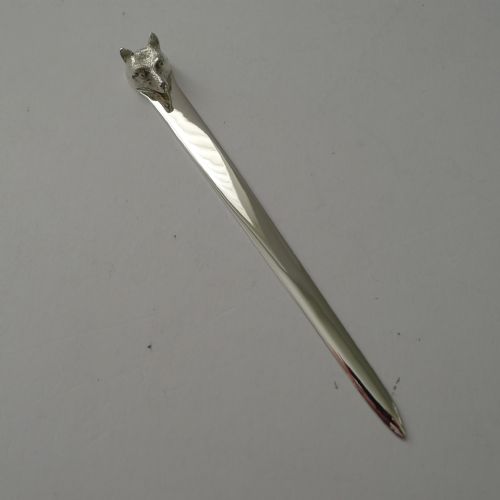
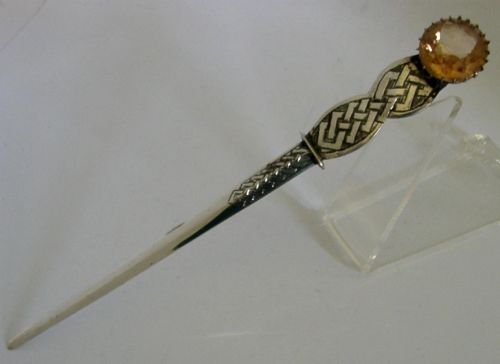
Beyond standard cutlery, the category stretches to incorporate related desk accessories such as letter openers and page turners that share the same precious metal construction. You will regularly find individual table knives alongside matched sets intended for six or eight place settings.
Origins span English provincial workshops, Scottish makers, and major manufacturing centres like Sheffield and Birmingham, often retaining their original fitted presentation boxes.
Materials and construction
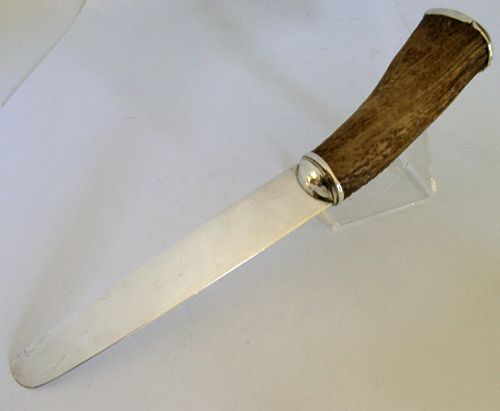
Silversmiths combined solid sterling silver blades or handles with organic elements like mother of pearl, tortoiseshell, horn, agate and ivory for fruit and dessert cutlery. Steel provided the necessary rigidity for functional cutting edges on older table and bread knives.
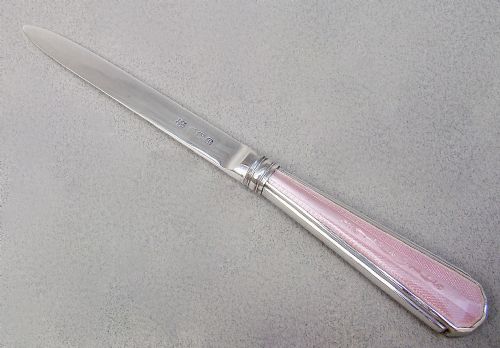
Decorative techniques recorded in the inventory include guilloche enamel work, cast silver detailing, and intricate engraving applied to handles and blades alike.
Listings feature items spanning the Georgian, Victorian and Edwardian eras, executed in sterling silver, tortoiseshell, mother of pearl and steel.
Assessing quality and distinction
Quality rests on the crispness of the hallmarks, the integrity of organic handle materials like mother of pearl and tortoiseshell, and the balance of the piece in the hand. Superior examples maintain clear maker marks and retain the original fitted velvet or silk-lined presentation cases.
Pieces featuring specialised techniques such as guilloche enamel or provincial Scottish workmanship command attention for their distinct regional character and meticulous execution.
The Barker Brothers·Georg Jensen·Asprey And Co·Mappin And Webb·Vale And St John·William Graeme·Goldsmiths And Silversmiths
The Sterling Silver Knives Glossary
- Sterling silver
- An alloy containing 92.5 percent silver by mass, with the remainder consisting of other metals, usually copper. This standard has been legally regulated in Britain for centuries.
- Hallmark
- An official mark stamped on items made of precious metals, indicating the standard of purity, the assay office, and the year of manufacture. These stamps provide the definitive timeline for antique cutlery.
- Guilloche enamel
- A decorative technique in which a precise, intricate pattern is engraved onto a metal surface and then covered with translucent enamel. It appears on select twentieth-century letter openers and desk wares.
- Mother of pearl
- The iridescent internal layer of a shell, often used for knife handles due to its durability and decorative sheen. It is characteristic of Victorian and Edwardian dessert cutlery sets.
Sterling Silver Knives: Frequently Asked Questions
Can I use sterling silver knives daily?
Many people enjoy using antique fruit and dessert knives for daily dining, provided they are washed by hand immediately after use. Silver is a soft metal that develops a gentle surface wear over generations of use.
For heavy-duty cutting, rely on stainless steel utensils and reserve your silver pieces for lighter table service and special occasions.
What is the difference between dessert and fruit knives?
Fruit knives typically feature smaller blades paired with decorative handles made from mother of pearl, bone or silver, designed specifically to prevent acidic fruits from discoloring the metal.
Dessert knives are usually part of a larger matched cutlery service intended for the sweet course of a formal meal, often accompanied by matching forks.
How do I date an antique silver knife?
Locate the hallmark stamps usually positioned near the bolster or along the handle, which include a date letter corresponding to the assay office records. Examining the overall style and handle material also narrows down the manufacturing decade.
Victorian pieces often display naturalistic motifs and mother of pearl, whereas Edwardian and later examples introduce cleaner lines and occasional enamel work.