

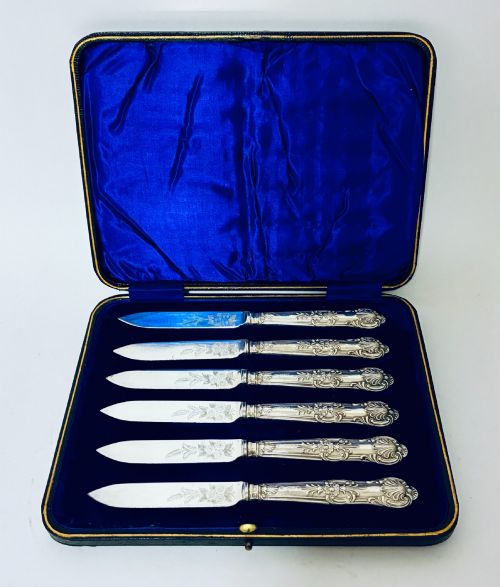

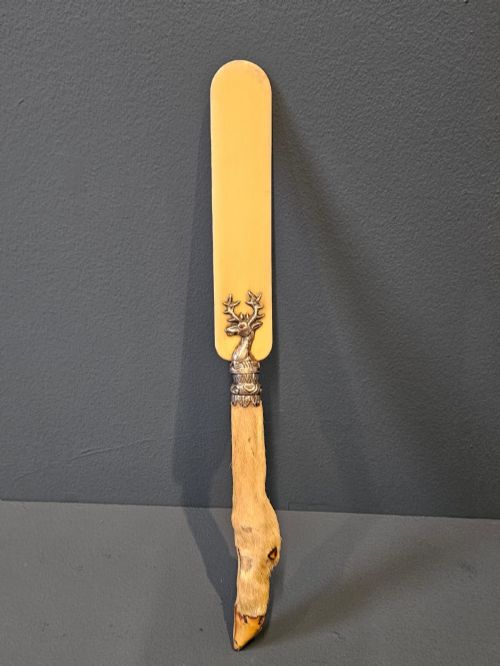
Victorian Silver Knives
When you handle victorian silver knives, you meet domestic utensils that reveal the precise craftsmanship of nineteenth-century dining.
Victorian Silver Knives
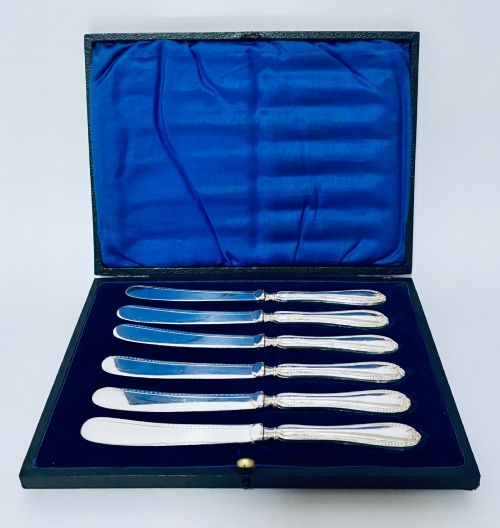
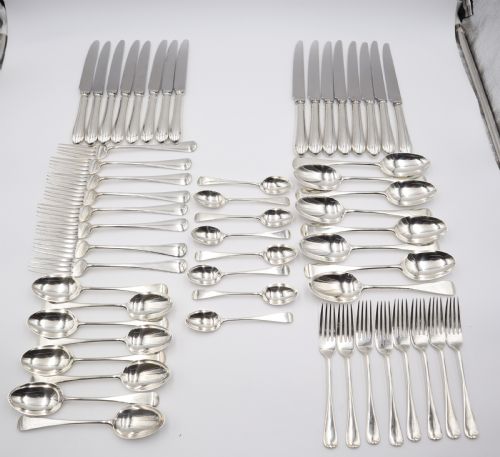
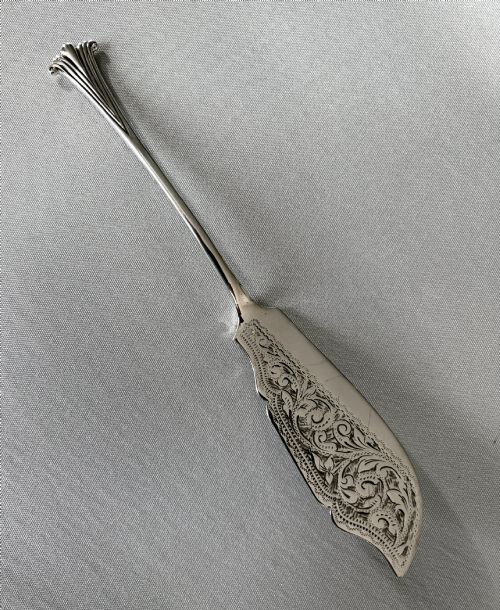
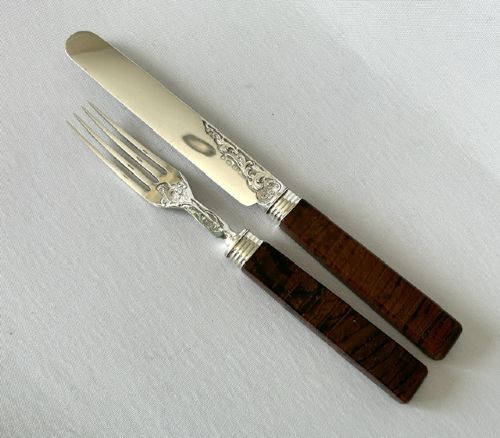
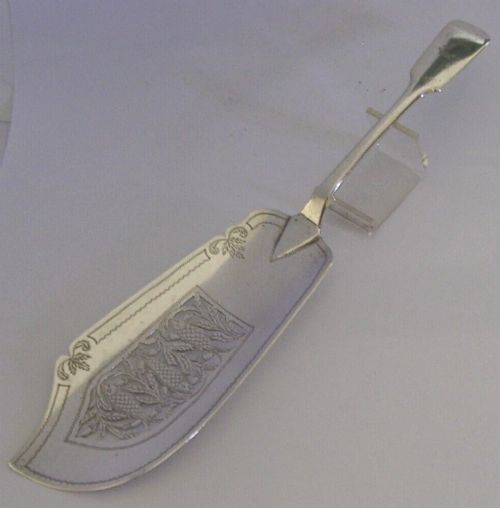
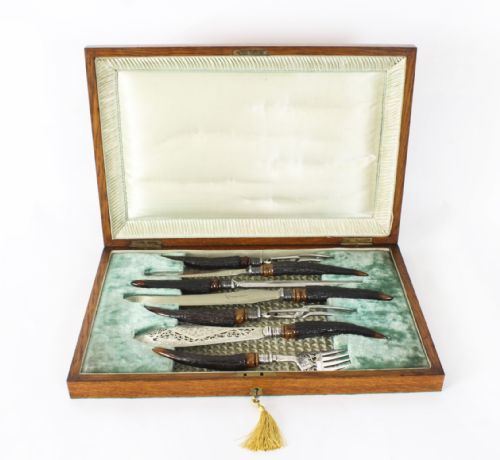
Victorian silver knives encompass a diverse group of implements, ranging from fruit knives and butter knives to fish servers and cased dessert sets. On this page, you are most likely to encounter butter knives and fruit knives featuring sterling silver blades or handles combined with organic materials.
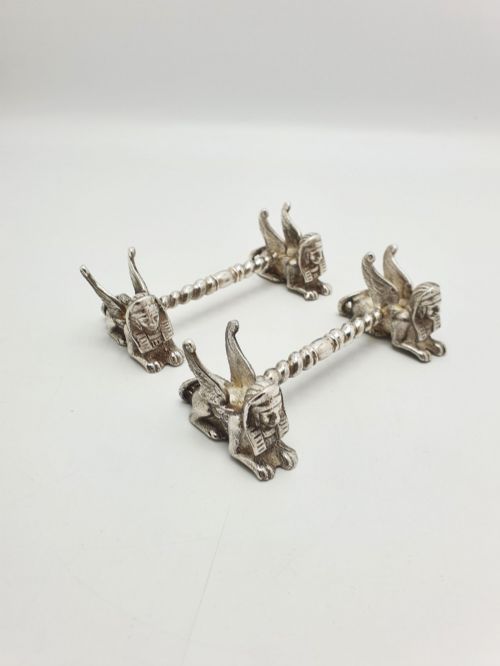
The objects span periods from the early nineteenth century through to the Edwardian era, incorporating styles such as Egyptian Revival, Georgian, and William IV alongside standard Victorian forms. Forms include boxed sets, single pieces, and matched pairs intended for specific dining and desk tasks.
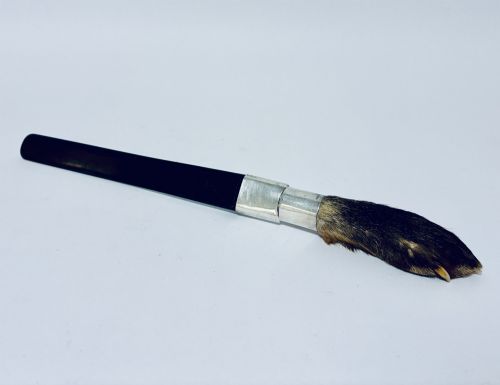
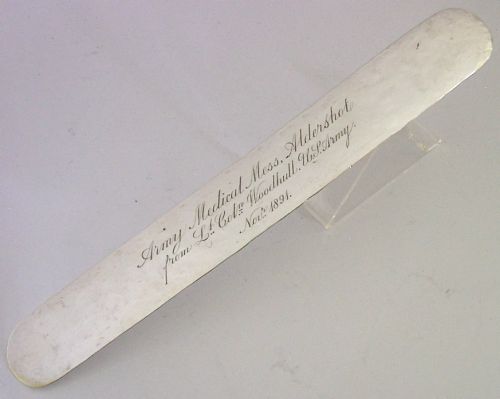
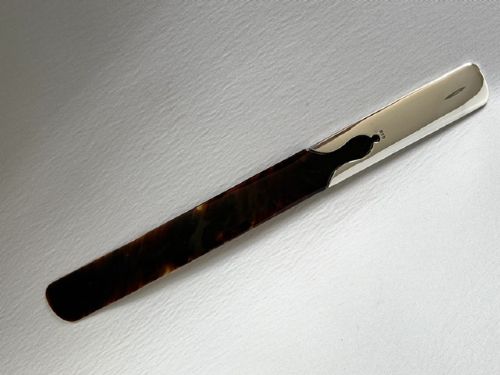
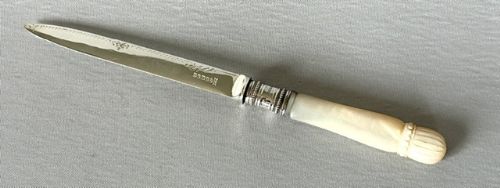
Beyond standard cutlery, the category stretches to encompass related desk accessories and serving pieces like page turners, letter openers, and knife rests. These items demonstrate how silver and plated manufacturing extended from the dining table into the library and writing room.
Materials and construction methods
Makers utilised sterling silver and silver plate for blades, mounts, and ferrules, frequently pairing metallic components with steel for cutting edges. Handles draw on natural substances including mother-of-pearl, tortoiseshell, agate, porcelain, antler horn, and ivory.
Construction techniques combine traditional metal smithing, such as cast silver blades and engraved decoration, with specialised handle fitting. Handles are pinned or cemented into silver ferrules, uniting organic elements securely with precious metal.
Listings feature sterling silver, silver plate, mother-of-pearl, tortoiseshell, and agate across various nineteenth and early twentieth-century periods.
Distinctions in quality
Quality rests upon the crispness of chased or engraved ornament on the blade and the structural integrity of the joint between handle and ferrule. Finer examples display balanced weight, robust gauge sterling silver rather than thin plating, and carefully selected natural handle materials free from heavy fractures.
The presence of original fitted cases, matched sets, and clear hallmarks pointing to specific regional assay offices elevates an item. Craftsmanship shows in the deliberate shaping of mother-of-pearl or the integration of decorative motifs like shells, sphinx heads, and animal crests.
Aaron Hadfield·Walker And Hall·Goldsmiths·Walker Knowles
The Victorian Silver Knives Glossary
- Sterling silver
- A silver alloy containing 92.5 percent pure silver by mass, with the remainder composed of copper or other metals. This standard grade is stamped with hallmarks on British cutlery.
- Silver plate
- A base metal, such as copper or Britannia metal, coated with a thin layer of silver through electroplating or older techniques like Sheffield plating. It provides the appearance of solid silver at a different weight.
- Ferrule
- The metal ring or cap that secures the handle of a knife to the blade tang. It prevents the handle material from splitting under pressure.
- Tang
- The extension of the knife blade that continues into the handle for attachment. In period pieces, the construction method of the tang affects the stability of the utensil.
- Hallmark
- An official stamp applied by an assay office to indicate the metal purity, year of manufacture, and maker's mark. British items frequently feature town marks alongside the standard lion passant.
Victorian Silver Knives: Frequently Asked Questions
Can I use antique silver butter knives daily?
Many collectors utilise these pieces for special dining occasions, as the silver construction remains durable for soft foods like butter, cheese, and soft fruits. Hand washing is essential to preserve the integrity of the materials.
Avoid putting antique cutlery into modern mechanical dishwashers. The harsh detergents and high heat will ruin organic handles and strip away plated surfaces.
What is the difference between solid silver and silver plate?
Solid silver, or sterling silver, consists of a regulated high purity metal throughout the entire piece and bears specific statutory hallmarks. Silver plate applies a thin layer of silver over a different base metal such as copper or nickel.
You can often identify plate by examining areas of wear where the underlying base metal shows through. Solid silver maintains its composition even when scratched or polished repeatedly.
How do I date an unmarked silver fruit knife?
Examine the overall style, handle material, and blade shape against documented examples from the nineteenth century. Design shifts from early Victorian ornate engraving to later Edwardian minimalism offer helpful clues.
Look closely for maker's marks or registration numbers stamped near the bolster. Even when official assay hallmarks are absent, smaller punch marks often identify the manufacturer.