
Sterling Silver Fruit Bowl
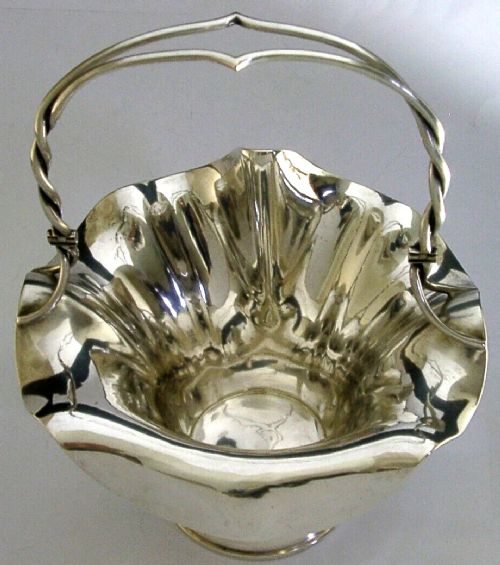
These sterling silver fruit bowl pieces offer heavy gauge metal and traditional form, adding weight and historic character to any table.

Identifying a sterling silver fruit bowl
A sterling silver fruit bowl combines functional tableware with decorative presence, appearing across the Victorian, Edwardian, and Arts and Crafts periods.
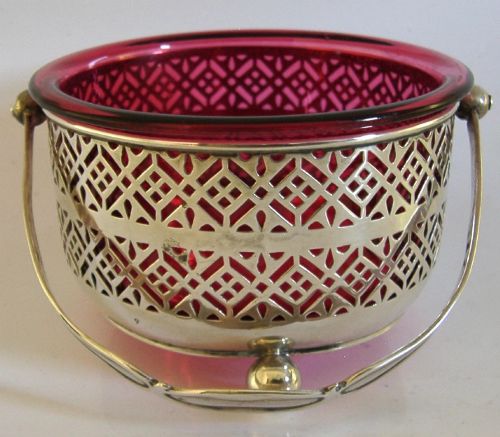
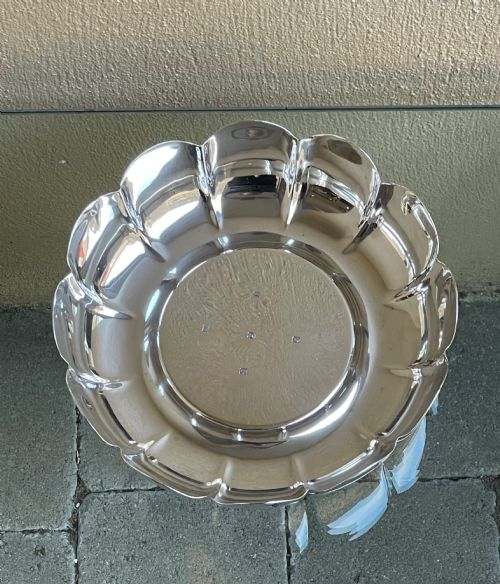
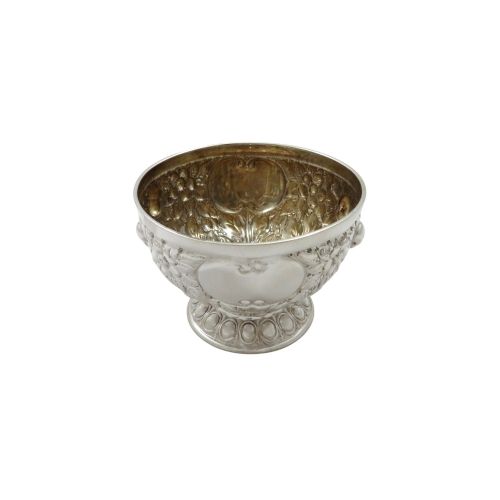
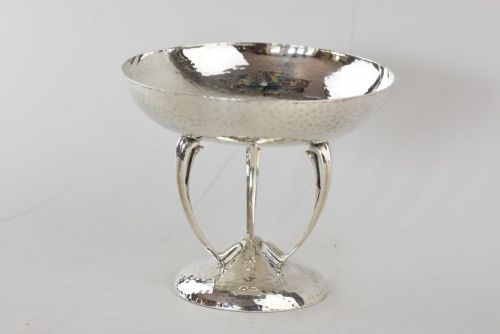
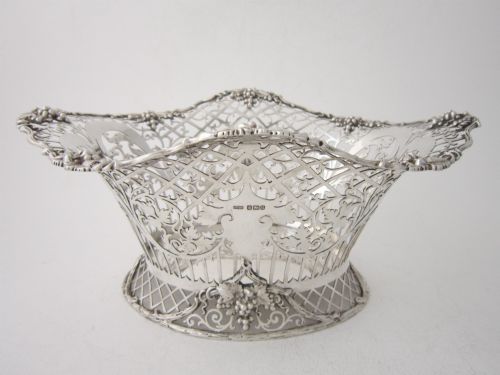
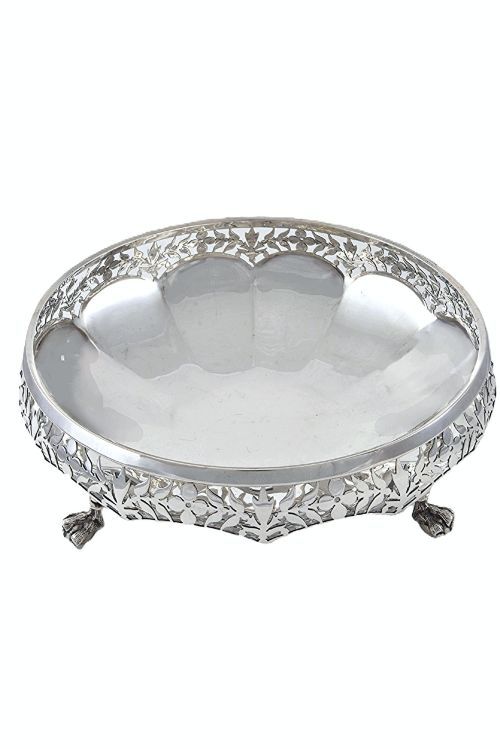
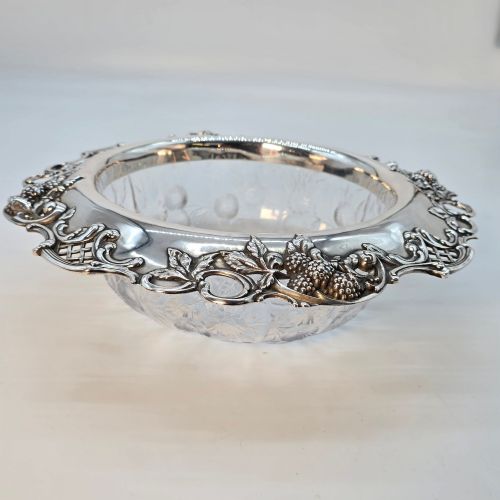
Most examples take the form of open serving dishes, pierced ovals, or elevated pedestals designed to display fruit or hold centrepieces.
The material is solid sterling silver throughout, and pieces frequently carry hallmarks indicating their exact year of assay and maker.
Methods and materials of manufacture
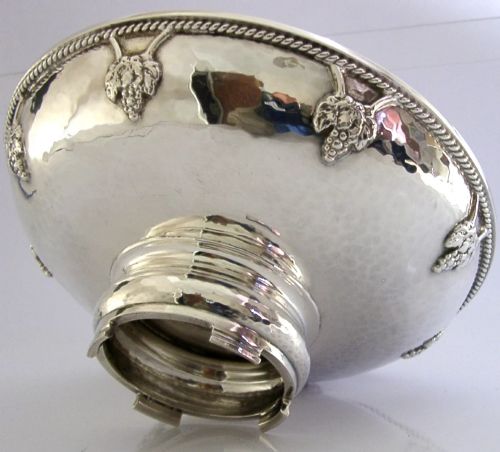
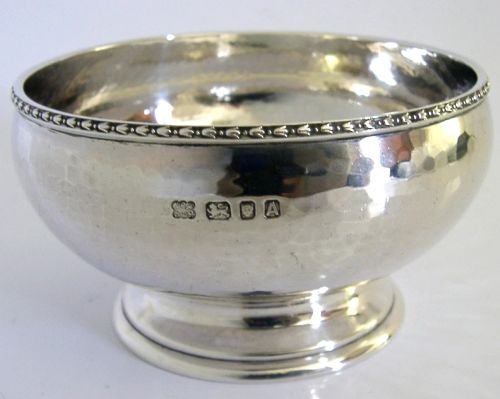
Silversmiths constructed these bowls from solid sterling silver, often hammering the metal by hand to create planished surfaces that catch the light.
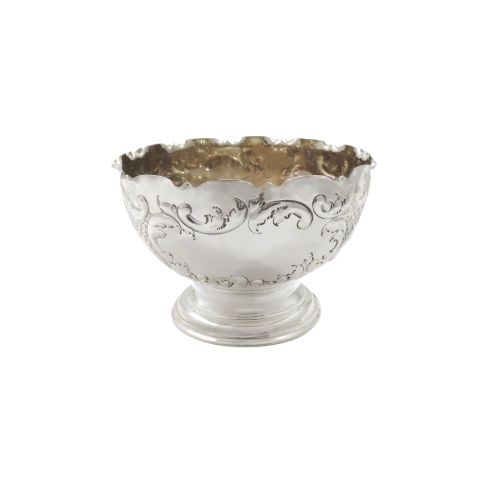
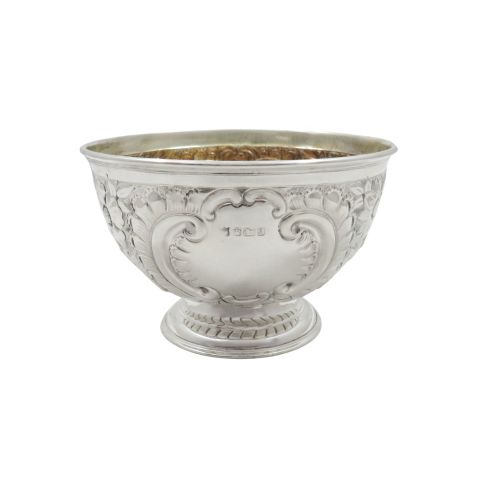
Decorative elements involve pierced openwork, chased details, and cast rims, combining structural integrity with ornate Victorian or Arts and Crafts styling.
Retail Price Guide 2026
Typical UK retail prices for sterling silver fruit bowl, calculated from the Sellingantiques database of over a million retail prices indexed since 2003. This retail price guide relies exclusively on Sellingantiques data; no external sources or auction records are used, so the figures do not describe the wider market.
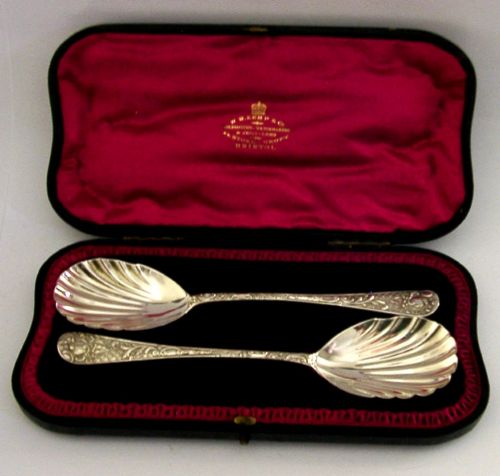
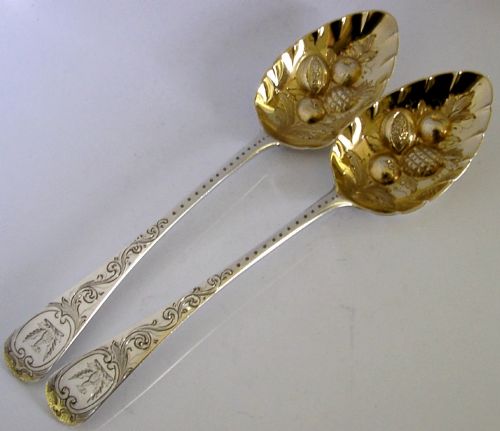
Some Edwardian fruit bowls arrived paired with fitted serving spoons inside original presentation cases.
Distinctions in quality and execution
Quality rests upon the weight of the sterling silver and the depth of the hand-chased or planished finish applied by the workshop.
Substantial gauge metal resists bending and maintains crisp detail along pierced borders and rims, whereas thinner vessels lack the same tactile substance.
A E Jones·Martin Hall·Gorham·Tiffany and Co·Walker and Hall
The Sterling Silver Fruit Bowl Glossary
- Sterling silver
- An alloy comprising ninety-two point five percent silver and seven point five percent other metals, chosen for durability.
- Hallmark
- A series of official stamps indicating the assay office, metal standard, and date letter of manufacture.
- Planishing
- A hammering technique used by silversmiths to smooth the metal and create a faceted, light-reflecting texture.
- Pierced work
- Openwork patterns cut through the silver wall to lighten the visual weight of the vessel.
- Centrepiece
- A large decorative bowl or tazza placed in the middle of a dining table.
Frequently Asked Questions
How do I clean a sterling silver fruit bowl?
Use a soft cloth and a reputable silver polish to remove tarnish gently without abrading the metal surface.
Avoid harsh chemical dips that strip away the natural dark highlights in chased details.
Can I use these bowls for actual fruit?
These vessels were originally designed to hold fruit or serving portions on the dining table.
Citrus fruits should not be left in direct contact with the silver for prolonged periods to prevent marking.
What periods do these bowls come from?
The available pieces span the nineteenth century, the Victorian and Edwardian eras, and early twentieth-century Arts and Crafts movements.
Each period brings distinct stylistic choices, from ornate Rococo revival curves to hand-wrought simplicity.
How do hallmarks help date a piece?
Hallmarks include specific symbols and letters that reveal the town of assay and the exact year the item was tested and marked.
Consulting standard registry guides matches these stamps to the precise decade of creation.