


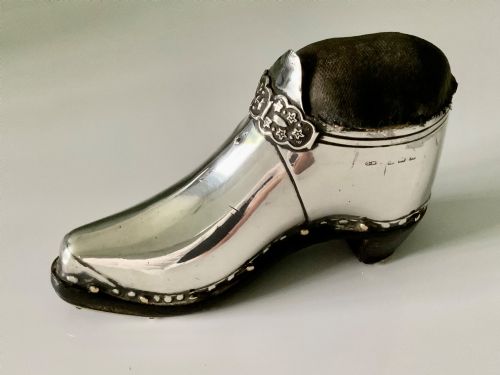


Sterling Silver Cushion
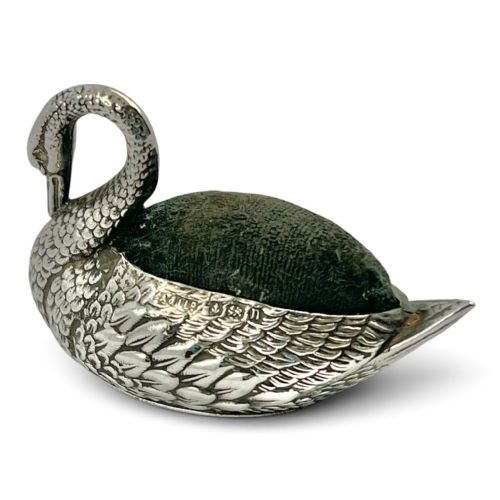
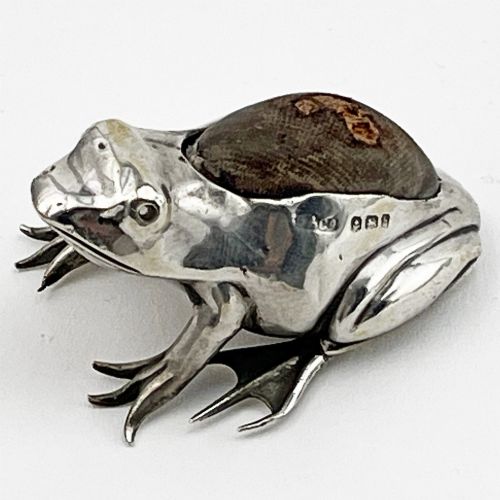
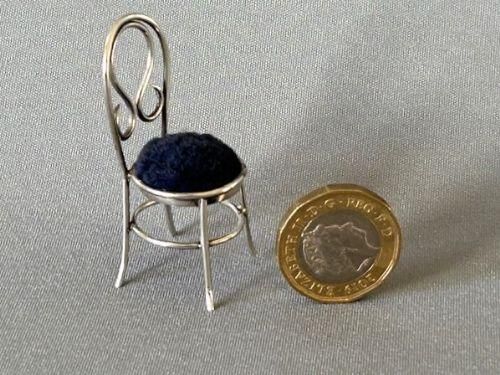
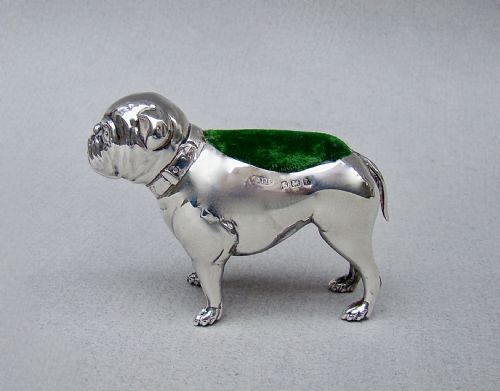
When you search for a sterling silver cushion, you enter a world of miniature Victorian and Edwardian novelty pin holders shaped as animals, boots, and everyday objects.
Sterling Silver Cushion
A sterling silver cushion, most commonly found as a novelty pin cushion, serves as a decorative dressing table accessory designed to hold pins and needles.
The pieces appearing on this page span the Victorian, Edwardian, and George V periods, originating primarily from British silversmiths working around the turn of the twentieth century.
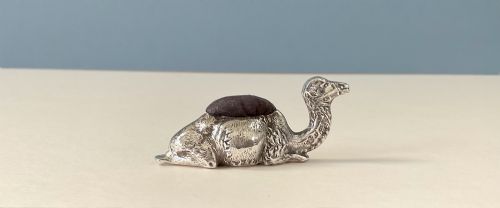
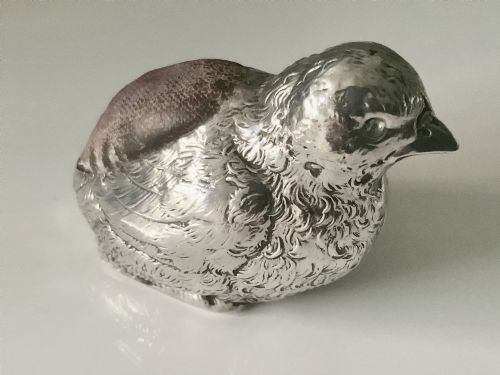
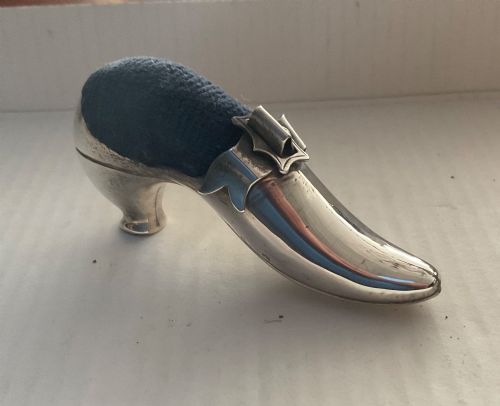
Forms vary widely from domestic objects like shoes, chairs, and goblets to an array of animals including pigs, chicks, swans, bears, and camels.
How they were made
The central cushion component consists of a fabric pad - frequently silk velvet, felt, or wool - fitted tightly into the silver cavity to secure pins safely.
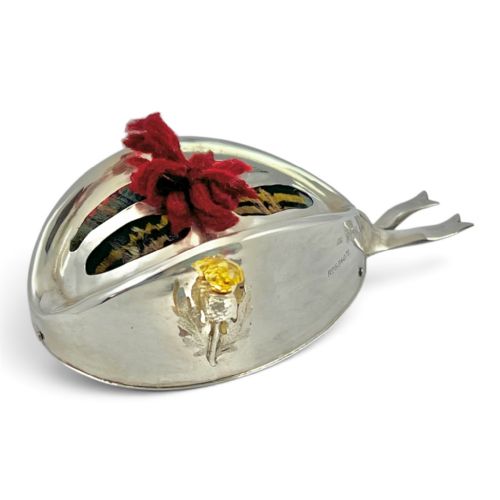
Listings feature materials including sterling silver, velvet, mother of pearl, glass, and wool across Victorian and Edwardian periods.
What varies in quality
Quality rests heavily on the crispness of the chasing and the naturalism of the form, separating mass-produced novelties from finely sculpted animal figures.
The integrity of the original textile insert and clear, legible hallmarks stamped into the silver elevate the desirability of individual pieces.
Adie & Lovekin·Sampson Mordan & Co.·George W Shiebler·Artificer's Guild
The Sterling Silver Cushion Glossary
- Novelty
- An object made in an amusing or unusual shape rather than a standard utilitarian form. These figural pieces form the core of collecting interest.
- Chasing
- A metalworking technique where the smith pushes the surface of the silver from the outside to create raised decorative detail. This method brings animals and objects to life.
- Hallmark
- A series of official marks stamped onto precious metals indicating the standard of silver, the assay office, and the year of manufacture. British pieces usually carry a lion passivity and date letter.
- Dressing table accessories
- Small luxury items kept on a bedroom table for personal grooming and sewing needs. They include ring trees, trinket boxes, and pin holders.
- Regency
- A stylistic period bridging the late eighteenth and early nineteenth centuries characterised by classical restraint and elegance. Pieces from this era show distinct architectural lines.
Sterling Silver Cushion: Frequently Asked Questions
What were sterling silver cushions used for?
These decorative items sat on dressing tables to hold pins and needles used in everyday dressmaking and tailoring.
Victorian and Edwardian households prized them as both practical sewing tools and charming decorative ornaments.
How do I identify an Edwardian pin cushion?
Edwardian pieces typically date between 1901 and 1910, often displaying hallmarks from Birmingham or Chester alongside maker marks like Sampson Mordan.
They frequently take playful animal forms such as chicks, pigs, and elephants constructed from solid sterling silver.
Are the fabric inserts original?
Many pieces retain their original velvet, felt, or wool pads in shades like red or blue, though replacement fabric appears due to natural wear.
Original textiles match the period construction methods of the outer silver casing.
Why are some shapes rarer than others?
Silversmiths produced standard domestic items like shoes and boots in large quantities, whereas specific animals or unusual mechanical designs were made in smaller batches.
Figural representations of wildlife or military hats command higher interest among collectors today.