


Sterling Silver Canister
When you handle a sterling silver canister, you touch a piece of domestic history made to preserve precious leaf.
Sterling Silver Canister
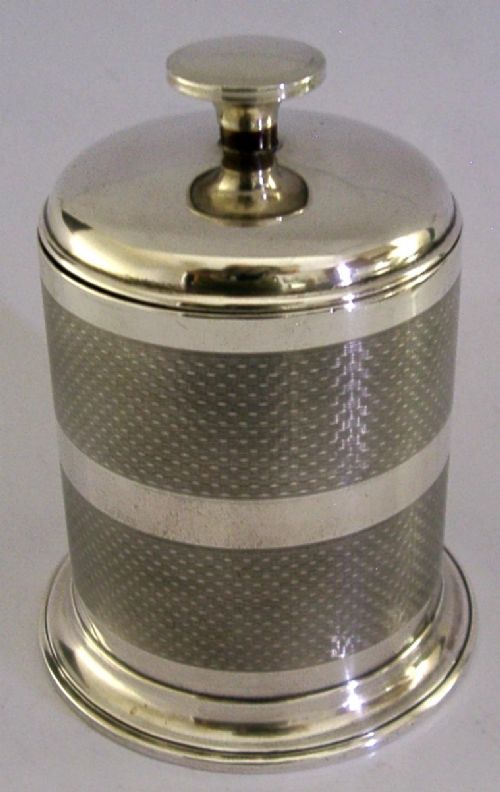
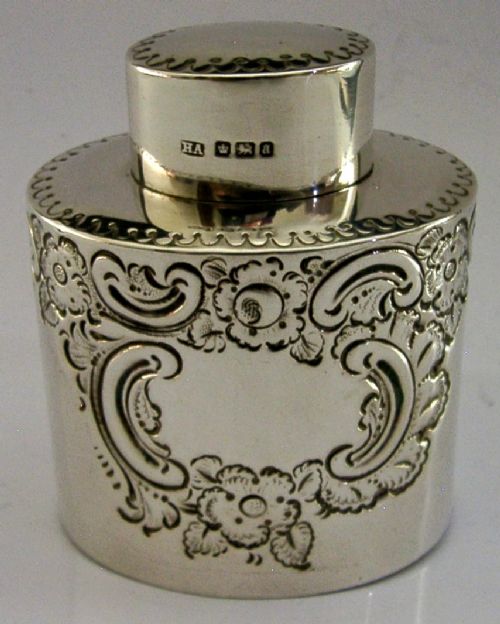
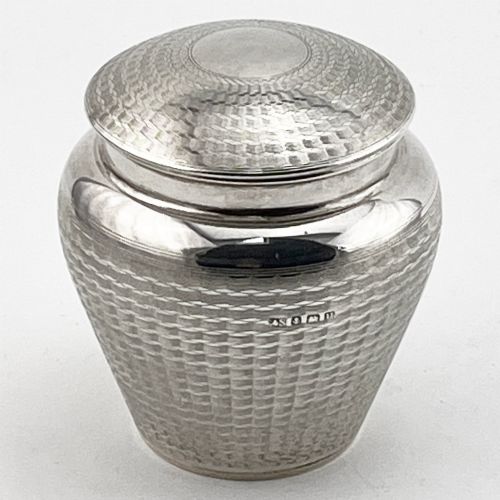
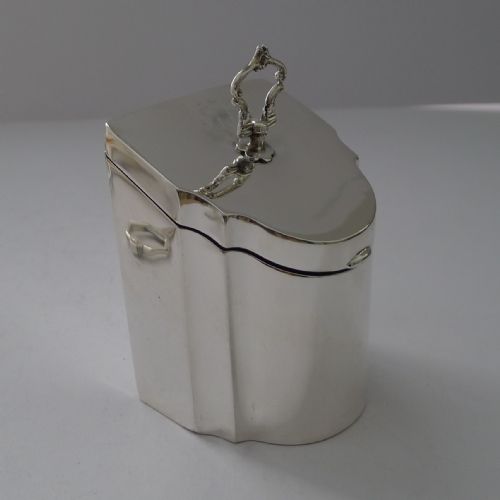
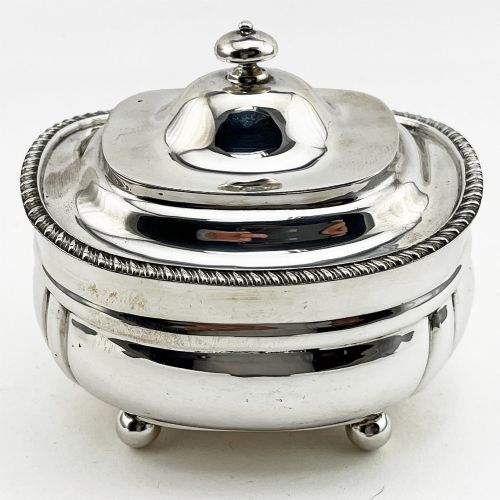
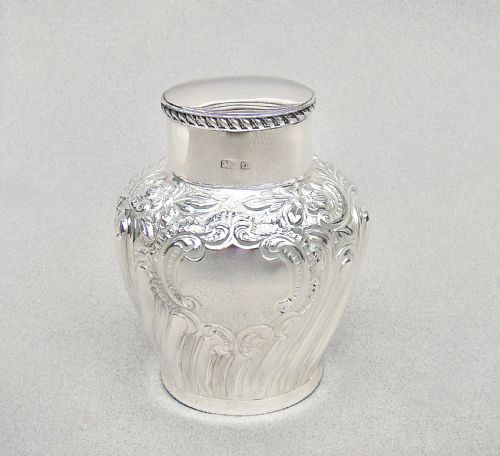
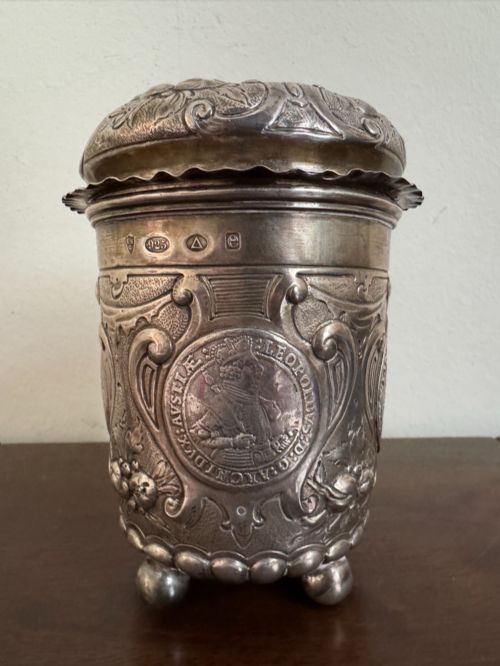
A sterling silver canister functions primarily as a tea caddy, alongside related boxes and lidded beakers designed for the table. These vessels emerge frequently in Victorian, Edwardian, and early twentieth-century iterations, spanning George III origins through to Art Deco designs.
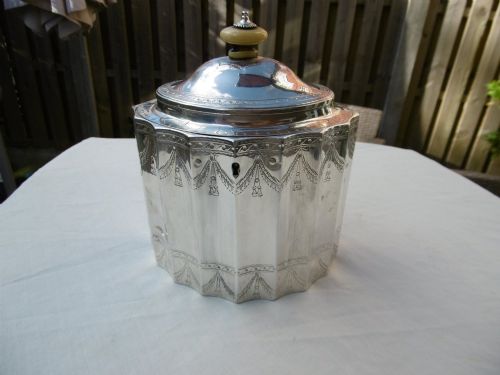
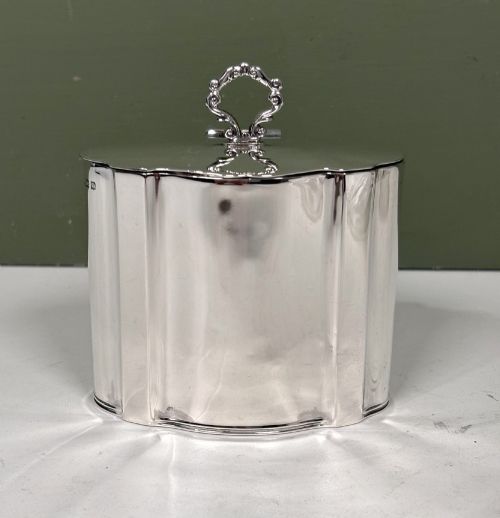
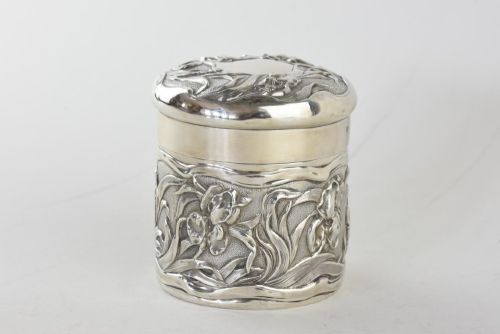
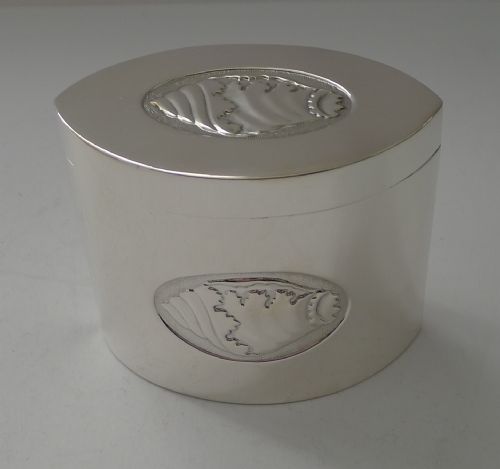
Makers shaped these containers into ovals, cylinders, knife box forms, and novelty shapes such as paint tins. Their original purpose was the secure storage of dry goods, though many survive today as decorative display boxes and trinket receptacles.
Materials and construction
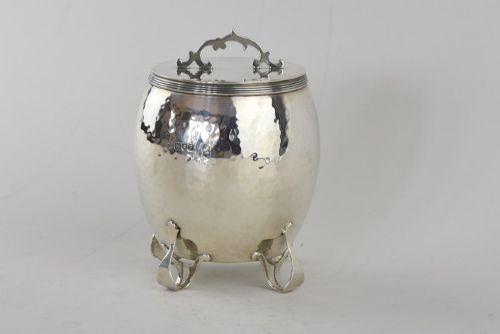
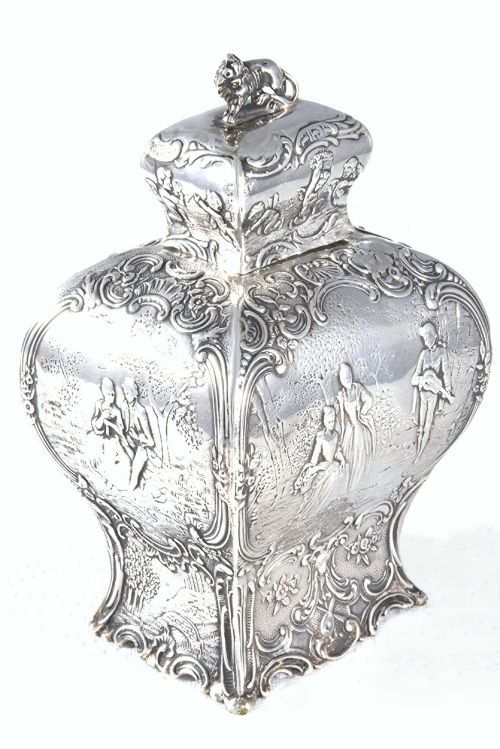
Silversmiths formed these canisters from solid silver and sterling silver, sometimes combining the metal with cut crystal, wood, ebony, or bone accents. Workshops employed hammering and repousse techniques to raise and decorate the metal bodies.
Handles, finials, and pull-off lids required precise fitting to ensure proper closure, while interior elements occasionally featured gilding to protect the silver from tea leaves.
Object forms range from traditional tea caddies and lidded beakers to novelty paint tins and shaving sets.
Assessing the work
Quality rests in the gauge of the silver and the crispness of the hand-hammered or repousse decoration. Substantial weight and balanced proportions distinguish a high-grade container from a lighter, mass-produced alternative.
The integration of secondary materials, such as cut crystal bodies or contrasting wooden inlays, demonstrates the maker's technical ambition and the piece's intended rank.
Charles Edwards·Robert Hennell·Goldsmiths and Silversmiths Company·Zimmermann·Thomas Hayes·Mappin and Webb·William Hutton and Sons Ltd·Ernest Druiff and Co·Asprey and Co·Atkin Brothers·Thomas Heming
The Sterling Silver Canister Glossary
- Sterling silver
- An alloy of silver containing 92.5 percent pure silver and 7.5 percent other metals, usually copper. This standard ensures the durability required for domestic tableware and boxes.
- Repousse
- A metalworking technique where the smith pushes or hammers the design from the reverse side to create a raised relief pattern. It appears frequently on decorative boxes from the Victorian and Edwardian eras.
- Tea caddy
- A small jar or box used to store tea leaves before blending and brewing became automated. Early examples often featured lockable lids to protect expensive leaves.
- Pull-off lid
- A snug cover that lifts directly upwards without hinges or threads. This closure method relies on precise manufacturing tolerances to maintain a secure fit.
Sterling Silver Canister: Frequently Asked Questions
How were tea caddies used?
Tea caddies served to store high-value tea leaves securely away from moisture and culinary odours. Because tea was an expensive commodity, many caddies featured lockable lids.
Servants typically measured out the leaves using matching spoons before the tea was brewed in the presence of guests.
How do I date a silver canister?
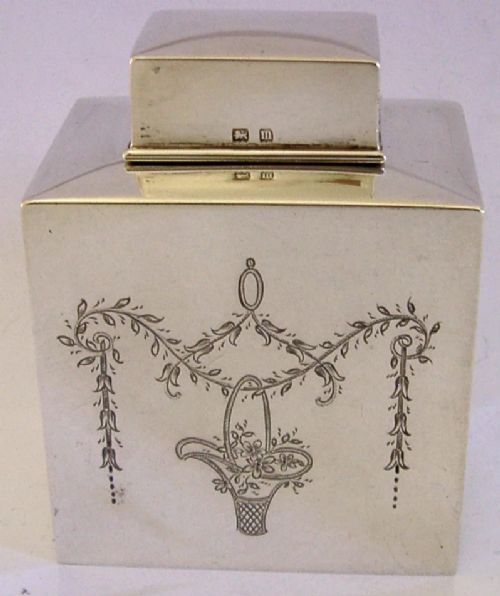
Dating relies primarily on the hallmarks stamped into the metal by official assay offices. These marks identify the town of assay, the date letter for the specific year, and the maker's mark.
Stylistic markers such as Art Deco geometric lines or Victorian repousse floral motifs provide additional contextual clues.
Can I use an antique caddy for tea?
Antique silver canisters remain suitable for dry storage, though many owners prefer to display them empty. Silver is non-toxic and safely holds modern tea leaves if cleaned gently.
Avoiding abrasive polishes preserves the original chasing and historical surface wear accumulated over generations.