



Starburst Cut Glass Glasses
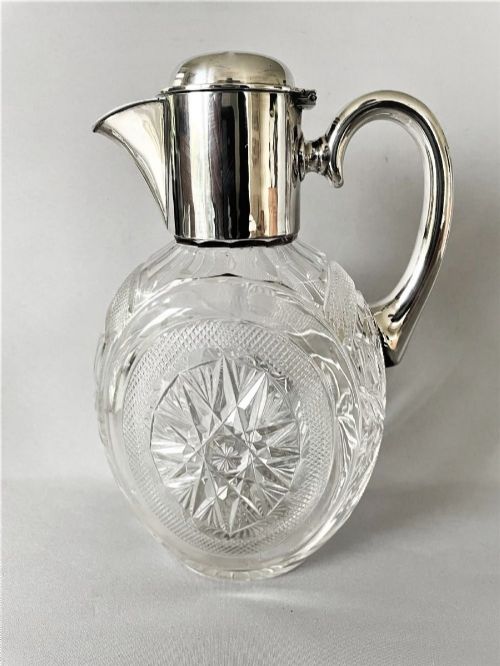
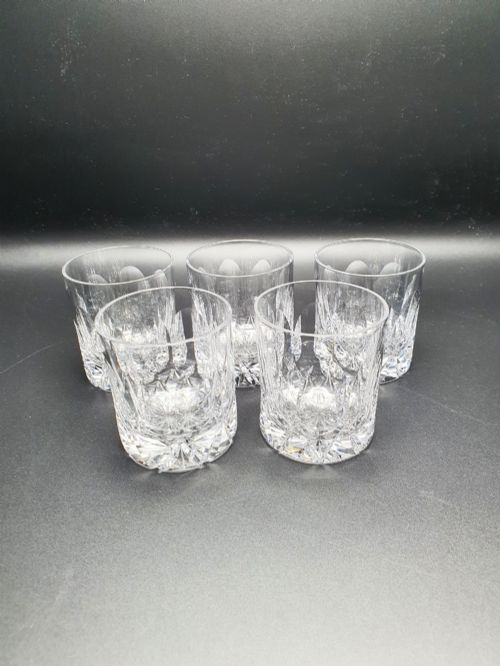
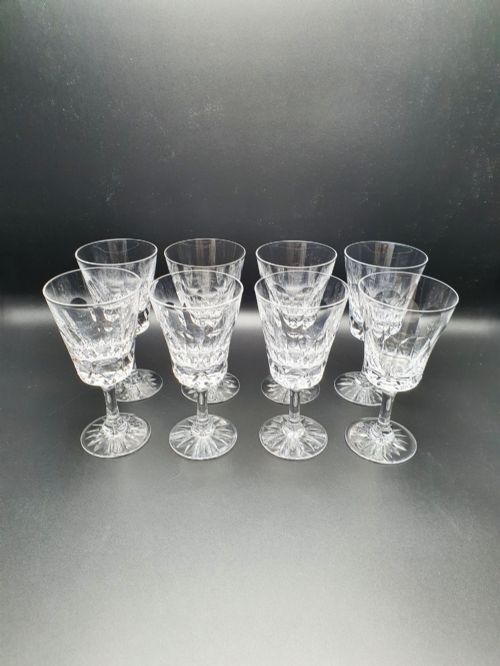
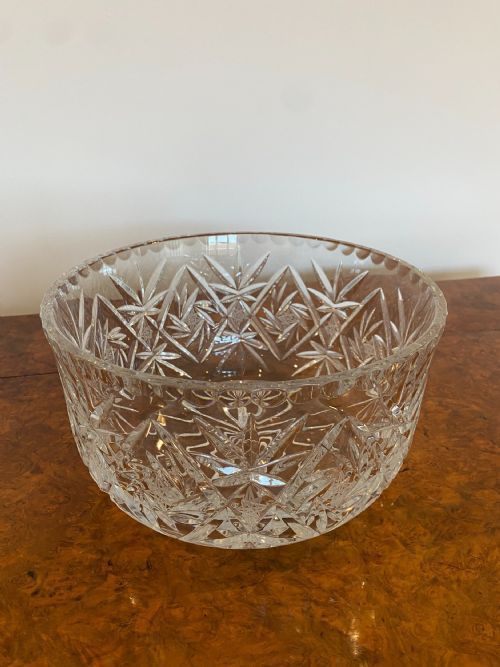
These starburst cut glass glasses and associated vessels combine deep wheel-carved motifs with brilliant lead crystal.
Starburst Cut Glass Glasses
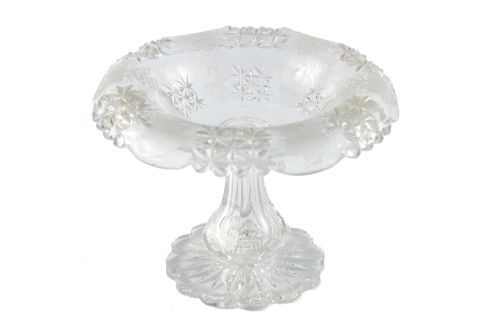
Starburst cut glass glasses and related tablewares encompass drinking vessels, decanters, and fruit bowls shaped by nineteenth and twentieth-century makers. The selection here leans heavily towards Victorian and Edwardian drinking sets, tumblers, and wine glasses.
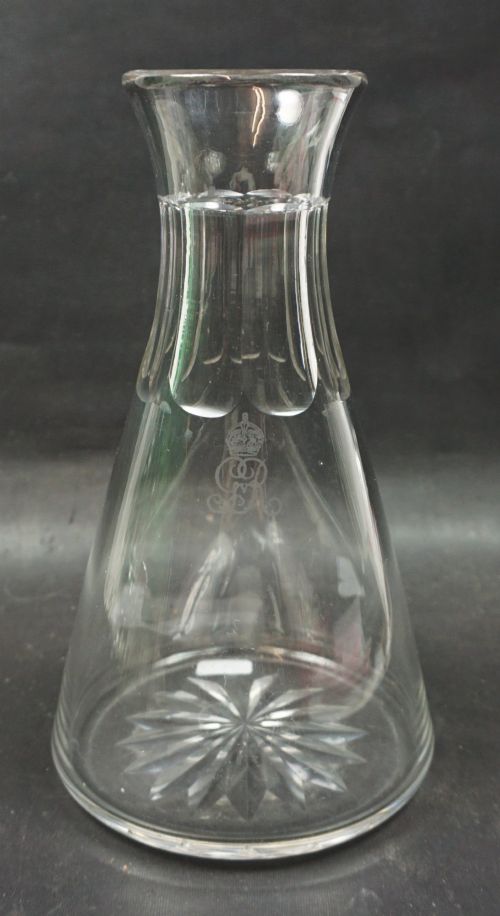
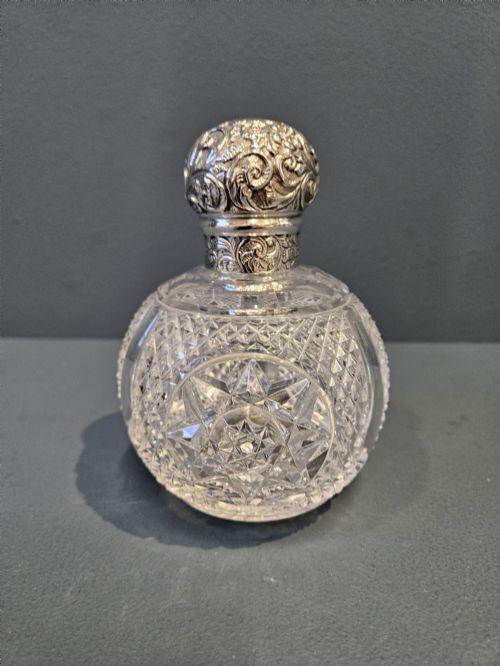
Makers produced these forms in matching sets of varying quantities, from pairs of whiskey noggins to sets of five tumblers or eight wine glasses. Alongside drinking vessels, the category broadens to include table centrepieces, carafes, and scent bottles carrying the characteristic radial cut.
Originating largely from British and French workshops across the Victorian era into the 1920s, these objects served both functional dining roles and decorative display. The surviving pieces demonstrate the persistence of deep geometric wheel-cutting on domestic crystal.
What varies in quality
The precision and depth of the wheel-cutting separate standard production wares from the finest examples. Crisp, sharp edges on the starburst facets indicate superior craftsmanship, whereas soft or shallow cuts suggest hurried execution.
The weight and clarity of the crystal itself dictate overall grade, with heavier lead content providing greater refractive sparkle. Uniformity across a matched set of glasses further elevates the standard, as hand-blown and hand-cut items naturally display slight individual variations.
Starburst Cut Glass Glasses Retail Price Guide 2026
Typical asking prices for starburst cut glass glasses among the pieces listed under this phrase on Sellingantiques today, from the lower quarter to the upper quarter. They describe what is for sale here now, not the wider market.
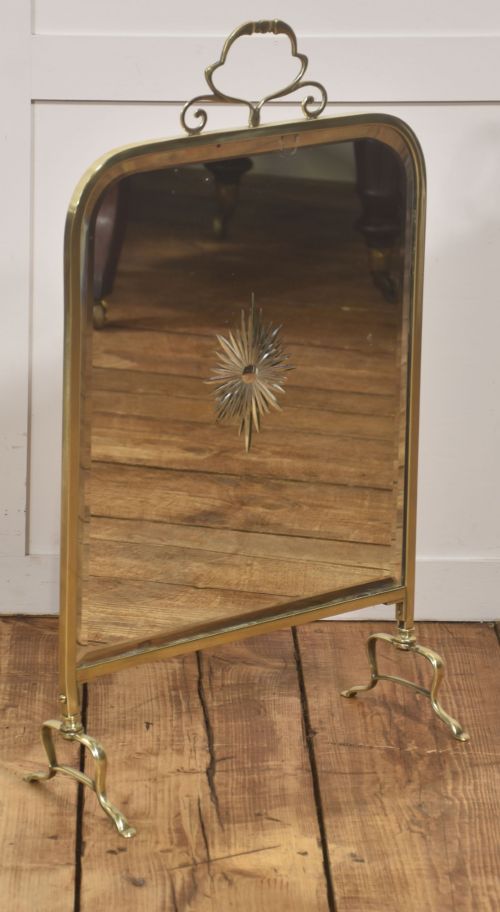
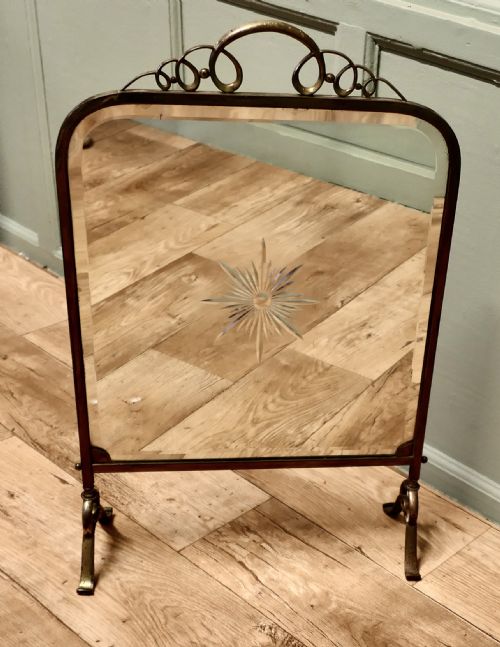
Surviving forms range from small whiskey noggins and wine glasses to large fruit bowls, table centrepieces, and mirrored fire screens.
Hukin and Heath
The Starburst Cut Glass Glasses Glossary
- Cut Glass
- Glass shaped and decorated by holding it against a rotating abrasive wheel. This technique creates deep geometric or radial incisions that refract light.
- Lead Crystal
- Glass containing a high proportion of lead oxide, which increases the weight, refractive index, and working time for the cutter. It forms the heavy base of quality glassware.
- Whiskey Noggin
- A small decanter or serving jug, often fitted with a sterling silver collar and handle. These miniature vessels typically accompany matching drinking glasses.
- Table Centrepiece
- A large decorative bowl or stand placed in the middle of a dining table. Makers formed these from heavy cut crystal to hold fruit or floral arrangements.
- Scent Bottle
- A small container designed to hold perfume, frequently fitted with a hinged silver or metal top. Examples in this category incorporate detailed cut crystal bodies.
Starburst Cut Glass Glasses: Frequently Asked Questions
How do I clean vintage cut glass?
Wash these pieces by hand in warm, soapy water using a soft cloth or brush to protect the sharp edges of the cut patterns. Avoid extreme temperature changes to prevent thermal shock to the crystal.
Dry them immediately with a lint-free cloth to maintain the refractive clarity of the glass without leaving water spots.
Can I use these glasses daily?
These historical drinking vessels suit occasional use for special dinners or quiet evenings. Hand-washing is essential because domestic dishwashers can cloud the lead crystal and chip the fine rims over time.
Store them securely on stable shelving where the glass bodies do not touch one another directly.
How do I date cut glass pieces?
Examine the weight, the style of the cutting, and any accompanying mounts like silver tops or hallmarks. Victorian and Edwardian pieces often display heavier lead crystal and deeper, sharper wheel-cuttings than later mid-century productions.
Compare the form and decorative motifs against standard tableware designs from the nineteenth century and the 1920s.