



Antique Glassware Tumbler Set
These antique glassware tumbler set pieces offer tactile service for the table, spanning Victorian gatherings to Art Deco drinks hours.
Antique Glassware Tumbler Set
When you search for an antique glassware tumbler set, you encounter matched groups of drinking vessels designed for spirits, cordials, and seasonal refreshments. These sets surface from periods including the Victorian era, the Edwardian years, and the 1930s Art Deco movement.
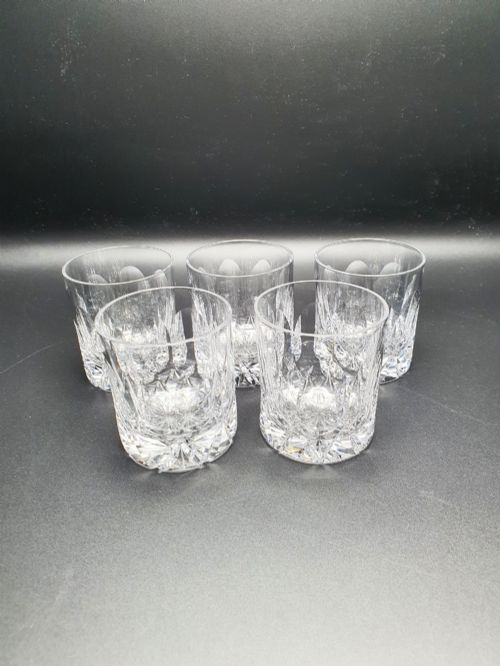
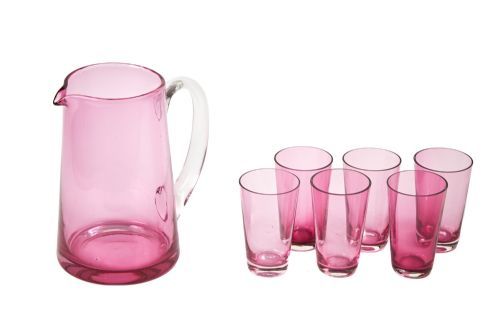
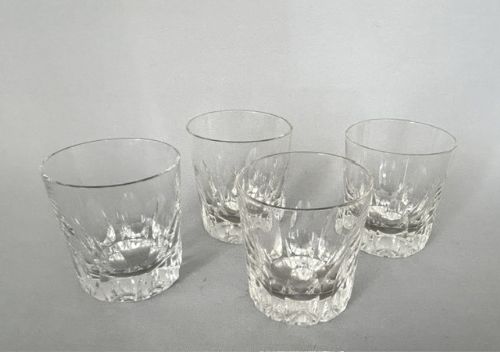
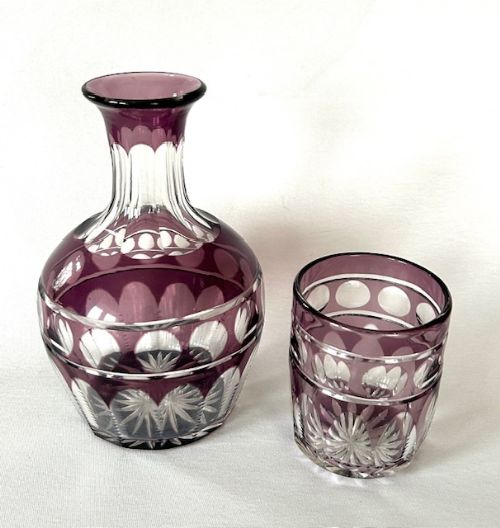
The most frequent form on this page is the whisky tumbler, often found alongside matching jugs, carafes, or larger drinks services. They span clear lead crystal, coloured cranberry glass, and amethyst tones suited to display and active use.
Origin points range from English workshops to Austrian tableware services and Czech design houses. Each group reflects the social drinking habits of its decade, from formal Victorian sideboards to mid-century cocktail hours.
How they were made
Makers shaped these sets using clear glass, heavy crystal, and specialised lead glass that allowed deep facet cutting and sharp optical refraction. Artisans applied wheel-cutting techniques to achieve the heavy prismatic patterns seen on Edwardian and Victorian whisky tumblers.
Colour was introduced directly into the melt or via layered techniques, producing distinct cranberry and amethyst glass vessels. Etched glass decoration and enamel details further ornamented the surfaces of specific cordial and garden party services.
Antique Glassware Tumbler Set Retail Price Guide 2026
Typical asking prices for glassware tumbler set among the pieces listed under this phrase on Sellingantiques today, from the lower quarter to the upper quarter. They describe what is for sale here now, not the wider market.
Garden parties of the past required specialised tableware sets just to keep the outdoor lemonade safe from wasps.
What varies in quality
Quality rests on the depth and precision of the cutting, where crisp facets reflect light cleanly compared to softer, more rounded mouldings. Weight also dictates the feel in the hand, particularly in heavy crystal whisky sets from the early twentieth century.
The integrity of a matched set preserves its desirability, especially when tumbler counts remain complete alongside original matching jugs or carafes. Consistency in wall thickness and the absence of distortion in blown coloured glass signal finer workshop output.
The Antique Glassware Tumbler Set Glossary
- Tumbler
- A flat-bottomed drinking glass without a stem or handle. These vessels rely on balanced weight and comfortable proportions for everyday service.
- Lead glass
- Glass containing metallic oxide that increases brilliance and weight. This composition permits sharper wheel-cutting.
- Cranberry glass
- Transparent red glass produced by adding gold chloride to the molten batch. It gained popularity during the nineteenth century.
- Cordial glass
- A small stemmed vessel designed for sweet liqueurs after dinner. These pieces often feature delicate etching or enamel work.
- Decanter set
- A matched assembly comprising a stoppered bottle and drinking vessels. They were used for serving spirits in dining and drawing rooms.
Antique Glassware Tumbler Set: Frequently Asked Questions
What is an antique tumbler set?
An antique tumbler set comprises multiple matching drinking vessels intended for serving spirits or water at the table. They survive from various periods of production, including Victorian and Art Deco eras.
These collections frequently include auxiliary items such as matching carafes, jugs, or decanters to form a cohesive drinks service for entertaining guests.
How do I date an old glass set?
Dating relies on stylistic clues like the geometric motifs of 1930s Art Deco or the heavy facet cutting typical of Edwardian crystal. Form and colour choices also point toward specific decades of manufacture.
Material composition, such as lead content and manufacturing traits like pontil marks, helps narrow down the period of production for older Victorian pieces.
How were these sets used?
These sets served whisky, cordials, and summer refreshments during formal dinners and social gatherings. Victorian households utilised them for after-dinner drinks and garden parties.
Later sets from the Art Deco period catered to the rise of cocktail culture, displayed on sideboards and used for entertaining in the home.
Can I use antique tumblers daily?
Many people enjoy using antique glassware for everyday dining, provided they handle the pieces with care. Hand washing is essential to preserve lead crystal and delicate enamel work.
Avoid thermal shock by keeping hot liquids away from older glass vessels to maintain their structural integrity over time.