

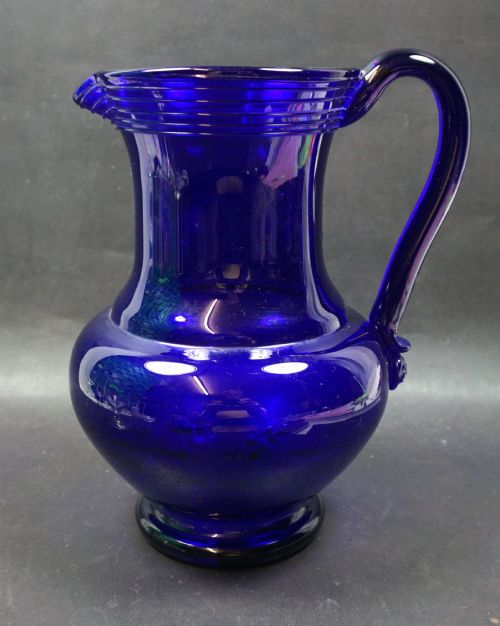
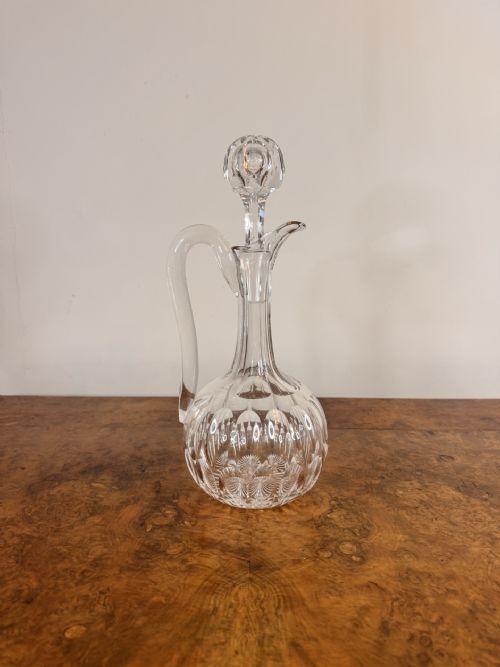
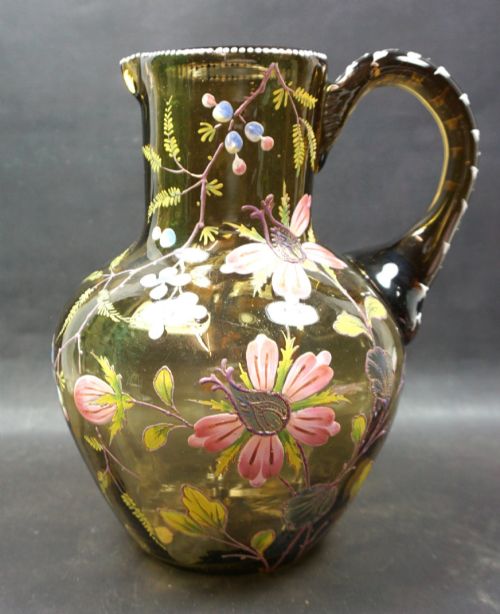
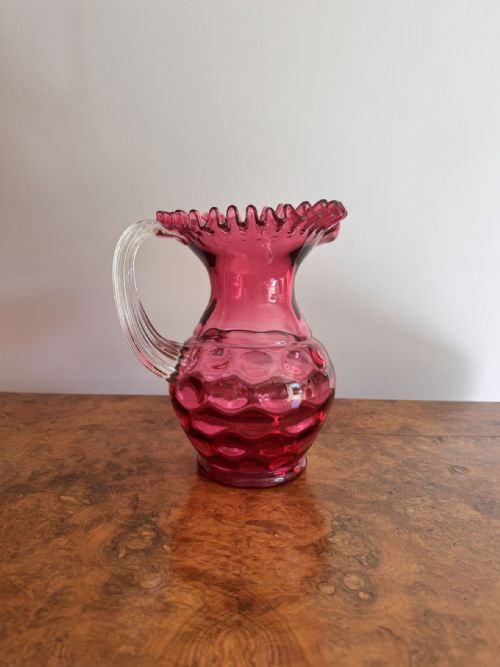
Antique Glass Water Glasses
These antique glass water glasses and matching jugs combine practical service with brilliant craftsmanship across the Victorian, Edwardian and Georgian eras.
Antique Glass Water Glasses
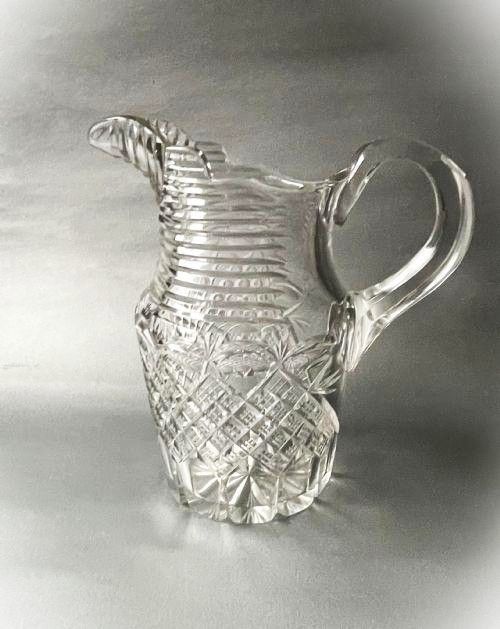
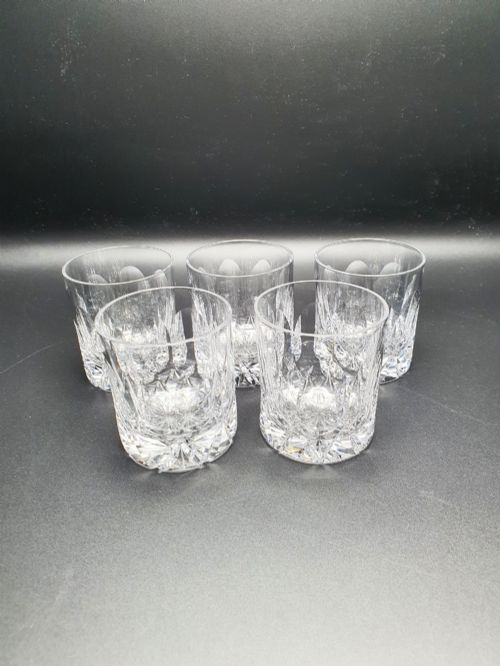
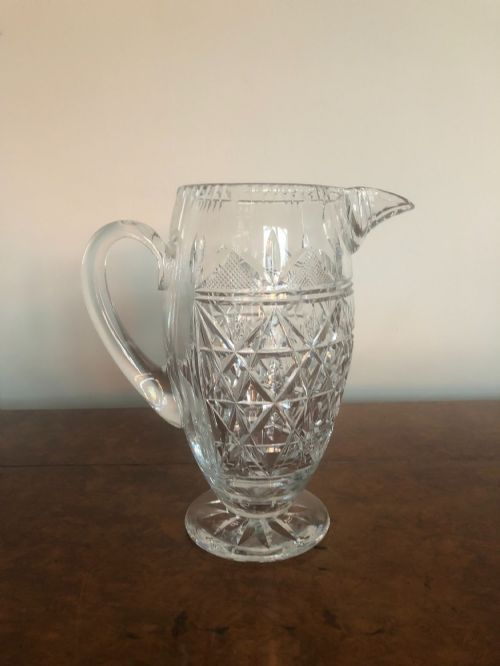
When you search for antique glass water glasses, you encounter a range of drinking vessels, tumblers and sets originating from the nineteenth and early twentieth centuries. These pieces encompass table glass designed for daily use as well as decorative ewers and carafes intended for formal dining.
Victorian and Edwardian examples predominate, often appearing alongside Georgian carafes and Art Deco drinking services. Buyers find individual tumblers as well as extensive suites equipped with matching pitchers.
Assessing quality in historical glassware
Quality rests upon the clarity of the metal, the precision of the facet cutting and the balance of the vessel in the hand. Heavy lead crystal displays sharper refraction and superior weight compared to simpler utility glass.
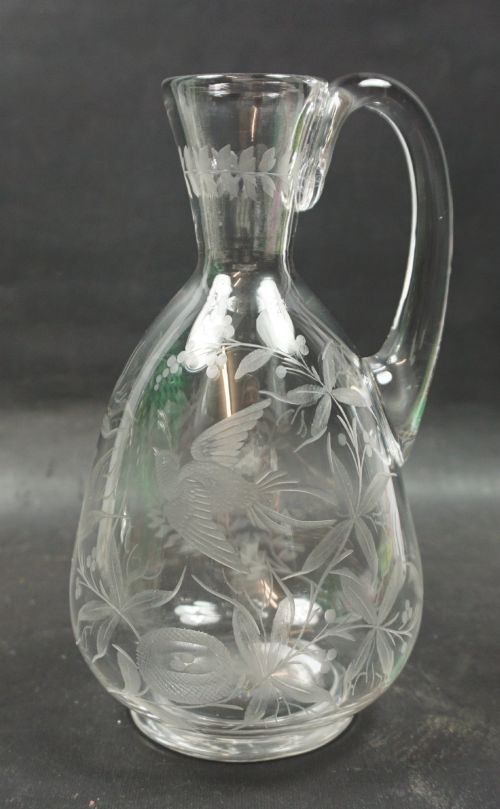
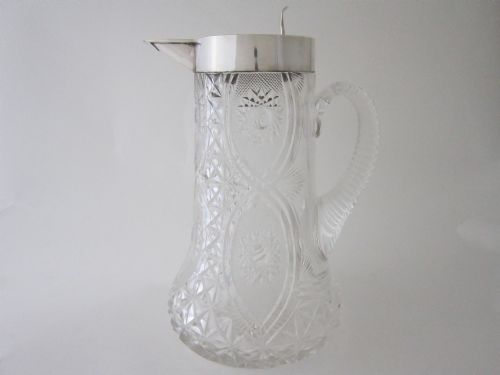
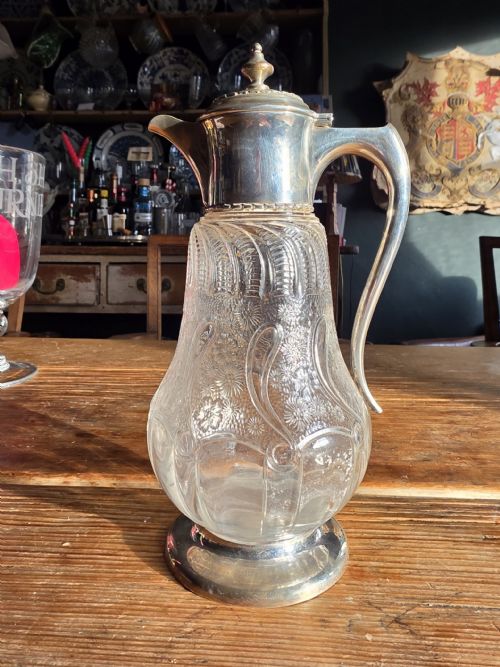
The finesse of surface decoration dictates the standing of a piece, separating standard production from skilled artisan work. Hand-engraved motifs and careful silver mounting elevate the status of a jug or tumbler significantly.
Antique Glass Water Glasses Retail Price Guide 2026
Typical asking prices for glass water glasses among the pieces listed under this phrase on Sellingantiques today, from the lower quarter to the upper quarter. They describe what is for sale here now, not the wider market.
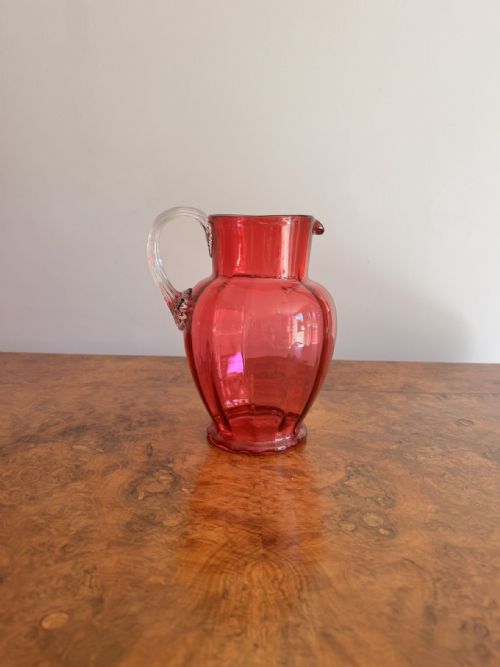
The listings show table glass spanning the Georgian, Victorian, Edwardian and Art Deco periods in clear, cranberry and green glass.
Stevens and Williams·R Lalique·Webb Corbett·Richardsons Birmingham·Mappin and Webb·Elkington and Co·Tiffany
The Antique Glass Water Glasses Glossary
- Lead crystal
- Glass containing lead oxide, which increases weight, brilliance and refractive index. This material allows for deep, sharp wheel-cutting.
- Ewer
- A large jug with a wide spout and a looped handle, traditionally used for holding and pouring water. Victorian examples frequently feature elaborate glass trails or metal mounts.
- Caraf
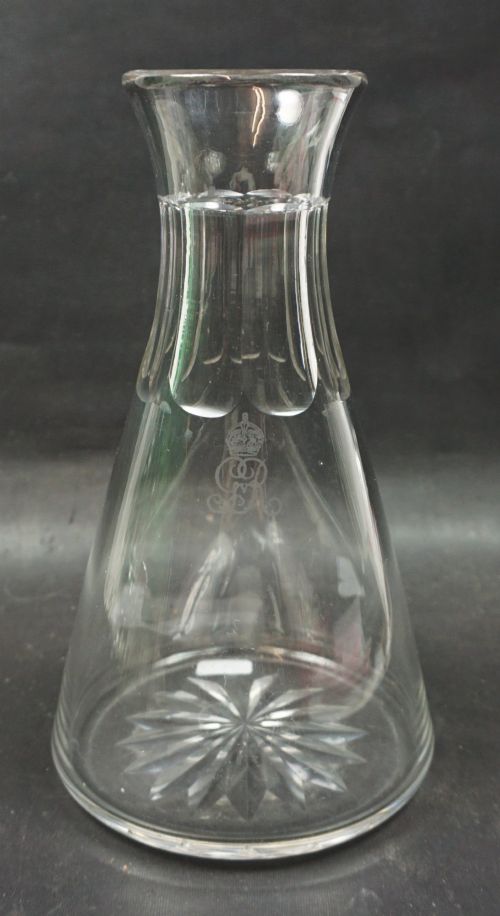
- An open-topped glass bottle used for serving water or wine at the table. Georgian and Victorian carafes often incorporate neck rings for a secure grip.
- Latticinio
- A decorative glass technique utilising opaque white or coloured glass threads embedded within clear glass. This method creates delicate ribbon or lace patterns.
- Overshot glass
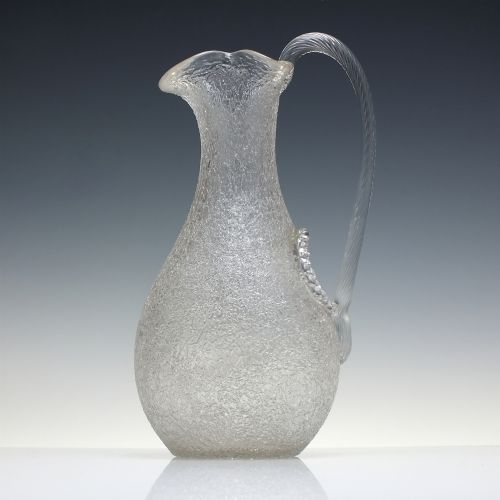
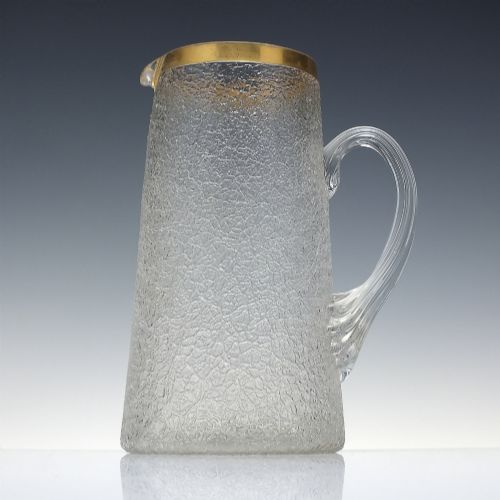
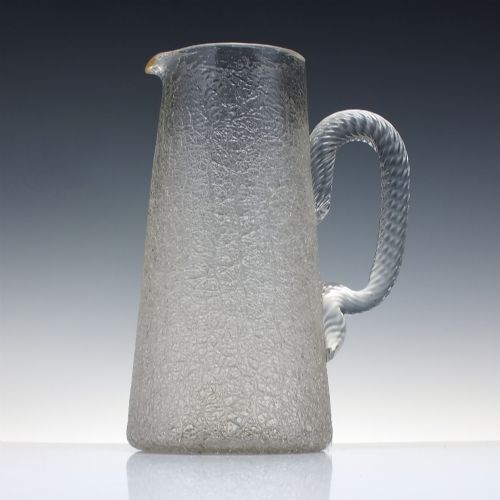
- A technique where fine glass threads are fused onto the surface of a blown vessel to create a textured, frosty finish.
Antique Glass Water Glasses: Frequently Asked Questions
Are these glasses safe for daily use?
Most antique glass water glasses remain sturdy enough for regular dining and entertaining. Lead crystal is durable, though heavy pieces require careful handling.
Inspect each vessel for chips or hairline cracks before serving beverages to guests.
How do I distinguish Georgian from Victorian glass?
Georgian glass often exhibits pontil marks on the base and a heavier, more subdued metal structure. Proportions tend to follow classical architectural lines.
Victorian glass introduces vibrant colours like cranberry and green, alongside more mechanised cutting and applied enamel decoration.
What is the difference between a carafe and a jug?
A carafe is typically a bottle-like container without a handle, designed for serving water or wine directly to the table. Jugs feature an integrated handle and a shaped pouring spout.
Both forms appear frequently in historical table settings alongside matching tumblers.