
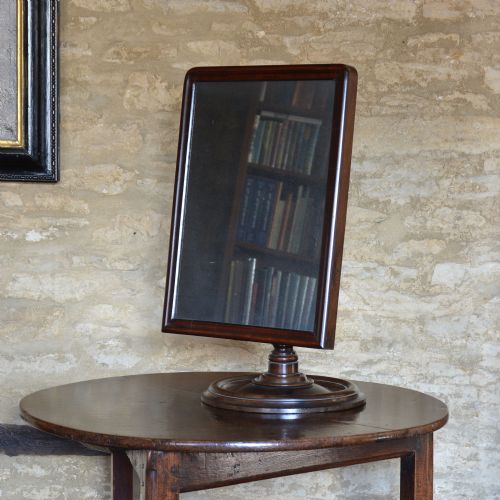
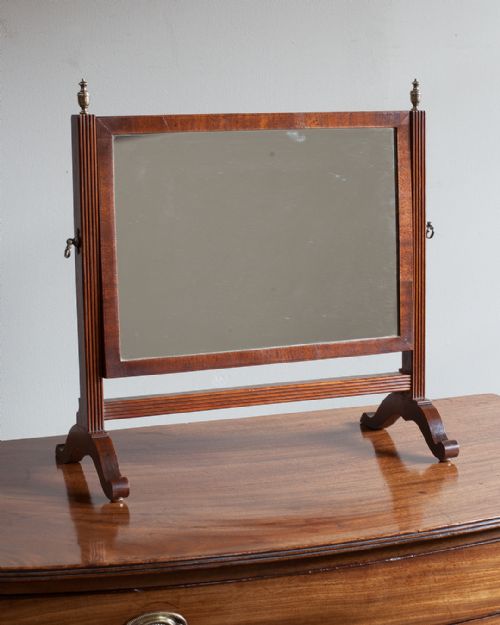
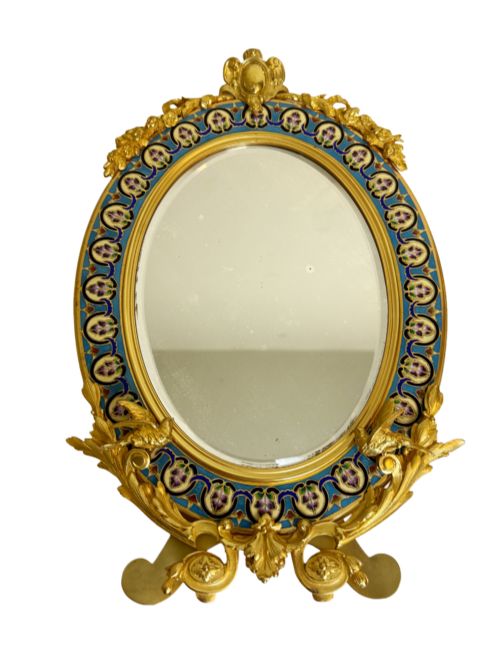
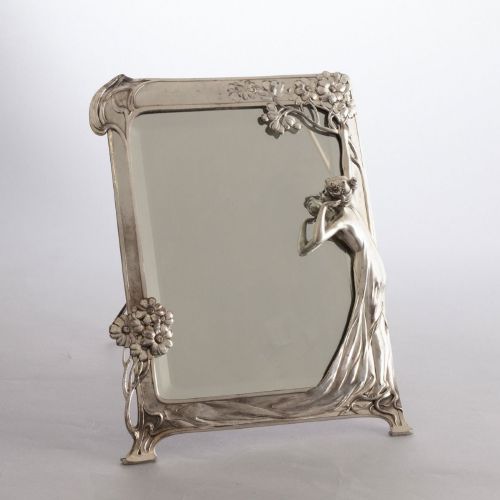
Standing Vanity Table Mirror
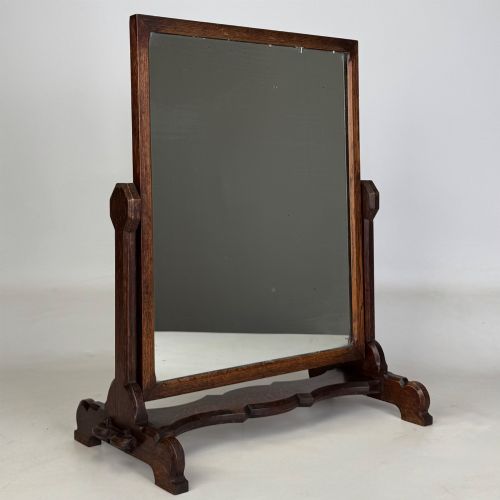
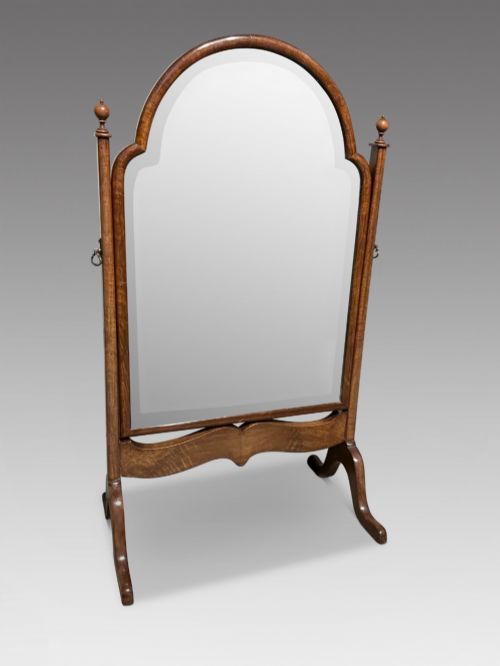
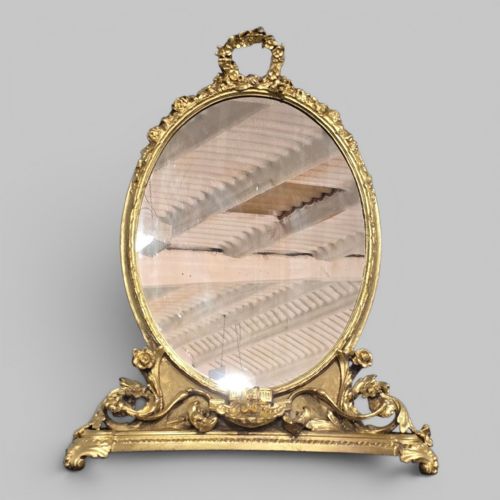
Standing vanity table mirror designs bring practical elegance to a room, offering adjustable glass for daily grooming set within frames of timber or cast metal.
Standing Vanity Table Mirror
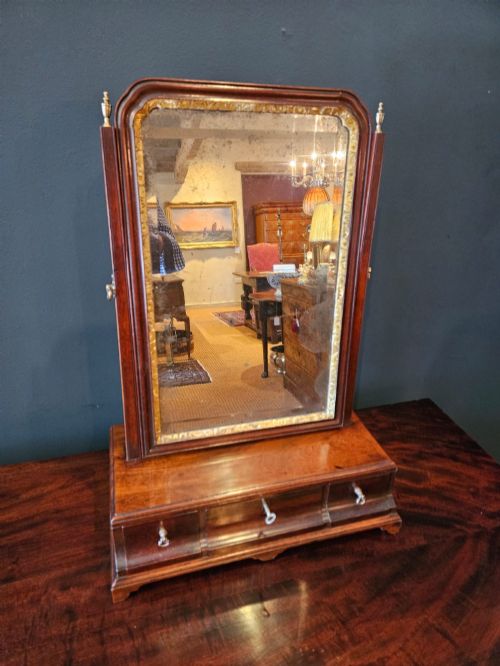
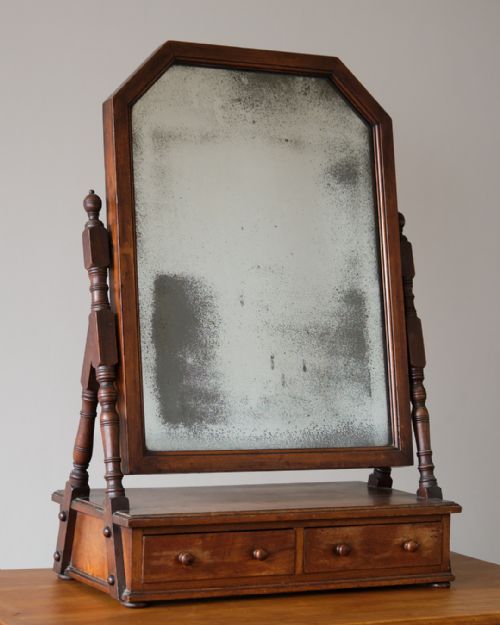
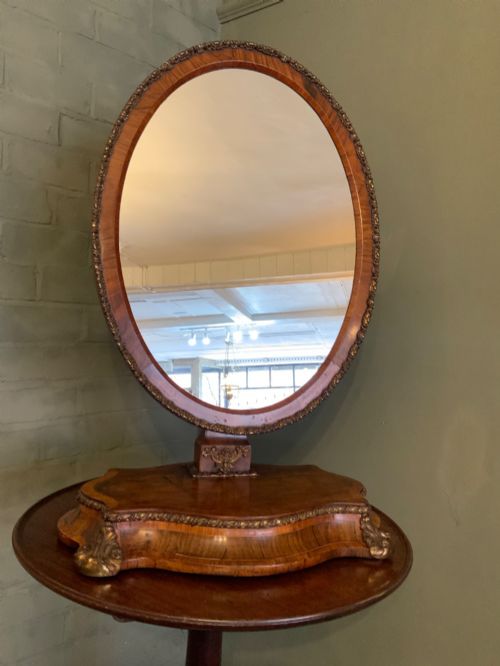
A standing vanity table mirror sits upon a chest, desk or dressing table to reflect the user at close quarters, often featuring a swing frame mounted on upright supports. When you search for a standing vanity table mirror, you encounter pieces spanning from the 18th century through the Edwardian era and into the early 20th century.
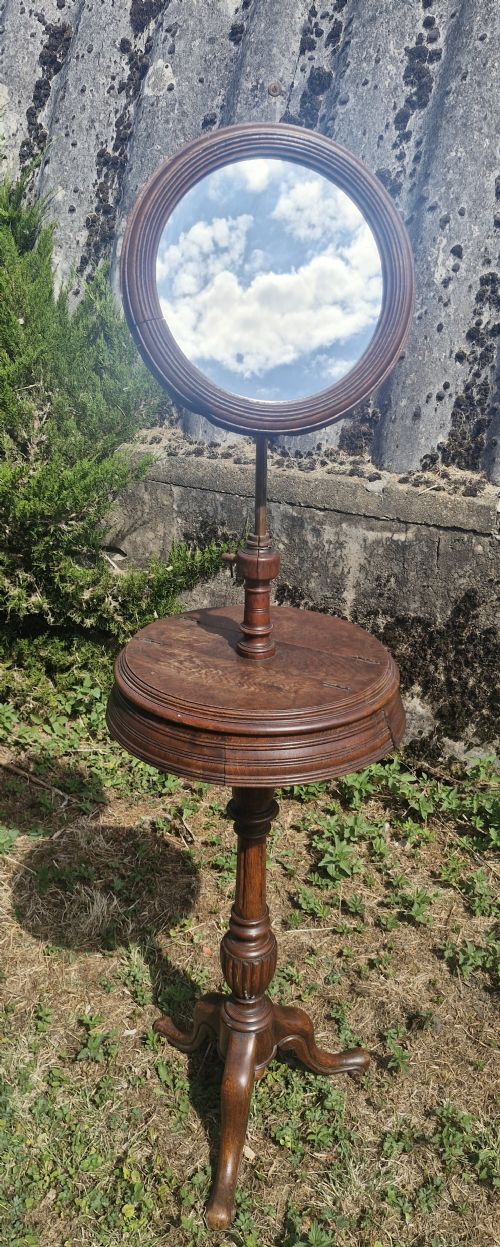
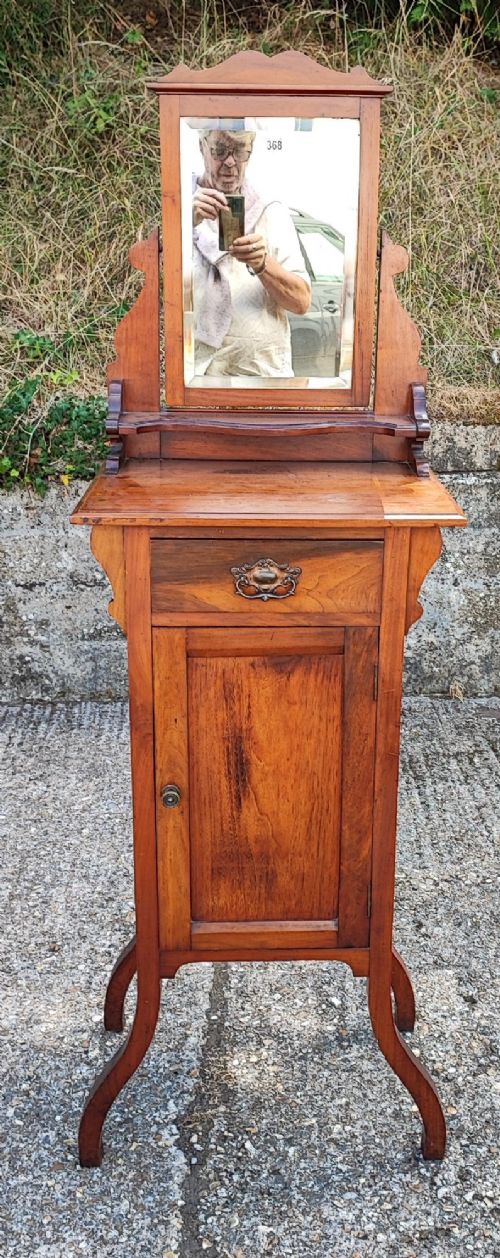
The objects take various designations in historical records, including toilet mirrors, dressing mirrors, swing mirrors and shaving stands. Most examples found here date from the Victorian and Edwardian periods, alongside Georgian iterations and earlier 18th-century forms.
Distinctions in Execution and Finish
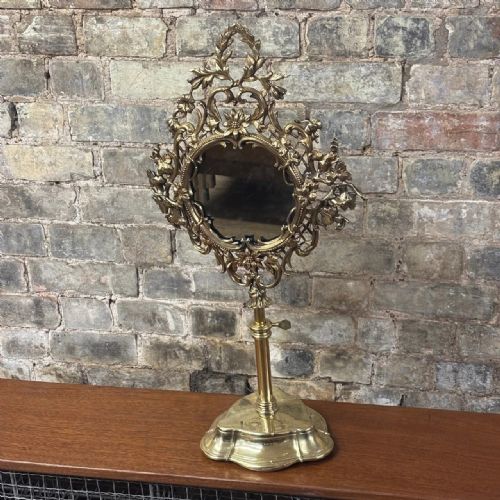
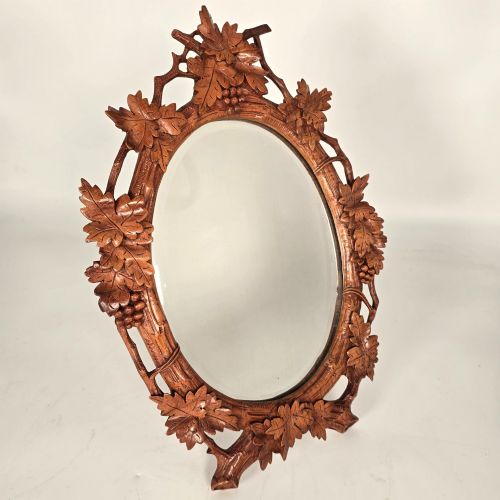
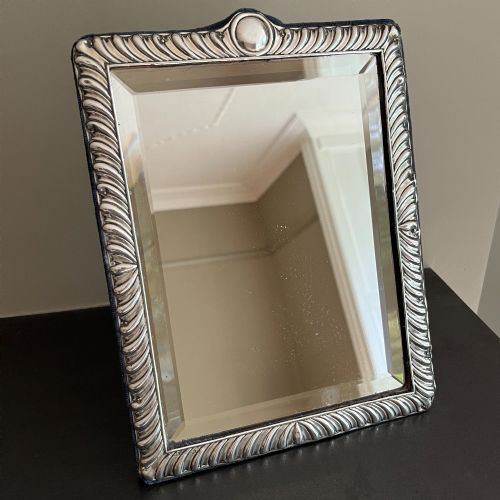
The refinement of the carving, the weight and purity of the cast metal, and the selection of figured wood veneers dictate the standing of an individual piece. Superior examples display crisp chasing on brass and bronze frames, intricate pierced silver work, or finely detailed hand-carved lime wood.
Mechanical elements such as adjustable swing pivots, telescopic stems and brass screw fittings reveal the care taken by the maker. The clarity and bevelling of the mirror glass itself further separate standard utility pieces from finer salon or chamber accessories.
The inventory spans multiple centuries, with pieces originating from Georgian cabinet makers through to 1920s French workshops.
Heal & Sons·Thomas Rubergall·WMF
The Standing Vanity Table Mirror Glossary
- Swing mirror
- A glass plate suspended within a frame on horizontal pivots, allowing the angle of reflection to be adjusted. This mechanism is central to most dressing and toilet mirrors.
- Toilet mirror
- A historical term for a small dressing mirror designed to sit on a tabletop or toilet table, often incorporating small drawers in its base.
- Champlevé
- An enamelling technique where troughs are dug into a metal surface and filled with vitreous enamel before firing. It appears on late 19th-century brass and bronze frames.
- Shaving stand
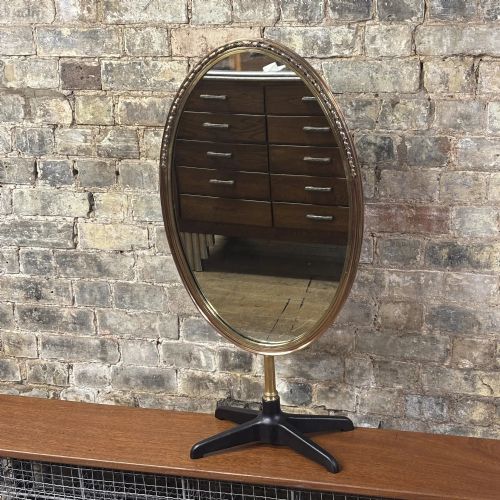
- A specialised adjustable mirror or stand designed for grooming, sometimes featuring tripod bases or telescopic columns.
- Strut mirror
- A looking glass supported by a hinged prop or leg at the rear, allowing it to stand independently on a flat surface.
Standing Vanity Table Mirror: Frequently Asked Questions
What is the difference between a toilet mirror and a dressing mirror?
Toilet mirrors historically refer to smaller tabletop looking glasses, often equipped with a small box base containing tiny drawers for cosmetics or trinkets.
Dressing mirrors encompass a broader category that includes larger swing frames designed for dressing tables and washstands.
How do adjustable shaving stands work?
Adjustable shaving stands utilise mechanical columns, tripod bases or pivoting arms to raise, lower or tilt the mirror surface for the user.
These pieces were constructed to accommodate a gentleman standing during morning grooming routines.
Where were table mirrors placed historically?
These mirrors sat primarily on top of chests of drawers, dedicated dressing tables or washstands in bedrooms and dressing rooms.
Because they were portable, owners moved them to catch the best natural light near windows.
How can I identify an Edwardian brass mirror?
Edwardian brass mirrors frequently display repoussé decoration, floral motifs or Louis-style revival casting popular around the turn of the 20th century.
They often feature easel backs or sturdy cast frames designed for domestic chambers.