


Southeast Asian Carving
Southeast Asian carving comprises traditional wooden figures, temple furniture and ritual objects crafted across the region during past centuries.

Southeast Asian Carving
Southeast Asian carving encompasses a diverse range of regional objects, including Buddha statues, temple furniture, ritual figures, and decorative panels. Buyers pursuing this category encounter distinct forms shaped by Burmese, Balinese, Khmer, and Thai traditions.
The material record spans from traditional wooden sculptures and teak architectural elements to terracotta statues, marble figures, and metalwork bowls. Pieces frequently originate from the nineteenth century, alongside examples from earlier periods and the early twentieth century.
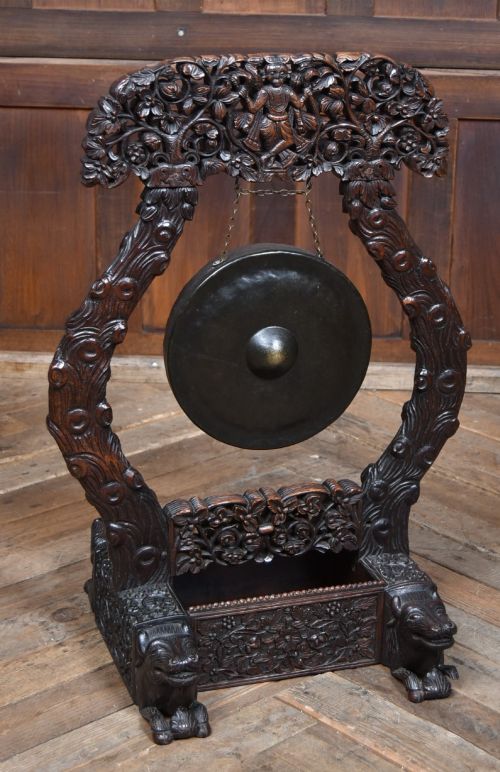
Common functional items sitting alongside sculptural works include tables, chairs, gongs, and framed artwork. These domestic and ritual objects demonstrate the broad application of traditional carving skills across different cultural contexts.
Materials and Construction
Artisans utilised dense regional woods such as teak and various hardwoods to form statues, furniture, and decorative panels. These stable timbers allowed for deep undercutting and intricate detailing without splitting over time.
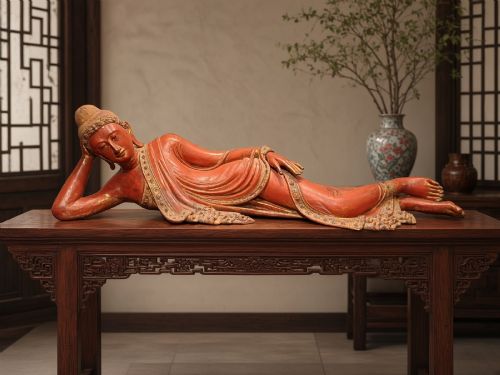
Many wooden and sculptural pieces received decorative finishes including gold leaf application, polychrome paint, or lacquer layers. Glass inlay elements also appear on select items, adding reflective surface detail to traditional forms.
Listings feature items from the 18th, 19th, and early 20th centuries, alongside pre-16th century stone carvings.
Evaluating Quality and Detail
The preservation of original surface treatments, such as applied gold leaf, polychrome pigments, and lacquer, significantly influences the integrity of a piece. Examples retaining their initial decorative schemes demonstrate greater material authenticity.
The Southeast Asian Carving Glossary
- Gold leaf
- Extremely thin sheets of beaten gold applied to wooden or sculptural surfaces for decorative enrichment. This technique highlights focal details on statues and temple furnishings.
- Terracotta
- Fired clay used for sculptural figures and architectural elements. This porous medium allows for modelled relief work produced in regional traditions.
- Teak
- A durable tropical hardwood selected for furniture and architectural carvings due to its resistance to decay. Its density supports fine chisel work.
- Lacquer
- A protective and decorative coating derived from tree sap, built up in multiple layers on wooden objects. It provides a smooth, durable finish often found on tables and screens.
- Polychrome
- The practice of decorating sculptural surfaces with multiple colours of paint. This treatment brings dimension and realism to figurative carvings.
Southeast Asian Carving: Frequently Asked Questions
How do I date an antique carving?
Dating relies upon stylistic markers, tool marks, and the natural ageing of materials such as wood, terracotta, or stone. Examining the specific regional school helps narrow down the period of production.
Secondary indicators include the wear patterns on surfaces and the composition of applied finishes like lacquer or gold leaf. Comparing pieces against documented temple and domestic styles provides further chronological context.
How should I care for wooden carvings?
Wooden and lacquered objects require stable indoor humidity levels and protection from direct sunlight to prevent drying and cracking. Gentle dusting with a dry, soft cloth maintains the surface without introducing moisture.
Avoid applying modern polishes or oils, as these can interact poorly with historic lacquers, paints, and gilt surfaces. Maintaining consistent environmental conditions is the primary method for preserving organic materials.
What is the difference between Burmese and Balinese pieces?
Burmese carvings frequently feature intricate religious iconography, including Buddha statues, temple furniture, and nats executed in wood, marble, or lacquered finishes. Mandalay period works show distinct regional stylistic traits.
Balinese pieces often reflect vibrant cultural narratives, depicting dancers, musicians, and mythological figures in painted wood or stone. The artistic focus leans towards expressive theatrical subjects and traditional island motifs.
Where were these carved objects originally displayed?
Many sculptural figures and gilded elements originated inside Buddhist temples, shrines, and monastic settings as objects of devotion. Statues and architectural panels served to sanctify sacred spaces.
Other items, such as chairs, tables, and decorative bowls, functioned within domestic interiors or administrative buildings. Their construction combined practical utility with traditional artistic expression.