




Hand Carved Wood Panel
A hand carved wood panel brings rich texture and centuries of craftsmanship to a room, offering sculptural depth that flat wall art simply cannot match.
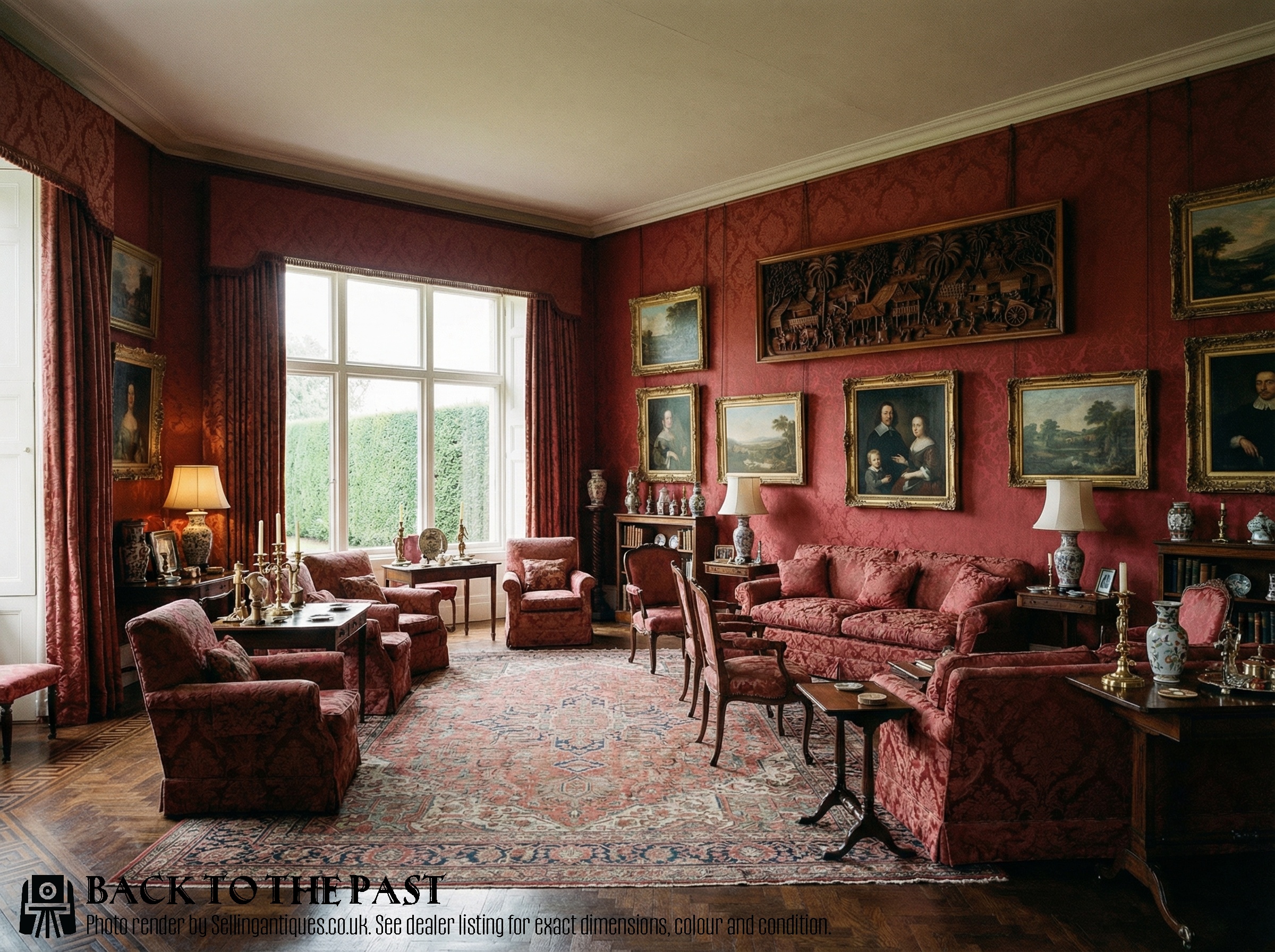
Hand Carved Wood Panel
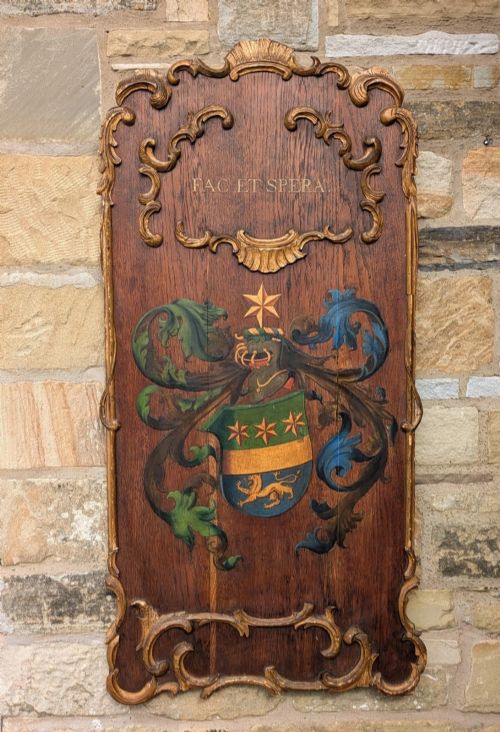
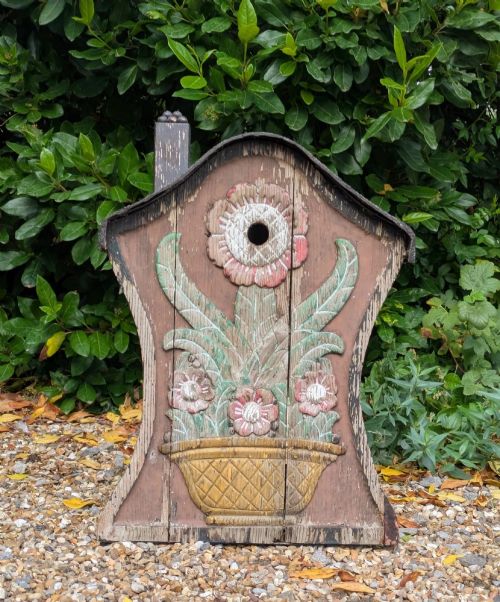
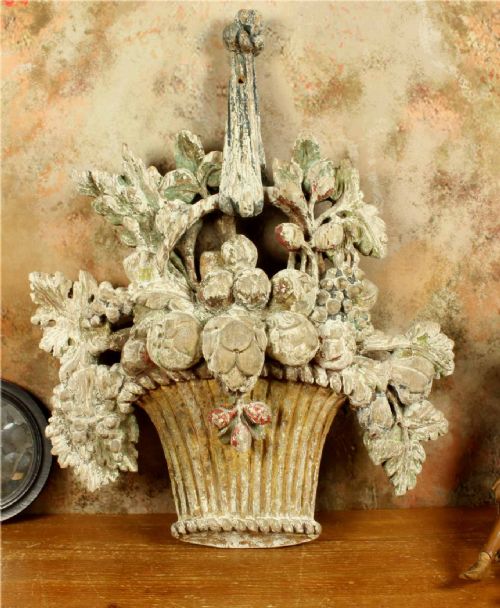
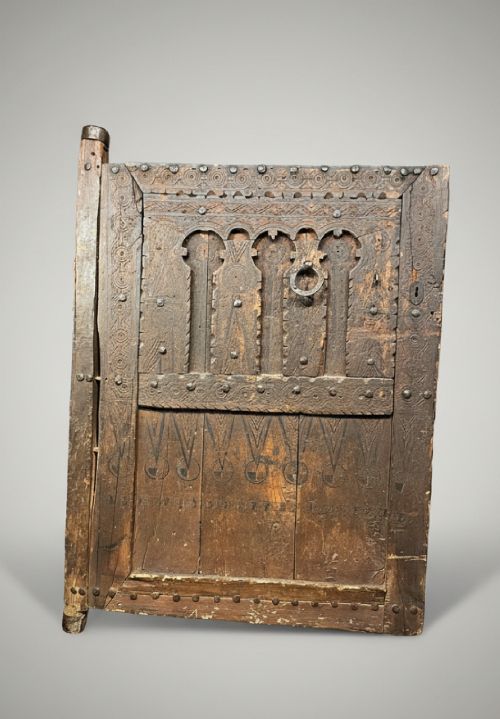
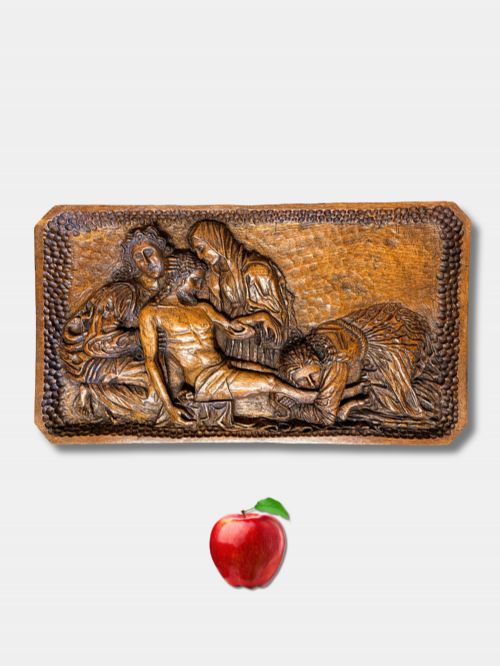
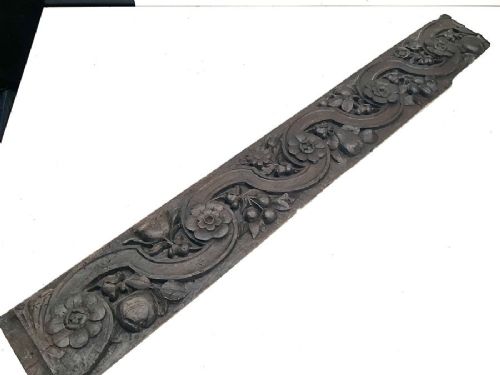
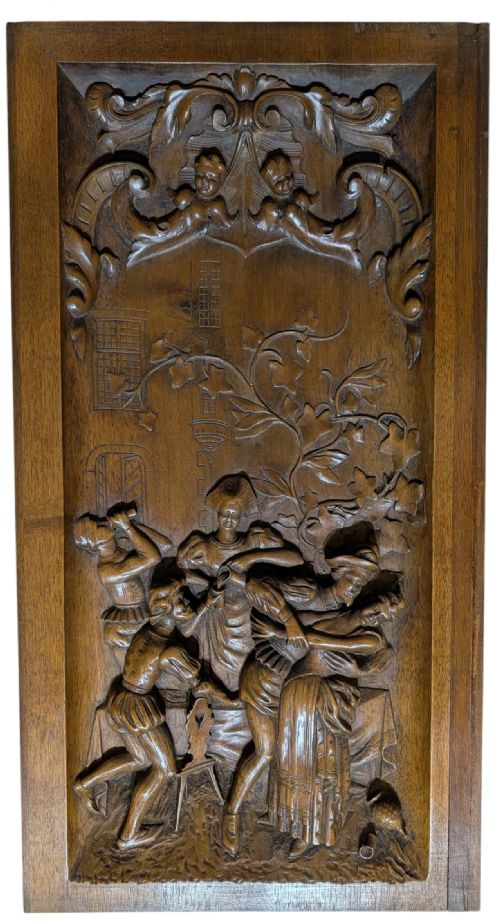
A hand carved wood panel is a sculptural architectural element or decorative object created to adorn walls, furniture, or rooms. When you search for this phrase, you encounter architectural salvage, wall plaques, friezes, and folding screens spanning several centuries.
The versions most commonly met on this page include 19th-century oak panels featuring traditional motifs like linenfold or figural scenes, alongside intricate Asian items such as Chinese temple carvings and Indian hardwood pieces. European pieces from the 17th and 18th centuries also appear, often salvaged from domestic interiors or furniture.
Formats range from single wall art reliefs and ceiling roses to pairs of large doors and multi-fold screens. Their origins stretch from Britain and France to China, India, and Burma, reflecting diverse regional carving traditions.
How they were made
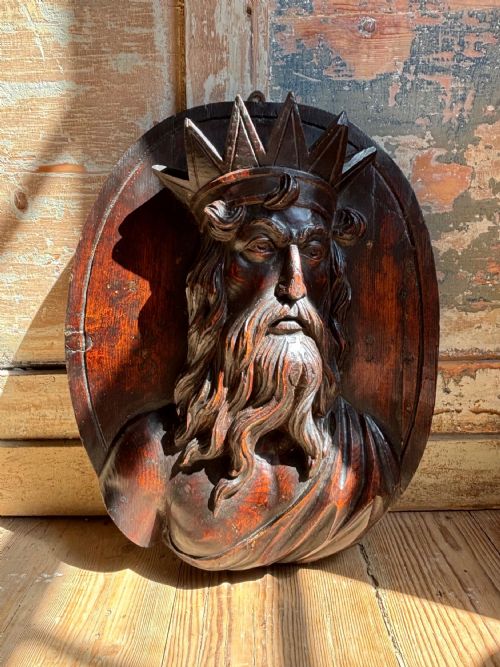
Carvers utilised dense timbers such as oak, walnut, chestnut, limewood, and teak, allowing for both crisp shallow incisions and deep, dramatic relief work. Artisans worked these materials using specialised gouges and chisels to build complex pictorial depth directly into the solid grain.
Surface treatments vary according to origin and period, with many items retaining their natural timber patination while others display applied paint, gilding, or black lacquer. Folding screens and panels frequently incorporate fretwork or integrated painted elements alongside the primary wood carving.
Listings feature items spanning the 17th, 18th, and 19th centuries, alongside 1880, 1890, 1900, 1910, 1920, 1930, and 1950 pieces.
What varies in quality
Quality rests primarily in the crispness and anatomical understanding of the carving itself, where top-tier examples exhibit fluid movement, confident undercut relief, and fine detailing in facial expressions or foliage. Lesser items rely on repetitive, shallow stamping or mechanical simplification that flattens the visual impact.
The integrity of the timber and the preservation of the original surface patination also divide ordinary examples from exceptional ones. Panels that retain their original architectural context, unpainted surfaces, or authentic historical pigment show a higher degree of material honesty.
The Hand Carved Wood Panel Glossary
- Relief
- A sculptural technique where figures or patterns project from the background plane. High relief projects significantly, creating strong shadows and a three-dimensional effect.
- Linenfold
- A style of wood panel carving that imitates folded linen cloth. It was particularly popular in Tudor and Gothic interior architecture.
- Frieze
- A long, narrow band of sculpture or decoration adorning a wall, cabinet, or architectural entablature. It often depicts narrative scenes or repeating decorative motifs.
- Ceiling rose
- A circular decorative moulding fixed to the ceiling from which a chandelier or pendant light is suspended. Carved wooden examples serve as focal points on timber-lined ceilings.
- Fretwork
- Ornamental design created by perforating wood with a piercing saw or chisel. This technique produces delicate openwork patterns often seen on screens and room dividers.
Hand Carved Wood Panel: Frequently Asked Questions
How should I clean antique carved wood?
Dust the carvings gently using a soft, dry brush or a microfibre cloth to reach into the recessed areas without disturbing the grain. Avoid using water, domestic sprays, or harsh chemical cleaners which can strip historical wax and dry out the timber.
Occasional application of microcrystalline wax helps protect bare wood surfaces and maintains the natural lustre of the patina. Consult a professional restorer if the piece exhibits flaking paint or fragile gesso.
Can I use room dividers as permanent walls?
Folding screens and room dividers function best as flexible partitions to define zones within a larger space rather than load-bearing walls. They offer a decorative method to section off areas while allowing light through open fretwork or carved panels.
Position them on level flooring to prevent structural strain on the hinges and joints. Ensure freestanding screens are angled slightly for stability if they lack wall anchoring.
How do I tell oak periods apart?
Earlier pieces from the 17th century often display heavy hand-split construction marks, pegged joints, and deep, robust motifs like linenfold or geometric strapwork. The grain tends to show the distinct medullary rays typical of quarter-sawn English oak.
19th-century revival pieces often exhibit more uniform machine preparation alongside softer, shallower carving techniques. Examining the back of the panel usually reveals tool marks characteristic of the period's workshop practices.