
Brown Teak Carving
Brown teak carving brings deep colonial and traditional forms into a room, offering dense floral relief and structural timber.
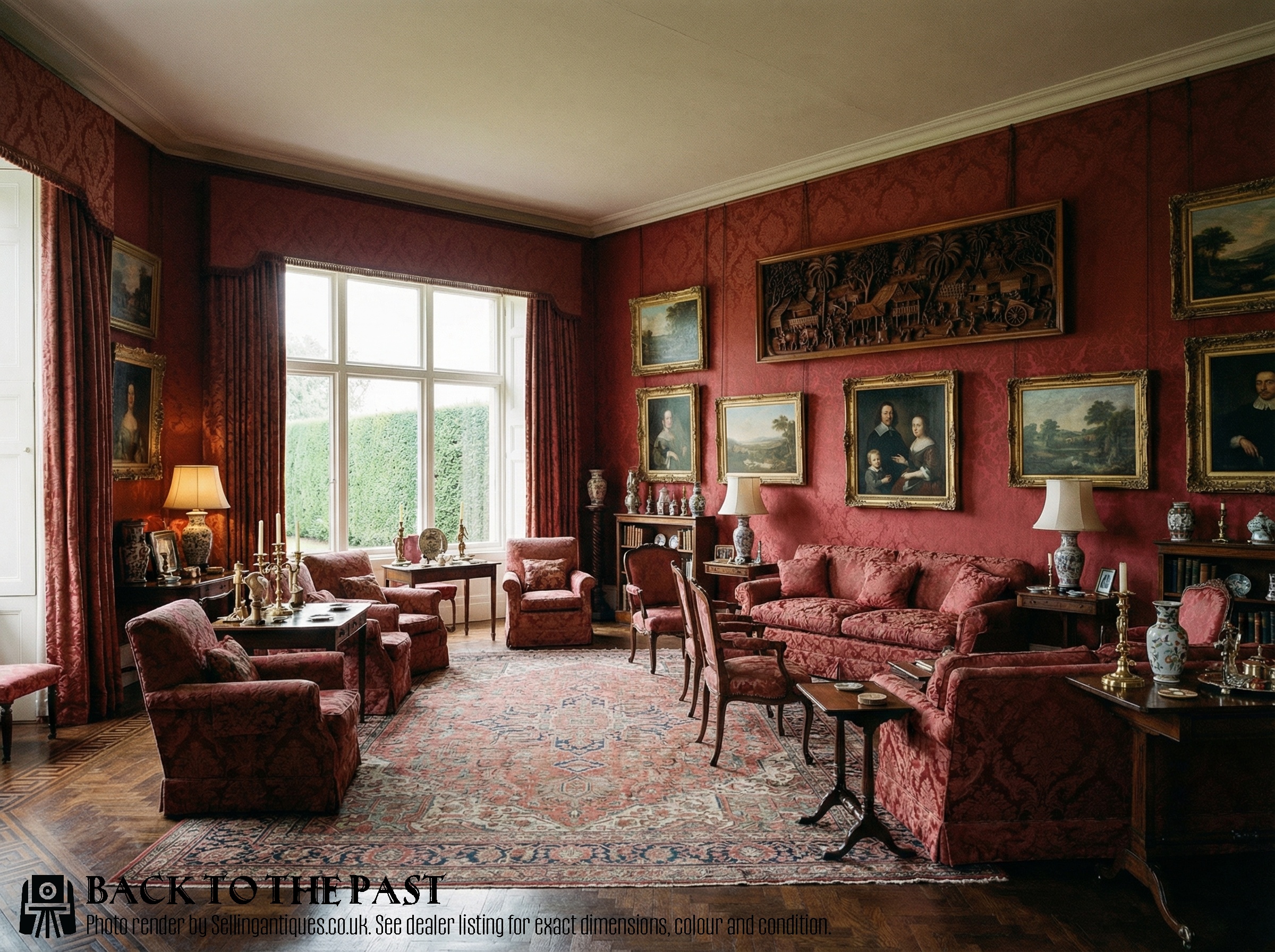
Brown Teak Carving
Brown teak carving encompasses a wide range of furniture and decorative objects originating from nineteenth and early twentieth-century workshops across India, Burma, and Ceylon. Buyers search this phrase to find functional items and panels adorned with intricate hand-chiselled ornamentation.
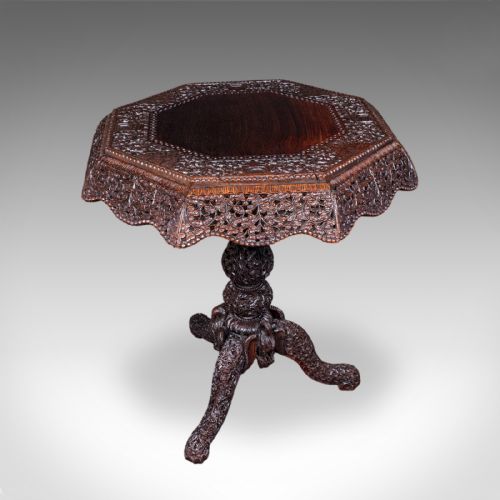
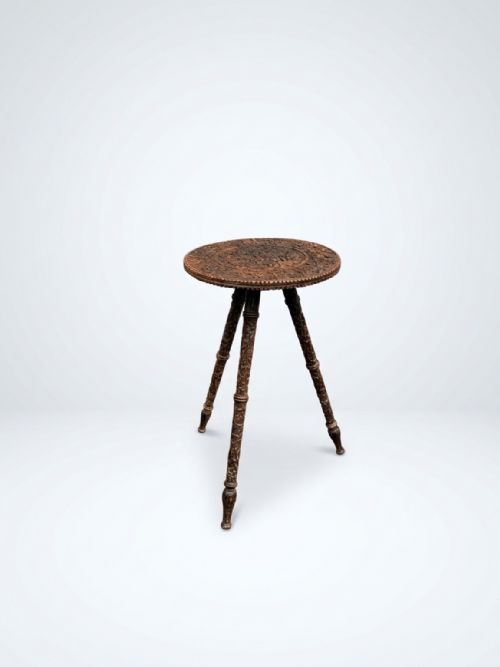
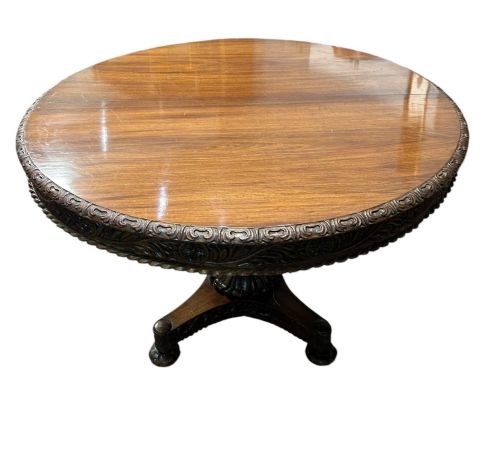
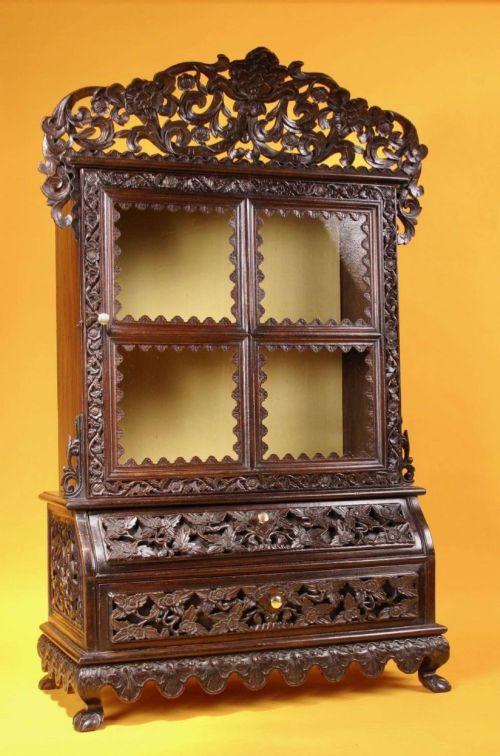
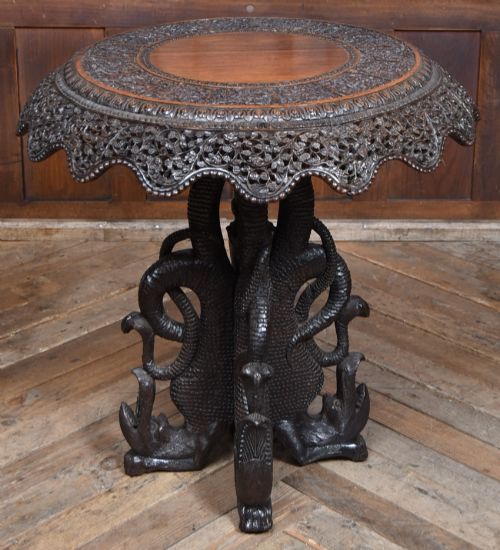
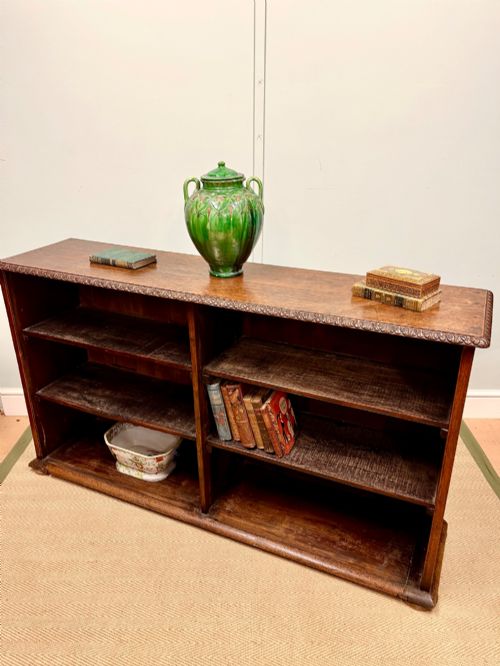
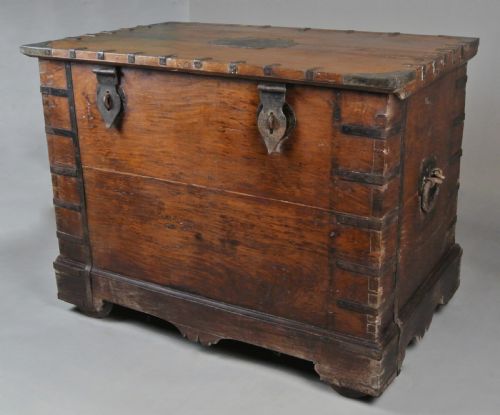
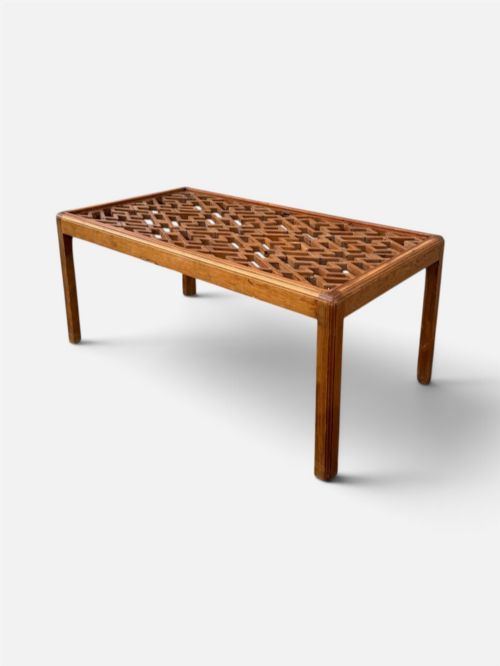
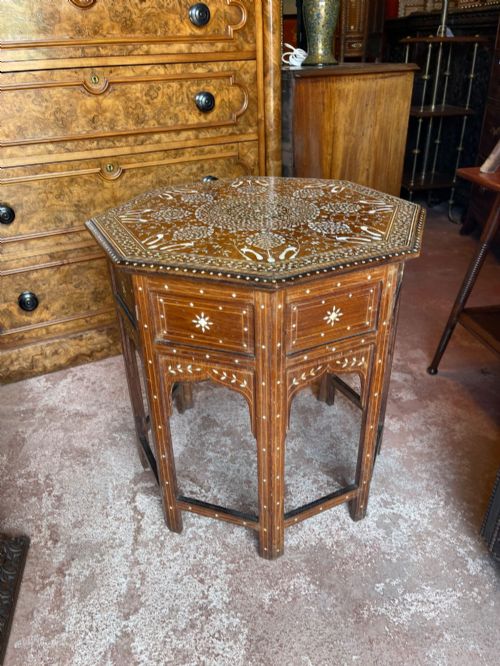
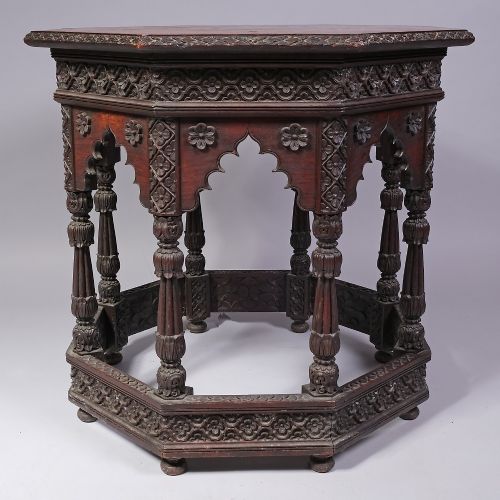
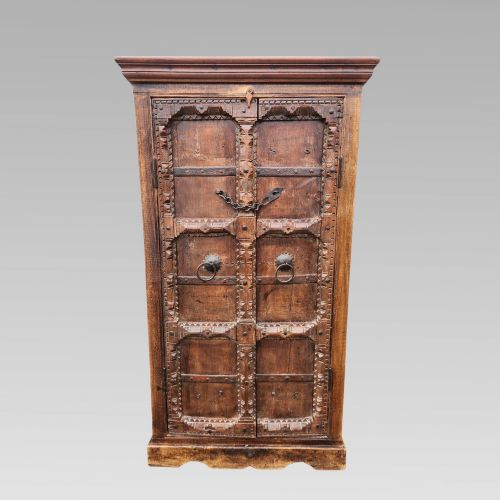
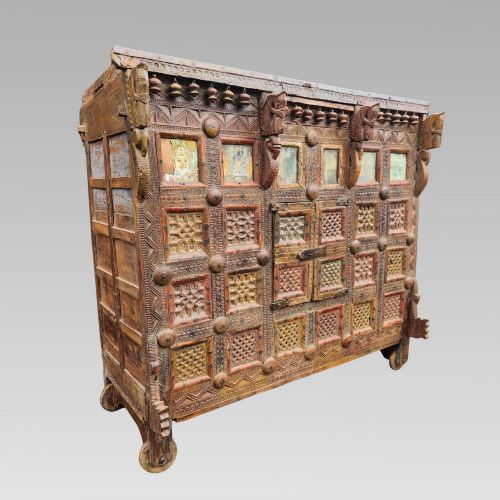
The most common forms on this page include octagonal occasional tables, side tables, and dowry chests, alongside armchairs, cabinets, and sculptural figures of elephants. These works span Anglo-Indian, Anglo-Burmese, and traditional colonial styles.
Originating largely from periods such as the Victorian era and the late nineteenth century, these heavy timber objects carry deep patination. They bring substantial presence and historic craftsmanship into modern interiors.
How they were made
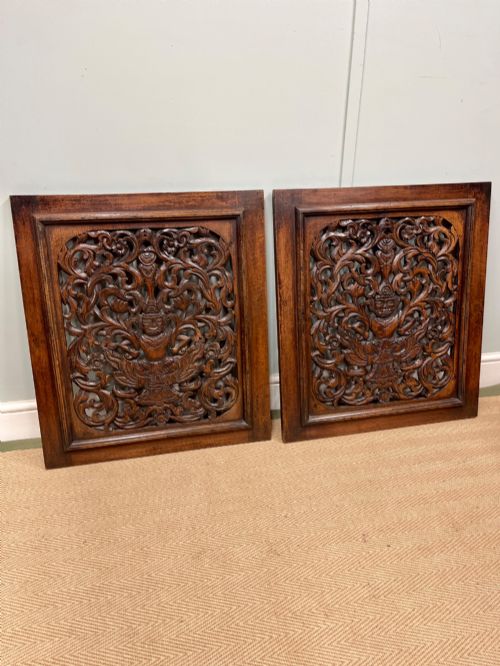
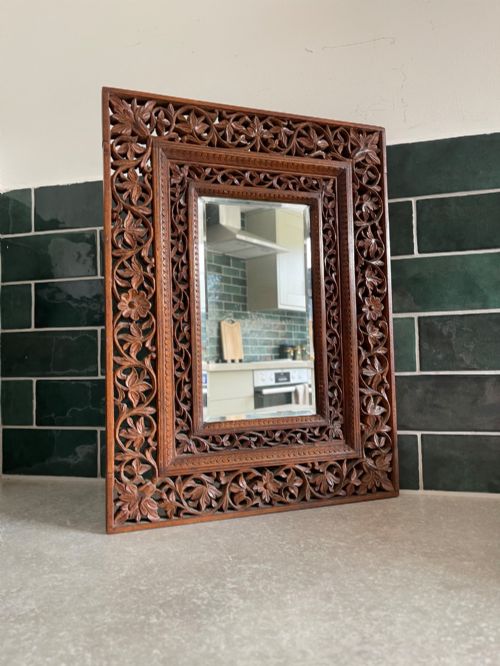
Makers utilised dense native timbers, predominantly teak and related hardwoods, which provided a stable base for deep, multi-layered chisel work. This heavy wood allowed artisans to carve intricate foliage, geometric fretwork, and figurative motifs without compromising the structural integrity of tables and chests.
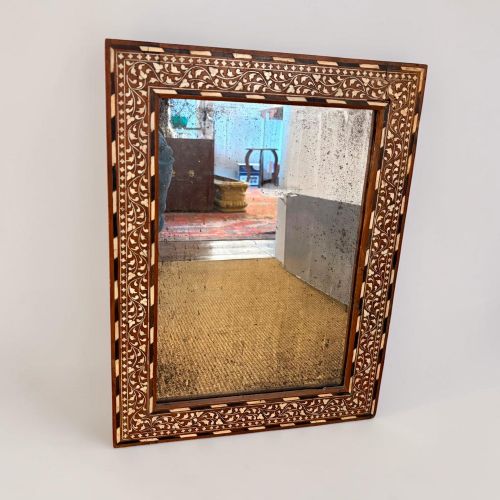
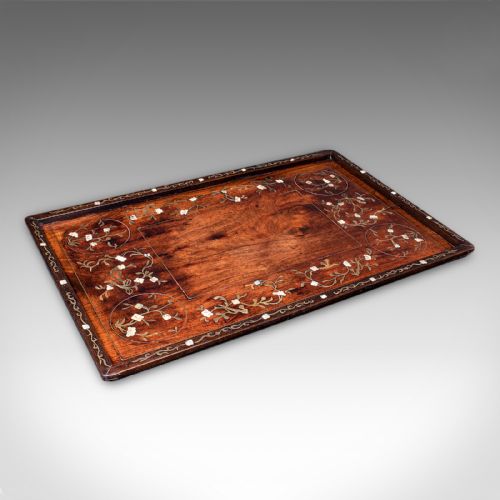
Construction techniques frequently incorporated secondary materials like brass inlay, bone details, and iron bindings to reinforce large storage cabinets and dowry chests. Joinery relied on traditional pegging and framing methods suited to the movement of tropical hardwoods.
Several heavy wooden elephants stand ready to guard your hallway, proving that timber beasts require far less feeding than live ones.
What varies in quality
Quality rests primarily on the depth, sharpness, and ambition of the carving itself. Finer examples display crisp undercut foliage and fully realised figural elements where every detail remains distinct.
The integration of secondary materials such as brass wire inlay or bone accents marks the distinction between standard utilitarian items and masterworks. Additionally, the stability and richness of the dark teak surface patination reflect the original selection of seasoned timber.
The Brown Teak Carving Glossary
- Anglo-Indian
- A style of furniture and decorative arts produced in India during the British colonial period, combining British furniture forms with traditional Indian carving techniques.
- Hoshiarpur
- A North Indian city renowned for intricate woodwork, particularly tables and screens covered in dense chip-carving and bone inlay.
- Dowry chest
- A large storage box historically given as part of a bride's marriage portion, often heavily carved from teak with iron bindings.
- Takhat
- A low Indian seating platform or table, traditionally used for sitting or reclining.
- Fretwork
- Ornamental perforated wood carving created by cutting intricate patterns through the timber.
Brown Teak Carving: Frequently Asked Questions
What is brown teak carving?
Brown teak carving refers to antique furniture and architectural elements made from dense tropical timber decorated with deep chisel work. These items originate predominantly from nineteenth and early twentieth-century South and Southeast Asia.
The category includes tables, cabinets, chests, and sculptures reflecting colonial and traditional regional designs. Each piece displays the natural dark grain and heavy weight characteristic of seasoned teak.
Where were these pieces made?
The pieces originate from workshops across India, Burma, and Ceylon during periods of British influence and local craftsmanship. Centres like Hoshiarpur in northern India became particularly famous for specialised decorative woodwork.
Craftsmen in these regions combined traditional indigenous motifs with European furniture forms such as side tables and armchairs. This cross-cultural exchange produced distinct regional styles including Anglo-Indian and Anglo-Burmese.
How do I care for teak furniture?
Teak is a durable, oily timber that requires minimal maintenance to keep its rich appearance. Keep pieces away from direct heat sources and sudden humidity changes to prevent timber splitting.
Dust regularly with a dry cloth and occasionally apply a neutral furniture wax if the wood appears dry. Avoid harsh chemical cleaners that can strip the historic patination from the carved surfaces.
How do I date these carvings?
Dating relies on examining construction methods, timber patination, and stylistic markers associated with specific periods like the Victorian era or the Raj. Nineteenth-century examples often show hand-cut joinery marks and deeper, more varied chisel work.
Comparing the specific motifs and secondary materials, such as bone or brass inlay, helps narrow down the origin and decade. Archival records of regional workshops also provide useful comparative baselines.