
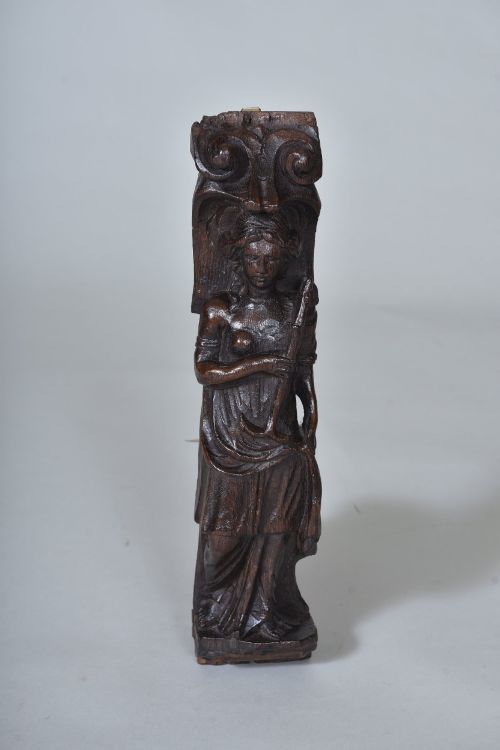
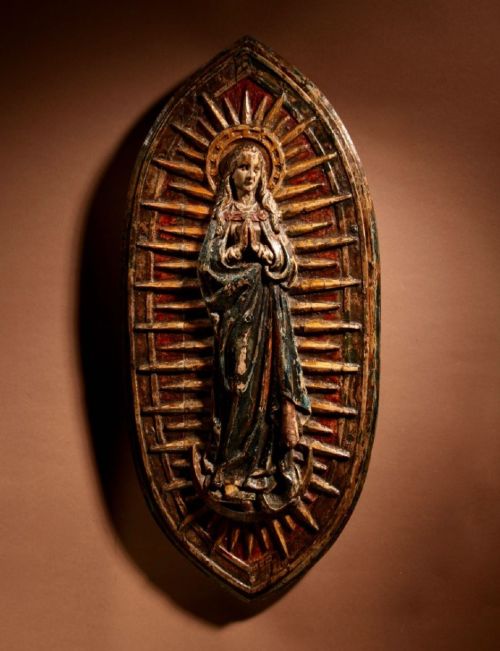
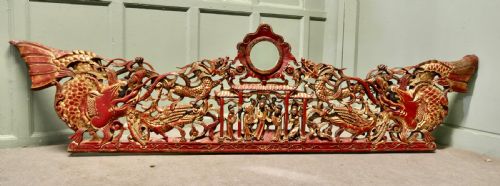
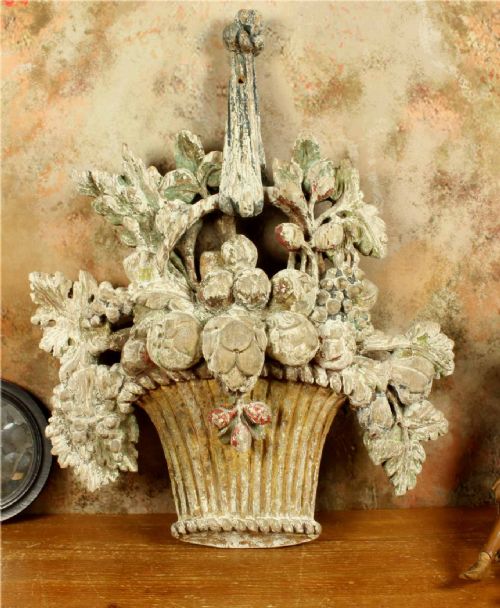
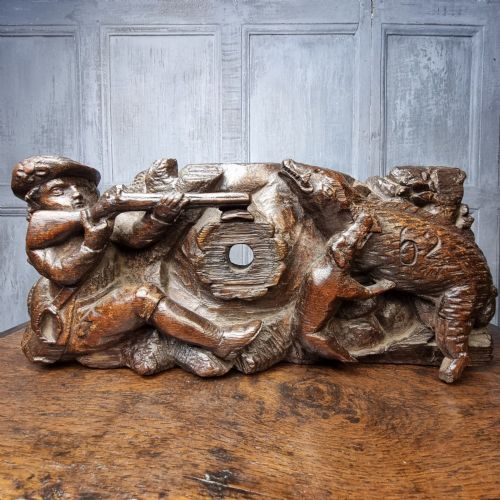
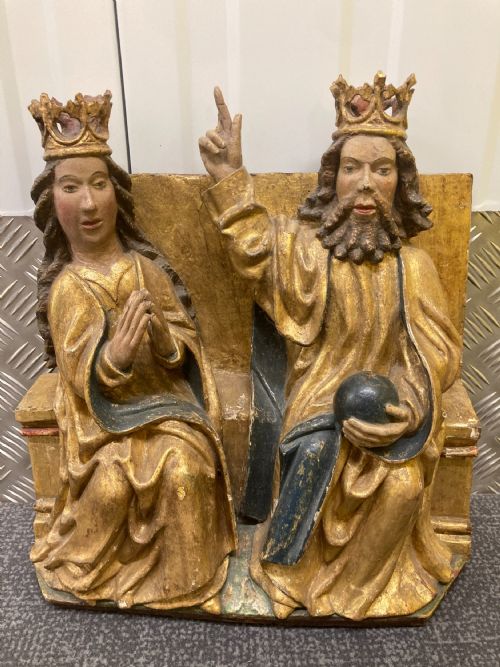


Wooden Relief Sculpture
These wooden relief sculpture pieces span centuries of carvers, bringing depth and traditional craftsmanship straight to interior walls.
Wooden Relief Sculpture
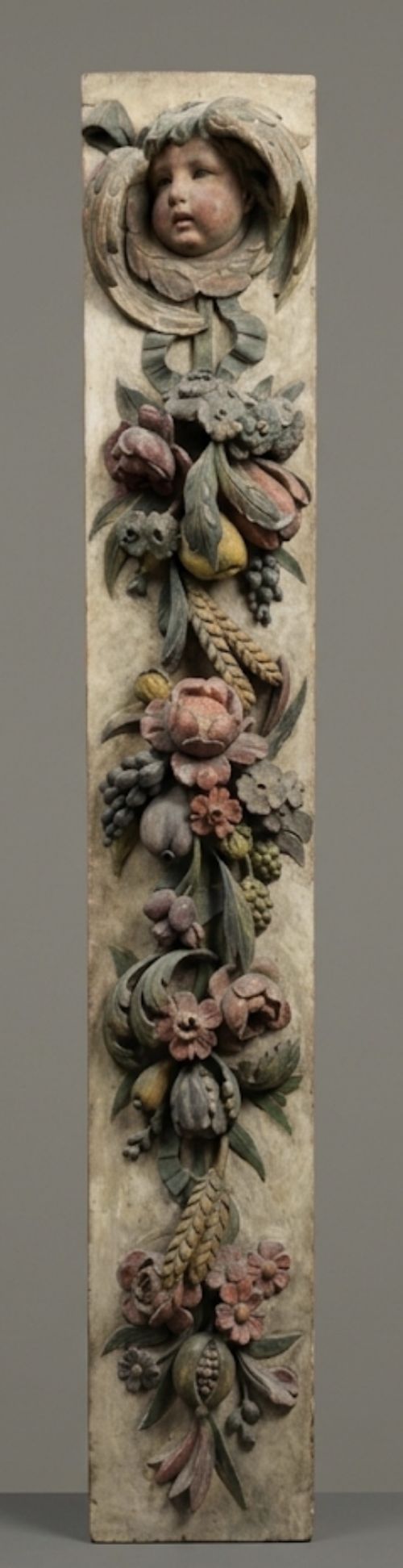
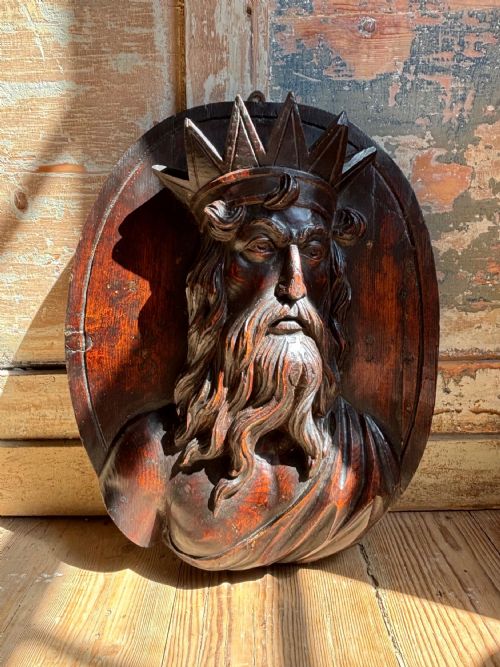
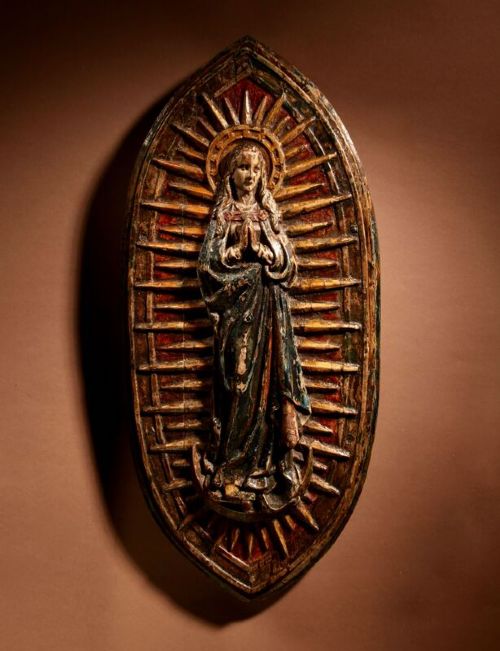
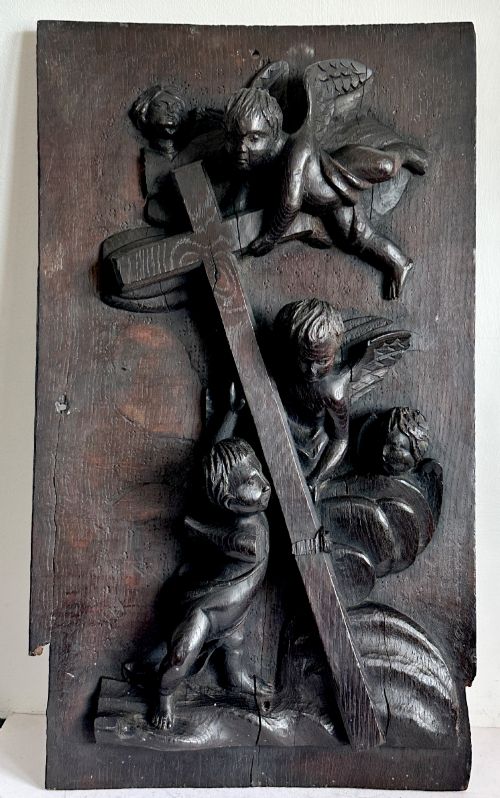
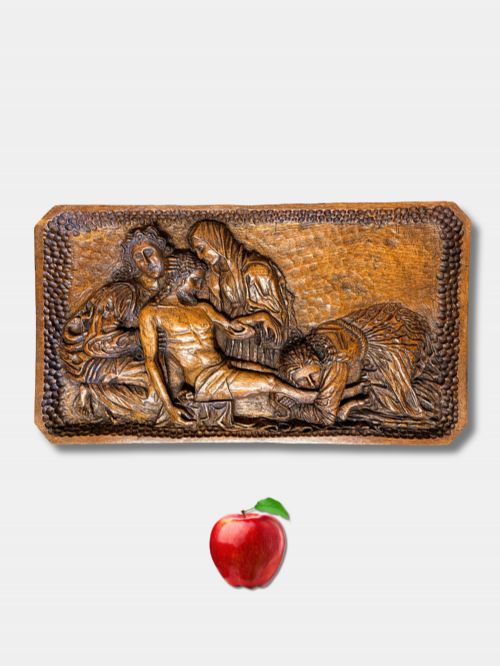
A wooden relief sculpture sits between flat painting and fully round statues, projecting outwards from a background panel or architectural support. Collectors encounter everything from ecclesiastical panels and overdoor carvings to decorative plaques and architectural salvage originating across European, Asian and African traditions.
The selection here draws heavily from seventeenth-century oak panels and nineteenth-century decorative works, alongside medieval fragments and regional ritual figures. Forms range from figurative wall sculptures and temple pediments to hunting trophies and heraldic crests designed for display.
Makers utilised these pieces for sacred altarpieces, grand domestic interiors, theatre props and public buildings, leaving behind deep carvings depicting religious scenes, classical allegories, florals and fauna.
How they were made
Carvers predominantly used native timbers such as oak, walnut, chestnut and teak, working the grain directly with chisels and gouges to achieve varying depths of relief. Hardwoods allowed for crisp detailing on heraldic shields, architectural corbels and intricate floral wall plaques.
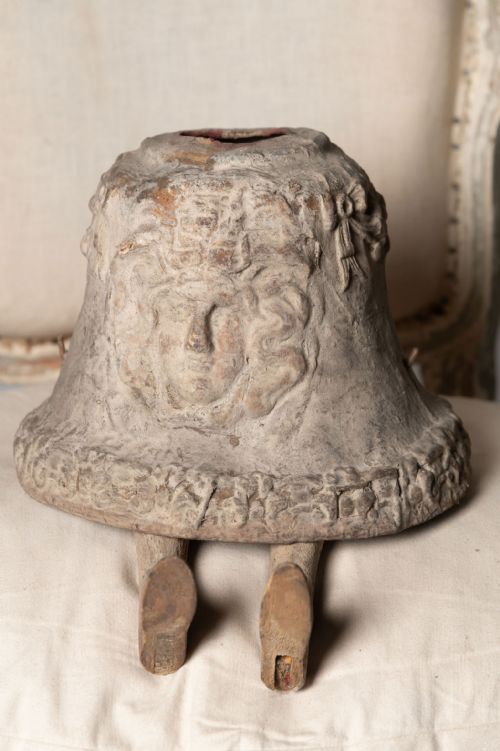
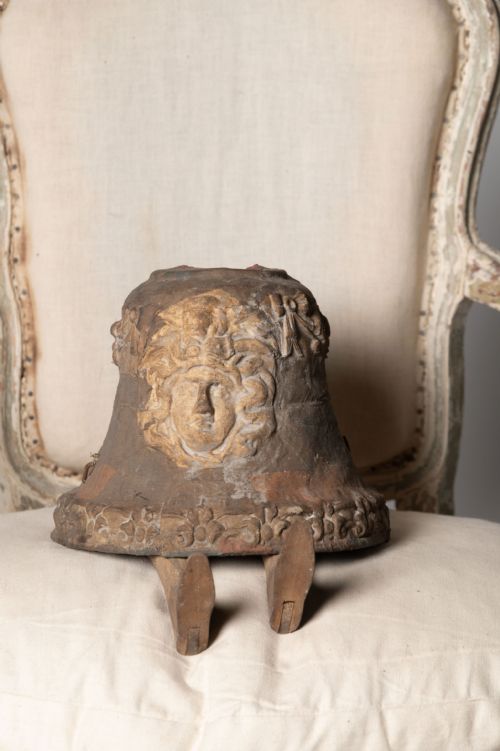
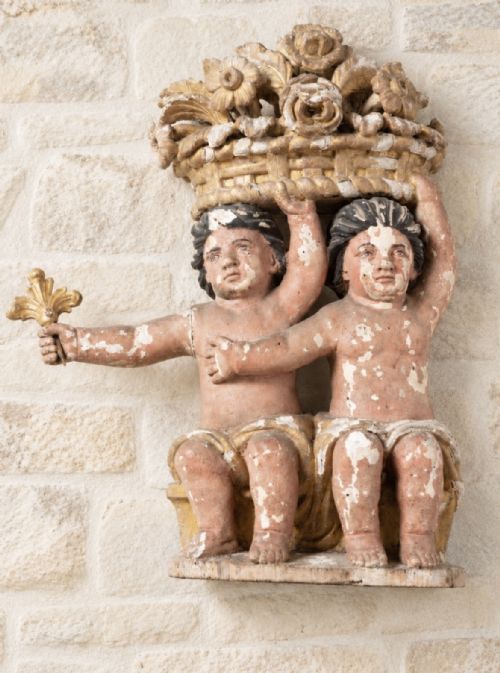
Many historical examples received supplementary surface treatments including gesso priming, gold leaf gilding and polychrome paint to accentuate facial expressions, drapery and symbolic elements. Some nineteenth and twentieth-century panels rely on the natural warmth of polished tiger oak or dark hardwoods without added pigment.
The listings show pieces spanning from the 16th century through to the mid-20th century, executed primarily in oak and varied hardwoods.
What varies in quality
The distinction between ordinary workshop output and exceptional work lies in the confidence of the tool handling and the anatomical correctness of the carving. Master carvers achieved subtle depth, fluid drapery and expressive faces that draw the eye, whereas lesser pieces appear stiff and flat.
Preservation of the original surface and finish significantly influences the character of a piece. Retained traces of early polychrome paint or untouched patination on seventeenth-century oak hold greater visual and historical integrity than over-stripped or heavily restored surfaces.
Edward Pearce
The Wooden Relief Sculpture Glossary
- Relief
- A sculptural technique where figures or ornamentation project from a flat background plane. High relief projects boldly, while low relief stays closer to the surface.
- Polychrome
- Decorated in multiple colours. This term describes historical wooden sculptures and panels finished with layers of paint or pigment.
- Corbel
- A structural piece of stone or wood jutting from a wall to carry a superincumbent weight. In wood, these often took the form of grotesque heads or figures.
- Giltwood
- Wood that has been thinly coated with gold leaf or gold paint. It appears frequently on religious panels and decorative frames.
- Pediment
- An triangular or curved architectural element placed above entrances, windows or temple structures. Wooden examples often feature intricate carved ornamentation.
Wooden Relief Sculpture: Frequently Asked Questions
How were these panels originally displayed?
Historical wooden relief sculpture panels typically formed part of larger architectural schemes, including church altarpieces, wall panelling, overdoors and furniture fronts. They were integrated into the fabric of domestic or ecclesiastical interiors to display devotion, status or taste.
Today, collectors remove these elements to hang them independently as standalone wall art. Their original function often dictates their shape and the depth of the carving.
How do I care for antique wood carvings?
Antique wooden relief sculpture pieces require stable environmental conditions away from direct sunlight and rapid temperature changes. Excess heat causes timber to dry out and split, while dampness damages gesso and polychrome paint layers.
Dusting should be done gently with a dry, soft brush. Avoid applying modern liquid polishes or oils, particularly on pieces with historic painted or gilded surfaces.
How do I distinguish 17th-century oak from later copies?
Seventeenth-century oak displays distinct tool marks, deep patination and shrinkage cracks consistent with centuries of age. The grain patterns and construction methods reflect hand-hewn preparation rather than modern machine milling.
Examining the back of a panel often reveals peg construction, hand-cut boards and signs of past structural fixings. Later copies frequently mimic the style but lack the natural wear and cumulative colour of genuine period timber.
What is the difference between high relief and low relief?
High relief means the carved elements project far out from the background, sometimes standing almost entirely free from the panel. This technique creates strong shadows and a powerful three-dimensional presence.
Low relief, or bas-relief, keeps the carving much closer to the flat plane. Carvers used low relief for intricate background details and tighter compositional spaces.