
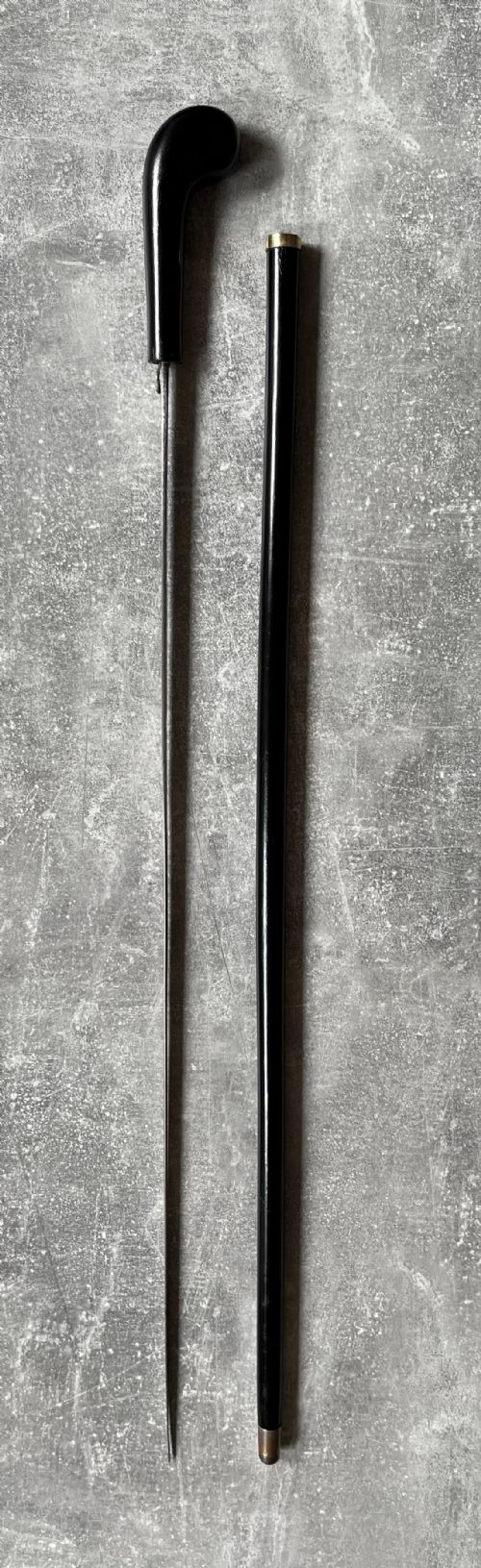


Antique Weapon Handle
An antique weapon handle anchors utilitarian martial pieces and disguised sword sticks, uniting functional steel and horn grips from the nineteenth century onward.
Antique Weapon Handle
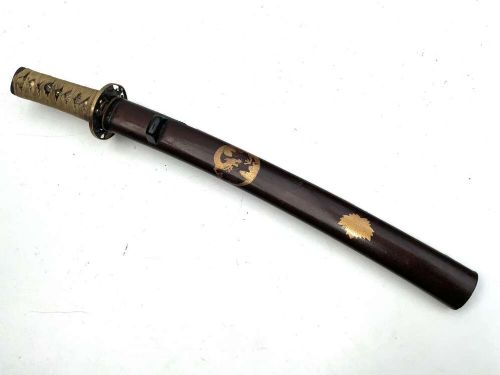
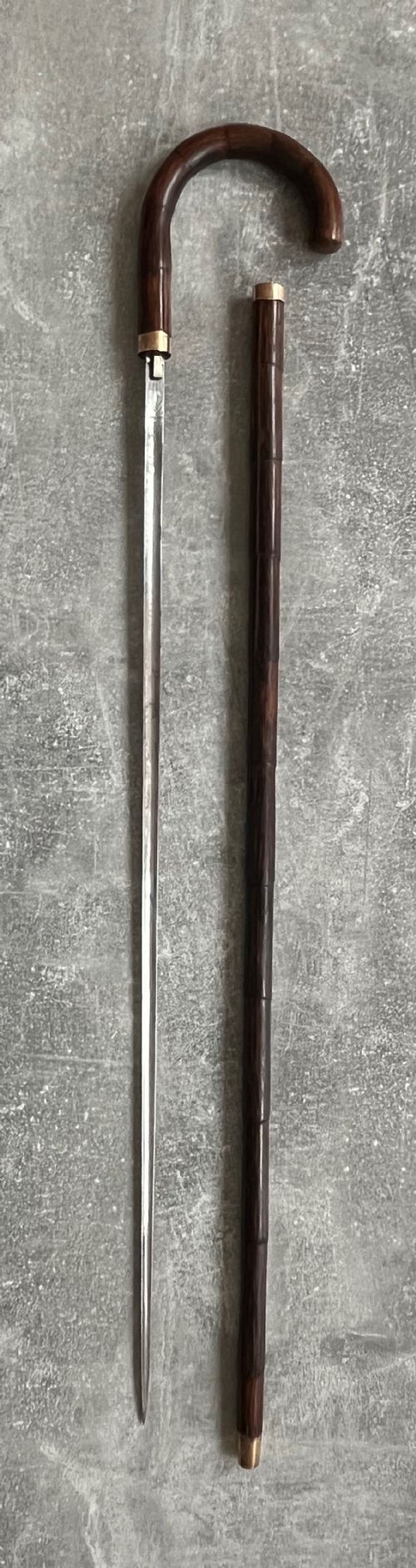
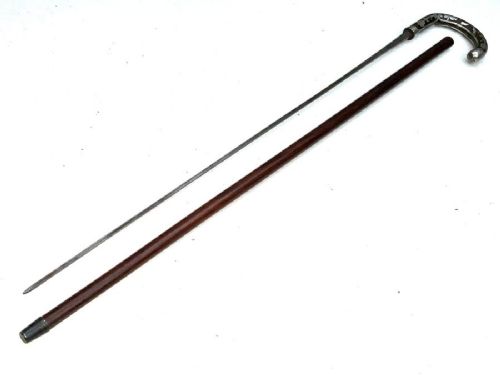
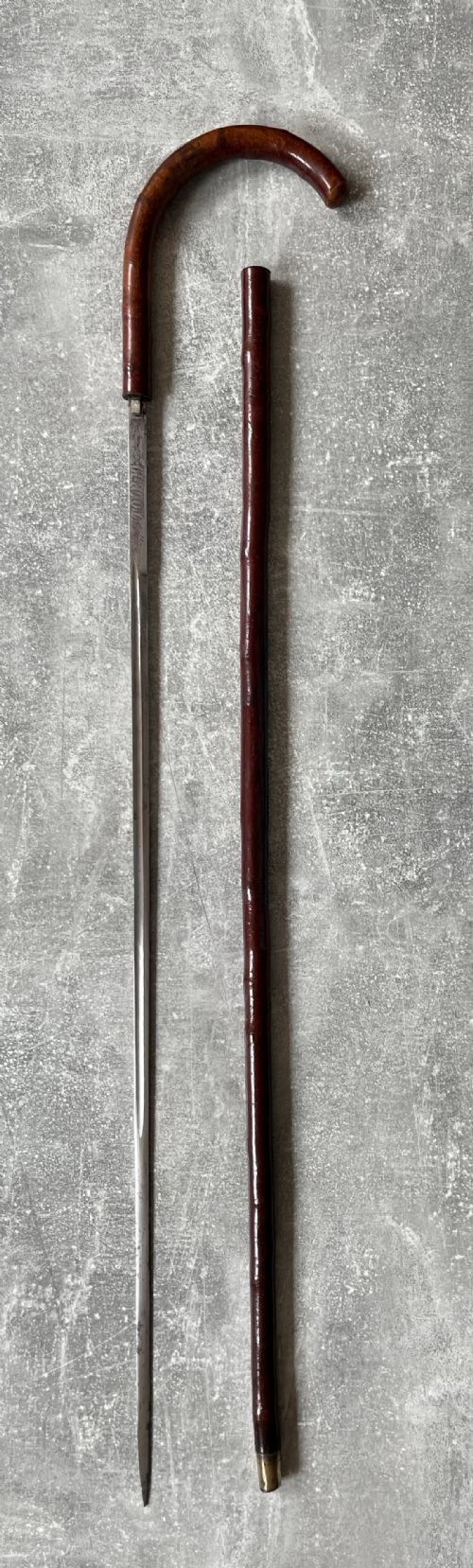
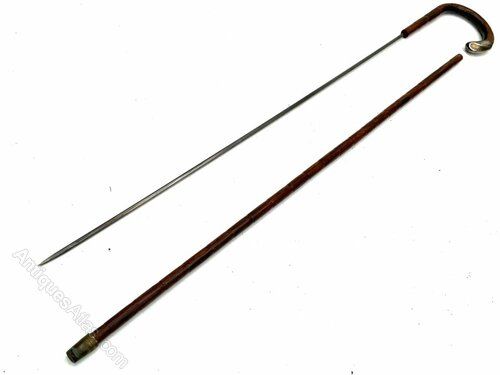
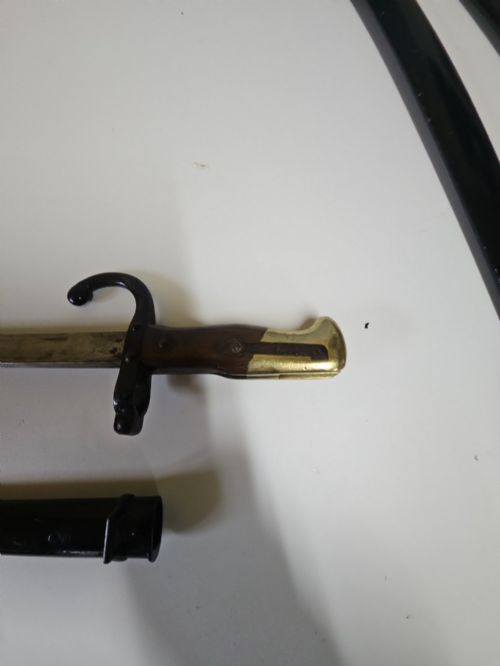
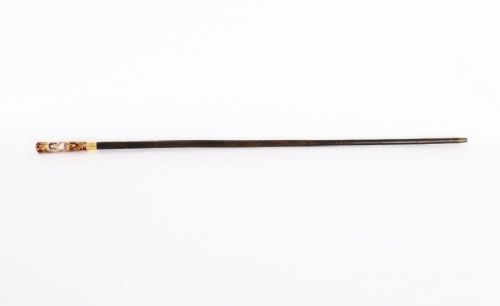
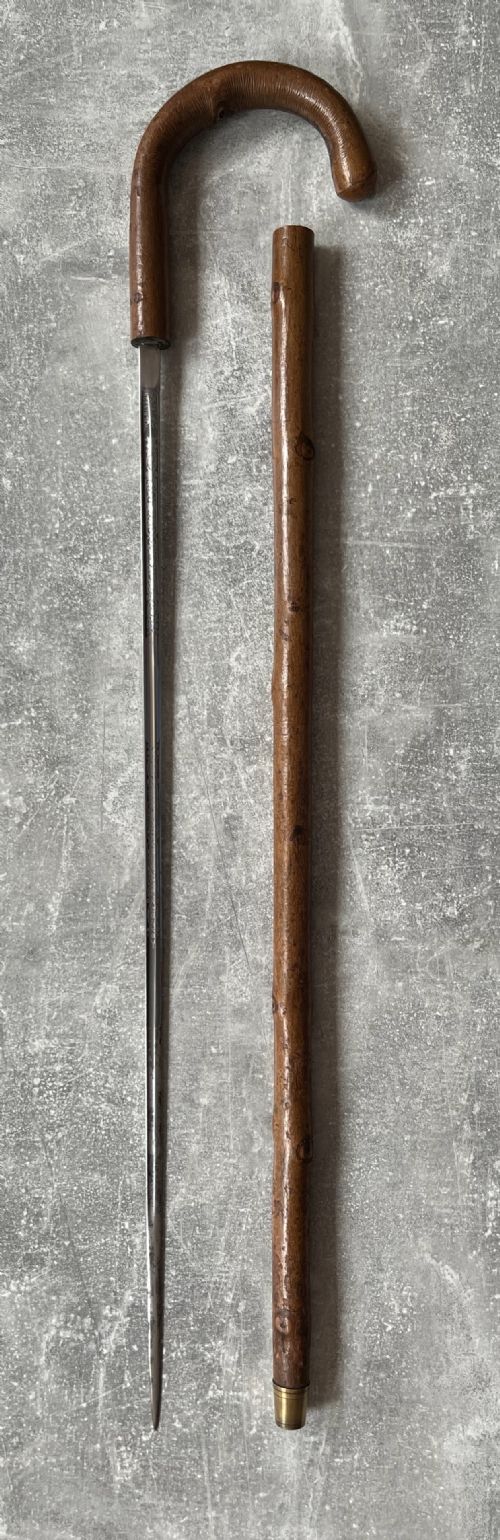
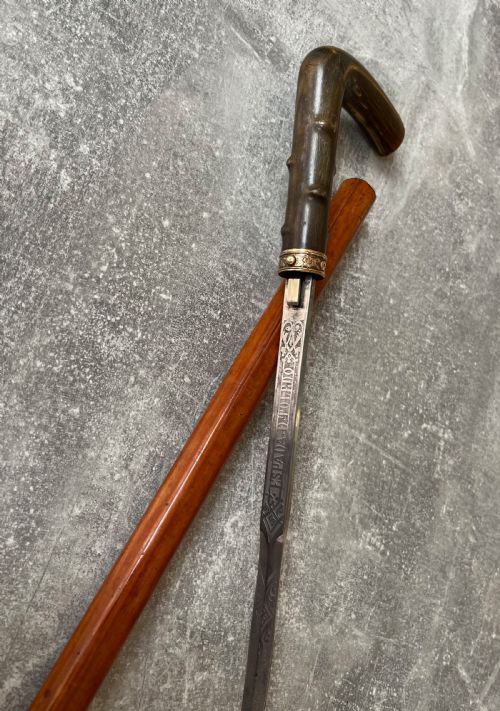
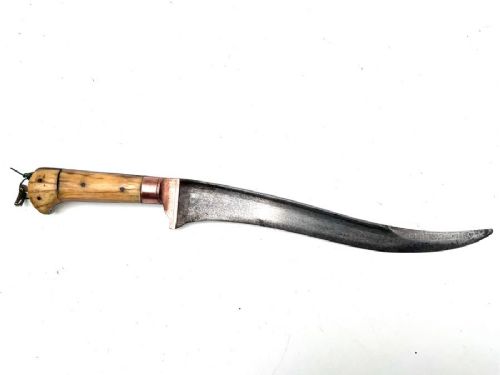
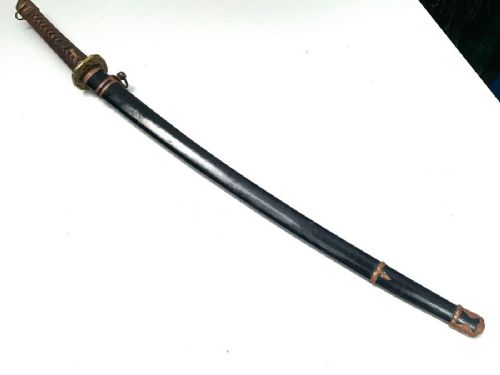
When seeking an antique weapon handle, buyers examine grips attached to military sidearms, daggers, and civilian walking canes that conceal blades within their shafts. These objects range from martial bayonets and officers' swords to gentleman's sword sticks featuring horn, wood, or silver-mounted grips.
The versions most frequently met on this page are nineteenth-century sword sticks and military sidearms, combining concealed blades with designated hand grips. Materials span natural timber, horn, and metal, reflecting both civilian discretion and military utility across various global traditions.
Materials and construction
Craftsmen shaped natural materials like horn, antler, cherrywood, partridge wood, malacca cane, and rosewood to form ergonomic grips. These organic elements were frequently paired with metal components, including brass, silver mounts, and steel blades sourced from Toledo or makers such as Wilkinson.
Handles were secured to shafts or tangs using collars, buttons, and pins to ensure stability during use. Leather coverings, ebonised finishes, and porcelain additions completed the outer appearance of these concealed or exposed martial implements.
Materials recorded on this page include malacca cane, cherrywood, leather, silver, brass, and samber deer antler.
Assessing quality in grips and mountings
Quality rests upon the selection and integrity of the materials used for the grip, such as well-figured antler, dense root wood, or substantial horn, alongside the precision of any silver collars or mounts. Superior examples demonstrate careful fitting between the handle and the blade or shaft without excessive looseness.
The execution of detail, whether an etched Toledo blade, an engraved silver hallmark, or a well-carved root-ball handle, separates standard utility items from finer gentleman's pieces. Balance and structural soundness in the joining of handle to haft dictate the overall standard of the object.
Joseph Egg·Brigg·Wilkinson
The Antique Weapon Handle Glossary
- Sword stick
- A walking cane concealing a steel blade within its wooden shaft, operated by a button release or pull mechanism.
- Collar
- A metal band, often formed of silver or brass, fitted around the base of the handle where it meets the cane or weapon shaft.
- Toledo blade
- A steel blade originating from Toledo in Spain, known for its tempered flexibility and historical association with edged weapons.
- Malacca cane
- A mottled rattan stem commonly utilised for the shafts of nineteenth-century walking sticks and concealed sword sticks.
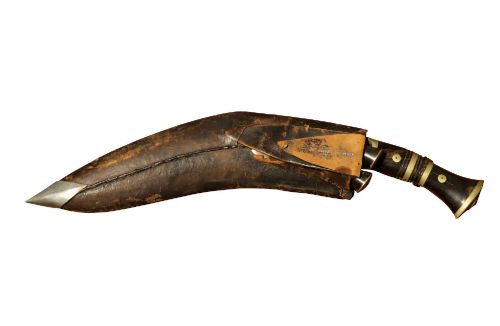
- Kurki
- A heavy, curved Nepalese knife featuring a distinct grip design intended for utility and martial use.
Antique Weapon Handle: Frequently Asked Questions
What is a sword stick?
A sword stick is a walking cane designed with a concealed steel blade hidden inside the outer wooden or malacca shaft. The user pulls or releases a button to separate the handle from the body, revealing the hidden weapon.
These pieces were popular among gentlemen during the nineteenth and early twentieth centuries for personal protection during travel. They combine the outward appearance of an ordinary walking aid with functional martial utility.
How are horn handles identified?
Horn handles utilise natural animal material, showing organic grain patterns, fibrous textures, or polished surfaces shaped to fit the hand. They often feature collars made of silver or brass at the base.
Examiners look for the characteristic depth and slight irregularities inherent in natural horn and antler compared to synthetic substitutes. These grips range from simple curved shapes to carved root-ended configurations.
Where were Toledo blades made?
Toledo blades originated in the city of Toledo in Spain, renowned historically for its tradition of steelworking and sword manufacture. Makers integrated these flexible, durable steel blades into various international sword sticks and walking weapons.
Finding a Toledo blade in a nineteenth-century stick indicates a reliance on imported European steel known for its tempering and strength. These blades often feature etched decorations along their length.
How should these items be displayed?
These objects should be stored in stable environmental conditions away from excessive moisture or direct sunlight to protect organic materials like wood, horn, leather, and malacca. Display stands that support the weight evenly prevent stress on the handle joints.
Keeping the metal components lightly oiled prevents corrosion, while the wooden shafts benefit from minimal interference to preserve their original surface finishes and mounts.