




South West Persian Weaving
South west persian weaving brings nomadic artistry into a room through hand-knotted bags, rugs, and trappings made by tribal groups.
South West Persian Weaving
South west persian weaving comprises tribal rugs, bags, and animal trappings originating from the Fars and Kerman provinces. These pieces reflect the nomadic heritage of groups such as the Qashqa'i confederacy and Afshar nomads.
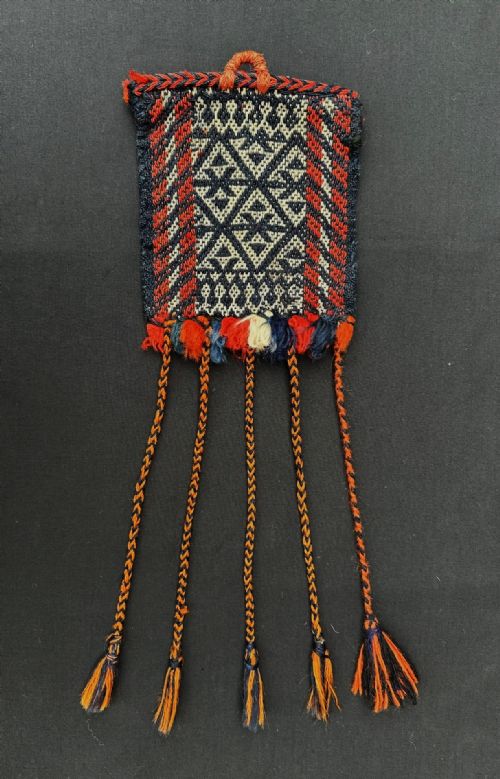
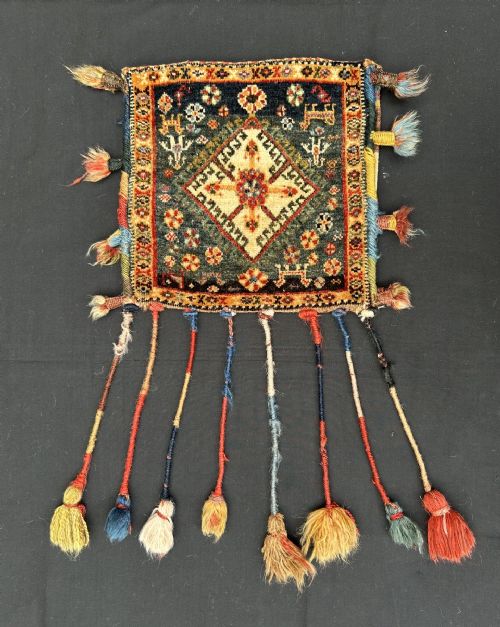
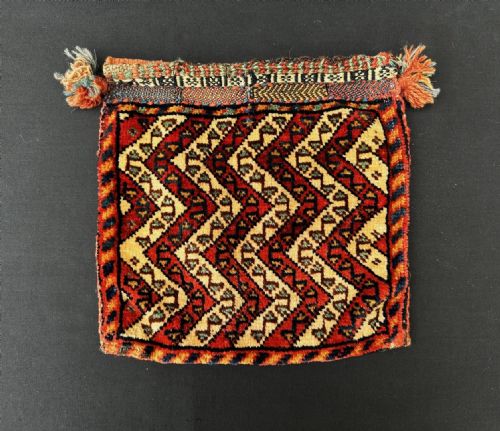
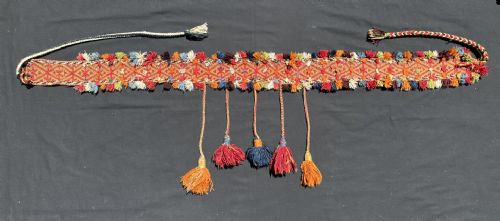
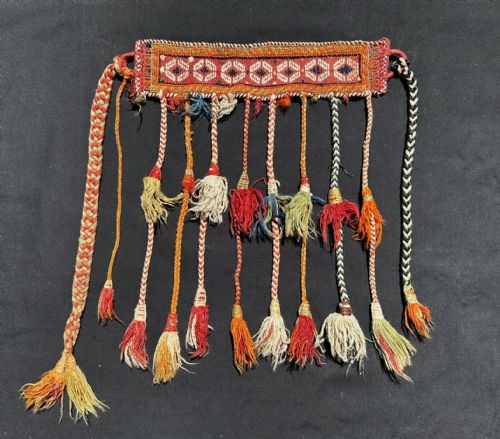
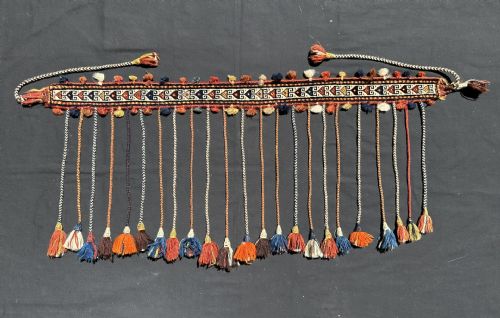
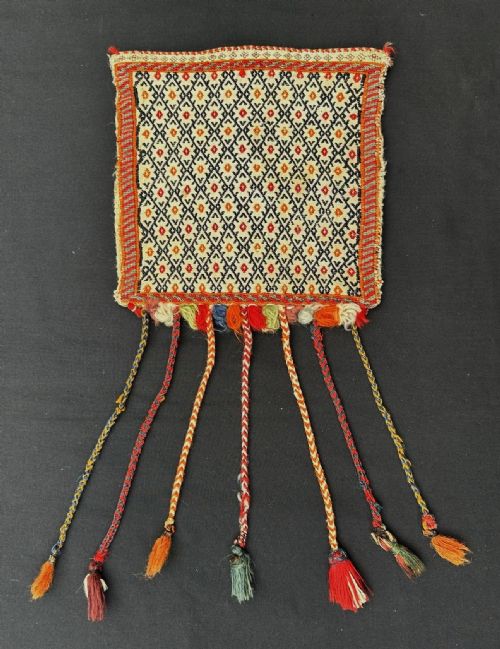
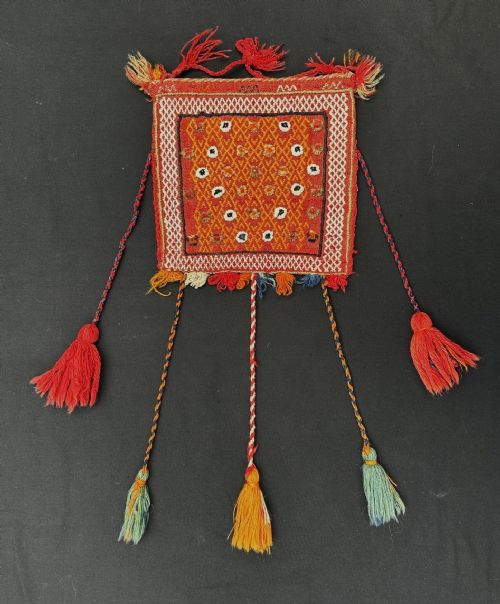
The objects seen here are largely functional items made for nomadic life, including vanity-bags, salt-bags, saddle-bags, bread sofreh, and horse blankets. Smaller utilitarian bags and animal decorations appear frequently alongside room-size rugs.
Dated examples span the nineteenth and early twentieth centuries, running from the 1870s through the 1930s. Pieces attributed to specific sub-tribes like the Bolvardi, Kashkuli Tayefeh, Darrehshuri, and Shekarlu demonstrate distinct regional identities.
Materials and construction
Makers utilised hand-spun wool and cotton foundation structures, incorporating natural dyes to achieve rich colour palettes across tribal motifs. Leather and wood elements occasionally appear in structural supports or functional attachments.
Techniques rely on hand-knotting and flatweaving methods suited to portable nomadic looms. These dense wool structures provided durability for everyday camp and animal use.
Listings feature pieces spanning the 1870s to the 1930s, constructed from wool, cotton, leather, and wood using natural dyes.
Judging quality in tribal textiles
Quality rests in the fineness of the hand-knotting, the saturation and clarity of natural dyes, and the complexity of the tribal motifs. Tightly constructed pieces with balanced proportions command attention.
Intact original edges, surviving bag backs, and well-preserved structural details distinguish superior examples from heavily worn or distressed pieces.
The South West Persian Weaving Glossary
- Sofreh
- A woven cloth or spread used for handling bread or serving meals. These flatwoven textiles display geometric tribal designs.
- Tayefeh
- A sub-tribe or clan within a larger nomadic confederation. Tribal attributions often reference these specific groups.
- Trapping
- An ornamented textile designed for horses, camels, or donkeys. These items include decorative blankets and saddle covers.
- Medallion
- A central ornamental design motif placed in the field of a rug or bag face. It forms the focal point of the composition.
- Moj
- A patterned tribal blanket or coverlet. These woollen textiles utilise traditional weaving structures.
South West Persian Weaving: Frequently Asked Questions
What are south west persian bags used for?
Nomadic weavers created these bags to store personal items, salt, or household goods during seasonal migrations. Vanity-bags and water-pipe bags held small personal possessions inside the tent.
Larger saddle-bags and storage bags functioned as transport containers loaded onto pack animals. Their sturdy construction protected contents from dust and rough travel.
How do I style a tribal bag face?
Bag faces make striking wall hangings due to their compact dimensions and concentrated geometric designs. Framing or mounting them on fabric allows the textile to be displayed safely.
They also sit effectively on small tables or benches as decorative accents. The varied wool textures bring warmth to contemporary and traditional interiors alike.
Are natural dyes used in these textiles?
Nineteenth and early twentieth-century examples rely on traditional natural dye sources for their colour palette. These vegetable and animal-derived dyes age with a characteristic patina.
Over decades, natural colours develop subtle tonal variations known as abrage. This gradual shift in hue confirms the organic origin of the dyes.