




South Persian Runner
When choosing a south persian runner, you are selecting a tribal weave born from nomadic traditions and rich regional dye palettes.
South Persian Runner
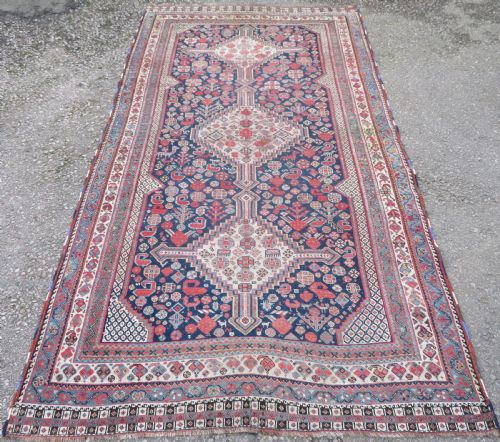
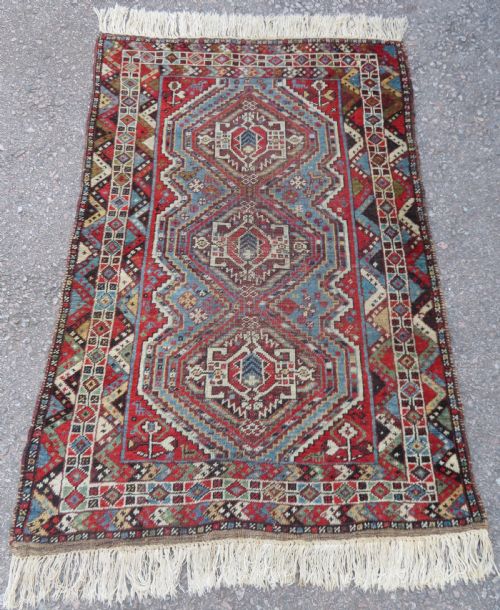
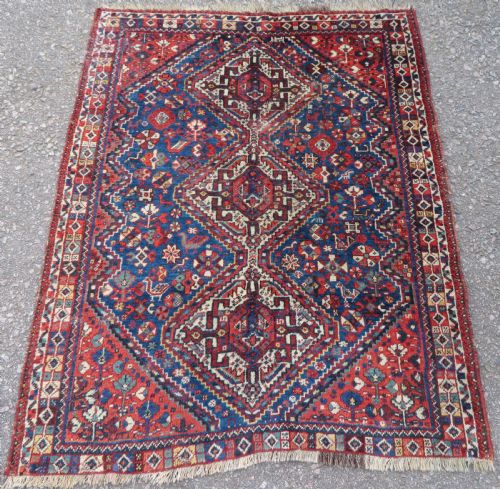
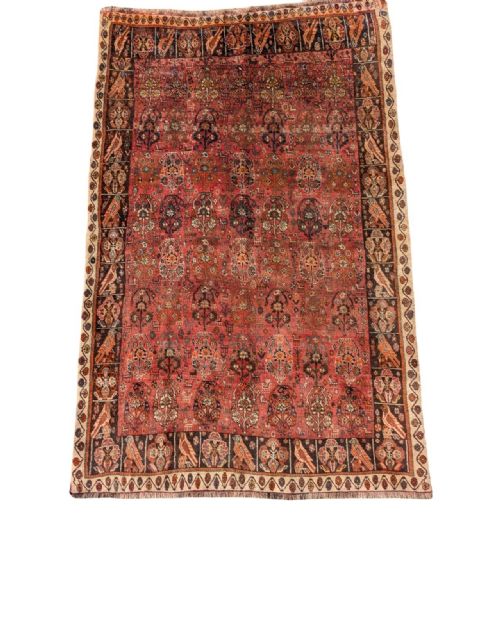
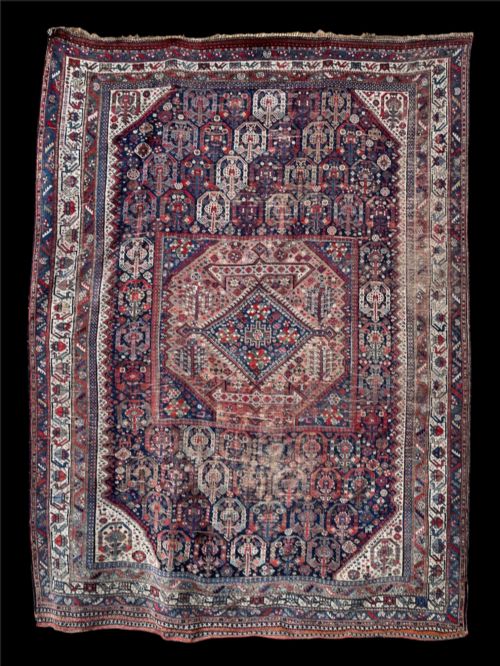
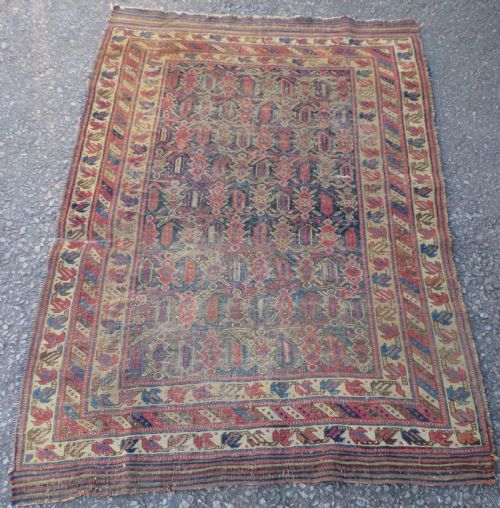
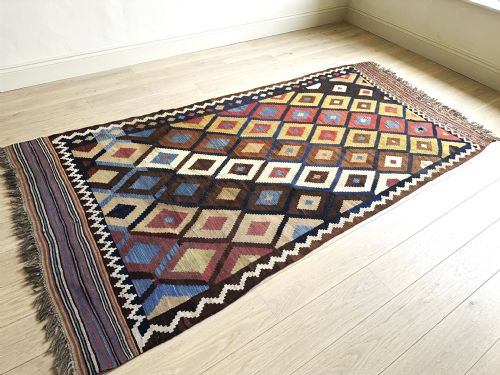
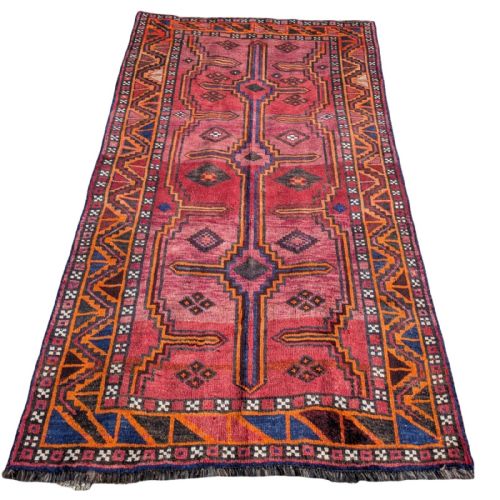
A south persian runner brings together traditional tribal weaving from nomadic and confederacy groups across the Fars province and surrounding regions. These long carpets and runner formats frequently display geometric motifs, diamond lattices, and medallion structures.
The selection encompasses pieces linked to Qashqai, Khamseh, Luri, and Afshar weavers, reflecting the distinct heritage of south-west Persia. Such textiles bridge practical flooring needs with intricate storytelling through symbolic bird, tree of life, and boteh patterns.
Dating primarily from the nineteenth and early twentieth centuries, these rugs display the characteristic adaptability of nomadic floor coverings. They function equally well as narrow hallway runners or focal area carpets within contemporary interiors.
Materials and construction methods
Weavers utilised hand-spun wool for the pile, yielding a resilient texture that responds well to decades of domestic use. Cotton foundations often provide structural stability, particularly in pieces originating from settled tribal workshops.
Natural dyes impart the varied colour palettes, derived from local plants and minerals to create rich tones that age with considerable depth. Hand-weaving techniques ensure tight knotting and durable flatweave or pile structures across kilims and runners alike.
South Persian Runner Retail Price Guide 2026
Typical asking prices for south persian runner among the pieces listed under this phrase on Sellingantiques today, from the lower quarter to the upper quarter. They describe what is for sale here now, not the wider market.
Listings feature pieces spanning the nineteenth and early twentieth centuries, constructed from hand-spun wool and natural dyes by tribal weavers.
Distinctions in quality and execution
Quality separates ordinary utility weaves from exceptional collector pieces through the fineness of the knotting and the complexity of the design. Tighter structures allow intricate motifs, such as repeating boteh or elaborate medallions, to retain sharp definition.
The vibrancy and depth of the natural dyes significantly influence overall merit, with well-balanced palettes maintaining visual harmony across the field. Superior execution also shows in the precise symmetry of tribal borders and the uniform integrity of the wool.
The South Persian Runner Glossary
- Runner
- A long, narrow carpet format designed primarily for hallways, corridors, or narrow spaces. These pieces balance length with narrow proportions to fit specific architectural layouts.
- Medallion
- A central ornamental motif positioned in the middle of the rug field. It serves as the primary focal point around which secondary patterns and corners are arranged.
- Boteh
- A recurring teardrop or almond-shaped motif with a curved upper end, frequently associated with Persian and tribal weaving. It often represents a floral or cypress sprout symbol.
- Kilim
- A flatwoven textile produced without a pile by tightly interweaving warp and weft threads. These pieces offer lightweight versatility and sharp geometric patterns.
- Kelleh
- A large, extended rectangular carpet format intermediate in proportion between a standard rug and a long runner. These substantial pieces suit larger open floor spaces.
South Persian Runner: Frequently Asked Questions
What is a south persian runner?
A south persian runner is a narrow, elongated antique textile woven by nomadic or tribal confederacies in south-west Persia. These pieces combine practical flooring utility with traditional regional designs.
They reflect the cultural heritage of groups such as the Qashqai, Khamseh, and Luri through distinctive geometric layouts, medallions, and symbolic motifs.
How were these runners used originally?
Nomadic weavers produced these long carpets for domestic flooring inside tents, tribal dwellings, and permanent village houses. Their narrow dimensions suited communal gathering spaces and transition areas.
Over generations, the durable wool construction and flatwoven or piled formats provided reliable insulation against cold ground surfaces.
How do I style a tribal runner at home?
These runners fit naturally into hallways, corridors, and entryways where narrow proportions complement linear architecture. Their rich natural dyes also anchor modern or traditional interior schemes as accent pieces.
Using a quality underlay helps secure the textile on hard flooring while preserving the flexible wool foundation against premature wear.
How can I tell different tribal groups apart?
Distinguishing between groups relies on observing specific design preferences, colour combinations, and structural characteristics in the weave. Qashqai and Khamseh pieces often feature detailed diamond lattices, medallions, or stylized animal forms.
Examining the handling of the hand-spun wool and the specific palette of natural dyes further assists in identifying regional workshops and nomadic traditions.