






South Persian Nomadic Textile
A south persian nomadic textile brings the tactile artistry of tribal confederacies directly into a room, offering genuine historical depth through hand-knotted bags, animal trappings and flatweaves.
South Persian Nomadic Textile
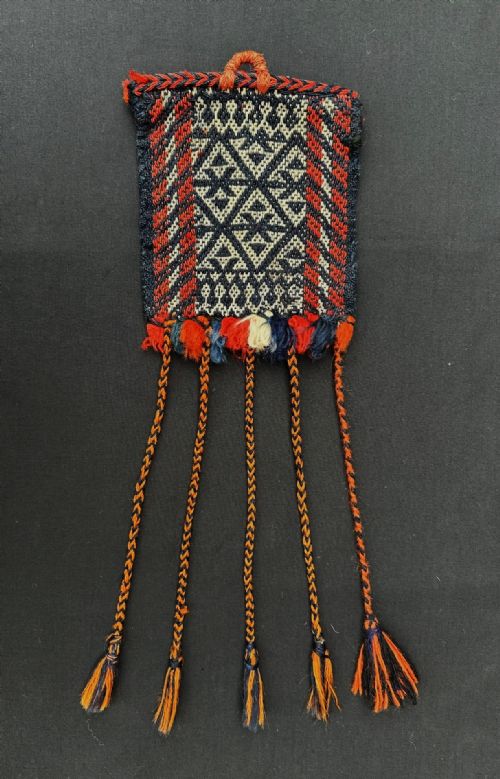
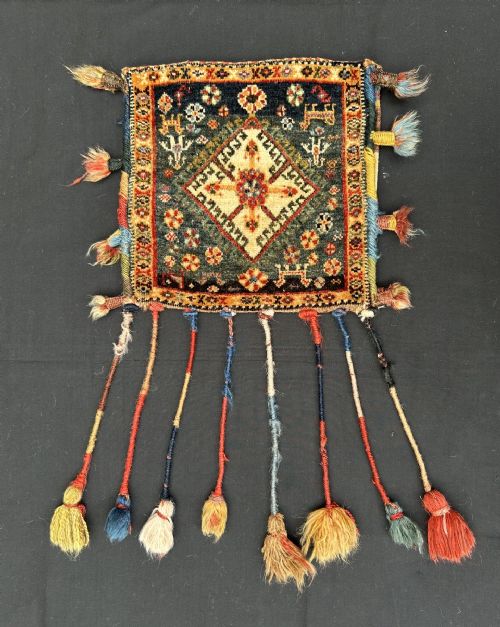
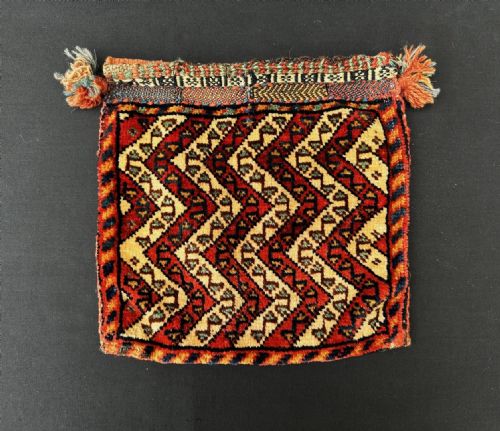
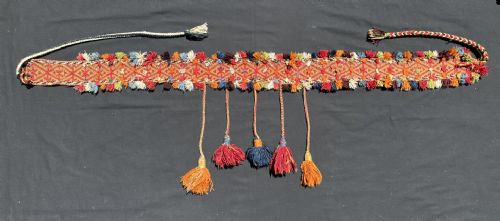
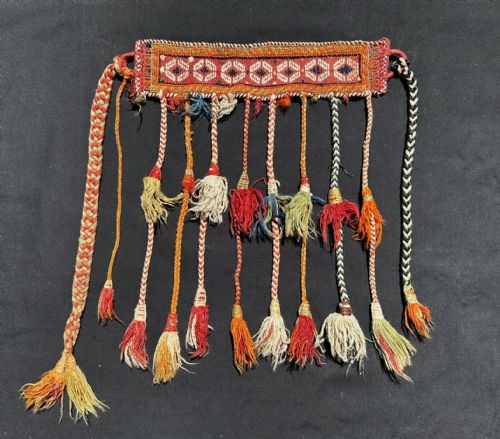
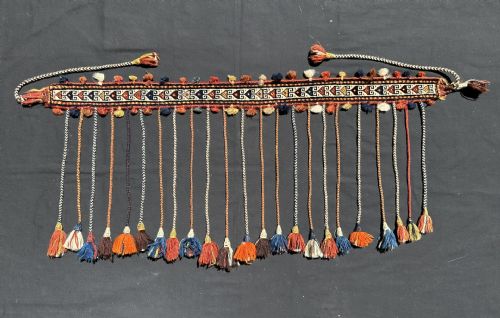
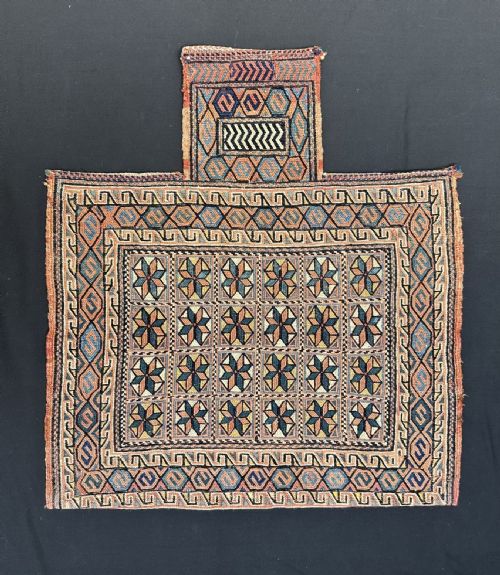
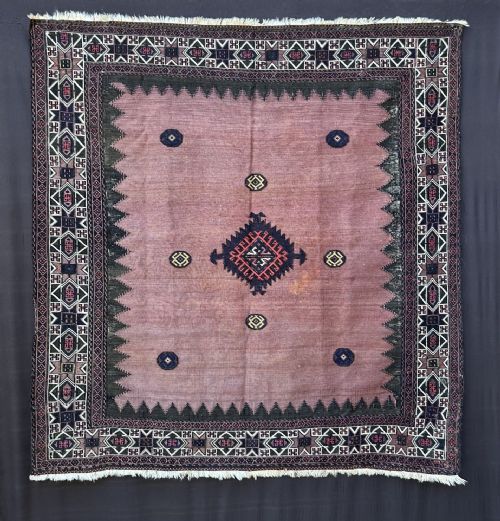
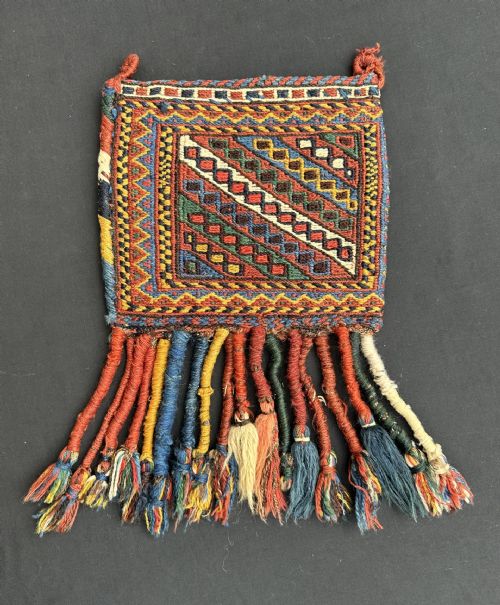
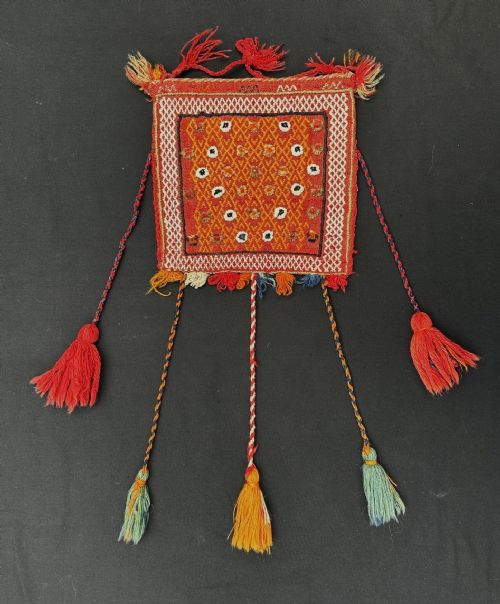
A south persian nomadic textile encompasses utilitarian tribal items such as vanity bags, salt bags, saddlebags, bread sofreh, animal decorations, and horse blankets originating from regions like Fars and Kerman provinces. These pieces reflect the nomadic and semi-nomadic lifestyles of tribal confederacies including the Qashqa'i and Afshar peoples, dating from the mid-nineteenth century through the early twentieth century.
Buyers encountering these items on this page will most frequently meet small personal bags, known as chantehs or vanity bags, alongside larger saddlebag faces and flatwoven storage containers. These portable objects served practical functions within tribal camps while displaying intricate tribal motifs, geometric patterns, and central medallions passed down through generations.
The geographic origins span specific tribal sub-groups and confederations, identifying particular craftsmanship from groups such as the Bolvardi, Kashkuli, Darrehshuri, and Shekarlu. Such provenance connects individual items directly to the specific weaving traditions of southern and south-western Persia.
Assessing quality in tribal weavings
Quality rests heavily on the handling of the wool and the vibrancy achieved through natural dye baths, where superior lustre and dye saturation create a luminous visual presence. Denser knotting or tighter flatweaving further distinguishes finer pieces from heavier utility grades.
Design execution and structural integrity define the upper tier of these textiles, evidenced by precise geometric symmetry, intact original borders, and the preservation of supplementary materials like leather or cowrie shells. The retention of complete bag faces and functional fastenings indicates careful preservation by past owners.
Several bags retain original cowrie shells, once sewn on by nomadic makers to ward off the evil eye during desert travels.
The South Persian Nomadic Textile Glossary
- Sofreh
- A flatwoven cloth used primarily for eating, food preparation, or bread-making within tribal households. These textiles often feature minimalist geometric field designs.
- Chanteh
- A small personal bag or vanity bag carried or used by nomads for holding small possessions. They frequently display high levels of weaving detail relative to their compact size.
- Khorjin
- A pair of saddlebags designed for transporting belongings across animal backs during migration. Surviving examples often appear separated into individual bag faces.
- Boteh
- A stylised almond or pear-shaped motif representing a floral shoot or cypress tree. It appears frequently across Afshar and Qashqa'i tribal compositions.
- Medallion
- A central ornamental design element anchoring the field of a rug or bag face. Tribal weavers arranged these geometric shapes to structure the visual composition.
South Persian Nomadic Textile: Frequently Asked Questions
What were tribal bags used for?
Nomadic groups utilised these bags for storing salt, tobacco, pipes, vanity items, and personal possessions during seasonal migrations across southern Persia. Their robust construction protected contents from dust and travel wear.
Beyond storage, many pieces served decorative roles within tents or functioned as saddle furniture on horses, donkeys, and camels.
How do I care for an antique textile?
Keep these textiles away from direct sunlight to protect natural dye colours from fading over time. Gentle vacuuming without a beater bar removes surface dust safely.
Professional textile conservators should handle any necessary cleaning or mounting to preserve fragile wool fibres and leather elements.
How can I tell Qashqa'i from Afshar work?
Qashqa'i weaving often originates in the Fars province and frequently incorporates rich blues, reds, and playful animal or human figures alongside bold medallions. Their handle tends towards supple wool structures.
Afshar pieces typically stem from Kerman province and showcase crisp geometric formats, large boteh motifs, and a distinct palette reflecting local dyeing traditions.
Are these pieces suitable for wall hanging?
Smaller formats like bag faces, sofreh, and small rugs lend themselves well to wall display using appropriate non-damaging textile hanging methods. Their flat structures and pictorial designs translate effectively into framed or suspended textile art.
Displaying them vertically also keeps them away from heavy foot traffic, protecting the historical wool foundation from physical degradation.