




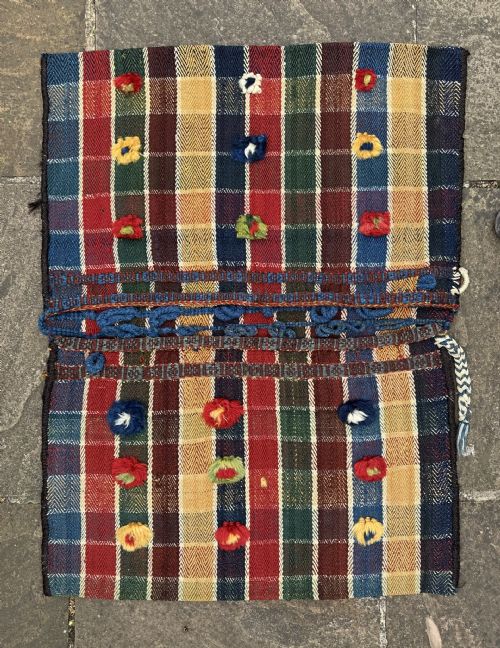
Fars Province Tribal Weave
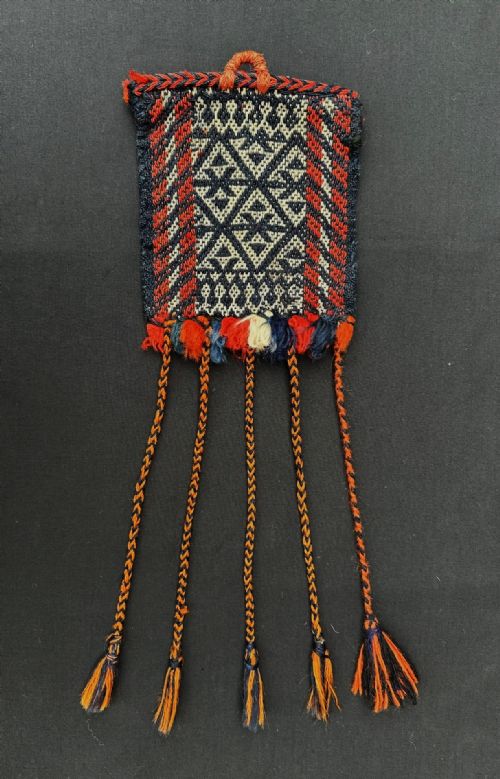
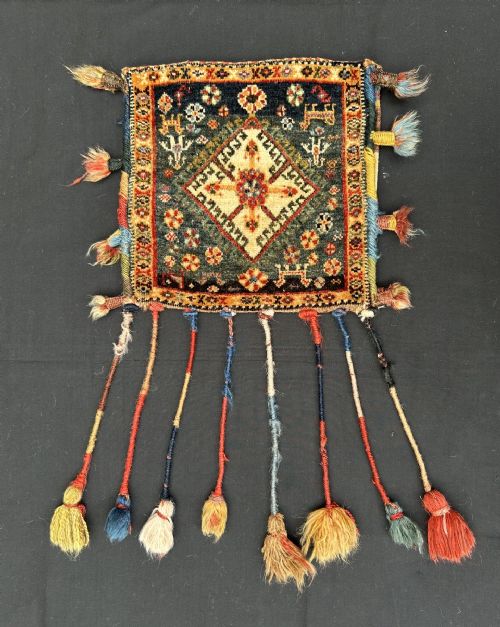
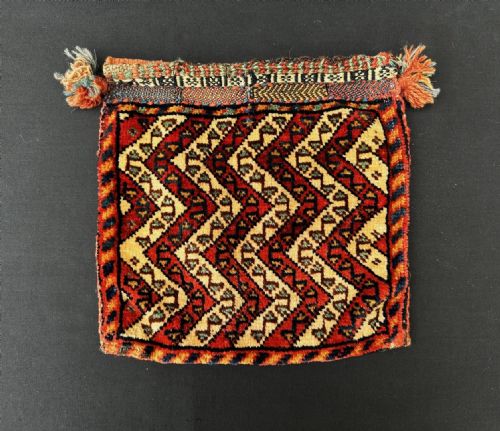
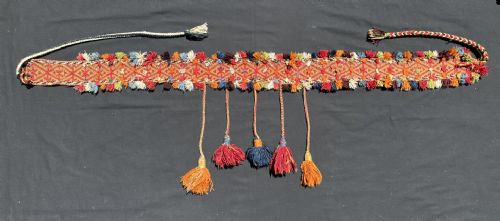
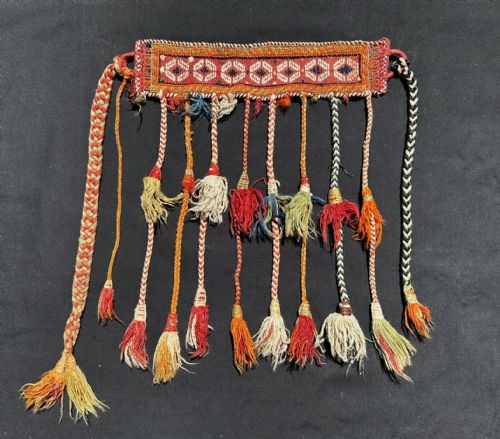
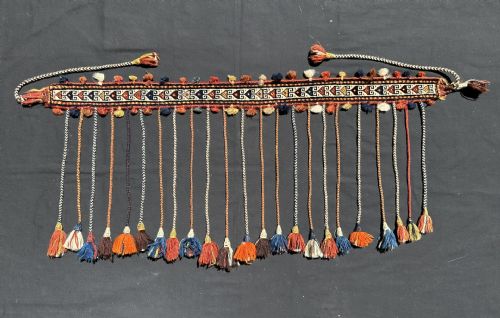
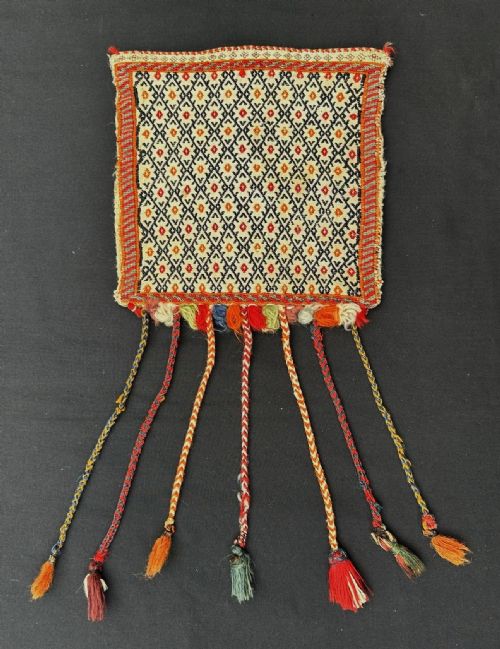
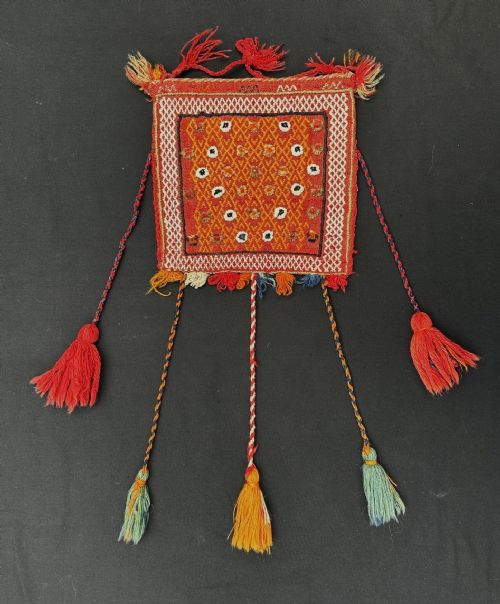
Fars province tribal weave items are South-West Persian nomadic textiles possessing remarkable handheld utility and rich cultural character.
Fars Province Tribal Weave
Buyers encounter smaller utilitarian forms frequently, particularly vanity-bags, spindle or water-pipe bags, and saddlebag faces that served specific daily roles within tribal camps. These pieces reflect the utilitarian requirements of pastoral communities moving through South-West Persia, where portable storage and animal adornment were essential parts of material culture.
How they were made
The construction relies heavily on wool and hand-spun wool combined with cotton foundations, reflecting pastoral resources available to nomadic weavers. Natural dyes provide the underlying palette for these textiles, imparting deep and variegated tones across the surface.
Auxiliary materials such as leather and wood appear in specific functional pieces like bags and cradles, adding structural durability to the woven textiles. The integration of these organic elements supports the rigorous demands of nomadic transport and daily use.
Specific sub-tribes represented include the Kashkuli Tayefeh, Darrehshuri Tayefeh, Bolvardi, Shekarlu Tayefeh, and Ard Kapan Taifeh.
What varies in quality
Quality differences emerge in the fineness of the wool spinning and the precision of the tribal patterning executed across the surface of the weave. Tighter knotting or denser flatweave construction distinguishes superior examples produced by skilled nomadic hands.
The complexity of the designated sub-tribe attribution and the integrity of the natural dye palette also influence the standing of an individual textile. Pieces retaining complete original leather components or structural wooden elements demonstrate higher fidelity to their original nomadic purpose.
The Fars Province Tribal Weave Glossary
- Qashqai
- A major confederacy of pastoral nomadic tribes originating in the Fars province of South-West Persia. They are renowned for producing distinctive tribal weaves with rich wool and natural dyes.
- Tayefeh
- A term denoting a specific sub-tribe or clan within the larger tribal confederacy structure. Identifying the tayefeh points to distinct regional design preferences.
- Moj
- A traditional Persian flatweave textile or blanket produced by tribal groups. These pieces serve utilitarian purposes within nomadic households.
- Saddlebag face
- The decorative front panel of a larger animal transport bag intended for practical use on horses or pack animals. These panels are frequently preserved independently as decorative wall hangings.
Fars Province Tribal Weave: Frequently Asked Questions
What is a fars province tribal weave?
It is a hand-woven textile created by nomadic groups in South-West Persia, specifically associated with the Qashqa'i confederacy.
These items range from small vanity-bags and salt-bags to larger animal trappings and flatweave moj blankets.
How were these tribal bags used?
Nomadic families utilised them for daily storage, carrying personal items, holding salt, or transporting household goods during seasonal migrations.
Horse decorations and animal trappings were similarly employed to adorn working animals within the tribal camp.
How do I date these textiles?
Dating relies on stylistic analysis, material indicators like hand-spun wool, and the presence of natural dyes typical of the late nineteenth and early twentieth centuries.
Pieces seen here originate primarily between 1880 and 1920.
How should I display them at home?
Smaller textile bags and saddlebag faces are well-suited for mounting as wall hangings to showcase the intricate tribal patterns.
Larger flatweave pieces can be positioned carefully in low-traffic areas to preserve the delicate hand-spun wool structure.