




South Persia Weaving
South persia weaving brings together the rich tribal textile arts of southern nomadic confederacies, offering distinctive wool bags, rugs, and trappings shaped by authentic regional traditions.
South Persia Weaving
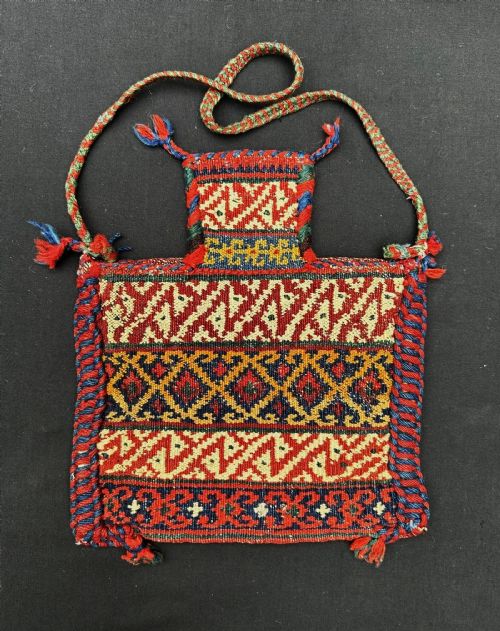
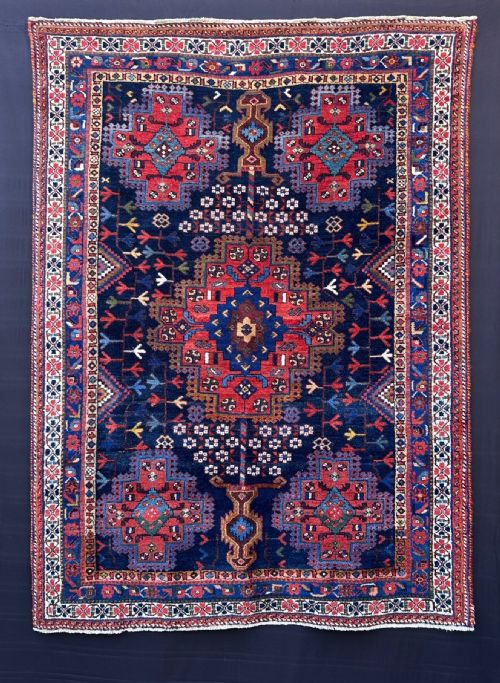
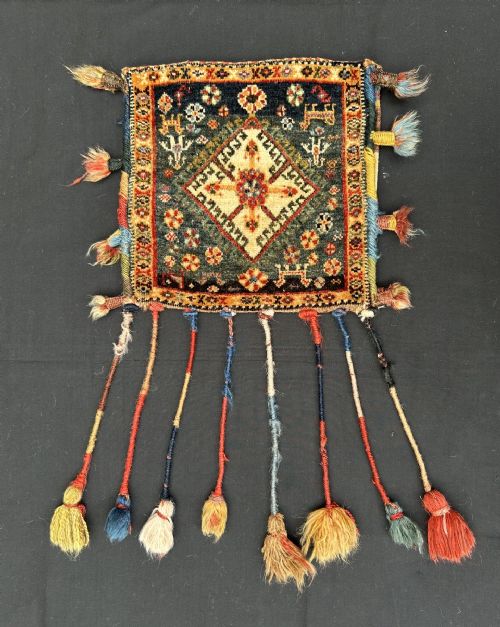
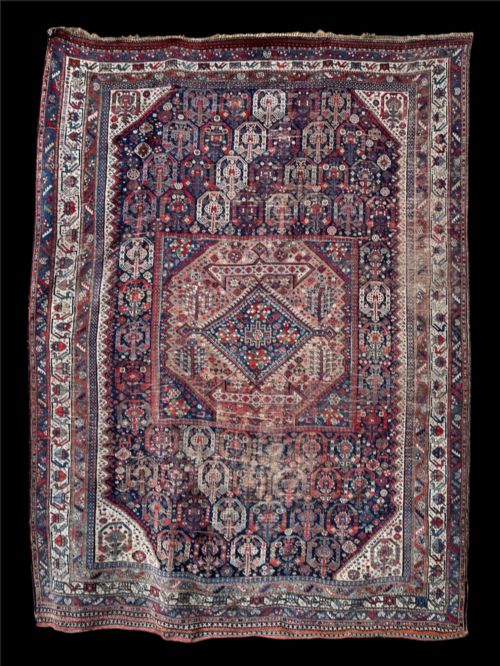
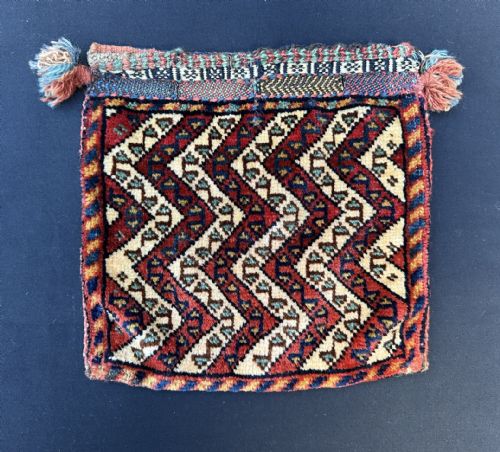
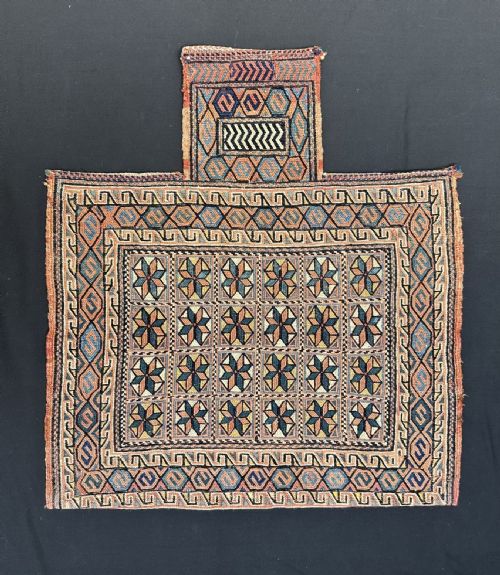
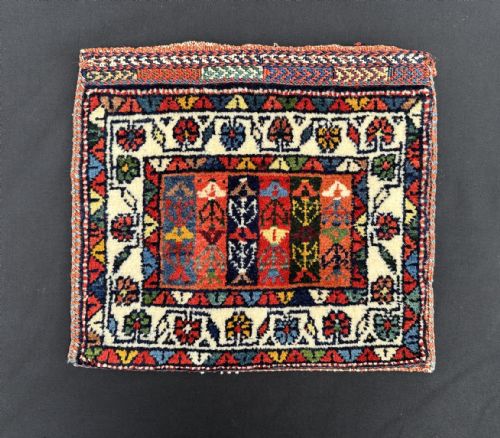
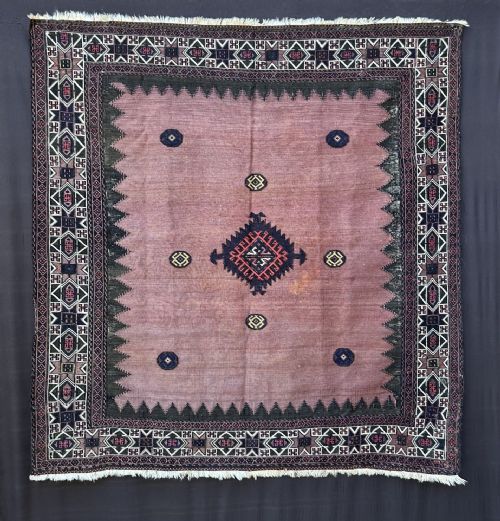
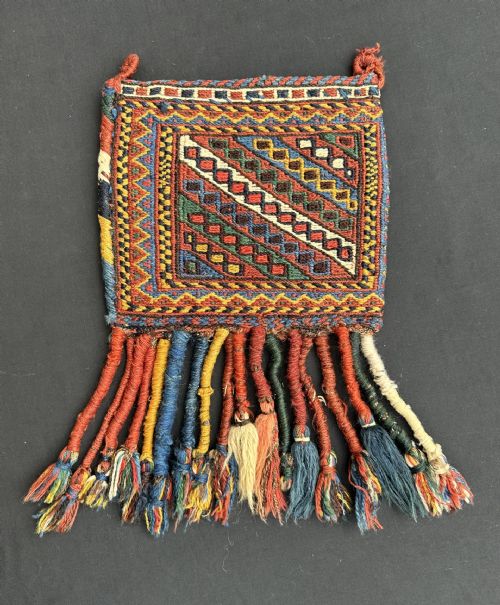
When you examine south persia weaving, you encounter the utilitarian and ceremonial artistry of nomadic confederacies such as the Qashqa'i, Afshar, and Khamseh. These groups produced items ranging from functional floor coverings and main carpets to specialised household objects like vanity bags, salt bags, and animal trappings.
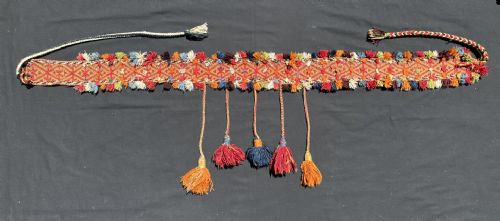
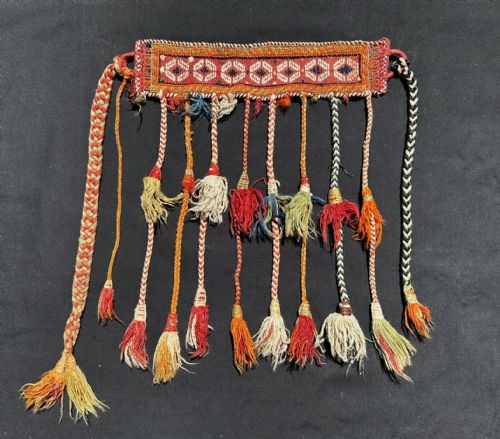
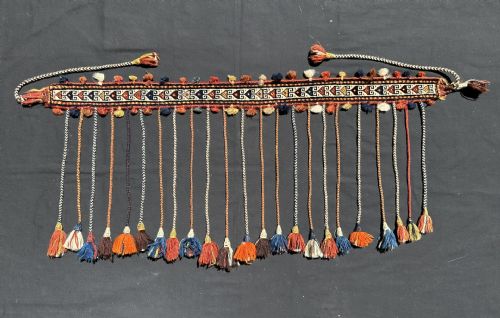
The objects on this page reflect specific tribal sub-groups and regional origins, including Fars and Kerman provinces. Utilitarian bags and horse decorations demonstrate how nomadic daily life integrated sophisticated textile production with practical transport needs.
Floor rugs and flatweaves such as soumaks and bread sofreh form a major part of these listings. Each piece carries the distinct geometric and medallion motifs associated with southern Persian tribal identity.
Materials and Construction Techniques
Nomadic weavers relied predominantly on hand-spun wool for its durability and resilience under harsh conditions. Cotton frequently appears in foundations, while natural dyes provide the characteristic deep palette seen across the pieces.
Structural embellishments occasionally incorporate materials such as leather, wood, and cowrie shells to reinforce or decorate functional items like saddlebags and horse blankets. Flatweaving and pile knotting techniques allow for varied textures, from dense carpet piles to crisp soumak structures.
Several survivalist horse decorations and animal trappings carry cowrie shells meant to ward off the evil eye during long desert treks.
Distinctions in Quality
The fineness of the knotting and the tightness of the weave separate exceptional examples from standard utilitarian pieces. Superior technical execution allows intricate geometric patterns and boteh motifs to maintain clarity and precision.
The purity and depth of the natural dyes significantly influence the overall visual impact of a textile. Well-preserved wool texture and careful handling of regional colour palettes elevate the desirability of individual tribal pieces.
The South Persia Weaving Glossary
- Sofreh
- A flatwoven spread or cloth used primarily for kneading dough, serving bread, or sharing meals. These utilitarian textiles often display striking geometric compositions.
- Soumak
- A flatweaving technique that wraps supplementary weft threads over the warp to create a durable, textured surface resembling embroidery on the reverse.
- Boteh
- A stylised floral or almond-shaped motif commonly found in Persian textiles, symbolising life and eternity. It serves as a primary decorative element in many tribal designs.
- Tayefeh
- A term denoting a clan or sub-tribe within a larger nomadic confederacy. Identifying the specific tayefeh helps localise the origin of a weaving.
- Ru Korssi
- A large decorative textile designed to drape over a traditional low heating table used in Persian households during winter months.
South Persia Weaving: Frequently Asked Questions
What are tribal bags used for?
Tribal bags served essential practical functions in nomadic daily life, used by families to transport salt, tobacco, pipes, and personal vanity items during seasonal migrations.
Mounted on animals or hung inside tents, these woven containers kept possessions secure and organised while doubling as displays of weaving skill and tribal identity.
How do I identify a Qashqa'i rug?
Qashqa'i rugs are typically characterised by distinctive medallion layouts, rich wool quality, and deep indigo or warm terracotta tones. They frequently incorporate animal figures, stylized birds, and boteh motifs.
Originating from the Fars province, these pieces often display lively colour combinations and fine knotting that distinguish them from other regional weaving styles.
What is an animal trapping?
Animal trappings are decorative woven pieces placed on horses, camels, or donkeys during ceremonies, migrations, or festive gatherings. They protected working animals while displaying status.
These items include horse blankets, saddle covers, and decorative face pieces adorned with auspicious symbols designed to ward off misfortune.
How should I care for antique wool textiles?
Antique wool textiles require gentle handling, regular gentle vacuuming without a beater bar, and protection from direct sunlight to prevent natural dye fading. Rotating pieces periodically ensures even wear.
Professional cleaning by specialists in antique oriental rugs helps maintain wool resilience without damaging the historical structure of the weave.