






Antique Kerman Tribal Textile
These antique kerman tribal textile pieces are South Persian nomad handiworks shaped by regional tribes for daily utility and display.
Antique Kerman Tribal Textile
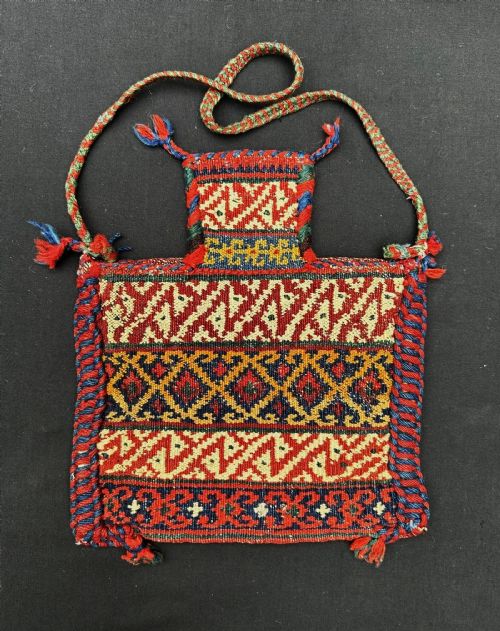
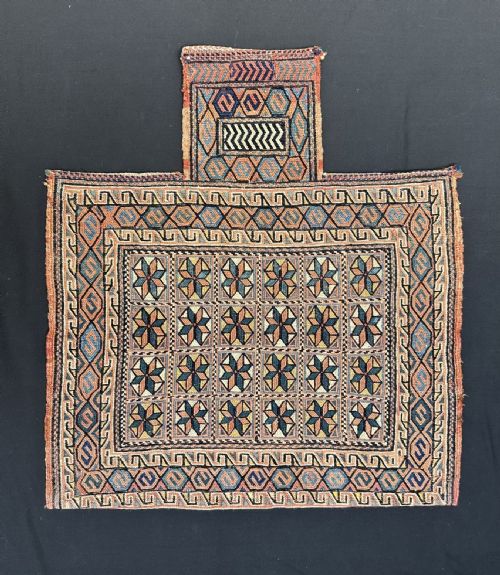
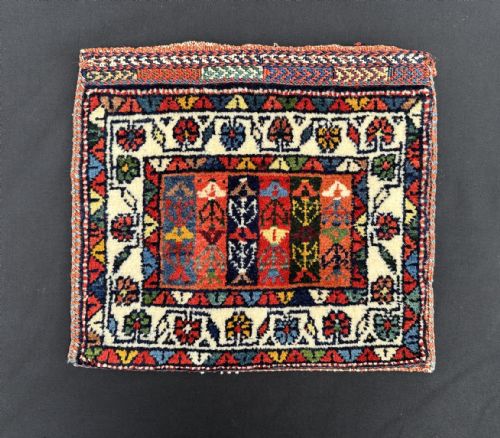
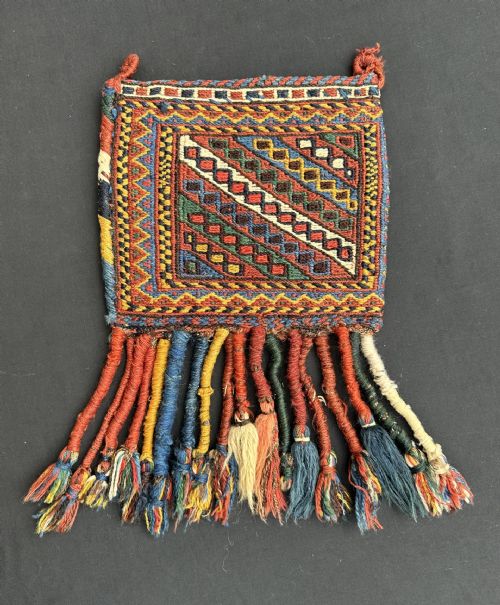
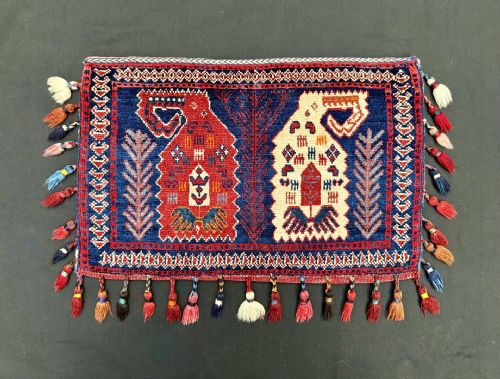
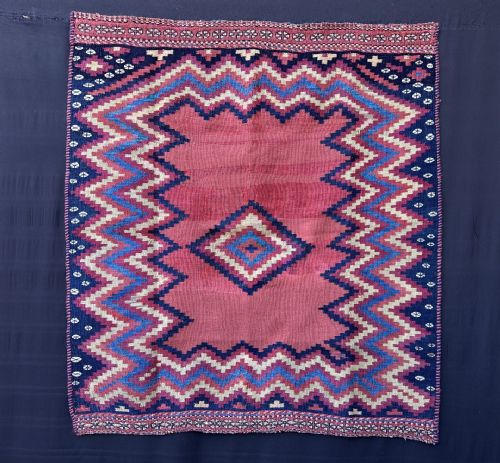
An antique kerman tribal textile brings the woven culture of South Persia into the home, focusing on pieces made by nomadic groups in the Kerman Province. When you search for this phrase, you meet practical woven items created for life on the move, including storage pouches, vanity bags, tobacco and pipe bags, and bread sofreh cloths.
The objects stem from tribal weavers such as the Afshar nomads and specific regional groups from Bardsir, Jebal Barez, and Aqta. These items served real domestic functions, from carrying personal goods to spreading flat on the ground for meals.
Most examples found here date from the late nineteenth century through to the early decades of the twentieth century. They show the distinct aesthetic of Persian tribal weaving traditions preserved across generations.
What varies in quality
The calibre of an antique kerman tribal textile depends on the density of the weave and the precision of the geometric or tribal pattern execution. Finer pieces demonstrate tighter knotting and more intricate handling of traditional motifs within smaller formats like vanity bags and personal pouches.
Condition and completeness also shape the character of each piece, particularly regarding the retention of original edge finishes, natural dye variations, and supplementary adornments like cowrie shells.
Listings span periods from eighteen-sixty to nineteen-twenty, featuring wool, cotton, natural dyes, and cowrie shells across Persian tribal textile forms.
The Antique Kerman Tribal Textile Glossary
- Sofreh
- A flatwoven cloth used traditionally for spreading meals or handling bread in Persian nomadic households. These textiles often feature striking geometric layouts.
- Afshar
- A major nomadic and semi-nomadic Turkic tribe inhabiting the Kerman province of South Persia. Their woven works are celebrated for bold tribal patterns.
- Chanteh
- A small personal bag or vanity pouch produced by nomadic weavers for carrying small possessions. They represent some of the most intricate miniature tribal textiles.
- Natural Dyes
- Colourants extracted from plants, roots, and insects rather than synthetic chemical sources. They impart a rich, varied patina over time.
- Bardsir
- A highland region within the Kerman province associated with specific tribal weaving groups. Pieces from this area display distinctive local design traits.
Antique Kerman Tribal Textile: Frequently Asked Questions
What is a bread sofreh?
A bread sofreh is a flatwoven textile used by nomads for preparing, serving, or wrapping bread during meals. These cloths were spread directly on the ground inside the tent.
They combine practical utility with traditional tribal design, often displaying strong geometric compositions unique to South Persian makers.
How were these bags used?
Nomadic bags served multiple functions on the move, from holding tobacco and pipes to storing personal vanity items. Smaller pouches were often carried on the person or packed inside larger transport containers.
Each specific bag type was tailored to the daily domestic requirements of the weaving tribe.
What materials are used?
The textiles rely principally on wool spun by hand for the primary fabric and pile. Cotton foundation threads appear alongside wool in various pieces to provide structural balance.
Natural dyes supply the colour palette, while occasional decorative additions like cowrie shells embellish the surface.