




South Persia Tribal Weaving
South Persia tribal weaving brings together nomadic rugs, bags, and trappings made by confederacies such as the Qashqai and Afshar.
South Persia Tribal Weaving
South Persia tribal weaving comprises utilitarian objects and floor coverings created by nomadic and village groups across regions like Fars and Kerman. Buyers searching for south persia tribal weaving encounter knotted rugs, flat-woven covers, and functional containers designed for nomadic life.
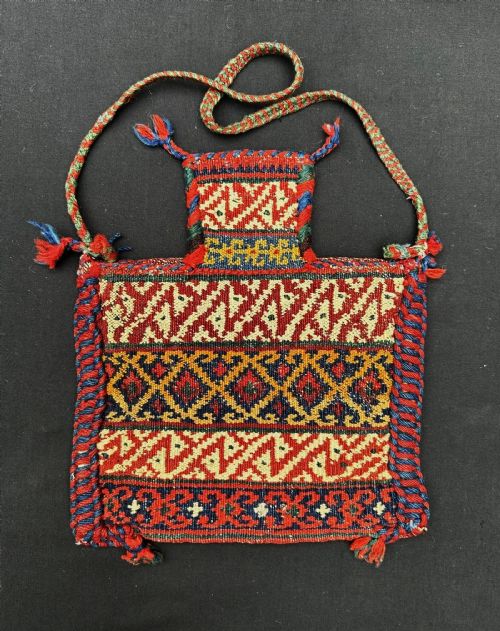
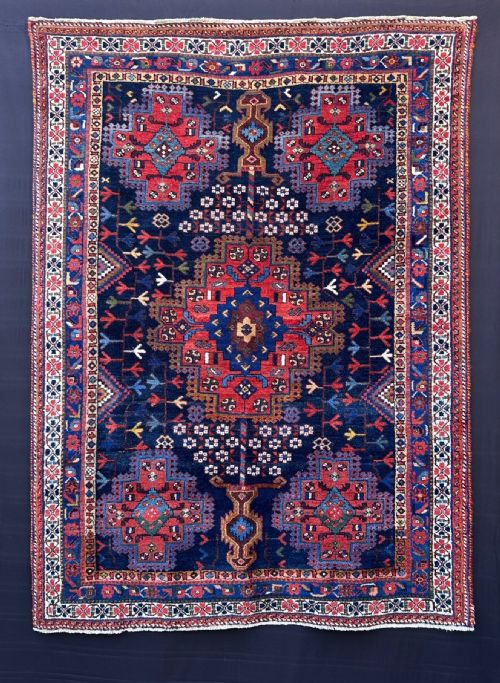
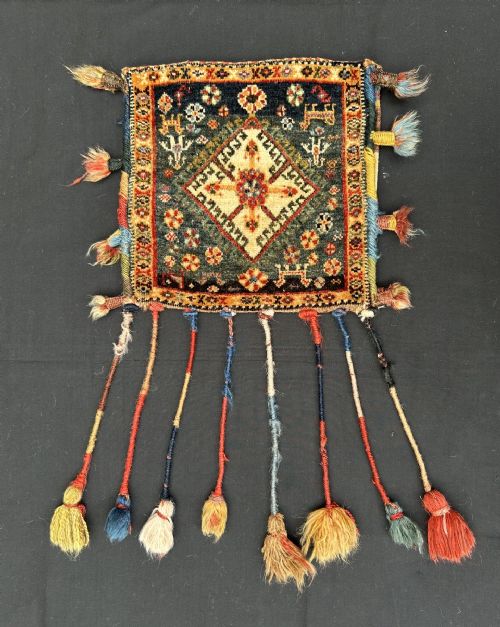
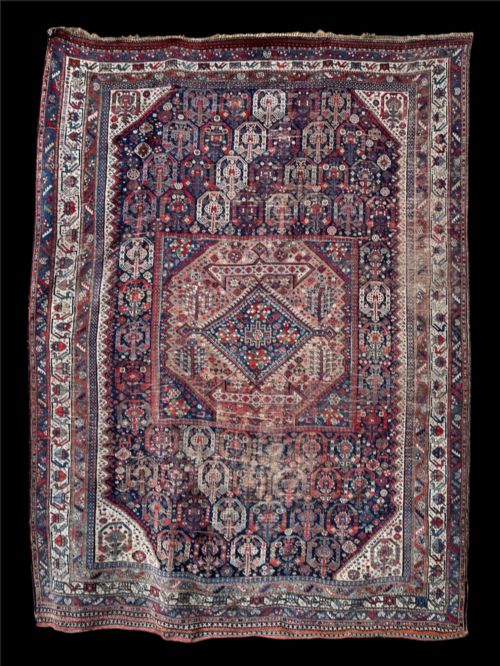
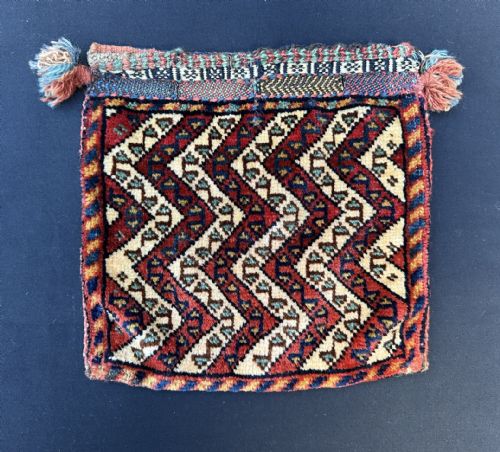
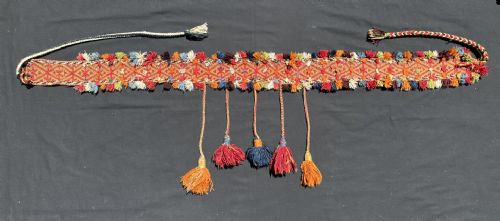
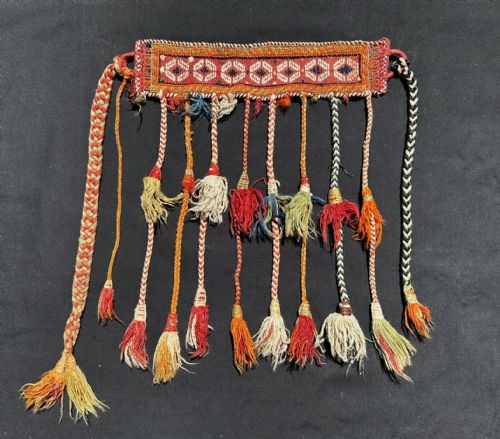
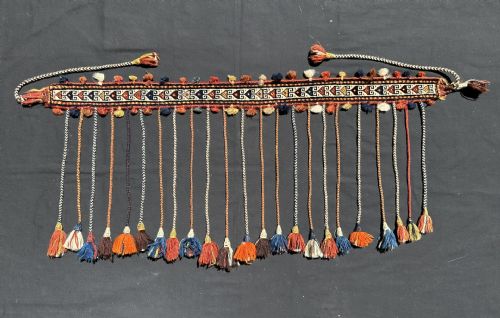
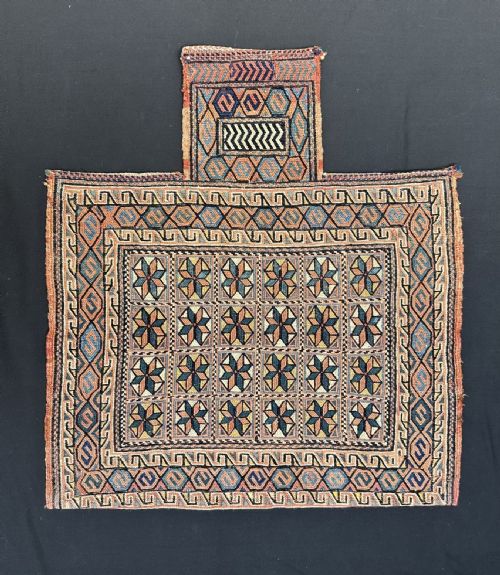
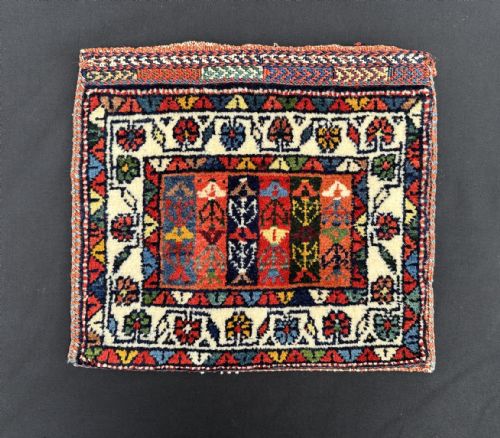
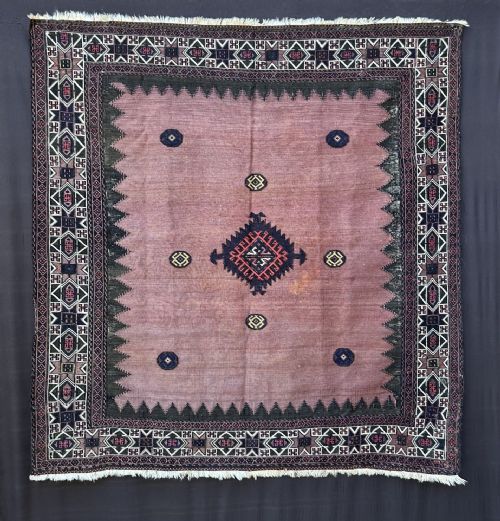
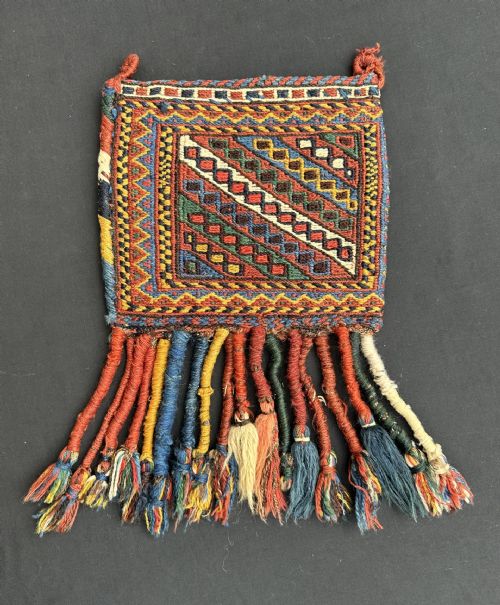
The material record includes specialised forms such as vanity bags, salt bags, saddlebags, and animal trappings alongside larger area rugs and main carpets. These pieces stem from nineteenth and early twentieth-century traditions maintained by tribes including the Qashqai, Afshar, and Khamseh confederacies.
Nomadic weavers produced items suited for transport and domestic use within tents, resulting in robust formats shaped by tribal identity and regional wool supplies. Pieces frequently originate from specific sub-tribes and tribal sections noted in the regional attribution.
Materials and construction
Weavers relied primarily on hand-spun wool for pile and foundation yarns, sometimes paired with cotton for warp threads in specific regional structures. Natural dyes provided the palette, derived from local plant and mineral sources across the Fars and Kerman provinces.
Structures incorporate supplementary materials such as leather, wood, and cowrie shells on utilitarian items like salt bags, horse decorations, and tobacco pouches. Flat-weaving techniques, Soumak wrapping, and traditional knotting methods define the surface texture and durability of each textile.
Listings span periods from the mid-nineteenth century through the early twentieth century, utilising wool, cotton, and natural dyes.
Factors of quality
Quality in these textiles depends upon the density and handling of the hand-spun wool, which dictates the handle and resilience of the pile. Finer knotting and precise execution of complex tribal motifs distinguish masterwork items from standard utilitarian pieces.
The depth and variation of natural dye colours influence the visual impact, as well-balanced palettes display greater tonal richness across the field. Integrity of original structures, including complete side-cords and intact tribal adornments, separates well-preserved examples from heavily worn pieces.
The South Persia Tribal Weaving Glossary
- Tayefeh
- A designated sub-tribe or clan within a larger Persian nomadic confederacy. This term appears in tribal attributions to specify the exact lineage responsible for a weaving.
- Sofreh
- A flat-woven spread or cloth utilised for handling bread or communal meals. These textiles feature specific geometric layouts connected with daily nomadic life.
- Soumak
- A flat-weaving technique where coloured pattern wefts are wrapped over foundation warps in continuous rows. This method produces a durable, textured surface without a cut pile.
- Boteh
- A recurring teardrop or almond-shaped motif symbolizing floral sprays or cypress trees. The design is frequently employed in Afshar and Qashqai compositions.
- Ru Korssi
- A decorative textile designed to drape over a traditional low heating table used in Persian households. These large covers display regional patterning suited for domestic warmth.
South Persia Tribal Weaving: Frequently Asked Questions
What are tribal bags used for?
Nomads utilised small woven containers for storing salt, tobacco, pipes, and personal vanity items during seasonal migrations. These bags hung inside tents or served as pack gear on animals.
Many examples feature reinforced backs and specialised openings designed for specific daily functions within the tribal camp.
How do I identify Qashqai weaving?
Qashqai textiles originate from the Fars province and often incorporate saturated madder reds, deep blues, and repeated medallion formats. Animal trappings and horse decorations frequently bear this attribution.
Sub-tribal groups within the confederacy utilised distinct border arrangements and symbolic motifs passed down through generations.
Are natural dyes common in these rugs?
Weavers relied on traditional plant and mineral sources to colour their hand-spun wool before synthetic dyes became widespread. These natural colorants yield subtle tonal variations across the field.
Exposure to light over decades softens the palette, creating harmonious shifts in shade known asabrash.
How should I care for a tribal rug?
Regular gentle vacuuming without a rotating brush helps prevent grit from settling into the hand-spun wool pile. Professional cleaning suited for antique textiles preserves the natural lanolin and dye stability.
Placing a breathable underlay beneath area rugs prevents slip and reduces friction against hard flooring surfaces.