



Solid Silver Sugar Bowl
A solid silver sugar bowl brings tactile weight and period character to a tea service, offering lasting craftsmanship in precious metal.
Identifying your solid silver sugar bowl
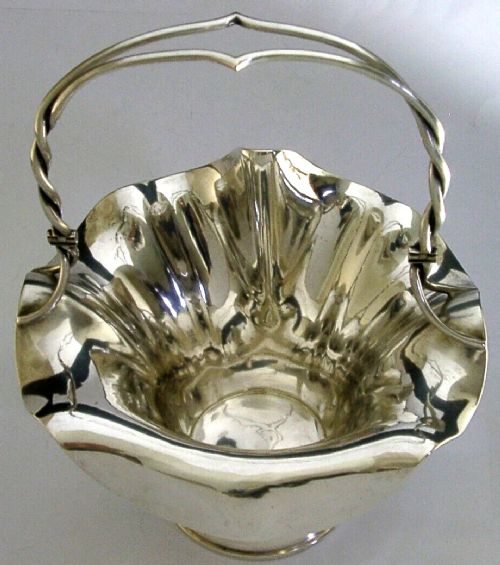
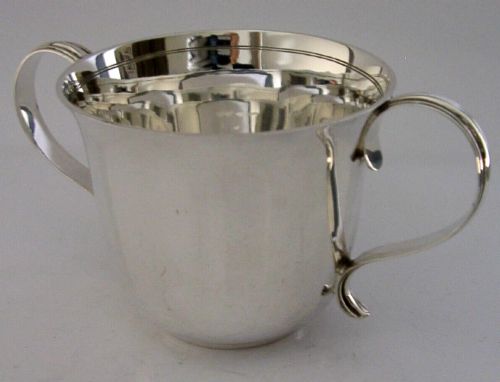
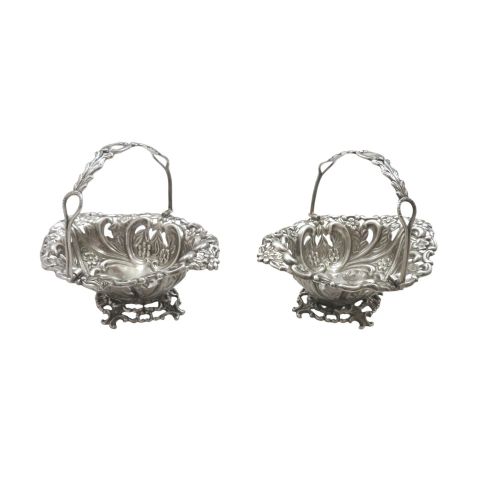
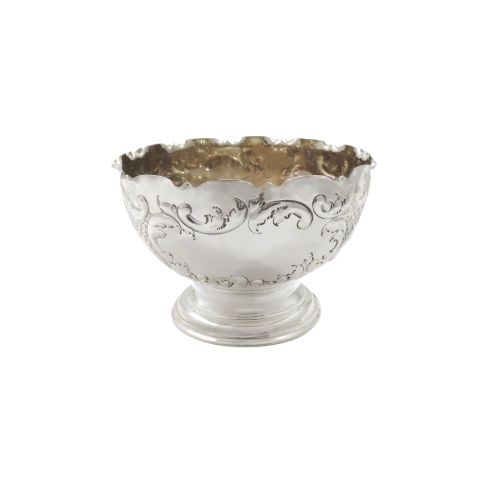
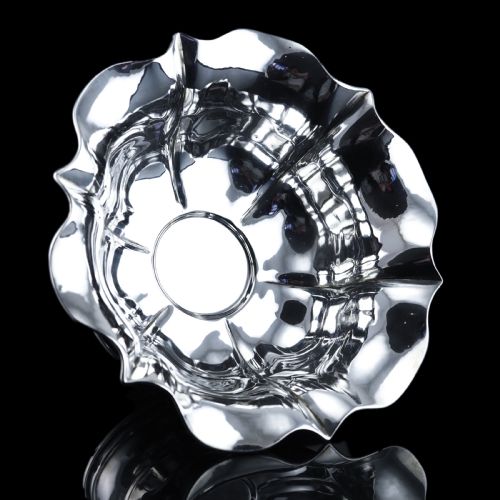
A solid silver sugar bowl is a hollowware vessel designed for table use, appearing in forms ranging from footed basins to twin-handled porringers and open bowls. When you search for this phrase, you encounter pieces spanning the eighteenth century through the mid-twentieth century, with Victorian and Edwardian examples appearing frequently alongside George III and Art Deco designs.
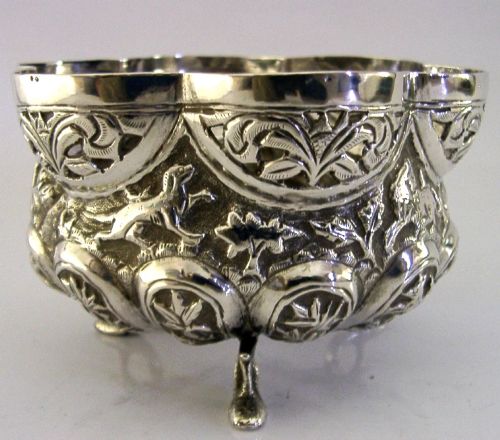
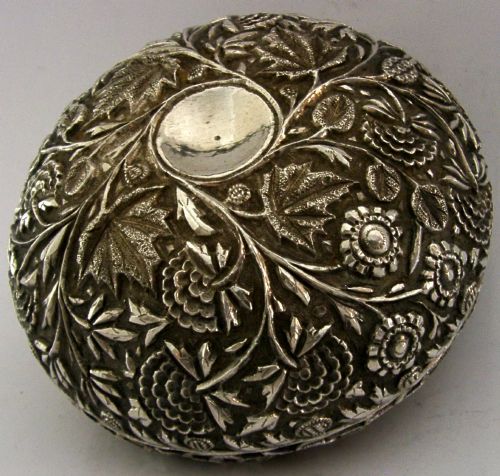
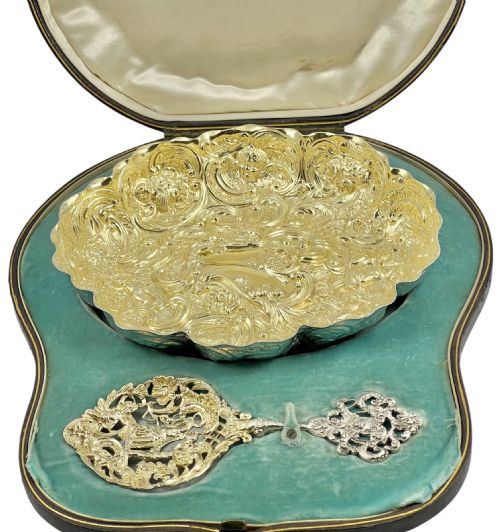
The objects recorded in our archive and current listings demonstrate diverse regional origins and decorative idioms, including Anglo-Indian work, Arts and Crafts simplicity, and Rococo revival forms. Many survive as standalone items, while others form part of matching tea and cream sets or cased presentations.
Materials and construction methods
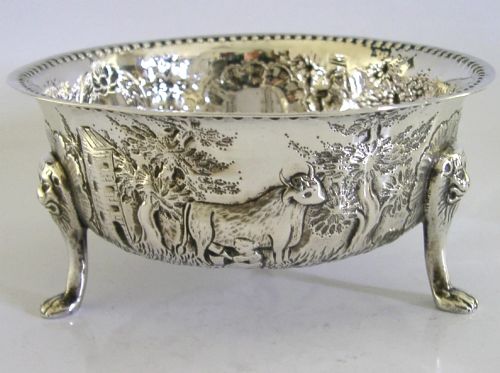
These vessels are forged from sterling silver or solid silver, often possessing considerable heft that reflects substantial metal thickness. Makers utilised techniques such as raising from a flat sheet, casting for feet and handles, and piercing or lattice work to achieve intricate geometric or floral patterns.
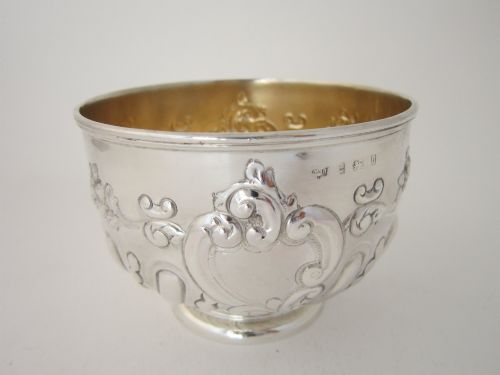
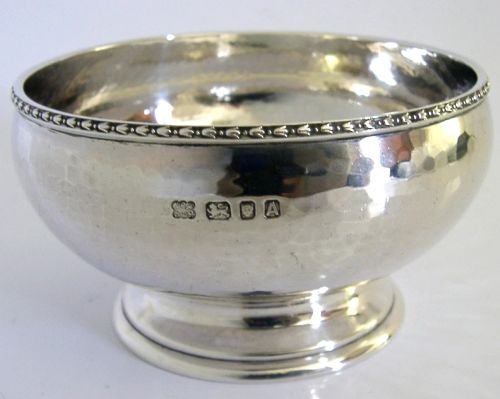
Surface ornamentation ranges from plain polished finishes to embossed details and hand-chased motifs. Pieces frequently carry clear hallmarks stamped directly into the metal, denoting the assay office, date letter, and maker's mark.
Retail Price Guide 2026
Typical UK retail prices for solid silver sugar bowl, calculated from the Sellingantiques database of over a million retail prices indexed since 2003. This retail price guide relies exclusively on Sellingantiques data; no external sources or auction records are used, so the figures do not describe the wider market.
Listings feature sterling silver and solid silver pieces spanning the eighteenth, nineteenth, and twentieth centuries, including George III, Victorian, Edwardian, and Art Deco examples.
Distinguishing quality across periods
Quality in these vessels rests upon the gauge of the silver and the precision of the silversmith's handwork. Heavier specimens demonstrate superior structural integrity, maintaining crispness in chased borders and secure joints where handles or feet join the main body.
Design ambition further separates the range, moving from utilitarian open basins to sophisticated creations by noted makers involving cast mounts, intricate lattice piercing, or harmonious twin-handled symmetry.
John Barrett·Walter Brind·Robert Hennell·Walker & Hall·Maple & Co·Edward Barnard·Hukin & Heath·Nathan and Hayes·James Deakin and Sons
The Solid Silver Sugar Bowl Glossary
- Hallmark
- A series of official stamps applied to precious metal items to guarantee purity, origin, and year of manufacture. These marks allow collectors to trace a piece to specific assay offices such as London, Birmingham, Sheffield, or Chester.
- Porringer
- A small, deep bowl typically fitted with one or two flat horizontal handles. In earlier centuries, these vessels served various domestic purposes including broth and porridge, later being adopted for sugar service.
- Pierced
- A technique where metal is cut through to create decorative openwork lattices or friezes. This method reduces the weight of the bowl while adding visual lightness to the design.
- Twin-handled
- A form featuring two opposing handles attached to the body of the bowl. This configuration appears frequently on larger Georgian, Victorian, and twentieth-century sugar basins.
Frequently Asked Questions
How do I clean my silver bowl?
Wash the vessel in warm, soapy water using a soft cloth, then dry thoroughly with a lint-free towel to prevent water spots. Avoid abrasive scourers or harsh chemical dips that strip the natural patina accumulated over decades.
Store the piece in a dry environment away from direct sunlight and humidity. Regular handling often helps maintain a natural sheen without frequent polishing.
Can I use these bowls daily?
These vessels were engineered for functional domestic service and retain their structural durability for modern use. Solid silver withstands regular handling when treated with reasonable care.
Many owners incorporate them into everyday dining or special occasions alike. Their robust metal construction ensures they remain practical tabletop accessories.
What is the difference between Georgian and Victorian styles?
Georgian examples often display restrained neoclassical symmetry or smooth, unadorned surfaces with emphasis on elegant proportions. Victorian pieces tend toward heavier ornamentation, incorporating chased flora, Rococo revival scrolls, and elaborate handles.
Hallmarks provide the definitive date, confirming whether a piece belongs to the eighteenth century or the later nineteenth-century revival periods.
Why do some bowls have handles?
Twin-handled configurations derive from traditional porringer designs and heavy ceremonial vessels of earlier centuries. The dual grips facilitated passing the bowl around a tea table.
This form persisted through the Victorian and Edwardian eras as a decorative preference, offering balanced symmetry and ease of lifting.