
Solid Silver Bowl
A solid silver bowl brings weight and grace to a table, spanning from Georgian dining rooms to mid-century modern sideboards.
Solid Silver Bowl
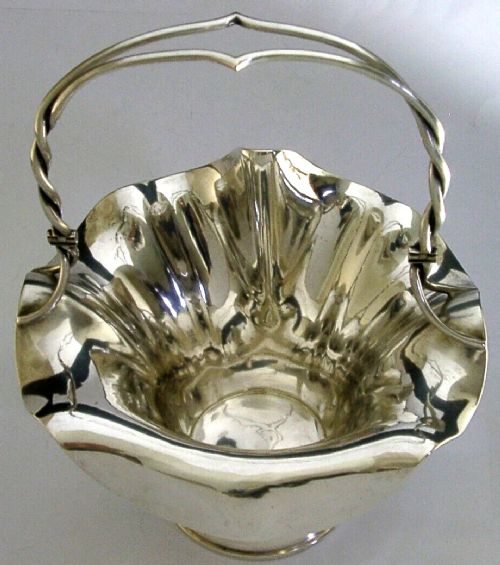
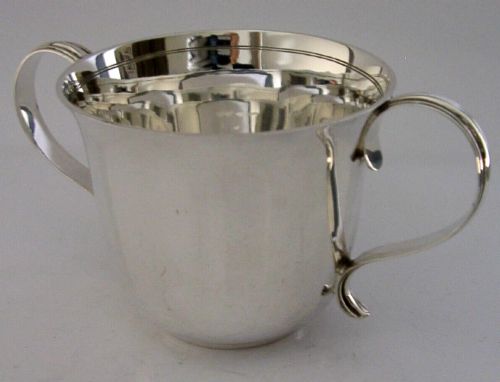
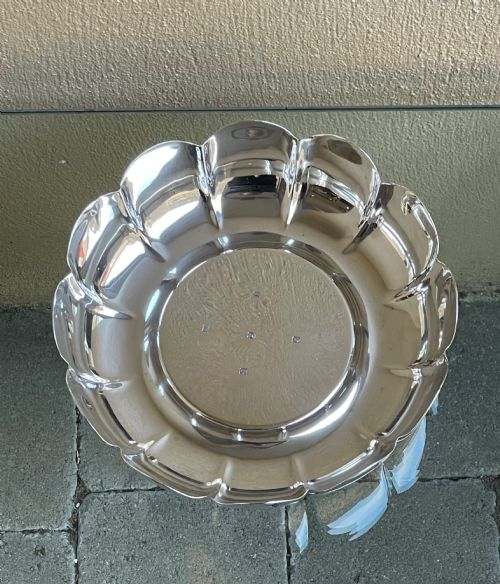
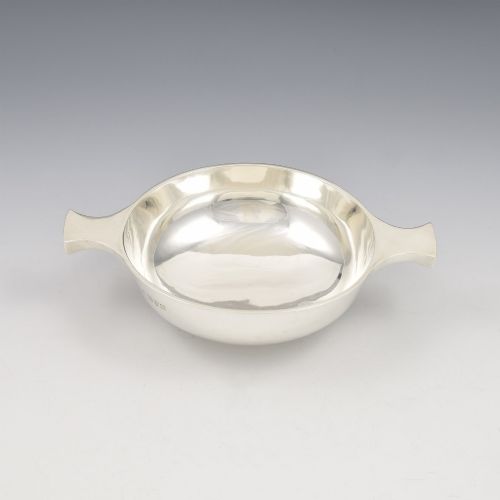
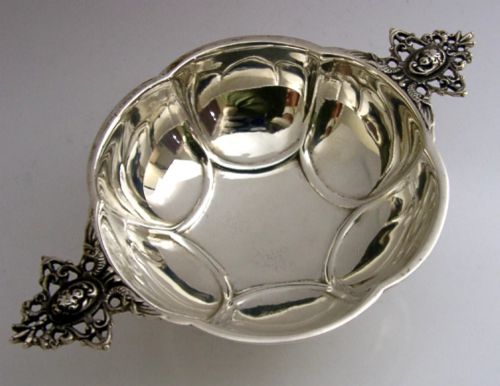
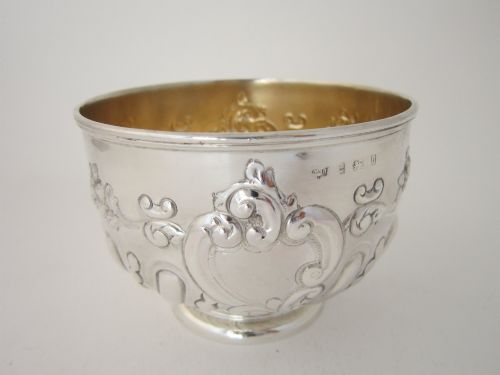
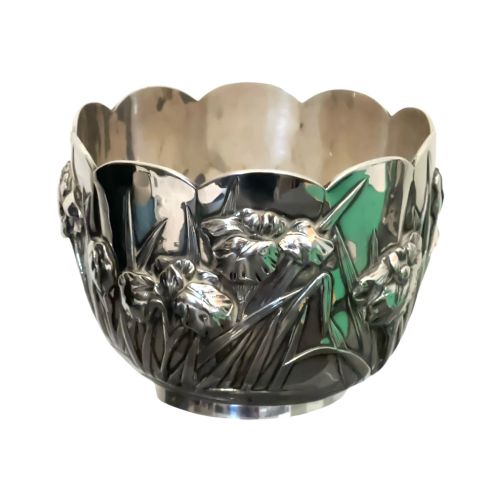
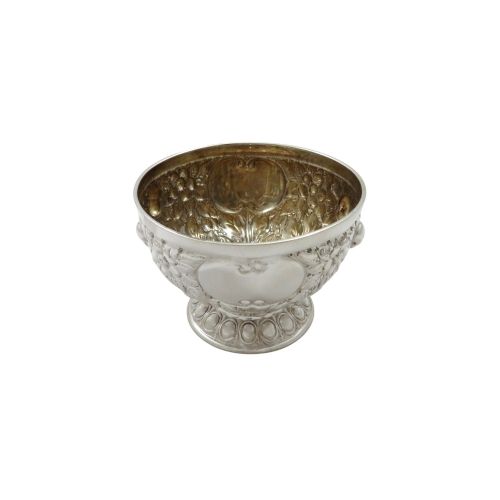
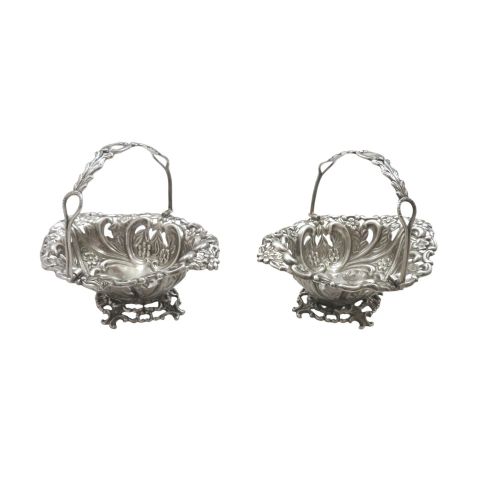
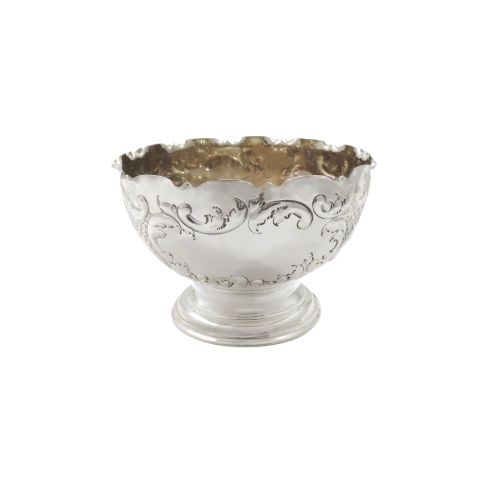
When searching for a solid silver bowl, buyers encounter a diverse selection ranging from heavy Victorian rose bowls and Edwardian pedestal dishes to intricate Arts and Crafts tazza forms. The selection frequently includes specialised vessels such as Scottish and Dutch quaichs, strawberry dishes, and imported Anglo-Indian or Burmese repoussé creations.
The objects span multiple centuries, with substantial representation from the Georgian, Victorian, and Edwardian eras, alongside mid-century Scandinavian and Continental workshops. Forms vary from simple flared trinket dishes and nut bowls to massive punch bowls and twin-handled porringers designed for display or dining.
How they were made
Silversmiths shaped these vessels using traditional techniques such as raising from a flat sheet of sterling or high-grade silver, alongside casting and hand-hammering to achieve a textured planished surface. Many examples incorporate intricate chased floral motifs, pierced lattice work, or applied borders, while others rely on clean modernist lines.
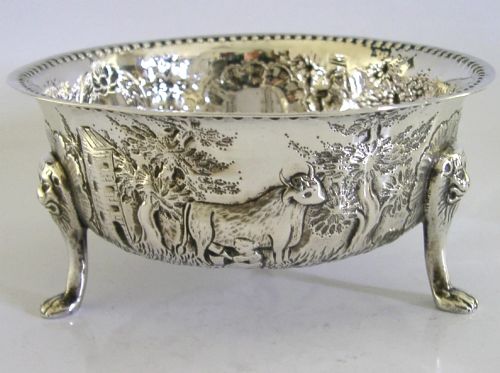
Continental and eastern workshops often utilised specialised processes including silver gilding, enamel work, and deep repoussé relief to create highly textured figural and floral scenes across the bowl surfaces.
Solid Silver Bowl Retail Price Guide 2026
Typical asking prices for solid silver bowl among the pieces listed under this phrase on Sellingantiques today, from the lower quarter to the upper quarter. They describe what is for sale here now, not the wider market.
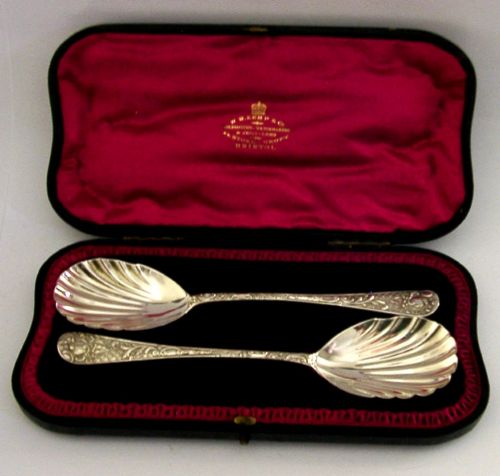
Materials recorded on this site include sterling silver, silver gilt, and high-grade continental silver, occasionally paired with velvet, leather, or satin linings.
What varies in quality
The distinction between standard domestic items and exceptional masterworks lies in the weight of the metal gauge, the depth of the hand-chasing, and the crispness of the maker marks. Thicker metal gauges prevent warping and provide a substantial heft that defines superior craftsmanship.
Design complexity and provenance also dictate the standing of a piece, where bespoke Art Nouveau contours, intricate openwork piercing, or documented maker attribution elevate the vessel above standard production ware.
Nathan and Hayes·Goldsmiths and Silversmiths Company·Hamilton and Inches·Henry Wilkinson and Co·Henry Matthews·Hans Vilhelm Hansen
The Solid Silver Bowl Glossary
- Quaich
- A traditional two-handled drinking vessel originating in Scotland, often used as a shallow bowl for spirits or communal toasts.
- Tazza
- A shallow bowl or cup mounted on a foot and stem, designed primarily for display or serving fruit and small cakes.
- Repoussé
- A metalworking technique where the silversmith hammers the metal from the reverse side to form a raised design in relief.
- Porringer
- A bowl with one or two horizontal flat handles, historically used for porridge, broth, or as a christening gift.
- Planished
- A hand-hammered surface finish created with a small round-faced hammer, leaving subtle overlapping facets across the silver.
Solid Silver Bowl: Frequently Asked Questions
How do I clean a silver bowl?
Use a specialised silver polishing cloth and warm soapy water to gently remove tarnish without scratching the soft metal surface. Avoid harsh chemical dips that can strip historical patination from chased recesses.
Dry the vessel thoroughly with a soft lint-free cloth after washing to prevent water spots and maintain the natural lustre of the silver.
What is a quaich used for?
A quaich served traditionally as a welcoming cup offered to guests containing whisky or other spirits. The two opposing handles allowed the drinker to hold the vessel securely with both hands.
Today these shallow bowls function as decorative table centrepieces, christening gifts, or presentation pieces for special ceremonies.
Can I use these bowls for food?
Solid silver is naturally antimicrobial and safe for serving dry foods, fruit, or sweets. Acidic foods like citrus should not be left in silver bowls for extended periods to avoid surface pitting.
Most antique pieces function exceptionally well for modern dining use provided they are washed gently by hand immediately after use.