



Small Wool Runner
When you search for a small wool runner, you are looking at narrow woven floor coverings made from natural animal fibres designed to fit hallways and compact spaces.
Small Wool Runner
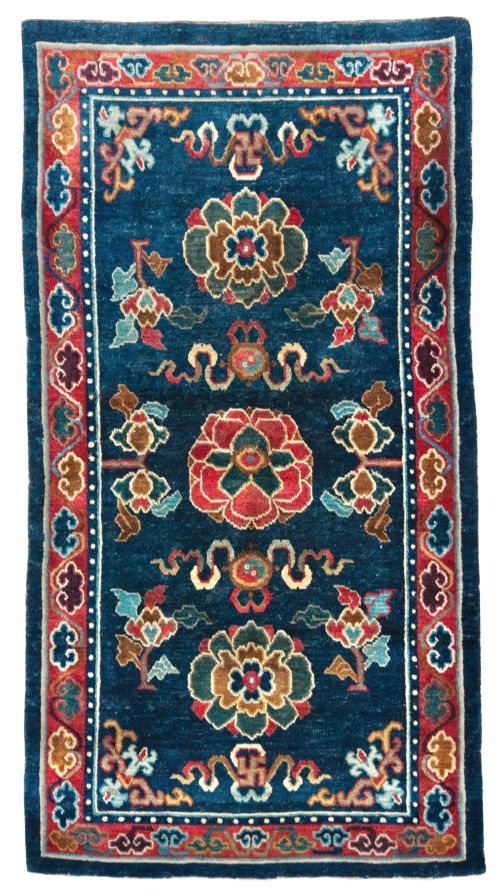
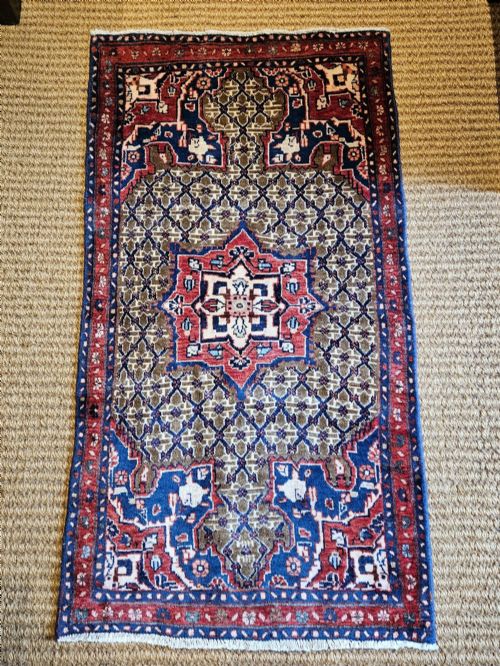
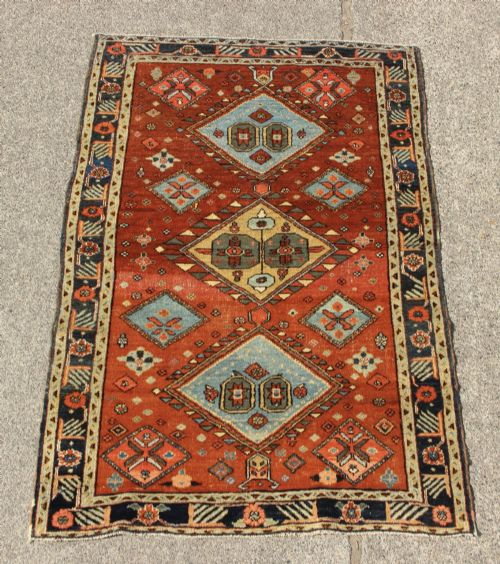
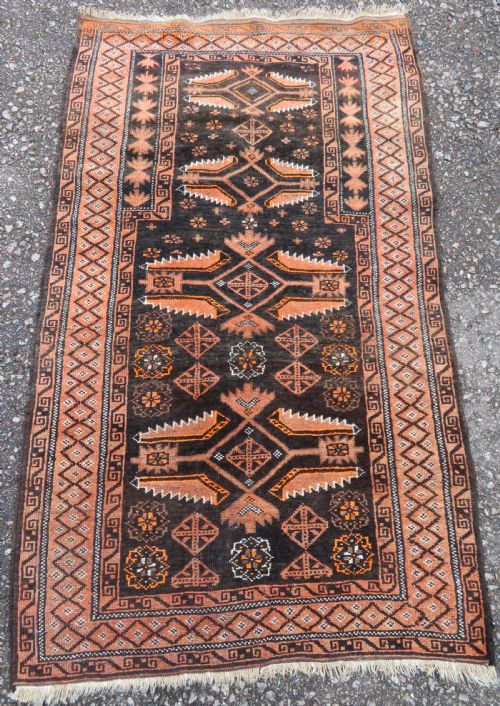
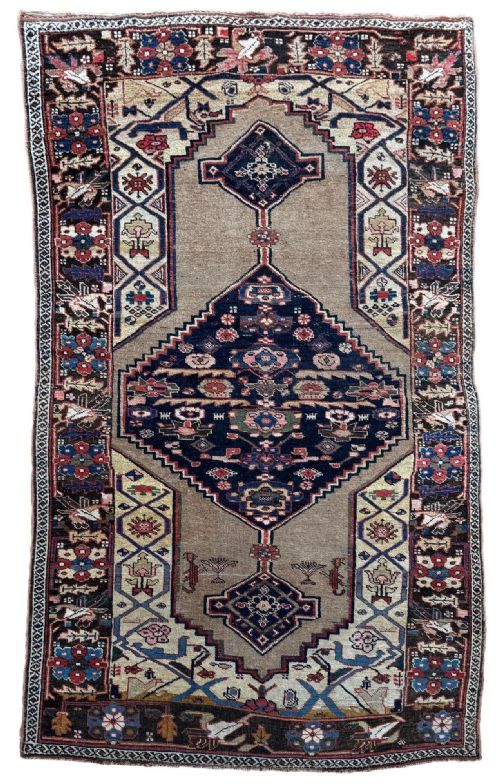
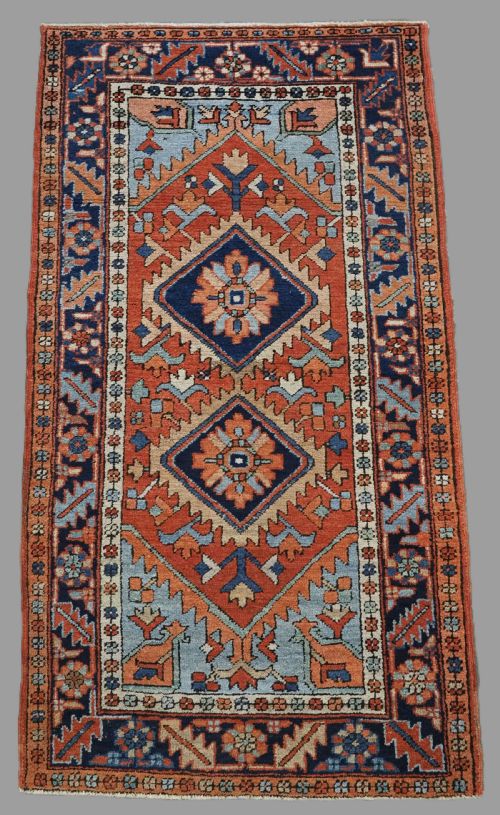
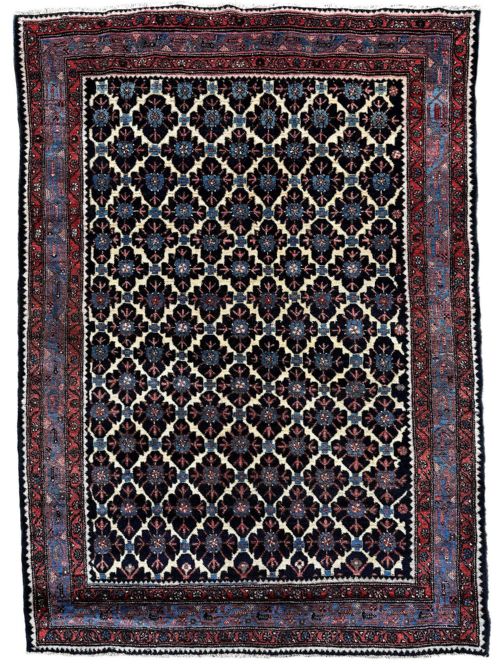
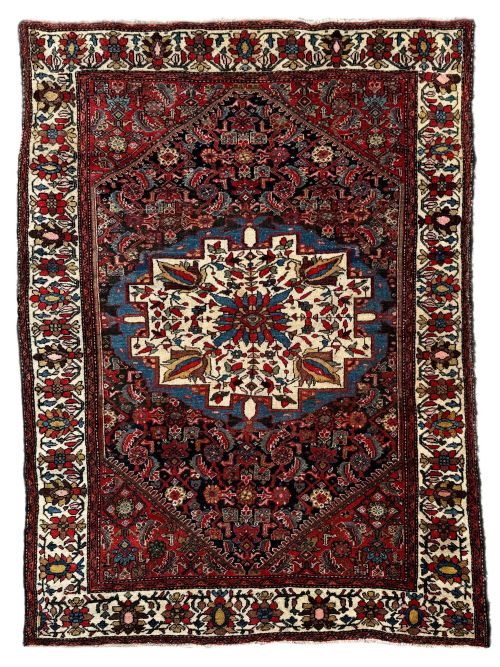
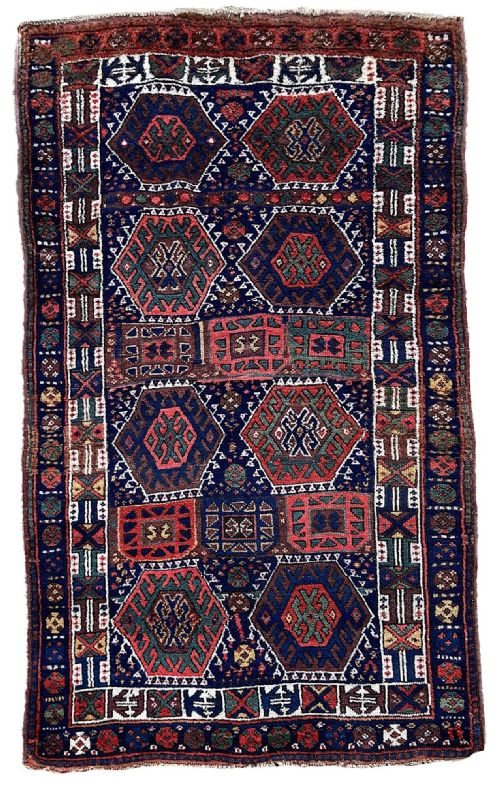
A small wool runner brings centuries of nomadic and village weaving traditions into narrow domestic spaces. These pieces function practically in corridors and small rooms while displaying distinct regional designs.
The selection ranges across Persian, Anatolian, Caucasian, and Turkmen tribal styles. Pieces include village rugs, prayer formats, and utilitarian fragments adapted for modern interiors.
Origins stretch from the late nineteenth century into the early twentieth century. Makers utilised traditional geometric and floral motifs passed down through generations.
What Varies in Quality
Quality rests upon the fineness of the weave and the crispness of the design execution. Tighter knots and balanced proportions separate standard village pieces from exceptional collector examples.
The integrity of the wool and the depth of natural dyes dictate visual permanence. Age-related wear alters the pile, but structural balance remains the primary indicator of merit.
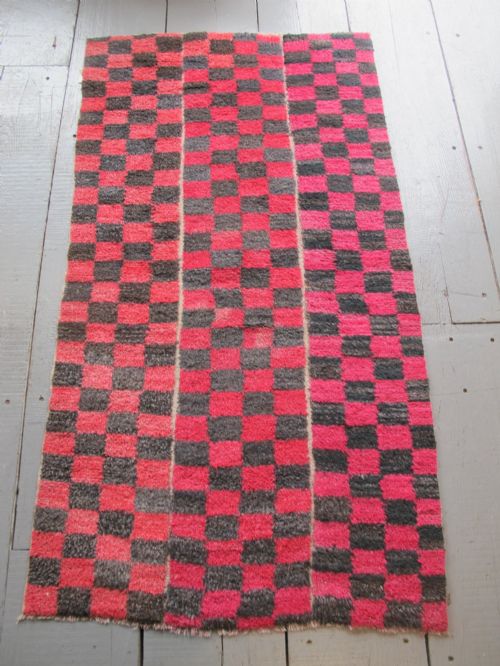
Some pieces began life as utilitarian storage bags before being repurposed into small decorative mats.
The Small Wool Runner Glossary
- Pile
- The upright wool loops or cut ends that form the soft surface of a rug. It provides the tactile texture and protects the structural foundation beneath.
- Warp
- The vertical threads stretched tightly on the loom before weaving begins. These parallel strands form the skeleton of the textile and often show fringe at either end.
- Weft
- The horizontal threads passed alternately over and under the warp strands to lock the knots in place. Packing the weft tightly creates a firm and durable fabric.
- Prayer Rug
- A specialised format featuring a central niche or mihrab design indicating the direction of prayer. These pieces were traditionally used for personal devotion.
- Natural Dyes
- Colourants derived from plants, insects, and minerals prior to the invention of synthetic alternatives. They produce harmonious tones that age with considerable character.
Small Wool Runner: Frequently Asked Questions
Where should I place a small wool runner?
These narrow textiles suit hallways, bedside areas, and compact landings where standard dimensions fail to fit. Their elongated proportions draw the eye along corridors.
Ensure you use a suitable underlay beneath the piece to prevent slipping on smooth wooden or tiled floors.
How do I clean an antique wool runner?
Gentle surface brushing and careful vacuuming without a rotating beater bar remove embedded dust effectively. Avoid soaking the textile or using harsh chemical detergents.
Professional specialist cleaning remains the safest option for maintaining the natural lanolin in older animal fibres.
What is a tribal rug?
Tribal rugs are woven by nomadic or village communities rather than urban workshops. The makers draw upon memory and local folklore for patterns rather than drawn cartoons.
These designs often feature bold geometric motifs, stylized animals, and distinctive regional colour palettes.
How do I identify the age of a rug?
Dating relies on examining the dyes, wool quality, structural materials, and stylistic motifs. Natural vegetable dyes and hand-spun wool generally point towards older nineteenth and early twentieth-century origins.
Structural irregularities and selvage repairs also offer clues regarding the period of manufacture and subsequent use.