


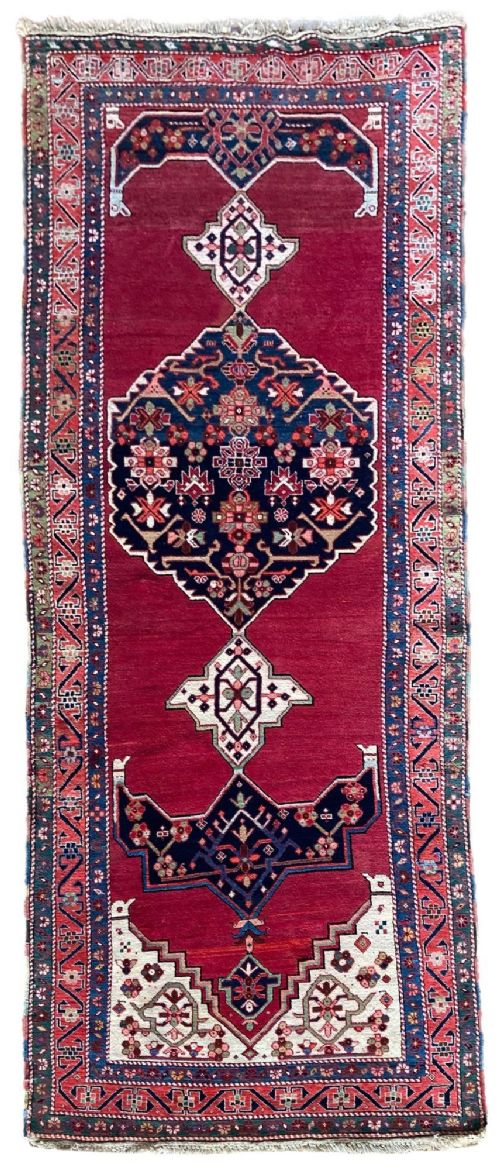
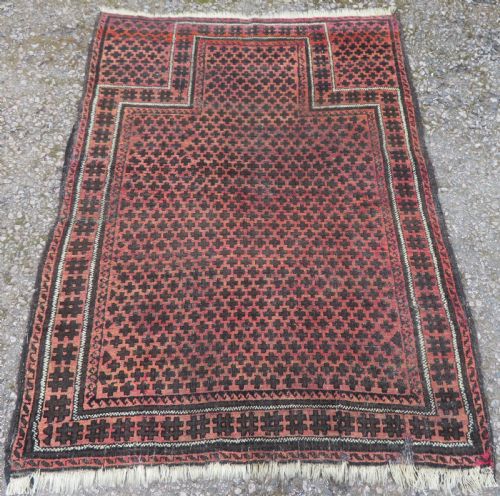
Dark Wool Carpet
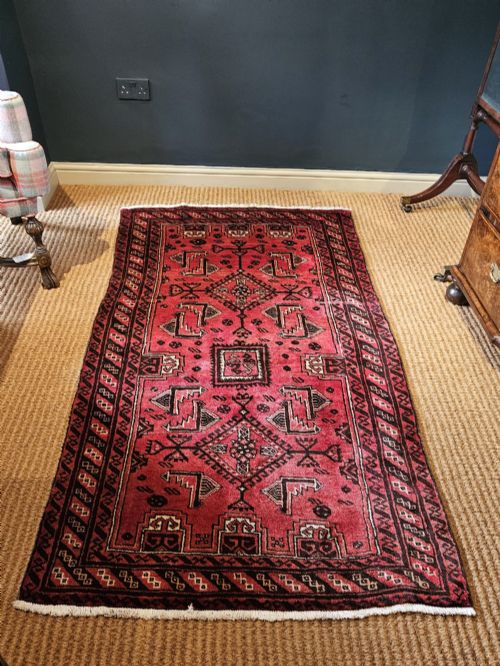
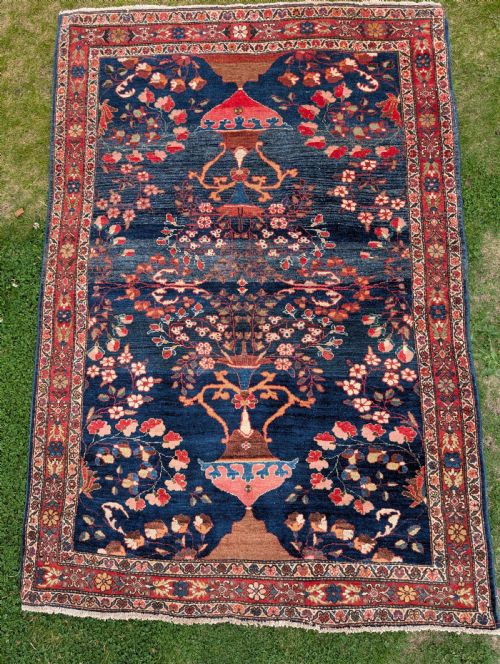
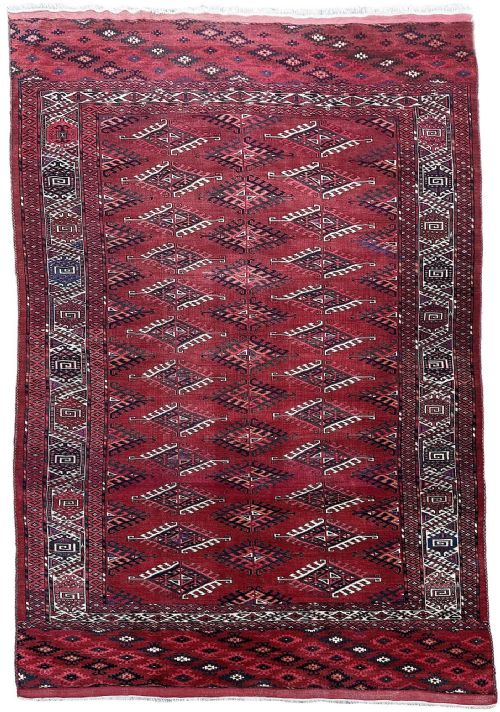
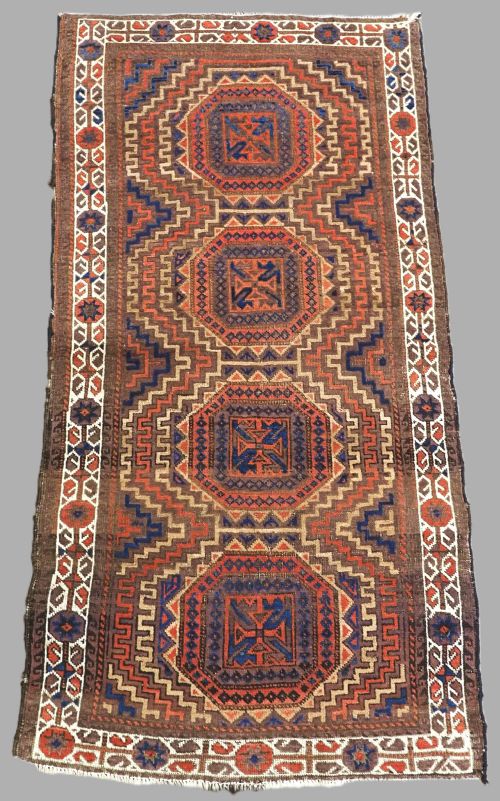
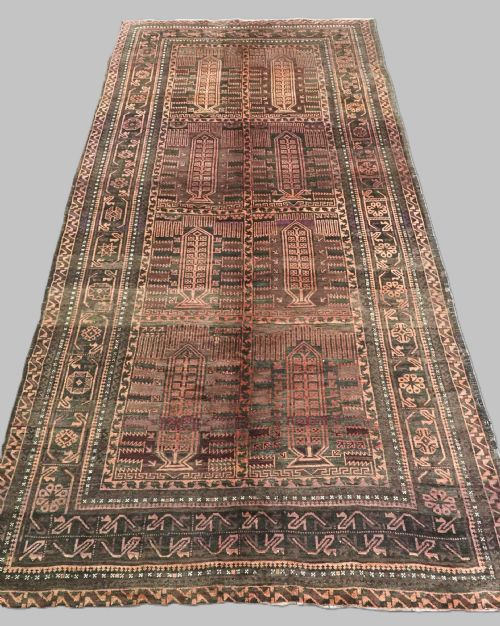
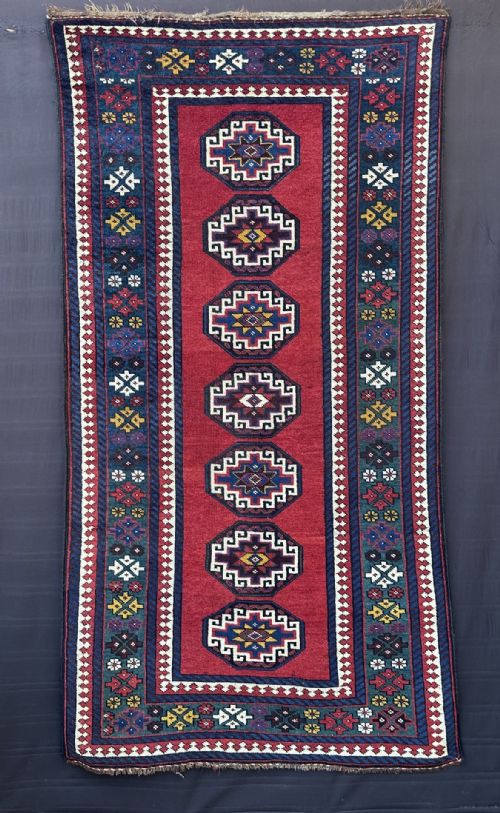
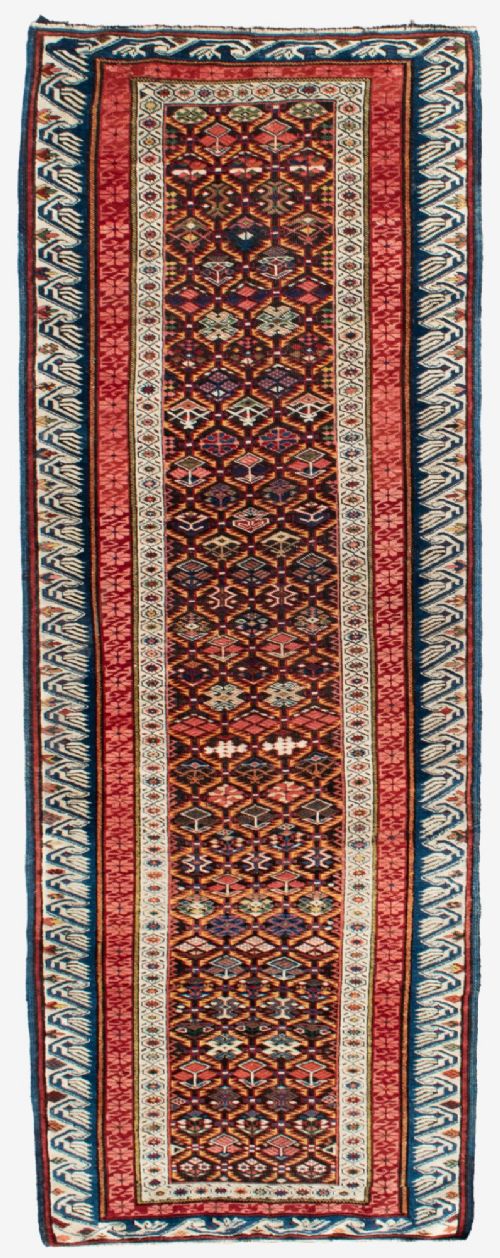
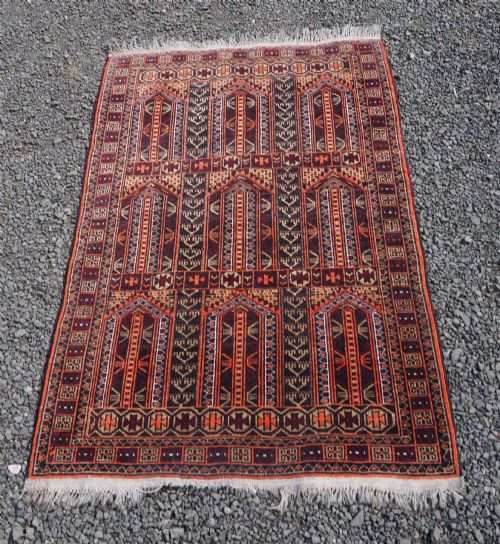
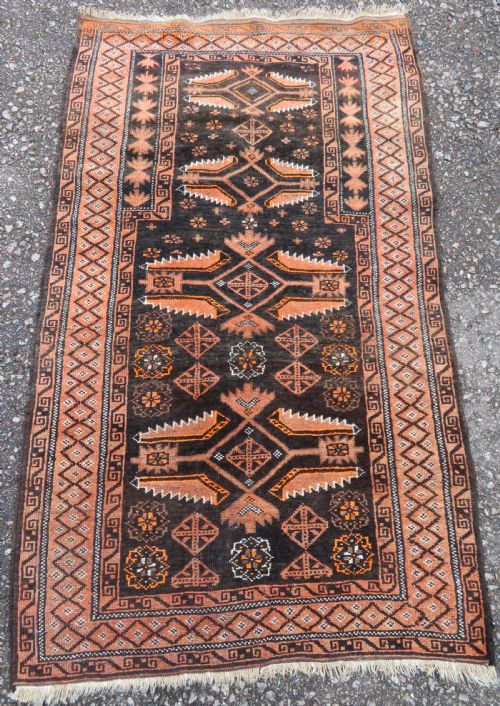
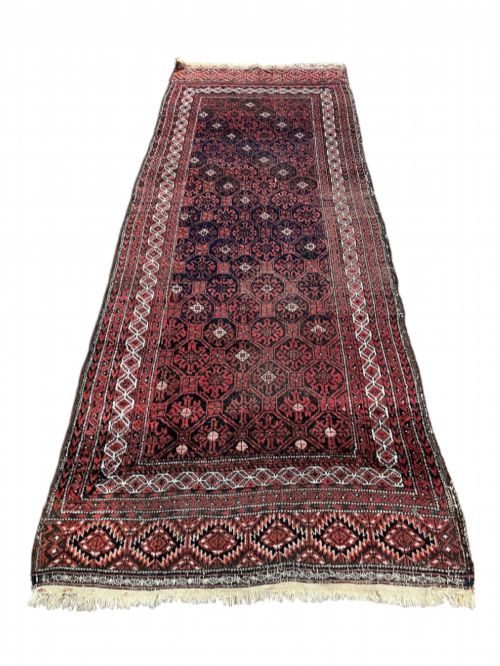
A dark wool carpet brings deep, grounding tones and heavy tribal patterns to a room, drawn from nineteenth and early twentieth century village weavers.
Dark Wool Carpet
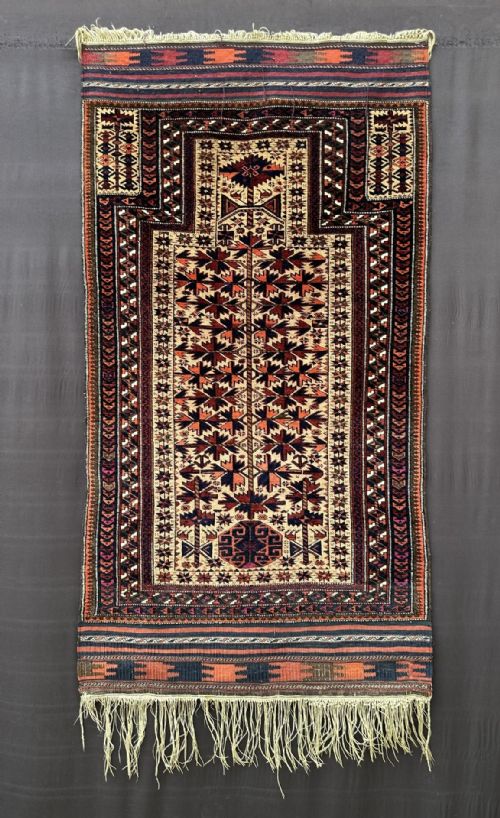
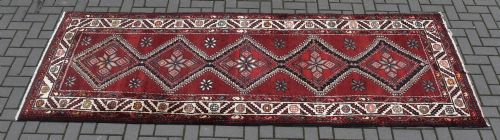
A dark wool carpet encompasses handwoven tribal rugs, runners, and room-sized carpets originating from Persian, Caucasian, and Turkmen workshops. Buyers searching this phrase meet nineteenth and early twentieth century pieces featuring dense, saturated wool grounds.
Common formats span small prayer rugs, elongated runners, and square carpets bearing traditional medallions, guls, and geometric repeats. Most examples rely on heavy wool piles and natural dyes to achieve their deep, sombre colour palettes.
How they were made
Makers utilised hand-spun wool and occasionally goat hair for the pile and foundation, ensuring a dense and durable structure. Natural dyes provided the rich, dark pigments that deepened steadily over decades of use and exposure.
Weavers knotted the wool by hand onto cotton or wool warp and weft foundations, producing varied pile depths depending on the regional tradition. Edge finishes typically involved overcast whipping or braided selvedges to secure the sides against fraying.
Dark Wool Carpet Retail Price Guide 2026
Typical asking prices for dark wool carpet among the pieces listed under this phrase on Sellingantiques today, from the lower quarter to the upper quarter. They describe what is for sale here now, not the wider market.
Nomadic weavers frequently tucked small talismanic motifs into the margins of their carpets to ward off the evil eye.
What varies in quality
The fineness of the knotting and the complexity of the secondary borders separate simpler utilitarian pieces from masterwork carpets. Tighter knots allow intricate geometric details and guls to remain sharp and legible across the dark field.
The stability of the natural dyes and the resilience of the foundational wool dictate the longevity of the textile. Superior pieces maintain structural integrity in the warp and weft alongside an even, well-anchored pile.
The Dark Wool Carpet Glossary
- Gul
- A primary octagonal medallion or crest motif frequently repeated across Turkmen and Baluch tribal carpets. These motifs often act as clan identifiers.
- Mihrab
- An arched niche design derived from Islamic architecture, commonly found pointing toward Mecca on prayer rugs. This shape dictates the directional orientation of the textile.
- Torba
- A small, envelope-shaped storage bag produced by Turkmen nomads to hang inside tent walls. These pieces feature dense pile faces and flatwoven backs.
- Warp
- The vertical foundation threads stretched tightly on the loom before knotting begins. The visible ends of these threads often form the fringe.
- Weft
- The horizontal threads passed back and forth through the warp to lock the rows of knots in place. They contribute significantly to the structural rigidity of the carpet.
Dark Wool Carpet: Frequently Asked Questions
How do I clean an antique wool carpet?
Vacuum gently using a suction-only attachment without a rotating beater bar to protect the aged wool pile and foundation threads.
Professional specialist cleaning remains necessary for deeper washing to prevent dye migration across the dark grounds.
Can I place these rugs in high traffic areas?
Sturdy wool construction and natural lanolin content allow these textiles to withstand moderate foot traffic in hallways and living spaces.
Using a quality underlay prevents slipping and cushions the foundation against premature wear on hard floors.
How do I identify a tribal rug from this era?
Look for asymmetrical knotting, geometric guls, and thick hand-spun wool foundations characteristic of nomadic village production.
Natural dye variations and irregular formats often indicate non-commercial weaving made for domestic or tribal use.
What rooms suit a dark wool carpet best?
Deep tones and heavy geometric patterns anchor dining rooms, studies, and bedrooms by adding warmth and visual weight to the floor.
These darker palettes naturally absorb heavy light and mask everyday dust in busier domestic environments.