
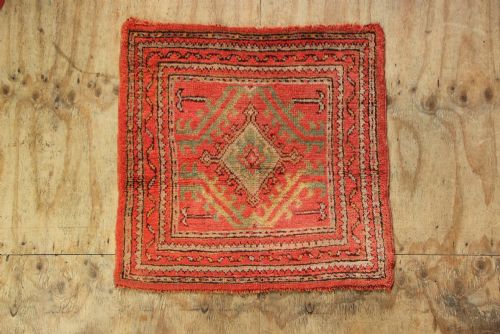
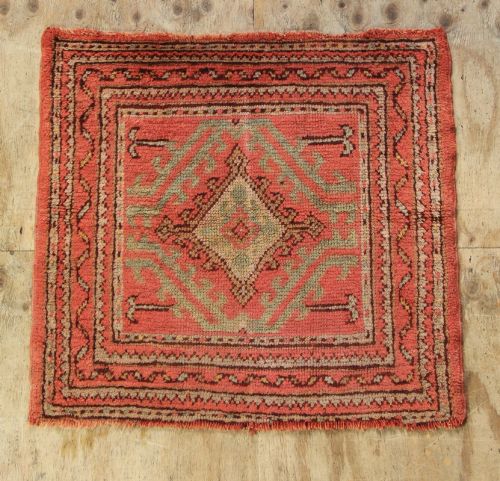
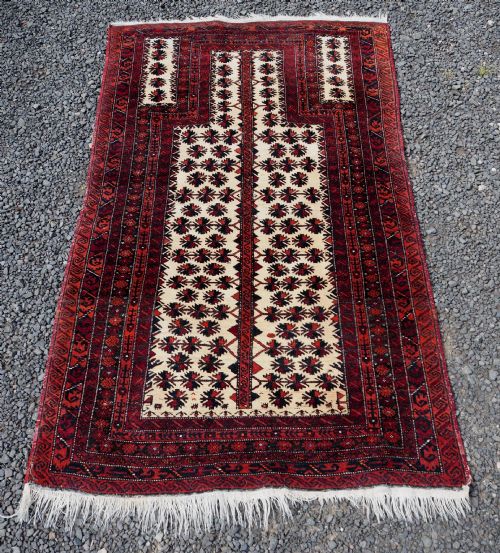
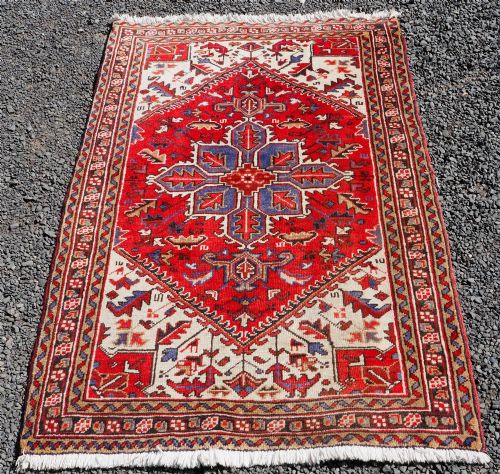
Small Tribal Wool Mat
These small tribal wool mat selections bring authentic nomadic weavework and village craftsmanship into domestic spaces through enduring historical examples.
Small Tribal Wool Mat
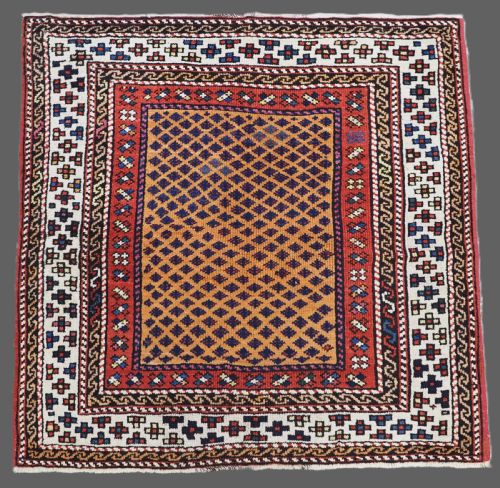
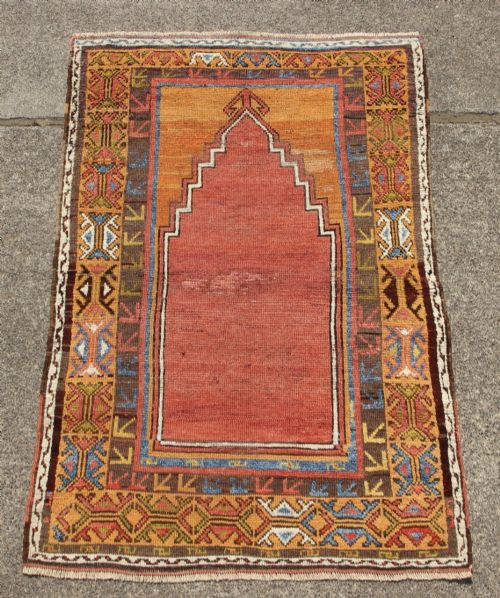
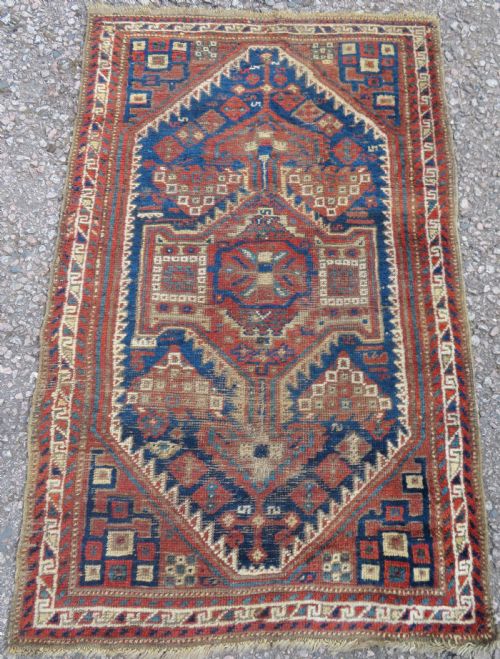
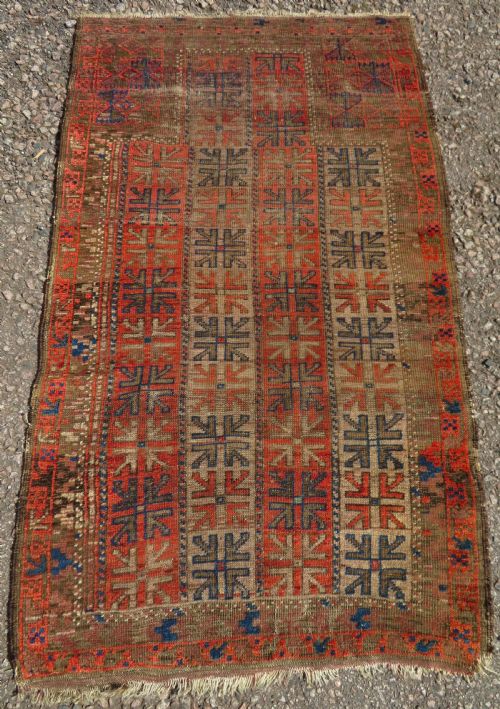
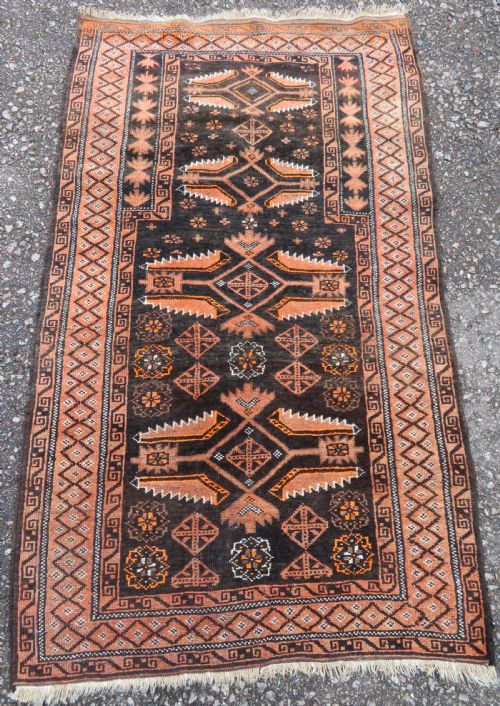
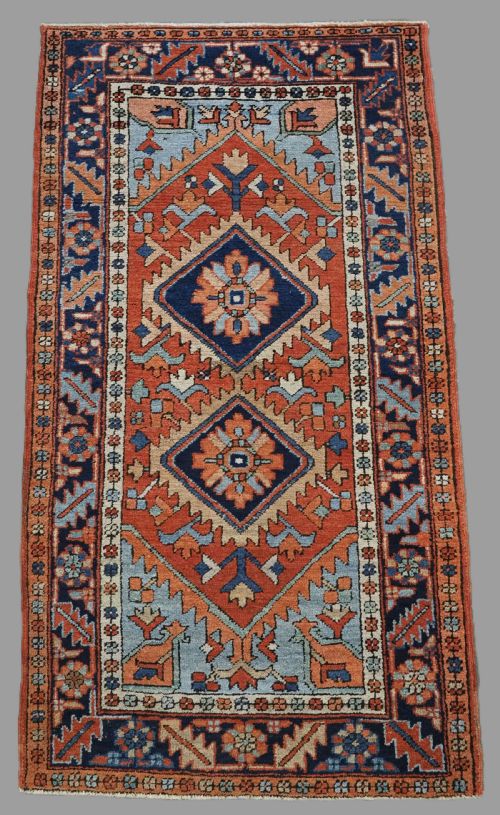
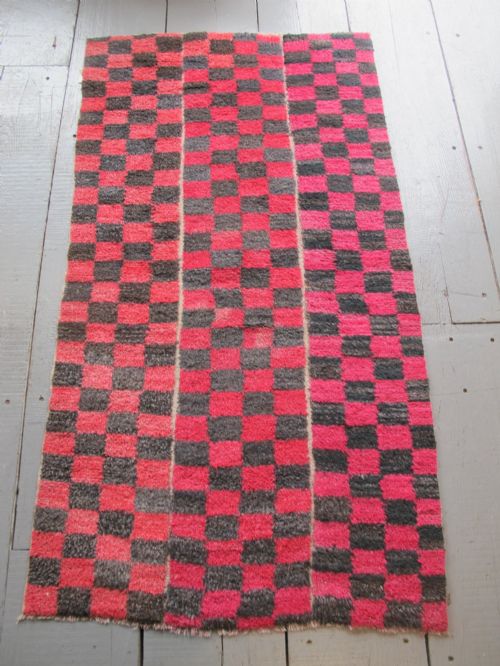
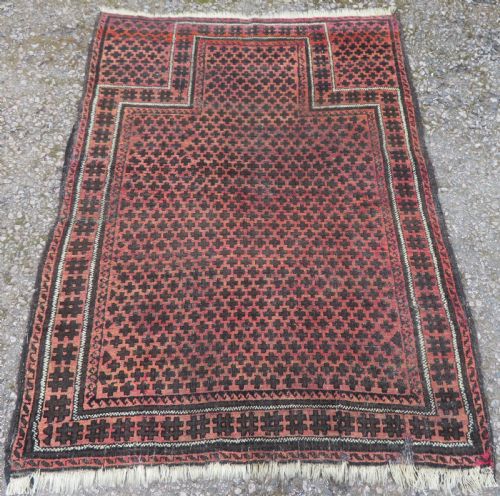
A small tribal wool mat represents compact floor coverings and utility textiles produced by village and nomadic weavers across Persia, Anatolia, the Caucasus, Central Asia, and Tibet. These portable textiles served practical daily functions in tribal camps and village homes, ranging from hearth rugs and prayer rugs to bag faces and meditation spaces.
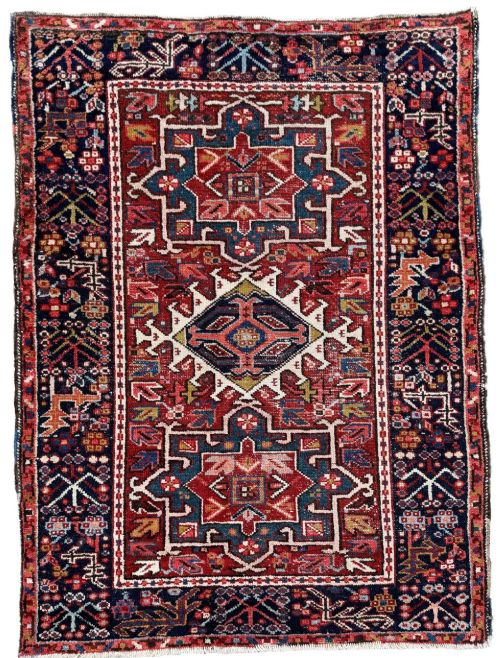
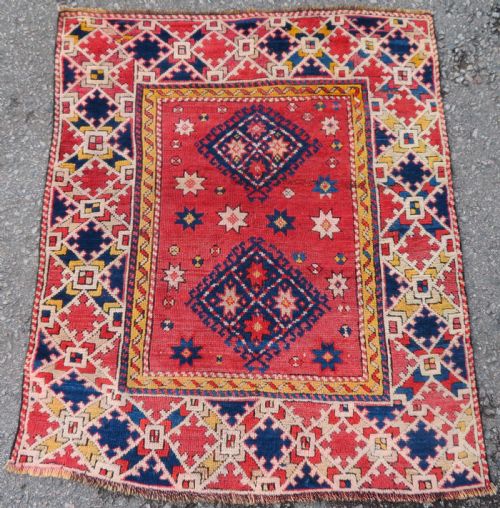
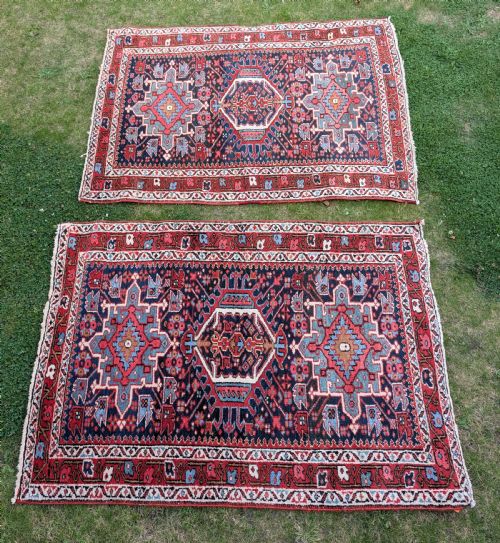
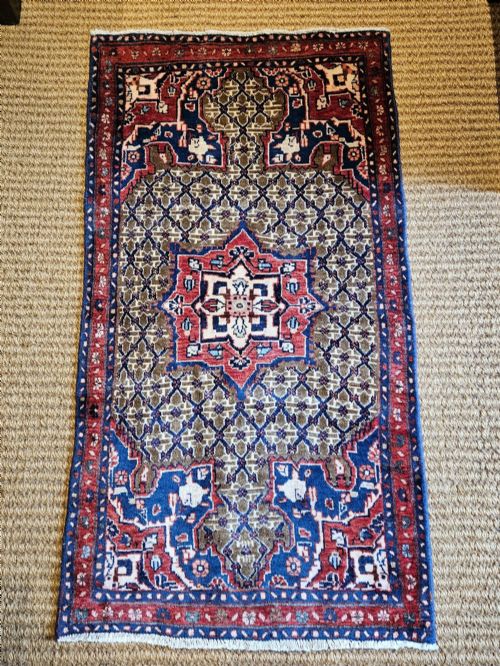
The pieces encountered most frequently on this page span the nineteenth and early twentieth centuries, encompassing regional traditions such as Baluch, Bergama, Karaja, Konya, and Yomut Turkmen weaving. Their dimensions suit smaller floor areas, benches, or wall displays, retaining the character of independent tribal production.
How they were made
Weavers utilised hand-spun wool for the pile, foundations, and structural warps, providing a durable and resilient textile base. Natural dyes derived from local plants and minerals imparted the rich chromatic range observed across these historical pieces.
The construction relied on traditional hand-knotting techniques or flatweave methods executed on portable vertical or horizontal looms. Artisans integrated wool, cotton foundations, and specialised tribal motifs passed down through generations.
Listings feature wool, cotton, and natural dyes across nineteenth and early twentieth century periods.
What varies in quality
The finesse of the knot density and the precision of geometric or pictorial design execution set superior examples apart from standard utility pieces. Tighter structural binding ensures longevity and sharper definition within repeat patterns and medallions.
Depth and complexity of natural dye palettes, combined with the integrity of the surviving wool pile, dictate the visual distinction of individual specimens. Patina earned through age contributes to the overall cohesion and artistic merit.
The Small Tribal Wool Mat Glossary
- Prayer rug
- A small textile featuring a specific architectural niche design, such as a mihrab, intended for daily devotions. These pieces often orient the worshipper through distinct directional patterns.
- Torba
- A small storage bag face produced by Turkmen nomads, frequently displaying traditional gul motifs and used for domestic utility inside tents. They demonstrate intricate secondary weaving techniques.
- Yastic
- A traditional small Turkish cushion cover or small rug format, historically utilised for leaning against or sitting upon in regional domestic interiors. They share the structural density of larger floor carpets.
- Natural dyes
- Colourants extracted from organic sources including plants, roots, and insects prior to the widespread adoption of synthetic alternatives in the late nineteenth century. They produce harmonious fading characteristics over time.
Small Tribal Wool Mat: Frequently Asked Questions
Where were these small tribal mats woven?
Production centres span nomadic and village regions including Anatolia, Persia, the Caucasus, and Central Asia. Distinct tribal groups infused their local iconography into each piece.
Weavers utilised regional wool supplies and indigenous dye recipes unique to their specific geographic communities and nomadic routes.
How were these small mats used historically?
Nomadic and village households utilised these compact textiles for practical daily functions such as prayer spaces, hearthside seating, and storage bag faces. Their portable nature suited transient lifestyles.
Many examples functioned as personal meditation spaces or specialised household furnishings rather than large formal floor coverings.
How should I care for an antique wool mat?
Gentle, regular vacuuming without a rotating brush helps remove embedded dust while protecting the delicate hand-spun wool pile and historical foundations. Professional specialist cleaning is recommended for deep maintenance.
Keeping the textile away from direct, prolonged sunlight preserves the organic natural dyes and prevents localized fading of the wool fibres.
How do I identify different regional styles?
Stylistic attribution relies on observing characteristic geometric motifs, structural palette choices, and specific knotting techniques associated with groups like the Baluch, Yomut Turkmen, or Konya weavers. Border arrangements offer further clues.
Comparing structural details such as selvedges and end finishes helps distinguish Anatolian village work from Caucasian or Persian nomadic production.