
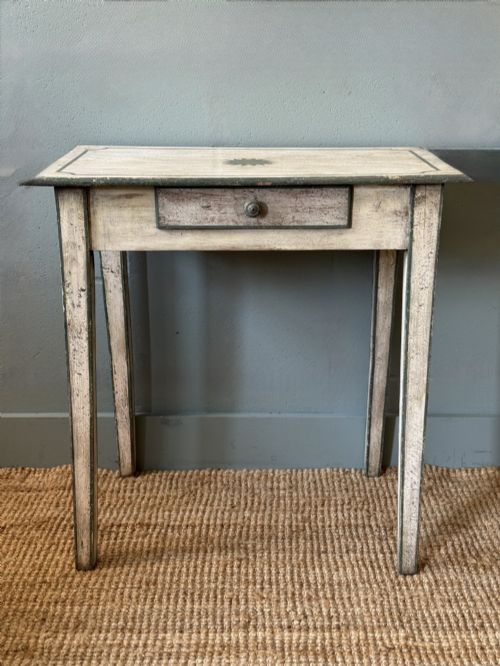
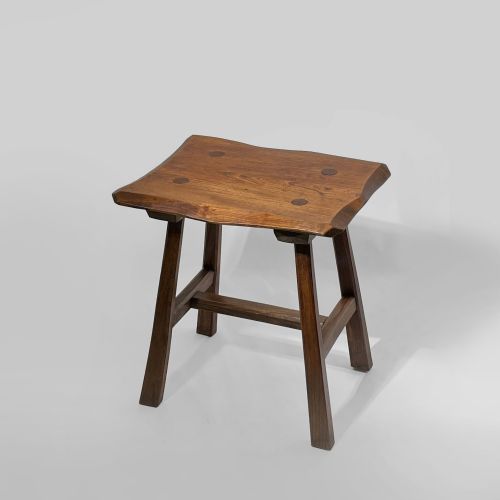
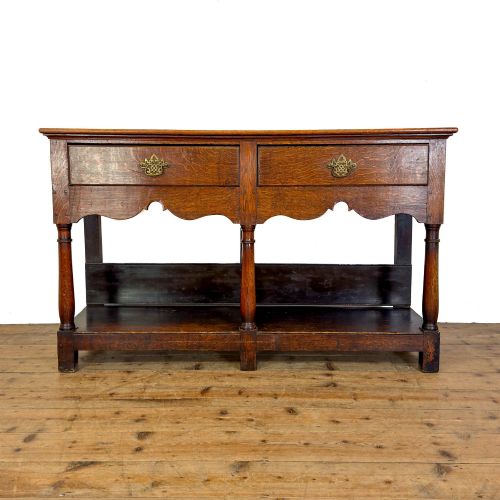

Small Rustic Side Table
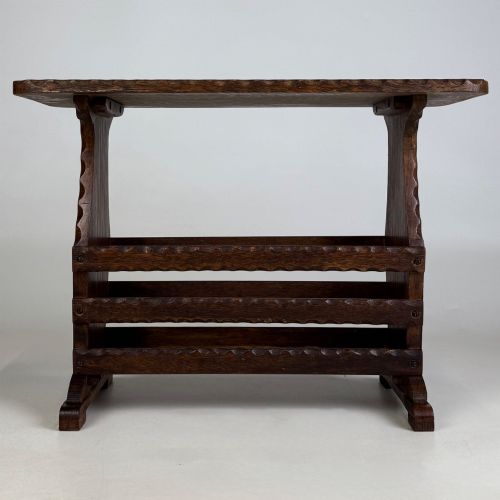
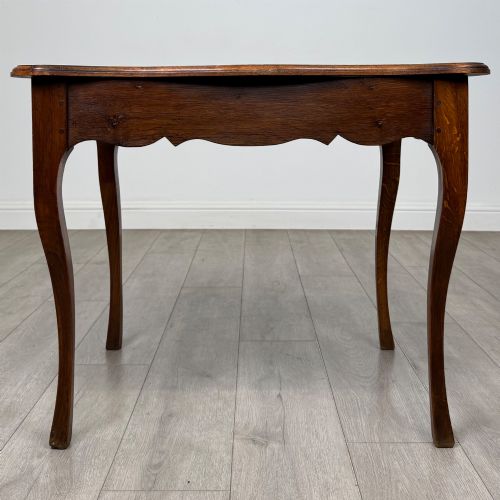
A small rustic side table brings utilitarian character to a corner, built from solid oak, pine, or elm to serve daily utility.
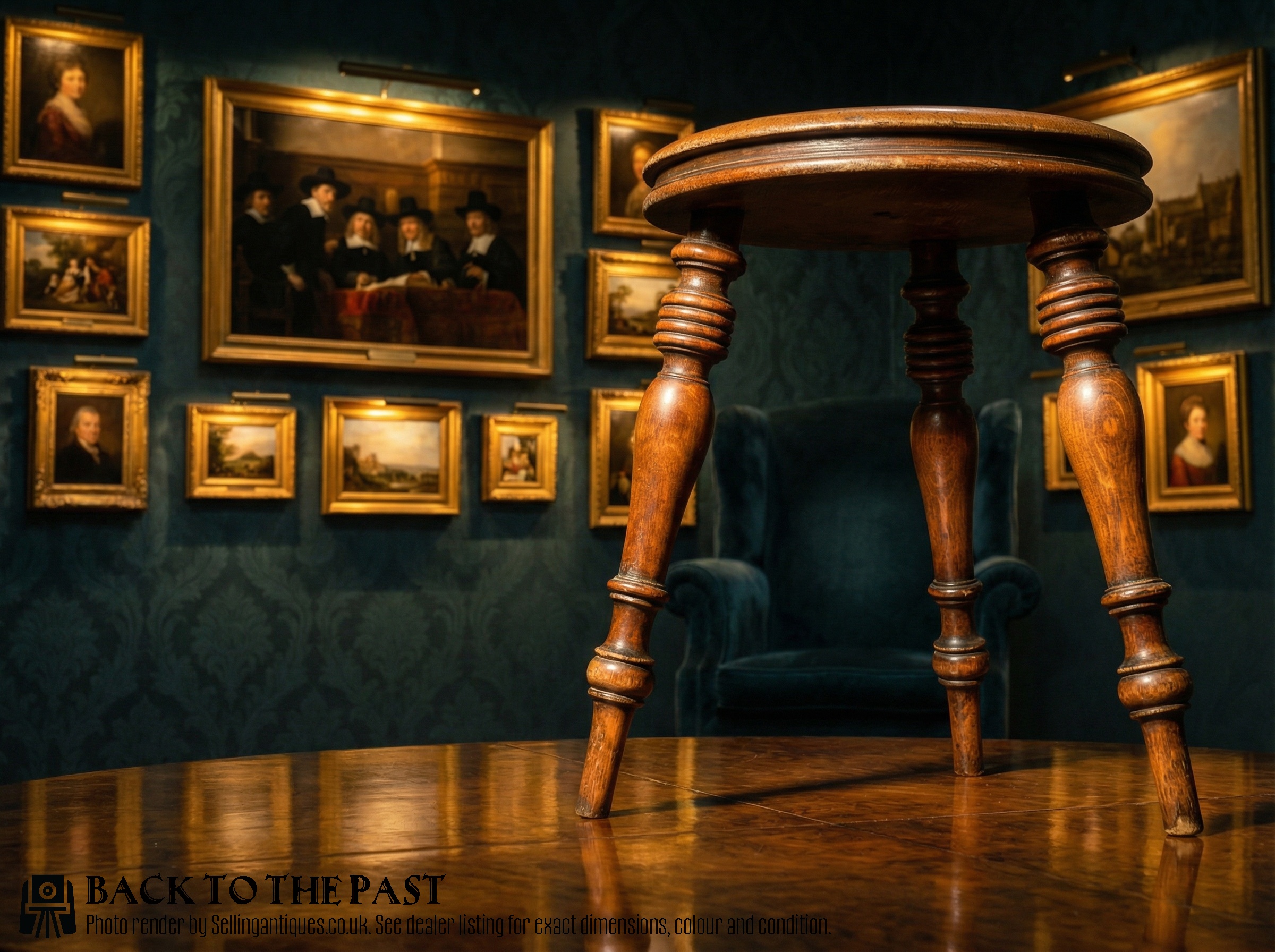
Small Rustic Side Table
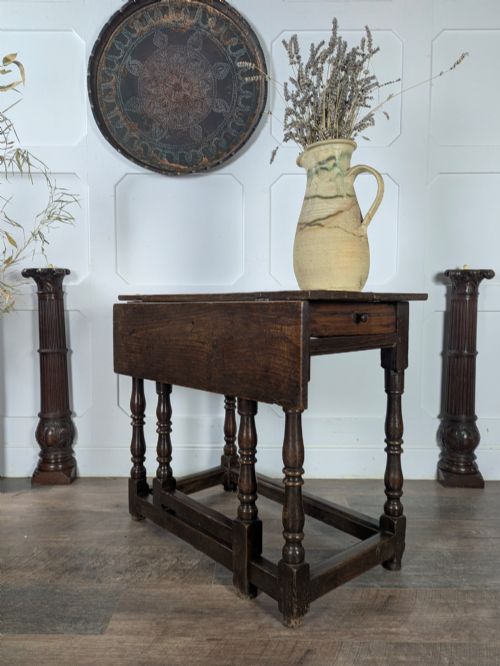
A small rustic side table spans functional utilitarian forms including occasional tables, cricket tables, lamp tables, and small drop-leaf designs. These utilitarian pieces emerge primarily from the eighteenth, nineteenth, and early twentieth centuries, reflecting regional English, French, and Scottish vernacular traditions.
Oak, pine, elm, and fruitwood dominate the selection, often appearing in forms such as gateleg tables, tripod bases, and primitive workbenches. The selection heavily favours pieces with plain timber surfaces, turned legs, or simple board construction suited to domestic tasks rather than formal display.
Materials and construction methods
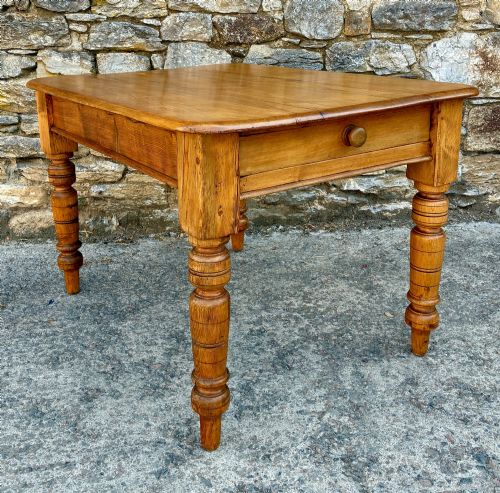
Makers relied on solid regional hardwoods and softwoods, predominantly oak, pine, elm, and fruitwood, joined with pegs, dovetails, or simple mechanical fasteners. Tops were fashioned from single planks or joined boards, supported by turned legs, gateleg actions, or sturdy tripod structures.
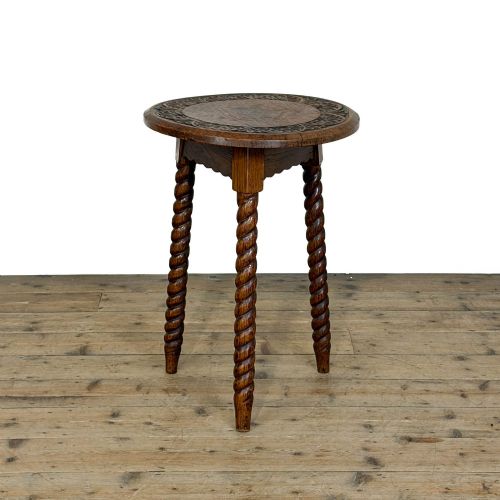
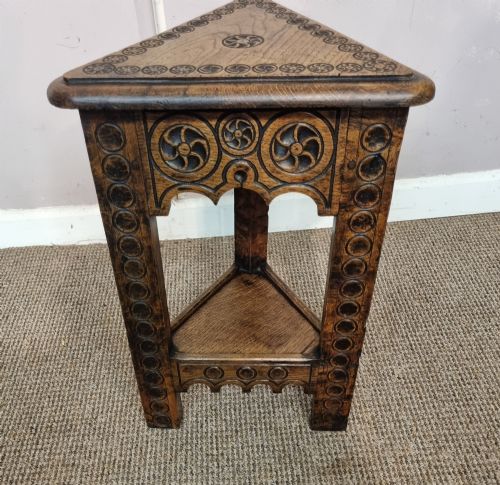
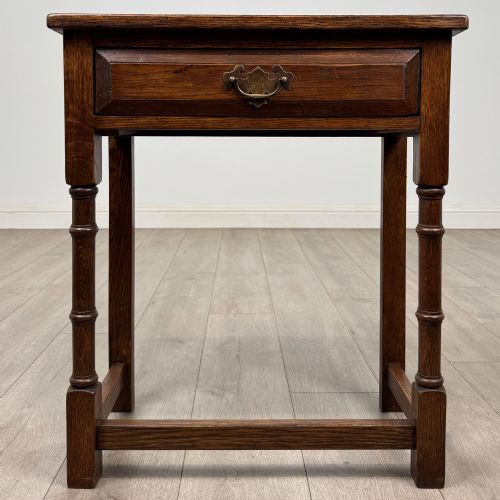
Surface finishes range from scrubbed natural timber to historic paint and polished fruitwood. Structural detailing often includes bobbin-turned legs, baluster posts, and occasional carved embellishments executed within domestic or regional workshops.
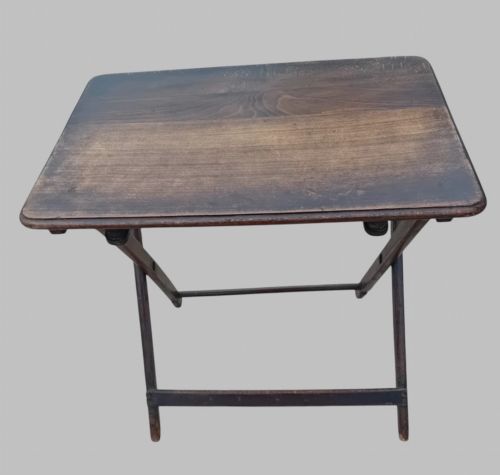
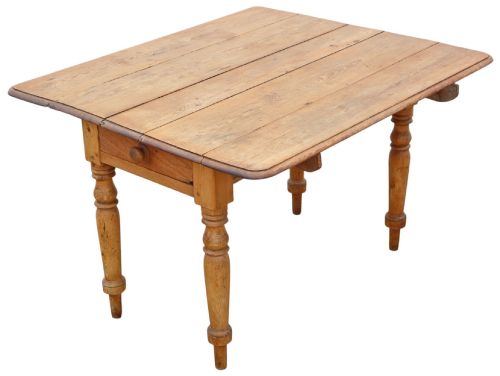
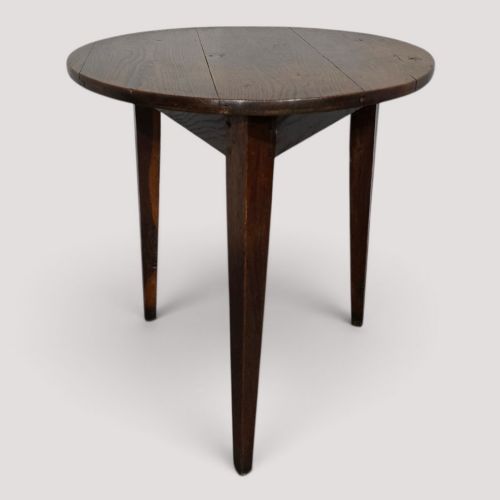
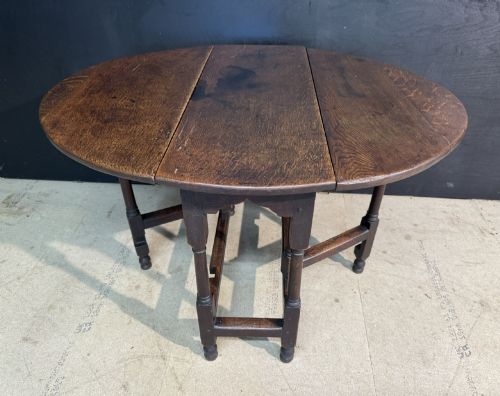
The selection includes tripod cricket tables, gateleg dining tables, and primitive elm workbenches.
Factors influencing quality
Quality rests in the integrity of the timber selection and the retention of original structural components rather than applied ornament. Dense grain in oak tops, well-proportioned turned legs, and solid jointing distinguish superior examples from simpler utilitarian output.
The degree of original surface wear and patination dictates desirability, as untouched timber surfaces and honest historical repairs hold greater integrity than overly restored or altered examples.
The Small Rustic Side Table Glossary
- Cricket table
- A small three-legged occasional table typically featuring a round wooden top and splayed legs designed for uneven cottage floors. This form dates back centuries in British vernacular furniture.
- Gateleg table
- A drop-leaf table where hinged legs swing outward on a frame to support the folding leaves. This mechanism allows the table to expand for use and fold flat for storage.
- Tripod table
- An occasional table supported by a central pillar resting on three spreading feet. These pieces gained popularity during the Georgian period for serving wine or holding lamps.
- Fruitwood
- Timber derived from fruit-bearing trees such as cherry, pear, or apple, utilised by provincial makers for its fine grain and warm tone. It appears frequently in French provincial furniture.
- Dresser base
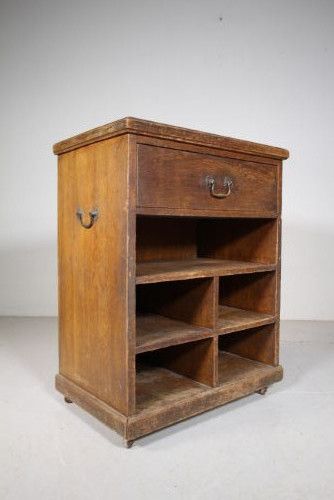
- A low utilitarian storage unit featuring drawers and sometimes cupboards beneath a solid top. These pieces originated in kitchens and dining rooms for food preparation and storage.
Small Rustic Side Table: Frequently Asked Questions
What defines a small rustic side table?
These items are small utilitarian tables built from regional timbers like oak, pine, and elm for daily domestic service. They prioritise sturdy construction and practical forms over formal ornamentation.
Such tables typically emerge from eighteenth, nineteenth, and early twentieth-century workshops in England, Scotland, and France, reflecting local vernacular design traditions.
How were these tables used originally?
They served multiple household functions, operating as lamp stands, wine tables, bedside surfaces, or compact kitchen preparation areas. Their modest scale allowed them to fit easily into tight corners or beside seating.
Gateleg and drop-leaf variants provided flexible surface space that could expand during meals and contract when room was required.
How do I care for antique timber?
Keep wooden surfaces away from direct heat sources and strong sunlight to prevent the timber from drying out and splitting. Regular dusting with a dry cloth maintains the surface.
Apply occasional natural wax to nourish older oak, pine, and fruitwood surfaces without building up heavy synthetic residues.
How can I tell the period?
Dating relies on observing construction techniques, tool marks, and timber characteristics. Hand-sawn boards, pegged joints, and specific leg turnings point towards earlier Georgian or Victorian craftsmanship.
Comparing the style of the base and the wear patterns on the top helps distinguish eighteenth-century forms from later nineteenth and twentieth-century revivals.