
Country Wooden Footstool
These country wooden footstool examples bring unpretentious utility and honest domestic craft directly to your hearth.
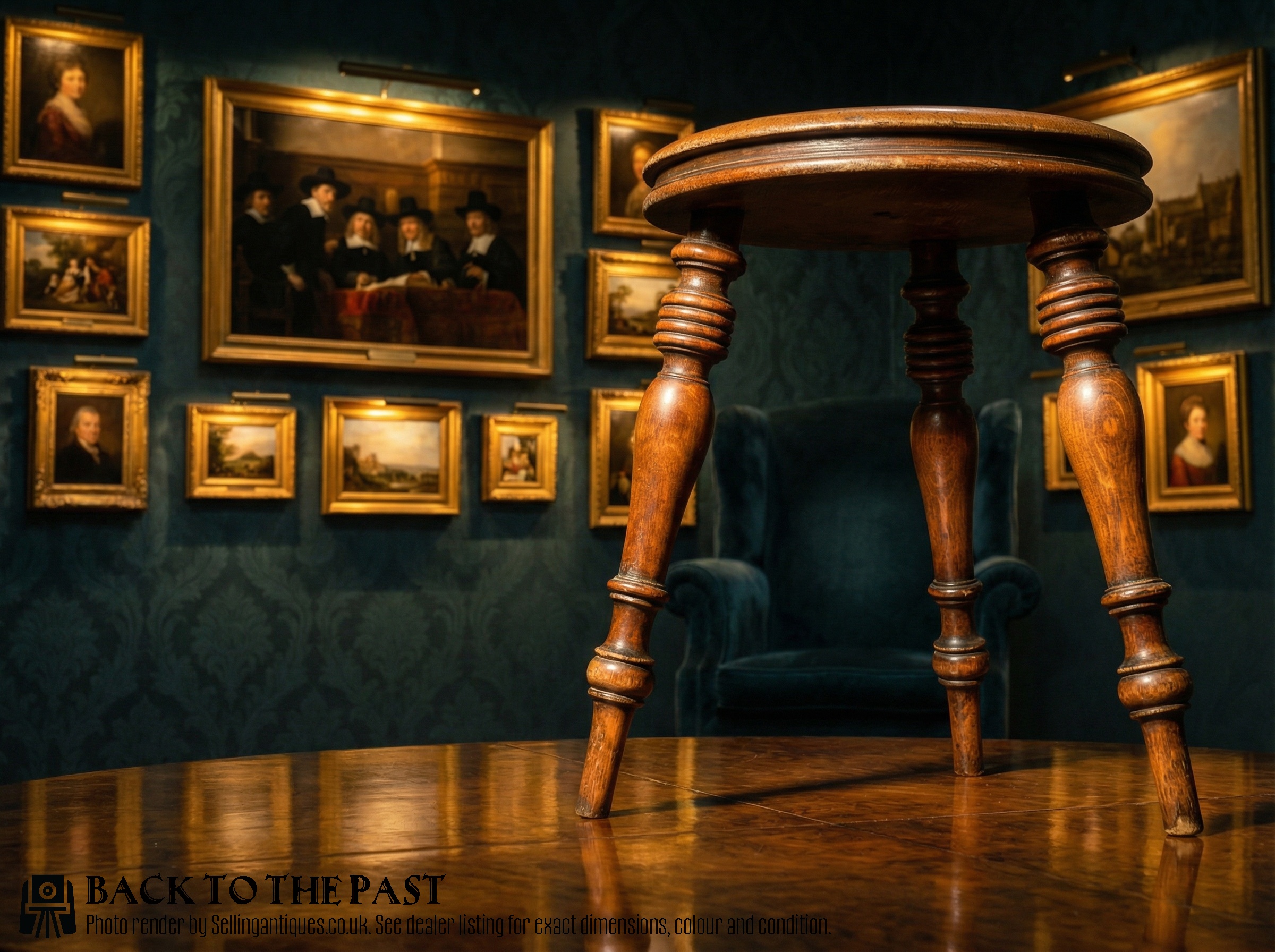
Country Wooden Footstool
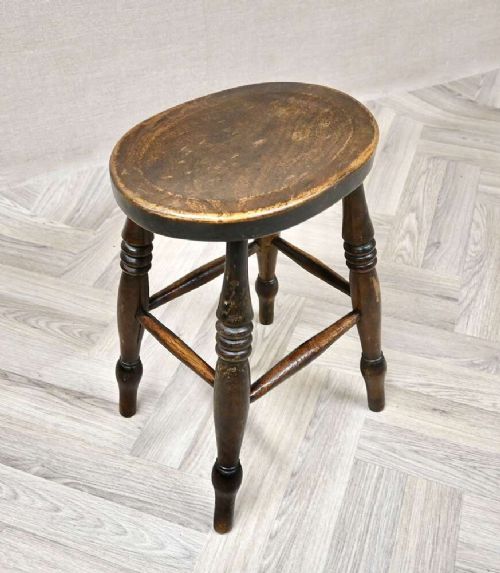
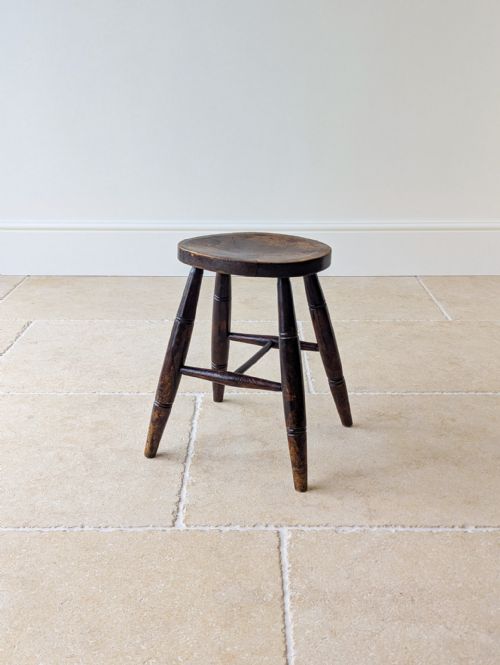
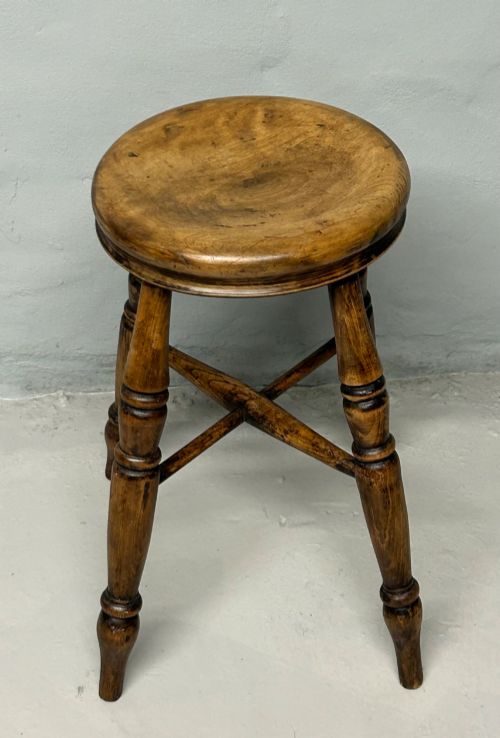
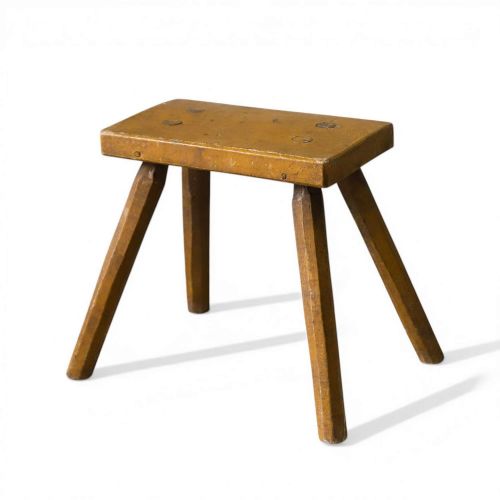
A country wooden footstool is a low, unpretentious seat designed for domestic comfort near a fire or alongside an armchair. When you search this phrase, you enter a diverse field of simple domestic furnishings spanning the eighteenth and nineteenth centuries.
Origins stretch across English provincial workshops as well as broader European rural traditions, uniting practical utility with honest craftsmanship. These low seats served utilitarian household roles before finding appreciation among collectors of rustic interiors.
Materials and construction
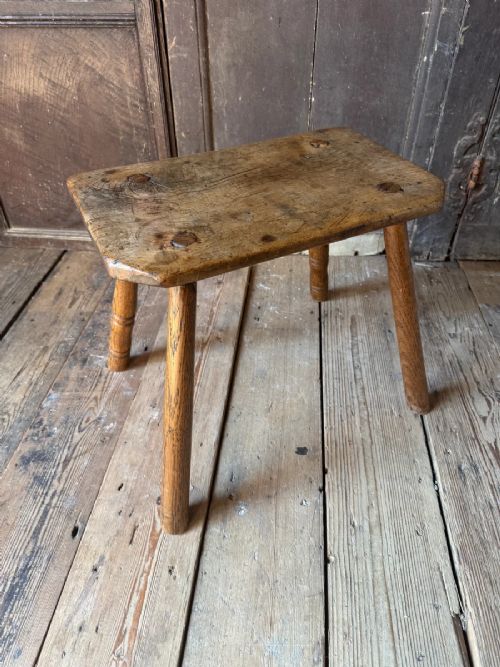
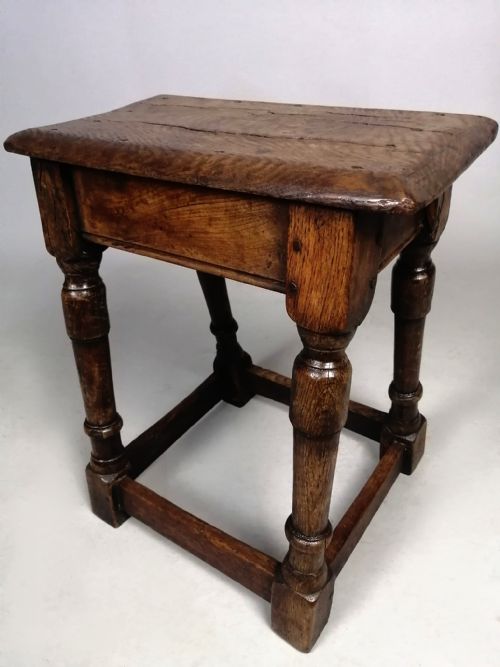
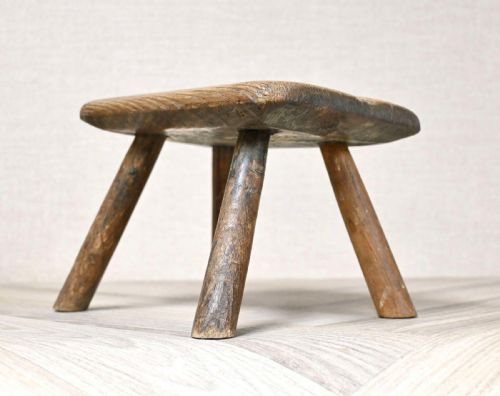
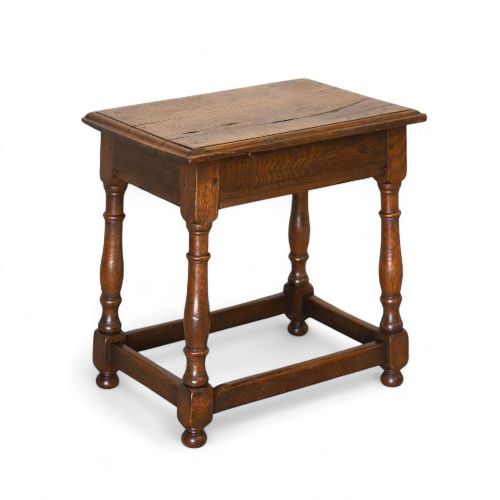
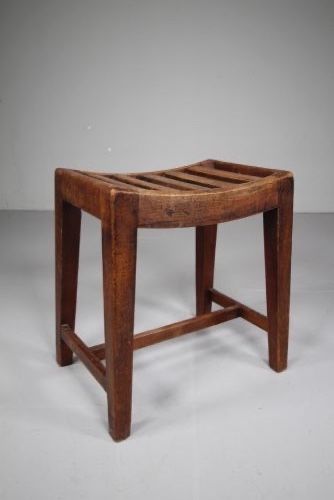
These stools rely on sturdy native hardwoods such as oak, elm, ash, and pine selected for daily endurance. Joinery typically involves pegged construction and turned legs fitted directly into sculpted seats.
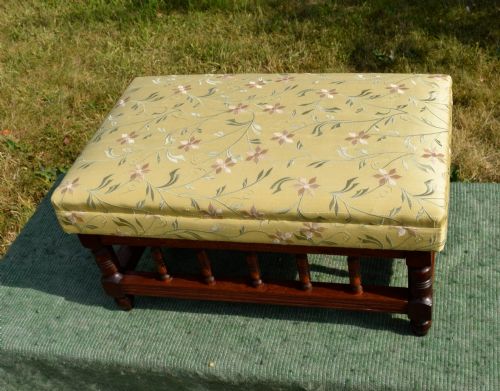
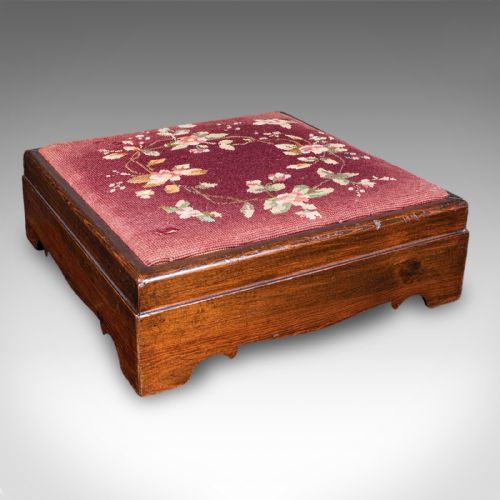
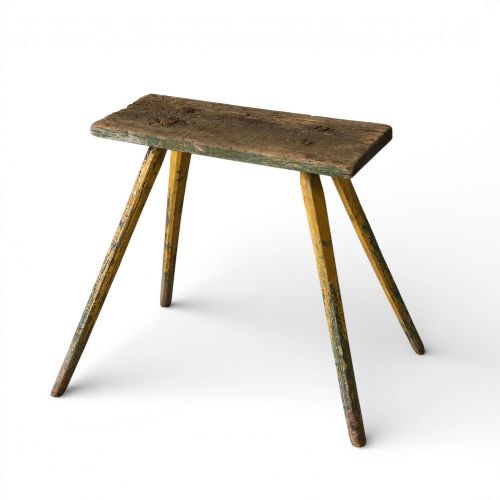
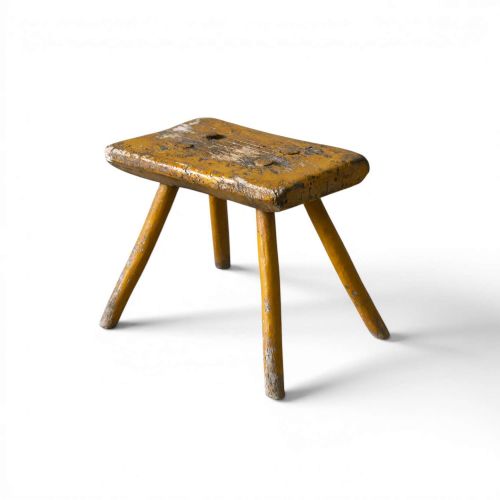
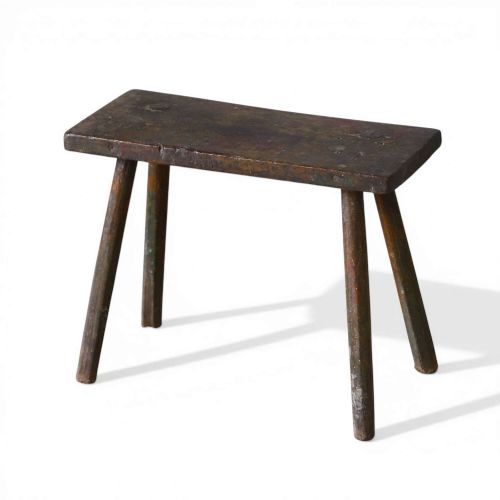
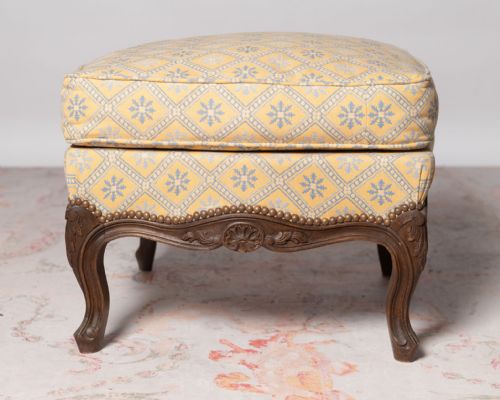
Surface treatments range from natural waxed timbers showing deep grain patination to surviving layers of original paint in ochre, yellow, and green. Selected examples incorporate woven rush seats or simple fabric upholstery for added comfort.
Several milking stools arrive wearing their original ochre and green coats, refusing to shed their farmyard past.
Judging quality and character
Quality in these domestic pieces rests upon the integrity of the timber and the survival of original surface finishes. Stools retaining their early paint layers or deep, rich colour command greater attention from discerning collectors.
Proportion and structural honesty separate routine utility items from superior vernacular examples. A well-balanced silhouette with honest wear from centuries of use displays the true spirit of these rural objects.
The Country Wooden Footstool Glossary
- Vernacular
- An object made by local craftsmen for everyday use rather than following high-style academic designs. These pieces reflect regional traditions and available materials.
- Joint stool
- A sturdy wooden stool constructed with mortise and tenon joints held together by wooden pegs. They date primarily from the seventeenth and eighteenth centuries.
- Milking stool
- A small, usually three-legged seat designed for stability on uneven agricultural floors. The angled legs allow the user to balance securely while working.
- Five-plank stool
- A simple early form constructed from five boards joined to form a box-like seat. This method represents straightforward domestic carpentry.
- Patina
- The surface sheen and colour developed over decades through handling, waxing, and exposure to light. It serves as a primary indicator of age and authenticity.
Country Wooden Footstool: Frequently Asked Questions
How were these low stools originally used in homes?
These low seats served primarily beside the hearth for warming feet or tending the fire. Domestic inhabitants also utilised them for daily household chores and milking.
Their compact size allowed them to be easily tucked away when not in active service around the room.
What woods should I expect to find?
The listings feature sturdy native timbers including oak, elm, ash, pine, and beech. Craftsmen selected these durable woods from local supplies for everyday utility.
Some provincial examples also incorporate fruitwoods or mixed hardwoods depending on the regional tradition.
How do I care for antique wooden stools?
Maintain the dry timber by applying a traditional beeswax polish sparingly to preserve the surface. Avoid placing them near direct heat sources that might dry out the old wood.
Gentle dusting with a soft cloth keeps the patinated finish safe from unnecessary abrasion.
Can I use them as daily seating now?
Most of these sturdy vernacular pieces remain entirely robust for occasional sitting or resting feet. Their solid pegged construction ensures enduring structural stability.
Lighter milking stools suit casual placement as small side tables or plant stands within modern rooms.