

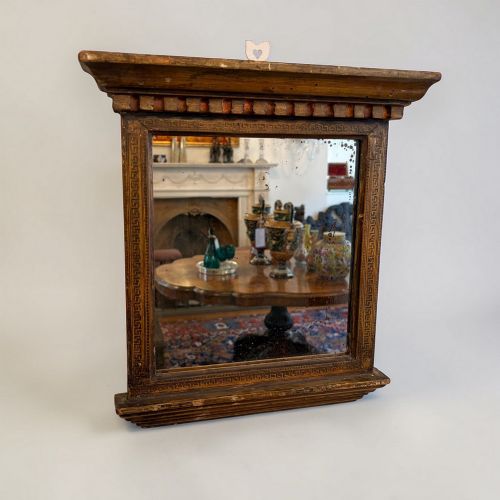
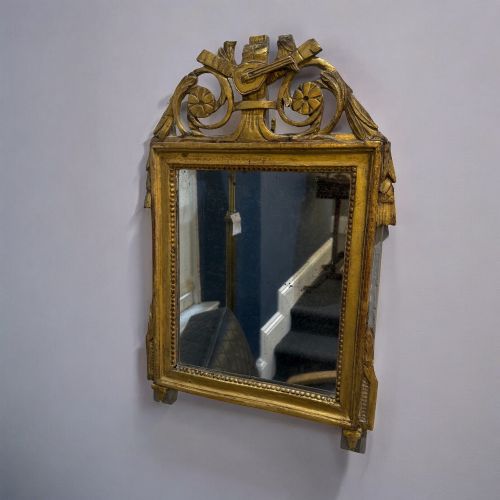
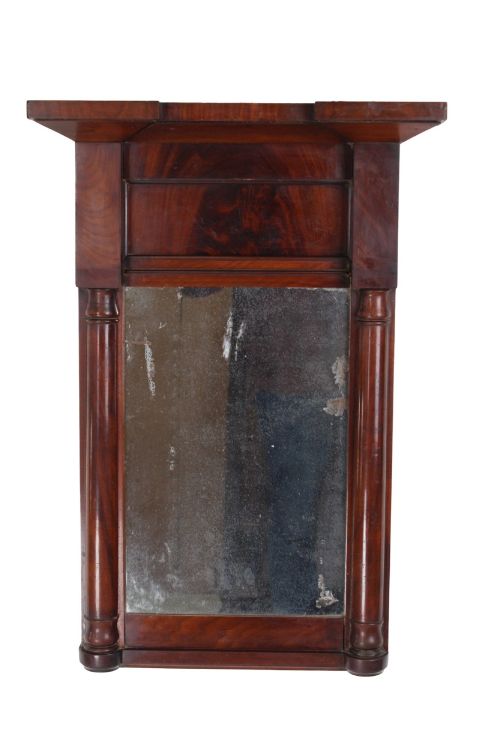
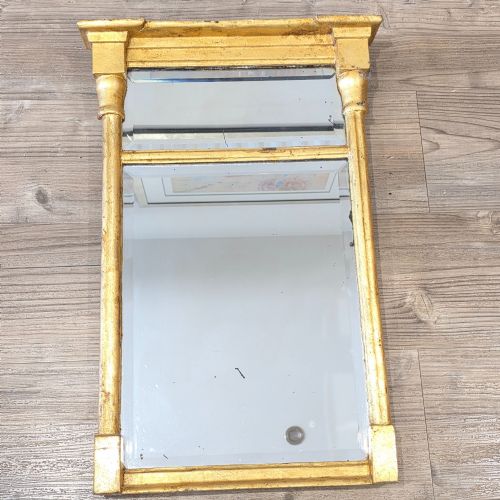





Small Regency Mirror
A small regency mirror brings concentrated neoclassical elegance to a wall, combining compact proportions with the bright reflection of period glass.
Small Regency Mirror
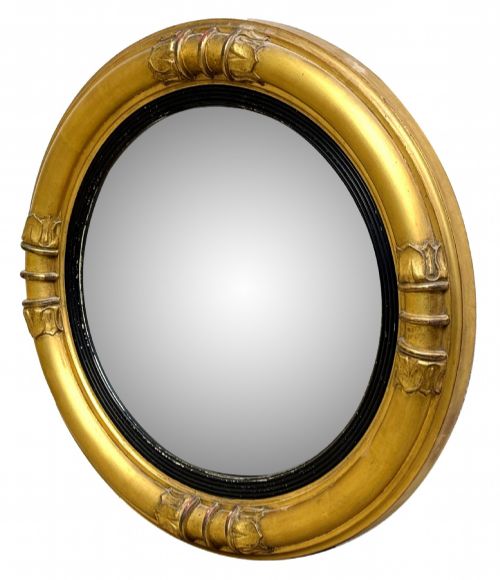
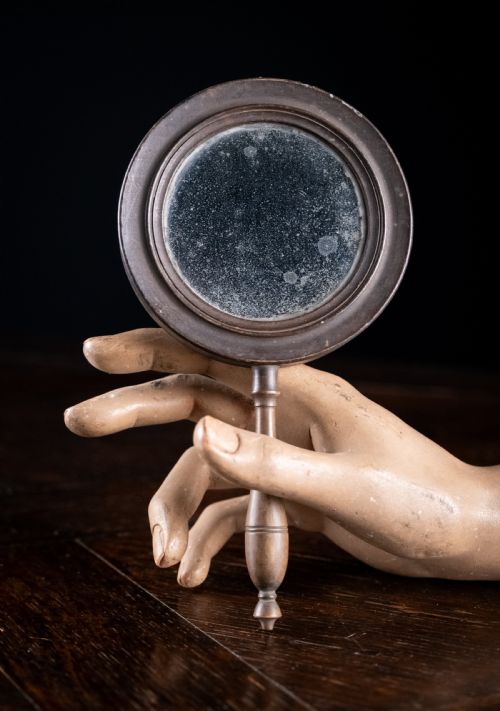
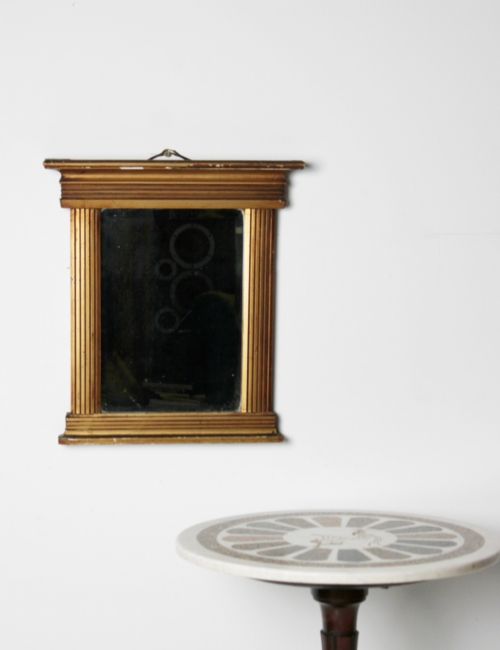
A small regency mirror encompasses several distinct domestic forms designed to reflect light and furnish compact spaces during the early nineteenth century. The examples found here span wall mirrors, pier glasses, convex plates, and table or dressing variants.
Most pieces align with the Regency period and the wider nineteenth century, utilising timber frames or giltwood moulding. Wall-hung formats dominate the selection, appearing alongside cheval stands and table swing mirrors.
Makers adapted these designs for intimate rooms, producing overmantel mirrors and small circular plates alongside pier mirrors intended for the space between windows.
Materials and construction
Frames rely on timber carcasses shaped from mahogany, rosewood, oak, or walnut, frequently accented with ebonised details and brass fittings. Artisans applied gesso over wood before gilding surfaces with gold leaf or water gilding techniques.
Convex and flat glass plates are set within moulded surrounds, occasionally incorporating reverse-painted eglomise panels or hand-carved decoration. Brass candle sconces and reeded pilasters complete the construction of many pier and overmantel variants.
Small Regency Mirror Retail Price Guide 2026
Typical asking prices for small regency mirror among the pieces listed under this phrase on Sellingantiques today, from the lower quarter to the upper quarter. They describe what is for sale here now, not the wider market.
Convex wall mirrors earned the conversational nickname of sorcerers mirrors during the nineteenth century.
Quality and craftsmanship
The standard of a small regency mirror rests on the crispness of its hand-carved ornamentation and the depth of its original gilding. Finer pieces demonstrate precise joinery in the mahogany or rosewood frames and retain their original silvered glass plates.
Subtleties in the gesso relief and the preservation of secondary timbers distinguish standard production from exceptional examples. The clarity of the mirror plate and the integrity of the original backing boards further influence the standing of each piece.
Gillows
The Small Regency Mirror Glossary
- Convex mirror
- A circular mirror featuring a curved, outward-bulging glass plate that offers a wide, distortion-filling reflection of the room.
- Pier mirror
- A vertical wall mirror specifically proportioned to hang on the narrow wall space between windows.
- Giltwood
- Timber carved and coated with layers of gesso before the application of gold leaf or metallic size.
- Eglomise
- A technique involving cold painting and gilding on the reverse face of glass to create decorative borders.
- Overmantel mirror
- A long, low mirror designed to sit directly above a fireplace mantelpiece.
Small Regency Mirror: Frequently Asked Questions
Where should I hang a small regency mirror?
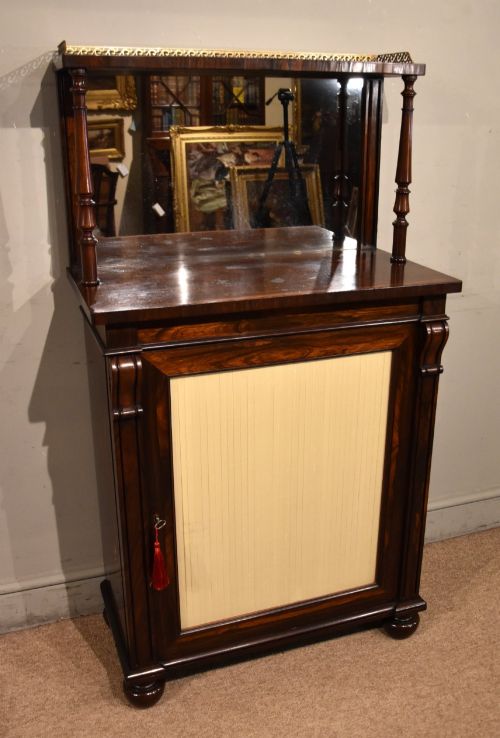
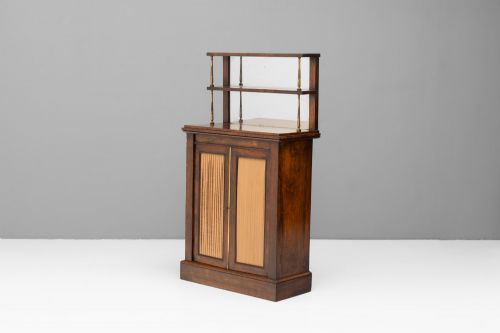
These mirrors suit narrow wall spaces, between windows, or above smaller pieces of furniture like chiffoniers and dressing tables.
Their compact scale allows them to introduce light and reflection into hallways and intimate rooms without overwhelming the surrounding wall.
How do I identify a period piece?
Examine the construction methods, timber choice, and the composition of the gesso beneath the gilding. Period examples frequently utilise old secondary woods and hand-finished glass plates with subtle imperfections.
Look for traditional joinery and surface wear consistent with early nineteenth-century production.
What is a convex mirror used for?
Convex mirrors were historically placed in living rooms to provide the occupants with a wide, panoramic view of the entire space.
The curved glass gathers light from multiple angles, brightening darker corners of the room.
How do I care for antique gilding?
Dust the giltwood frame gently with a soft, dry brush and avoid applying liquid cleaning products to the vulnerable surface. Keeping the mirror away from direct sunlight and damp environments preserves the gold leaf.
Careful handling protects both the delicate gesso decoration and the original mirror plate.