

Small Pedestal Side Table
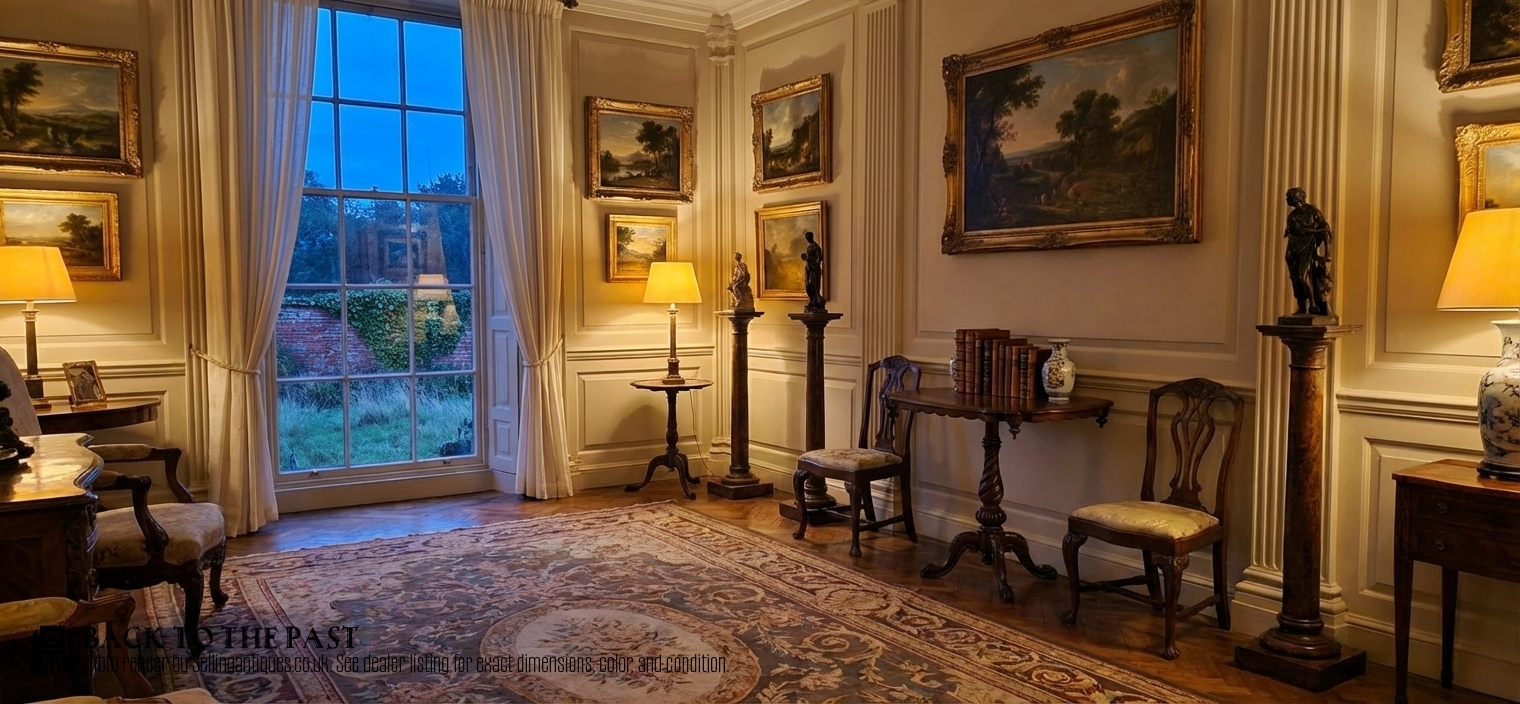
A small pedestal side table stands ready by an armchair to hold a lamp, a glass or a book without crowding the room.
Small Pedestal Side Table
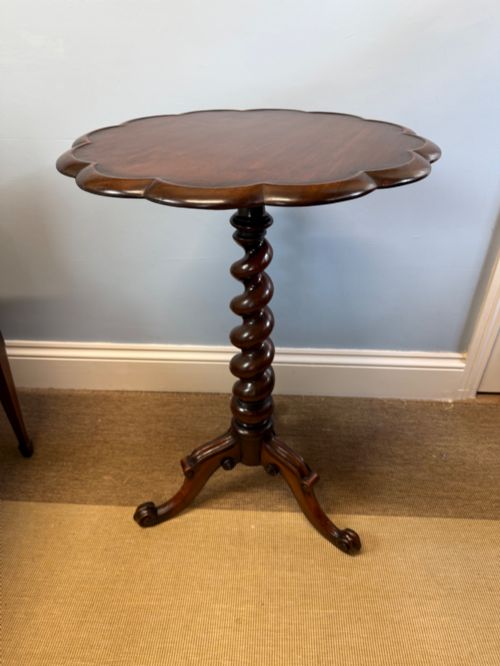
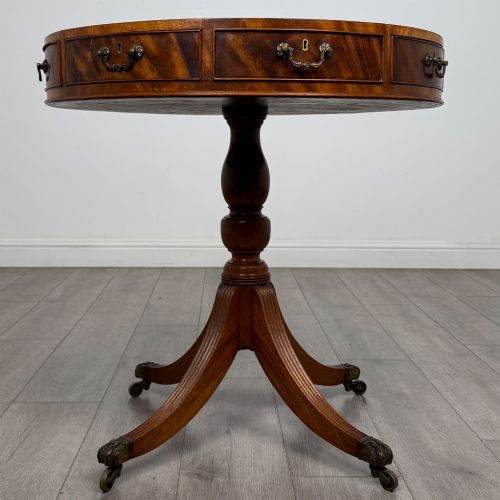
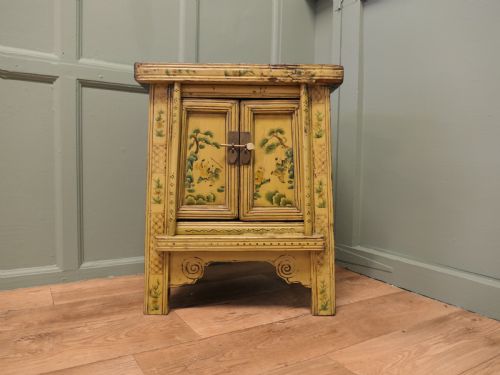
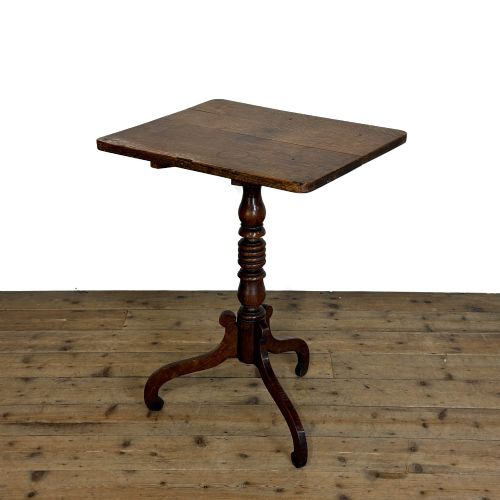
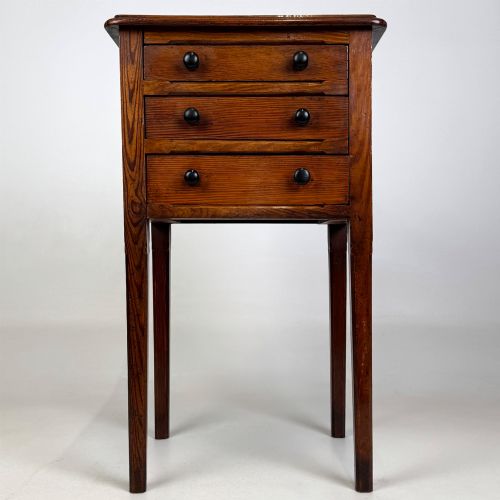
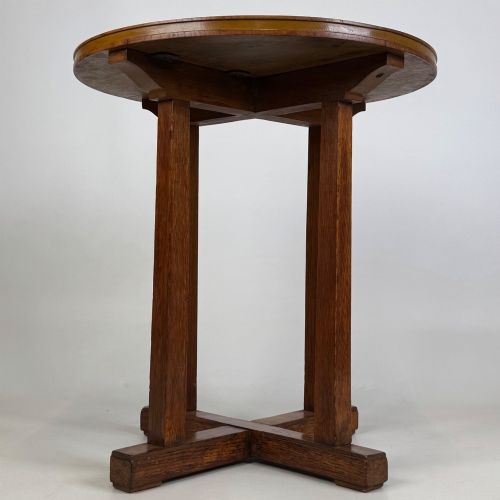
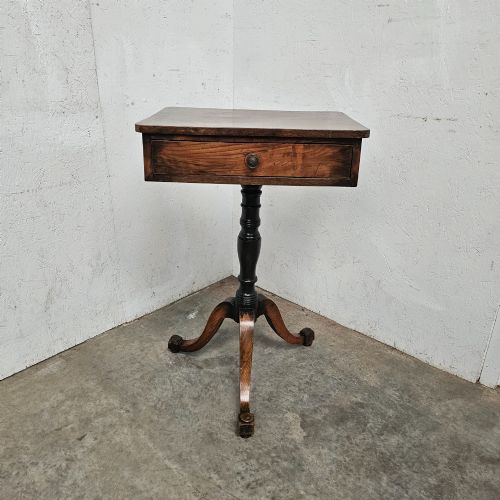
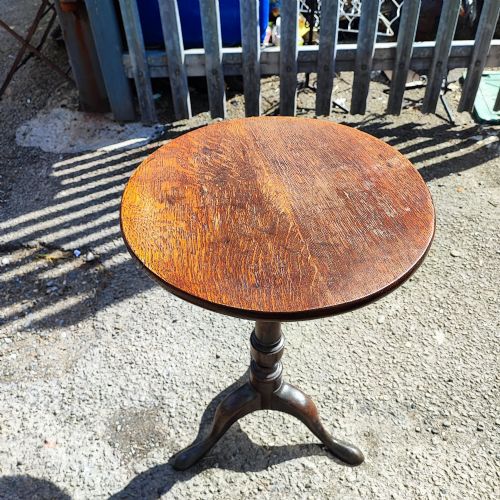
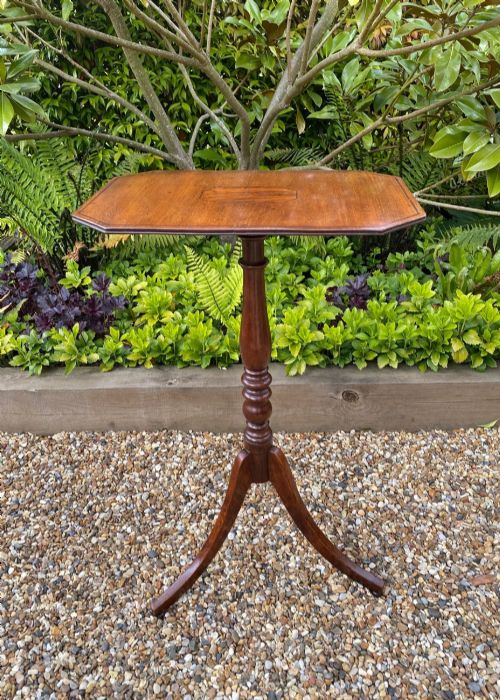
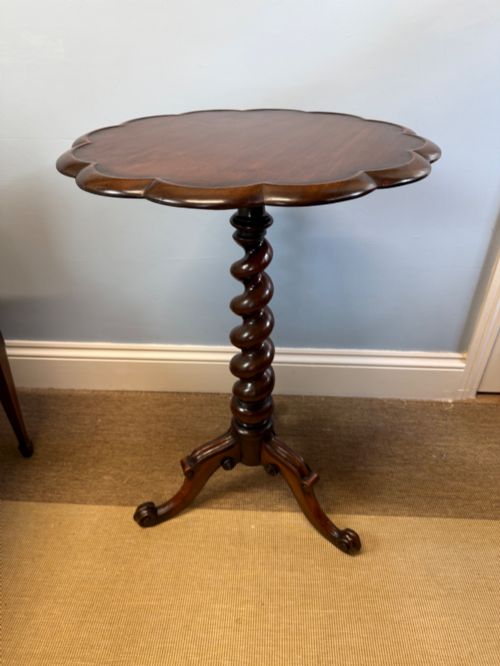
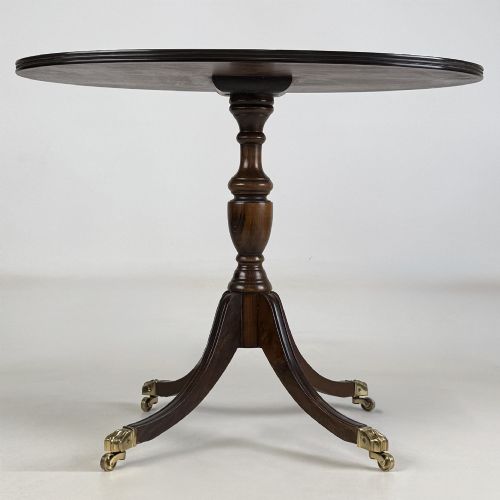
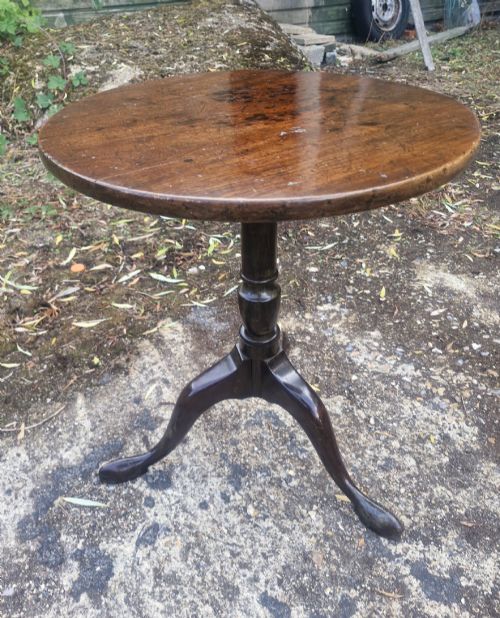
When you search for a small pedestal side table, you encounter diverse timber pieces designed for occasional use across the Georgian, Victorian and Edwardian eras. These domestic items include wine tables, lamp tables, occasional tables and plant stands resting on central pillars and tripod or circular bases.
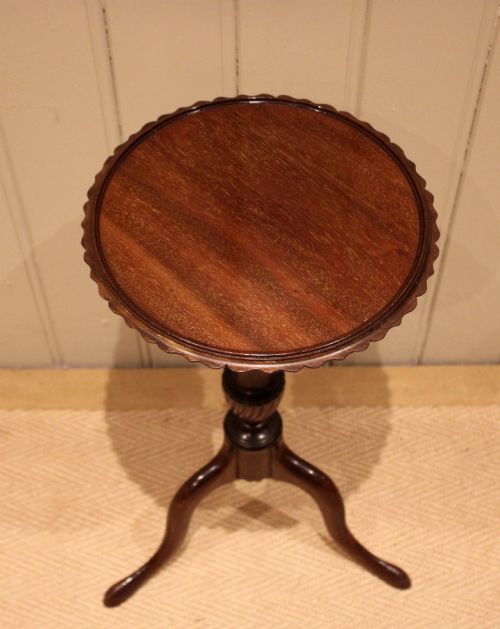
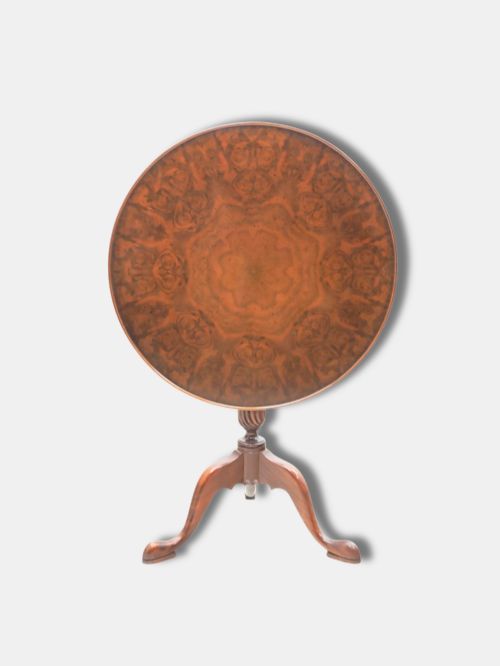
The version you are most likely to meet on this page is a mahogany wine table dating from the nineteenth century, often featuring a tilt top or round top supported by three legs. Oak, walnut and fruitwood examples also appear regularly, spanning simple utilitarian forms and decorative revival styles.
Materials and construction methods
Cabinet makers utilised dense hardwoods such as mahogany, oak, walnut and fruitwood, turning central pillars on lathes and joining timber components with traditional wood joints. Many tops were constructed to tilt via a brass catch mechanism, allowing the table to store flat against a wall when not in use.
Surfaces received hand-applied finishes like wax or polish to highlight the natural grain of the timber, occasionally complemented by carved tripod legs or turned barley twist supports.
Tilt top tables were originally stored upright against parlour walls like folded screens, keeping rooms clear for dancing.
Factors of quality and distinction
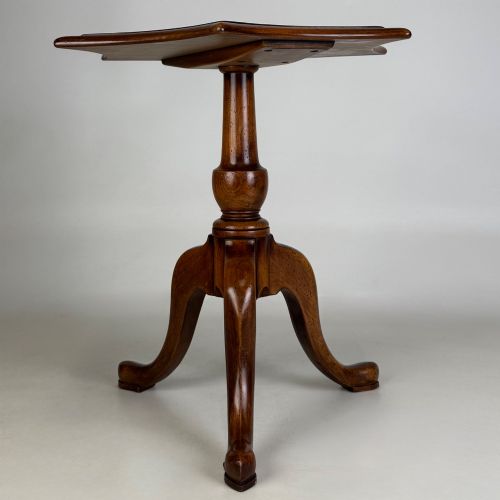
The standard of a small pedestal side table rests upon the selection of timber figures, such as burr oak or figured mahogany, and the crispness of any turned or carved details on the pillar and feet. Superior examples display tight, stable joints in the tripod base where the legs meet the central column.
Proportion and balance dictate the elegance of the piece, ensuring the top sits level without wobble and the support mechanism operates smoothly without modern replacement hardware.
The Small Pedestal Side Table Glossary
- Tilt top
- A table top hinged to the central pedestal so it can pivot vertically for storage. This clever mechanism allowed smaller rooms to remain uncluttered.
- Tripod base
- A support structure featuring three legs radiating from a central pillar. This design ensures stability on uneven older floors.
- Wine table
- A small occasional table designed to hold a bottle and glasses during evening gatherings. They frequently feature circular tops and slender pillars.
- Occasional table
- A light, movable table intended for specific, intermittent use around the sitting room. They appear in numerous shapes and timber varieties.
- Barley twist
- A decorative turning technique resembling the spirals of twisted barley. This method gained popularity during the late nineteenth and Edwardian periods.
Small Pedestal Side Table: Frequently Asked Questions
What is a small pedestal side table used for?
These compact tables serve as convenient surfaces beside seating for lamps, drinks or decorative items.
Their small footprint allows them to fit into tight corners or narrow spaces where larger furniture cannot go.
How do I identify a Georgian pedestal table?
Georgian tables typically exhibit restrained classical proportions, solid mahogany or oak construction, and elegant tripod bases.
Makers of this period focused on clean lines and functional design rather than heavy ornamentation.
Are Edwardian tables well made?
Edwardian furniture makers maintained high standards of cabinet making, often reviving earlier Georgian and Chippendale styles.
They worked with quality timbers like oak, walnut and mahogany, producing sturdy occasional pieces for homes of the period.