


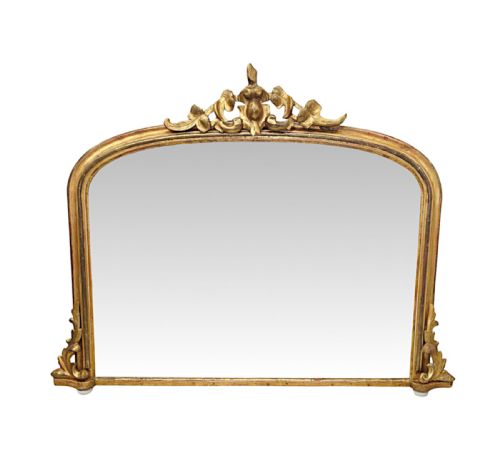


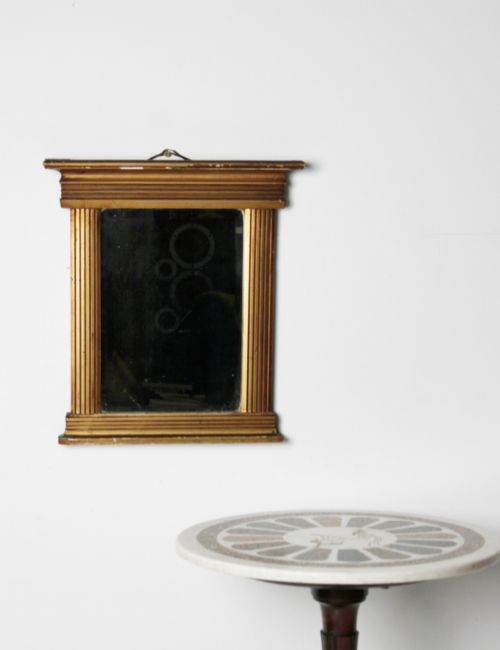


Small Gilded Mirror
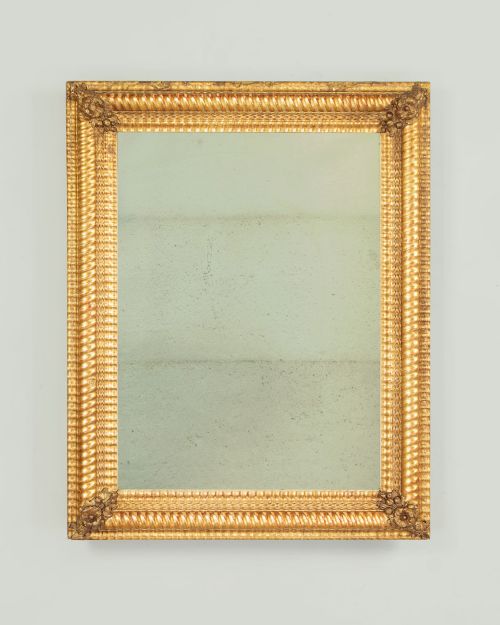
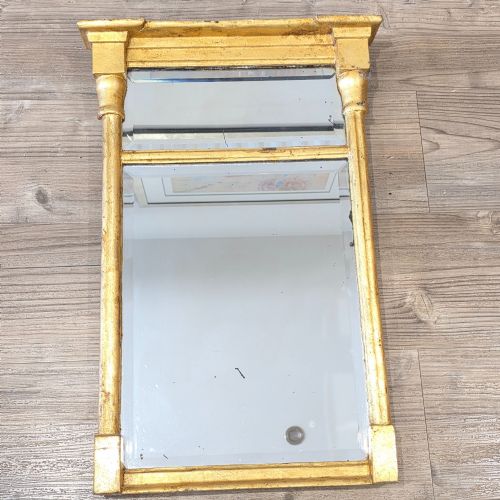
A small gilded mirror brings concentrated light and refined surface detail to a room, drawing the eye with carved giltwood and polished plate.
Small Gilded Mirror
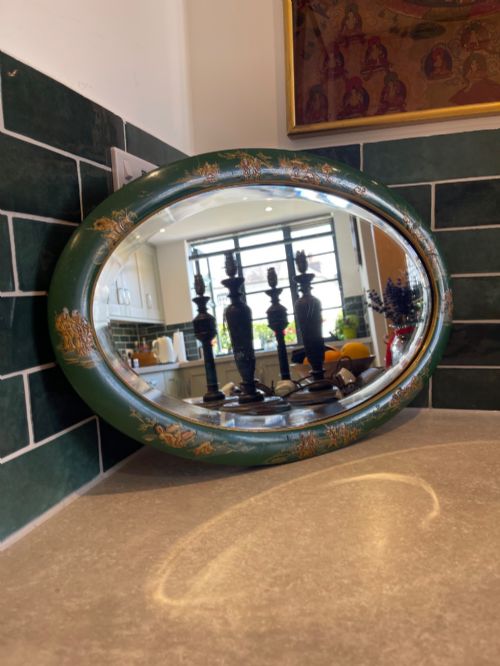
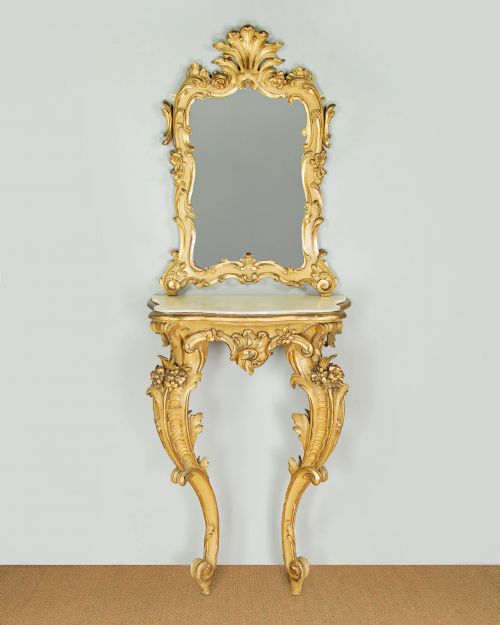
When you search for a small gilded mirror, you encounter wall-mounted pieces ranging from compact 18th century Italian cartouche designs to 19th century convex roundels and Regency pier mirrors. These items function primarily as decorative accents in hallways, above mantelpieces, or paired above console tables.
The selections on this page lean heavily toward 19th century English and French examples, alongside Regency convex glasses and 18th century carved giltwood pieces. You also find smaller numbers of 1920s revival items, painted wood étagères, and marriage mirrors from around 1800.
How they were made
Maker workshops built frames out of wood, applying layers of gesso to smooth the surface before carving intricate details by hand. Artisans then laid gold leaf over the gesso ground, frequently using water gilding techniques that allowed parts of the metal to be burnished to a high shine while leaving other areas matte.
Many historical examples incorporate original mirror plates, including mercury glass and convex plates that distort reflections to cast light across an entire interior space.
Small Gilded Mirror Retail Price Guide 2026
Typical asking prices for small gilded mirror among the pieces listed under this phrase on Sellingantiques today, from the lower quarter to the upper quarter. They describe what is for sale here now, not the wider market.
Convex mirrors were historically placed in butler's pantries so staff could monitor the entire dining room with a single glance.
What varies in quality
The distinction between ordinary and exceptional pieces lies in the crispness of the hand-carved decoration and the integrity of the gilding. Deeper relief work on gesso over wood shows superior craftsmanship compared to shallow, moulded compositions.
The condition of the glass plate also dictates worth, as original mercury plates with natural foxing and oxidation hold more visual depth than modern replacement glass.
The Small Gilded Mirror Glossary
- Gesso
- A mixture of chalk, gypsum and size applied to a wooden frame to create a smooth base for gilding. This compound receives the detailed carving that defines the frame style.
- Giltwood
- Timber that has been coated in gold leaf or gold paint. It forms the primary structural and decorative material for these mirrors.
- Convex mirror
- A circular glass plate curved outward to provide a wide-angle reflection of the room. These pieces are often called bullseye mirrors.
- Pier mirror
- A tall, narrow glass designed to hang on the wall space between windows. They frequently incorporate shelves or console tables underneath.
- Foxing
- Brown age spots and speckles that develop on older mirror plates as the backing oxidises. Collectors view this natural ageing process as a sign of authenticity.
- Water gilding
- A traditional technique using liquid size to adhere gold leaf to a gesso surface. This method permits the gold to be burnished to a mirror-like gleam.
Small Gilded Mirror: Frequently Asked Questions
Where should I hang a small gilded mirror?
These pieces suit smaller wall spaces where a large frame would overwhelm the room, such as narrow hallways, between windows, or above small tables and mantelpieces.
Their reflective surfaces bounce natural light into dark corners, making compact areas feel larger and brighter.
How do I identify a Regency mirror?
Regency pieces often display classical motifs like rope twists, reeded frames, or convex glass plates set within heavy circular wooden moulds.
They date from the early 19th century and typically combine water gilded surfaces with hand-carved decorative elements.
Are original mirror plates better?
Original glass plates show age through foxing, light scratches and soft distortions that reveal the item's historical journey.
While modern glass offers a clear reflection, original mercury plates provide character and visual depth that collectors prefer.