
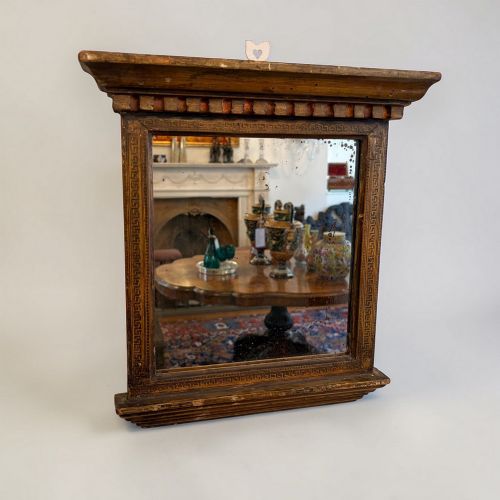
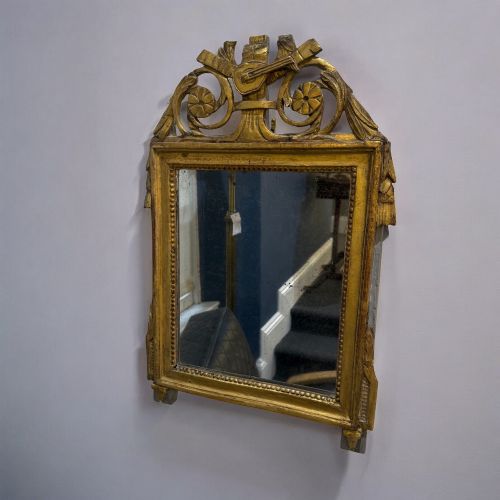
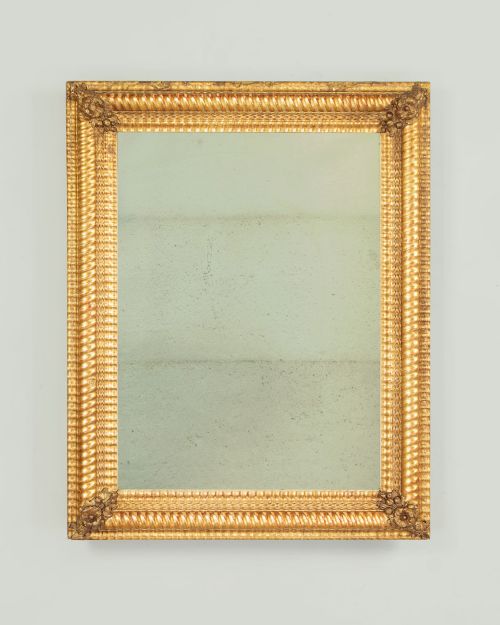
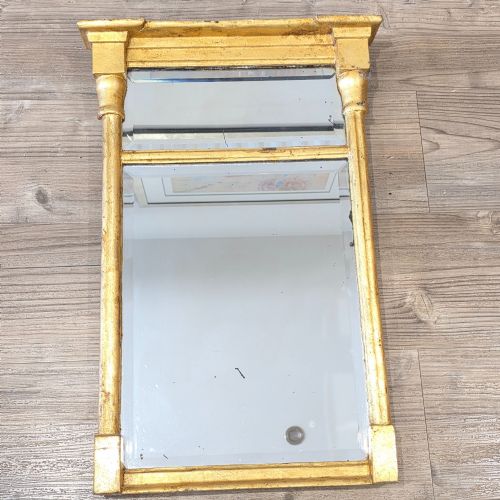




Small Gilded Frame Mirror
These small gilded frame mirror pieces bring compact reflective elegance to an interior, shaped by centuries of decorative craft.
Small Gilded Frame Mirror
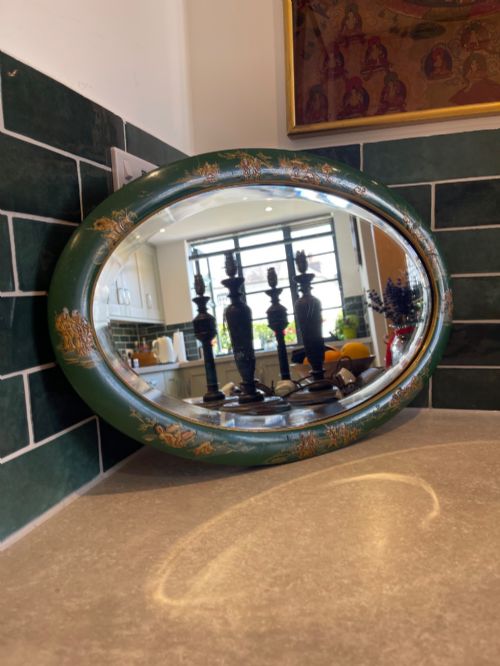
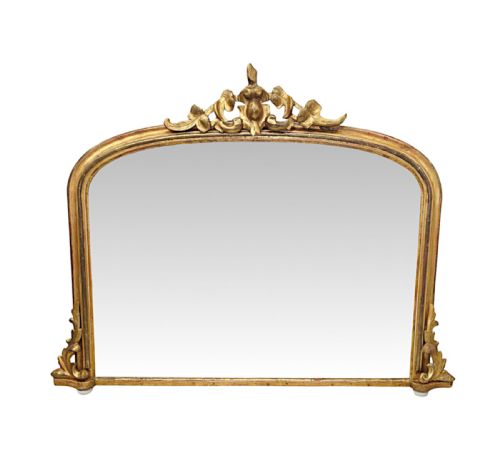
A small gilded frame mirror is a compact decorative glass piece designed for wall placement, often found in styles ranging from Regency and Victorian to French Chateau and Chinoiserie. These items appear in forms such as wall mirrors, pier mirrors, and overmantel mirrors.
The pieces on this page span the eighteenth, nineteenth, and early twentieth centuries, including specific years like eighteen hundred and nineteen twenty. They include items of neat proportions, convex formats, and marriage mirrors originating from English, French, Italian, and Spanish traditions.
How they were made
Carved wood and gesso form the foundational structure for many of these frames, providing a stable base for detailed ornamentation. Artisans applied gold leaf and water gilding techniques to achieve a luminous metallic surface.
Ebonised wood and composition materials also appear alongside standard wood substrates. The reflective glass is set within these frames, sometimes paired with lacquer work in Chinoiserie examples.
Convex mirrors were once nicknamed banker's mirrors because their wide-angle view supposedly helped merchants keep an eye on customers and coins alike.
What varies in quality
The depth and precision of the carved detail distinguish finer examples from simpler production. Hand-applied water gilding yields a warmer, more nuanced finish than later chemical applications.
Proportion and the integrity of the original glass plate influence the character of each piece. Frames retaining their early gilding surfaces hold greater visual depth.
The Small Gilded Frame Mirror Glossary
- Gesso
- A plaster-based mixture applied to wood frames to create a smooth surface for gilding. It allows for intricate relief moulding before gold leaf is applied.
- Giltwood
- Timber that has been coated with gold leaf or gold paint. This technique protects the underlying wood while providing a brilliant metallic sheen.
- Pier mirror
- A tall, narrow glass designed to hang on the wall between windows. These pieces often feature neat proportions suited for smaller spaces.
- Convex mirror
- A round glass surface curved outward to provide a wide-angle reflection of the room. These mirrors frequently incorporate spherical frame details.
- Overmantel mirror
- A glass piece specifically proportioned to sit above a fireplace mantel. They appear in arched and rectangular formats across the nineteenth century.
Small Gilded Frame Mirror: Frequently Asked Questions
Where should I hang a small gilded frame mirror?
These compact mirrors suit entryways, hallways, or smaller wall spaces where a full-size glass would overwhelm the room. Their reflective quality helps bounce light into darker corners.
Piers between windows or above smaller pieces of furniture also provide balanced placement. Ensure the wall fixings match the weight of the wood and gesso structure.
How do I identify a Regency style mirror?
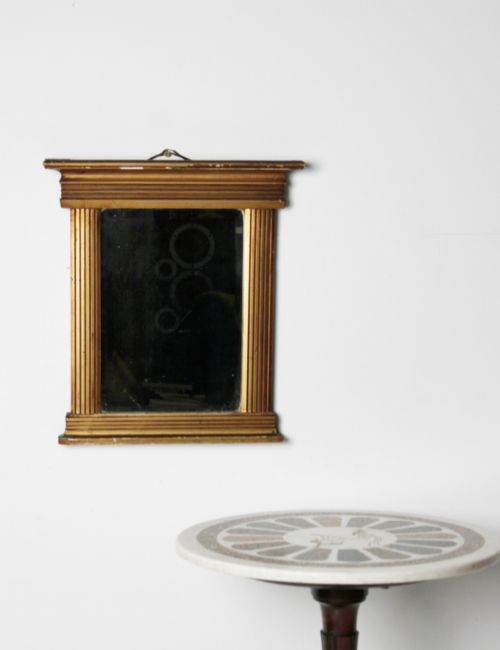
Regency pieces often incorporate classical motifs, reeded details, and bold architectural lines inspired by ancient Roman and Greek designs. They frequently utilise giltwood frames with clean geometric organisation.
Looking closely at the construction reveals the transition from eighteenth-century ornamentation to nineteenth-century restraint. The proportions remain balanced and purposeful.
What is a French marriage mirror?
A French marriage mirror is a traditional decorative piece historically given as a wedding gift. These items often feature symbolic carved motifs related to union and prosperity.
They tend to display refined craftsmanship, utilising gesso and gilt finishes on compact wooden frames. Their domestic origin gives them a distinct personal character.
How do convex mirrors differ from standard wall mirrors?
Convex mirrors feature a curved spherical glass that captures a panoramic reflection of the interior space. This optical distortion creates a unique focal point on the wall.
They usually appear in circular frames, sometimes bordered with ball details or ebonised wood accents. Their historic use included monitoring activity across a room.