


Period Georgian Mirror
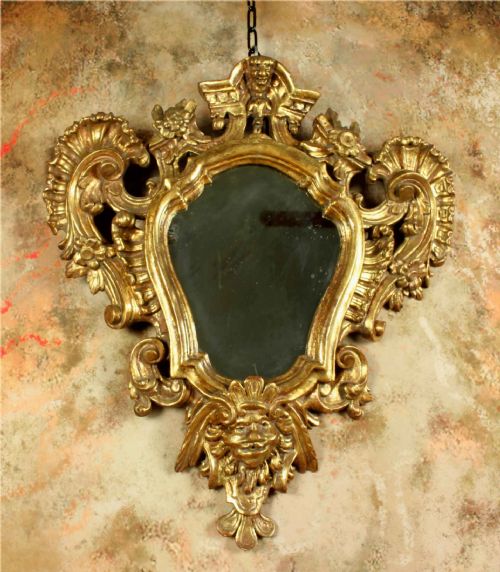
A period georgian mirror brings the light and symmetry of the eighteenth century into a room through carved wood and gilded gesso.
Period Georgian Mirror
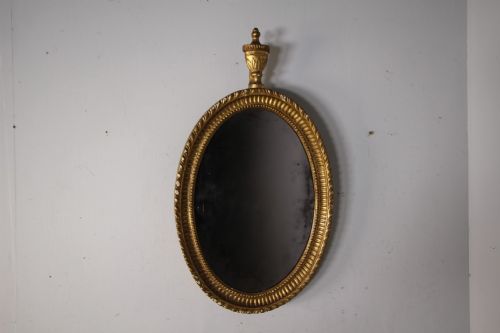
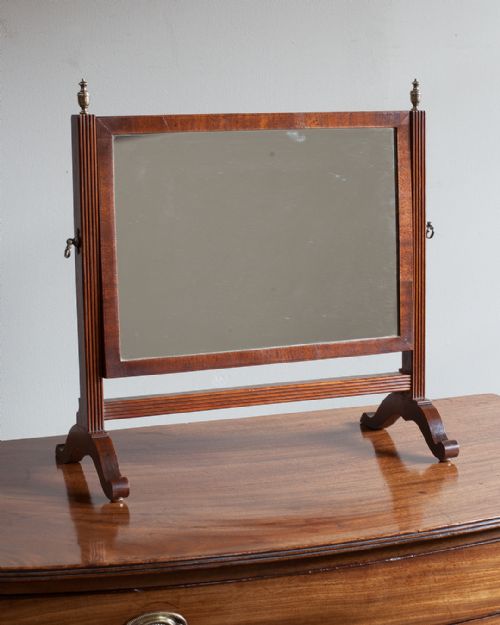
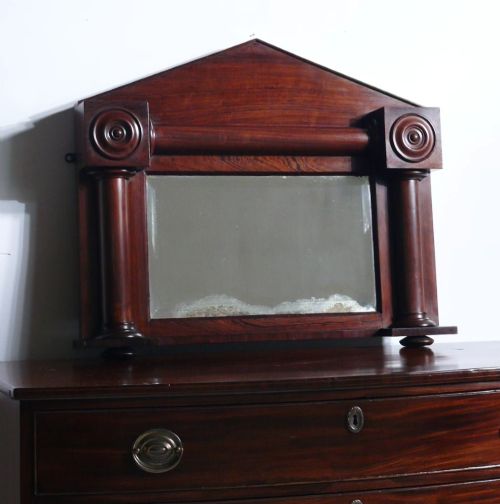
A period georgian mirror encompasses wall-hung plates, overmantels, and smaller toilet or dressing mirrors designed for the vanity. These pieces emerge from the reigns spanning the eighteenth century into the Regency era, utilising mahogany, walnut, and gessoed pine.
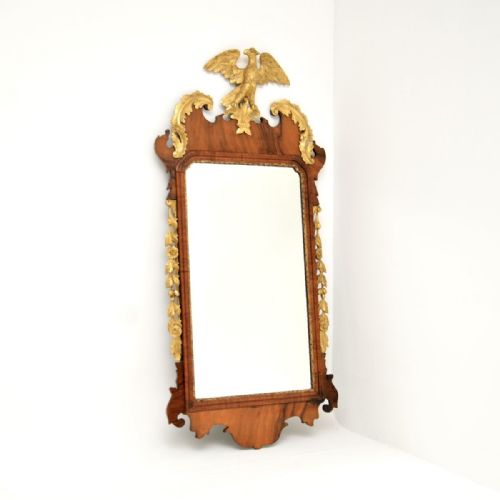
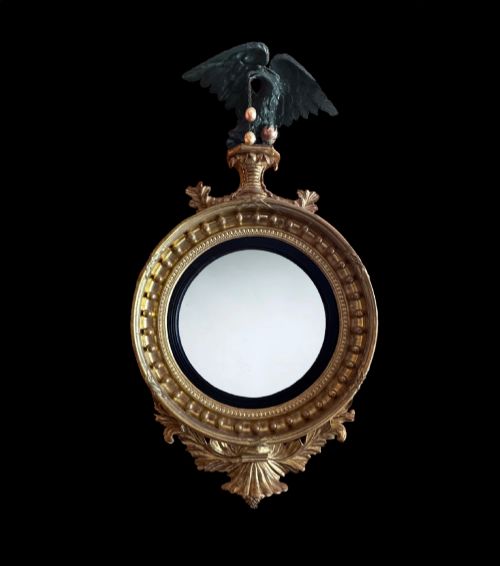
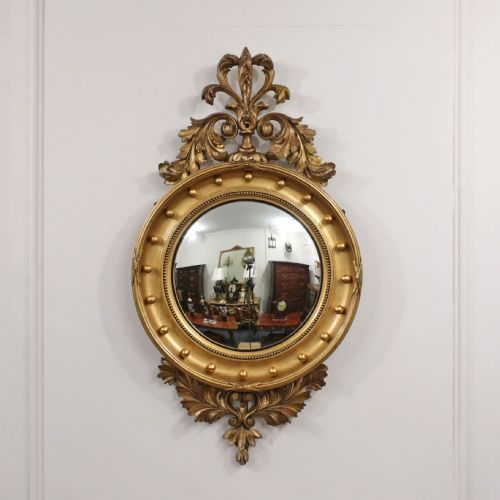
The wall-hung examples frequently display the fretwork and asymmetric flourishes of the Chippendale style, while convex formats bring round, deep-set plates framed by gilded wood and eagle crests. Dressing and toilet mirrors sit upon small box bases with fitted drawers, providing functional elegance for the table.
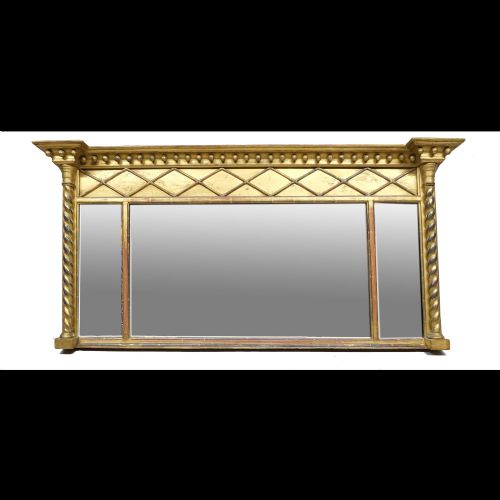
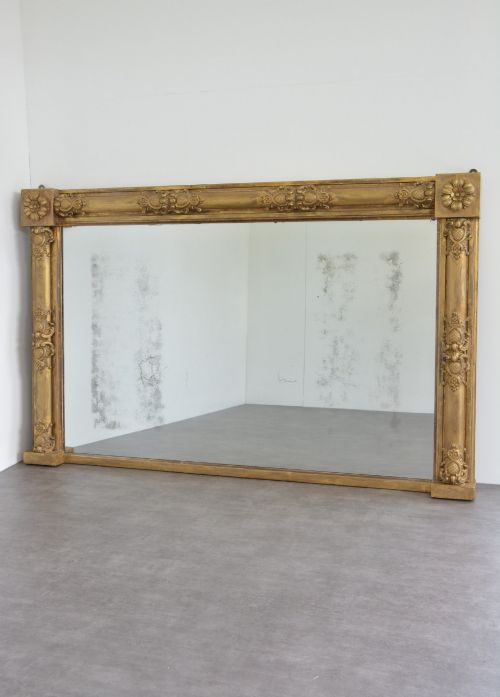
Overmantel mirrors stretch horizontally to sit above fireplaces, often incorporating classical friezes, laurel wreaths, or giltwood mouldings. These objects reflect both domestic utility and the prevailing architectural tastes of British craftspeople working across the decades.
Materials and Construction
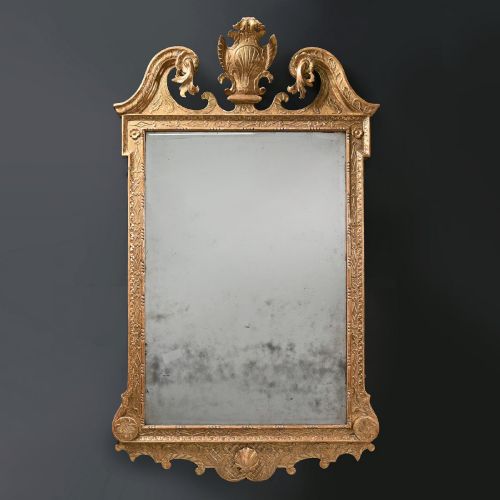
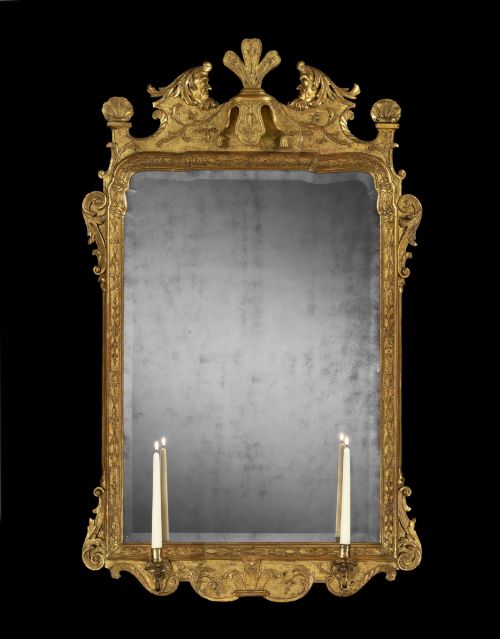
Giltwood and gesso form the decorative surfaces of many wall-hung examples, where a thin layer of plaster is built over carved wood before receiving gold leaf. Mahogany and walnut provide the solid structural frames for dressing mirrors and fretwork pier plates, often enhanced by crossbanding or parcel-gilt details.
Mercury plates appear in early pieces, displaying a distinctive mottled foxing where the backing has aged over centuries. Joinery relies on traditional pegged mortise and tenon methods, while smaller fretwork panels are sawn from thin timber boards.
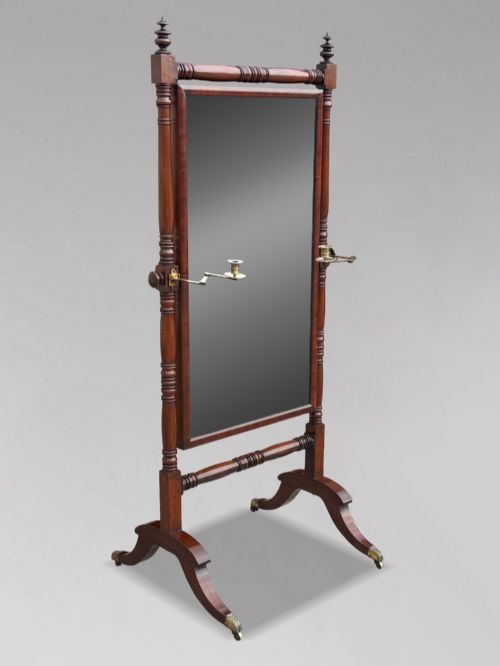
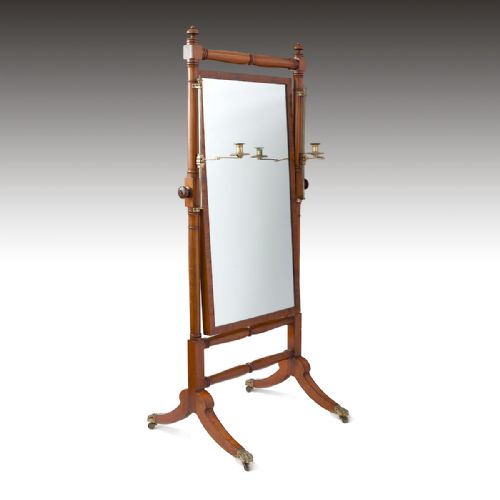
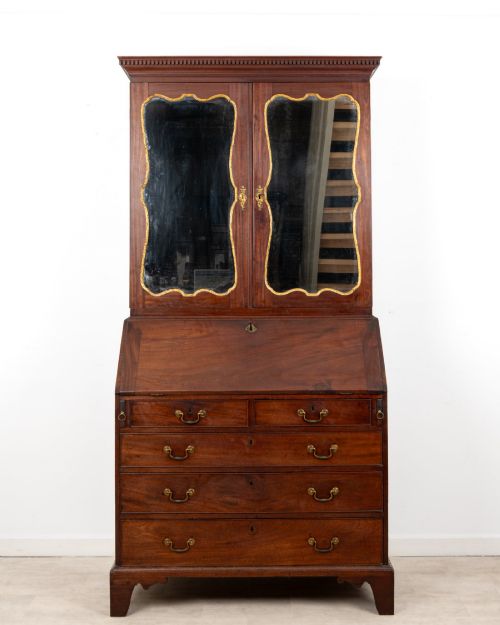
Object types span wall mirrors, overmantels, cheval mirrors, and bureau bookcases with integrated glass plates.
Craft and Proportion
Quality rests in the crispness of the hand-carved gesso details, where sharp relief distinguishes superior work from softer, later castings. The balance of proportions between the frame and the glass plate dictates the visual harmony of the finished piece.
Original mirror plates retain signs of age without compromising the reflection, whereas replaced glass alters the historic integrity of the object. The depth of the gilding and the intact nature of delicate fretwork ears or crests determine the standing of individual examples.
Gillow·William Kent·John Belchier
The Period Georgian Mirror Glossary
- Gesso
- A plaster mixture applied to wood frames as a base for gilding. It allows intricate relief carving to be modelled directly onto the surface before applying gold leaf.
- Parcel-gilt
- Partially gilded woodwork where gold leaf highlights specific carved motifs against a contrasting dark wood background such as walnut or mahogany.
- Convex mirror
- A round mirror with a curved glass plate that projects a wide-angle reflection of the interior. These pieces frequently feature gilded frames topped with eagles or decorative balls.
- Pier mirror
- A tall, narrow wall glass designed to hang on the wall space between windows. They often incorporate matching console tables or sit above pier tables.
- Fretwork
- Thin wood panels pierced with decorative patterns using a fretsaw. This technique defines the pierced scrolls and ears of mid-eighteenth-century dressing and wall frames.
Period Georgian Mirror: Frequently Asked Questions
How do I hang a heavy overmantel mirror safely?
These large framed glasses require secure anchoring into masonry or solid wall studs using heavy-duty brackets that distribute the substantial weight evenly.
Professional installation ensures the historic frame bears no undue stress across its joinery when mounted above a fireplace.
What causes foxing on antique mirror glass?
Foxing occurs when moisture seeps behind the glass plate over generations, causing the silvering or mercury backing to oxidise and form dark spots.
Many collectors value this aged speckling as proof of authenticity and age rather than a defect requiring restoration.
Where should a convex mirror be placed?
Convex glasses concentrate room light and project a wide panoramic view of their surroundings, making them effective opposite windows or in compact hallways.
Their curved focal point draws the eye, so hanging them at eye level maximises their decorative impact within a space.
How do I tell an 18th century mirror from a later copy?
Original pieces display hand-cut timber joints, old pine or oak secondary woods, and subtle tool marks left by period carvers and gilders.
Later revival pieces often reveal machine-cut elements, modern fixings, or uniform composition ornament that lacks the subtle irregularities of handwork.