

Small Trunk
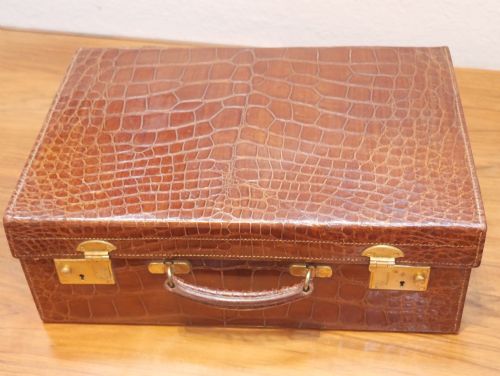
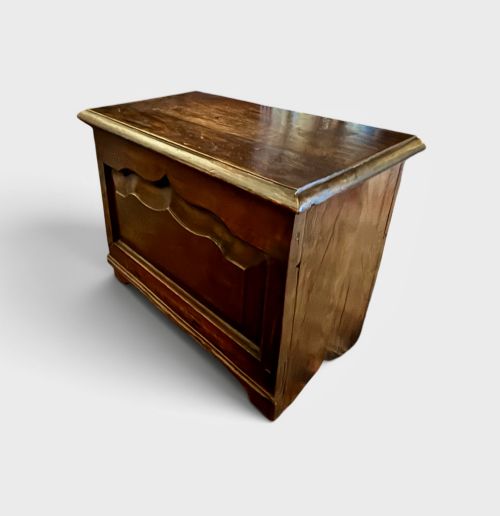
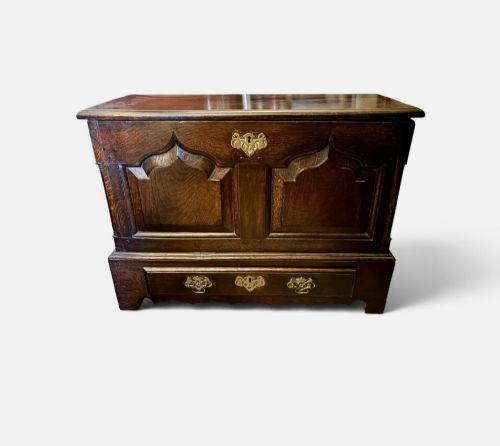
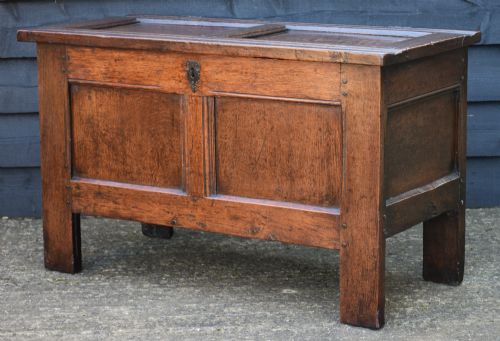
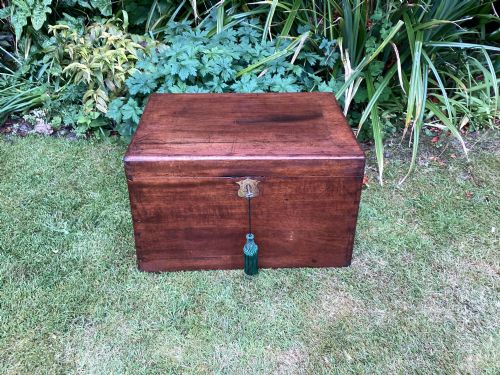
A small antique trunk offers compact storage with centuries of craftsmanship, ranging from rugged pine boxes to panelled oak coffers.
Small Trunk
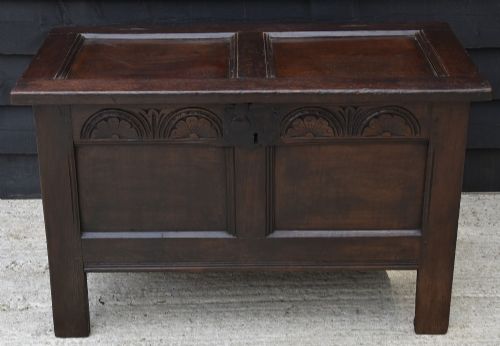
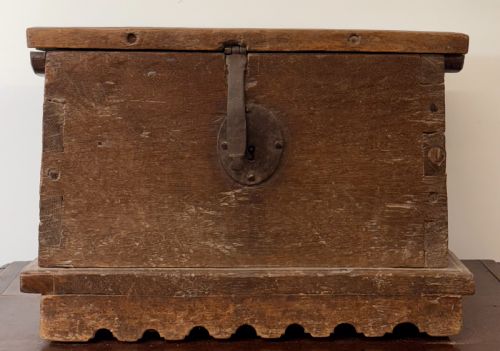
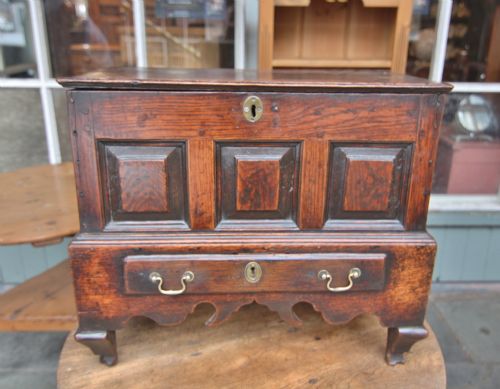
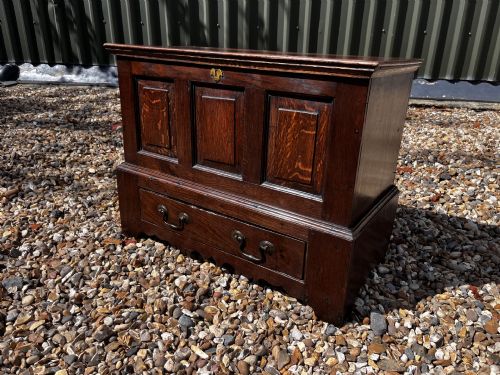
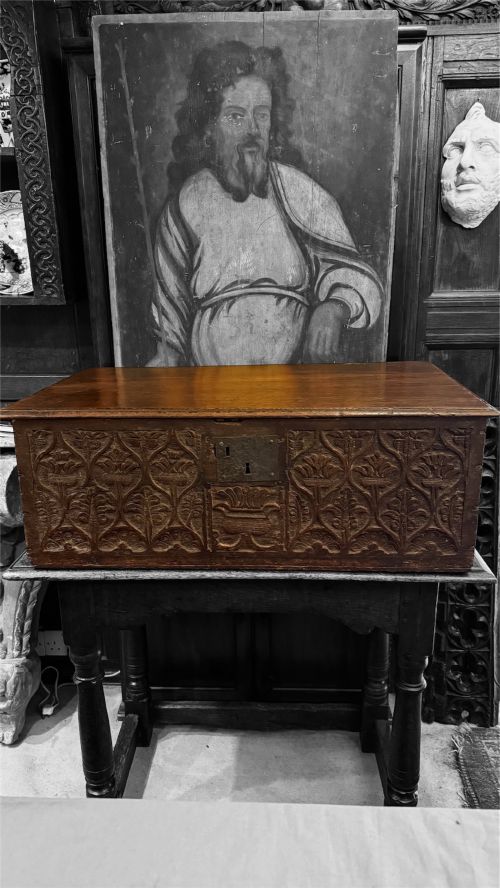
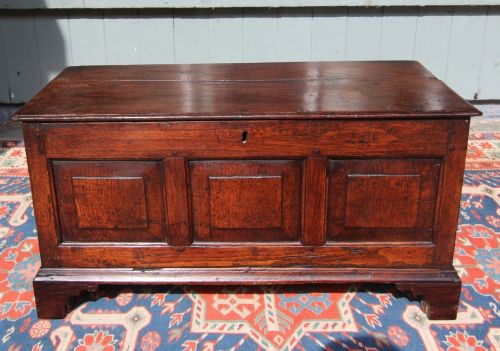
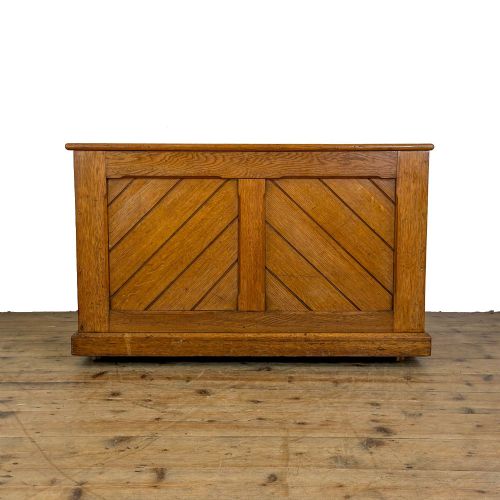
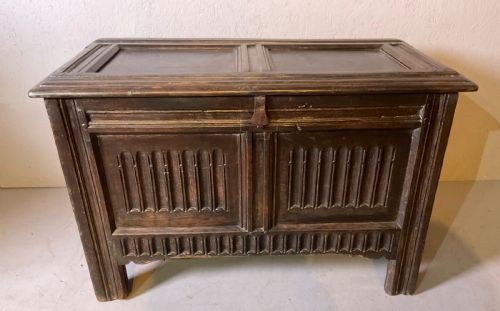
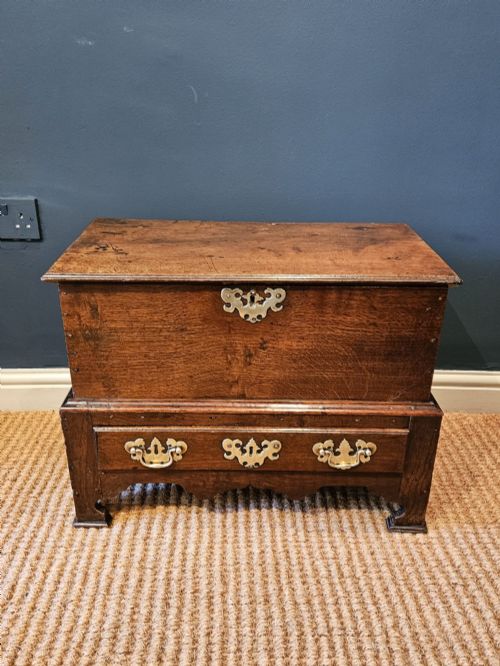
When searching for a small antique trunk, buyers encounter a diverse selection of diminutive storage pieces spanning multiple centuries and regions. The listings on this page include sturdy oak coffers, Welsh coffer bachs, pine blanket boxes, and travel chests bound in brass or iron.
The forms vary from simple six-plank elm boxes and document bible boxes to military campaign trunks in camphor wood and teak. Oak examples frequently date from the seventeenth and eighteenth centuries, while pine and painted variants often represent nineteenth-century country craftsmanship.
Regional styles give these small vessels distinct character, encompassing Welsh vernacular pieces, Scandinavian painted boxes, and Anglo-Indian campaign pieces. Buyers are most likely to meet utilitarian pine storage trunks alongside finely carved oak coffers built for domestic use.
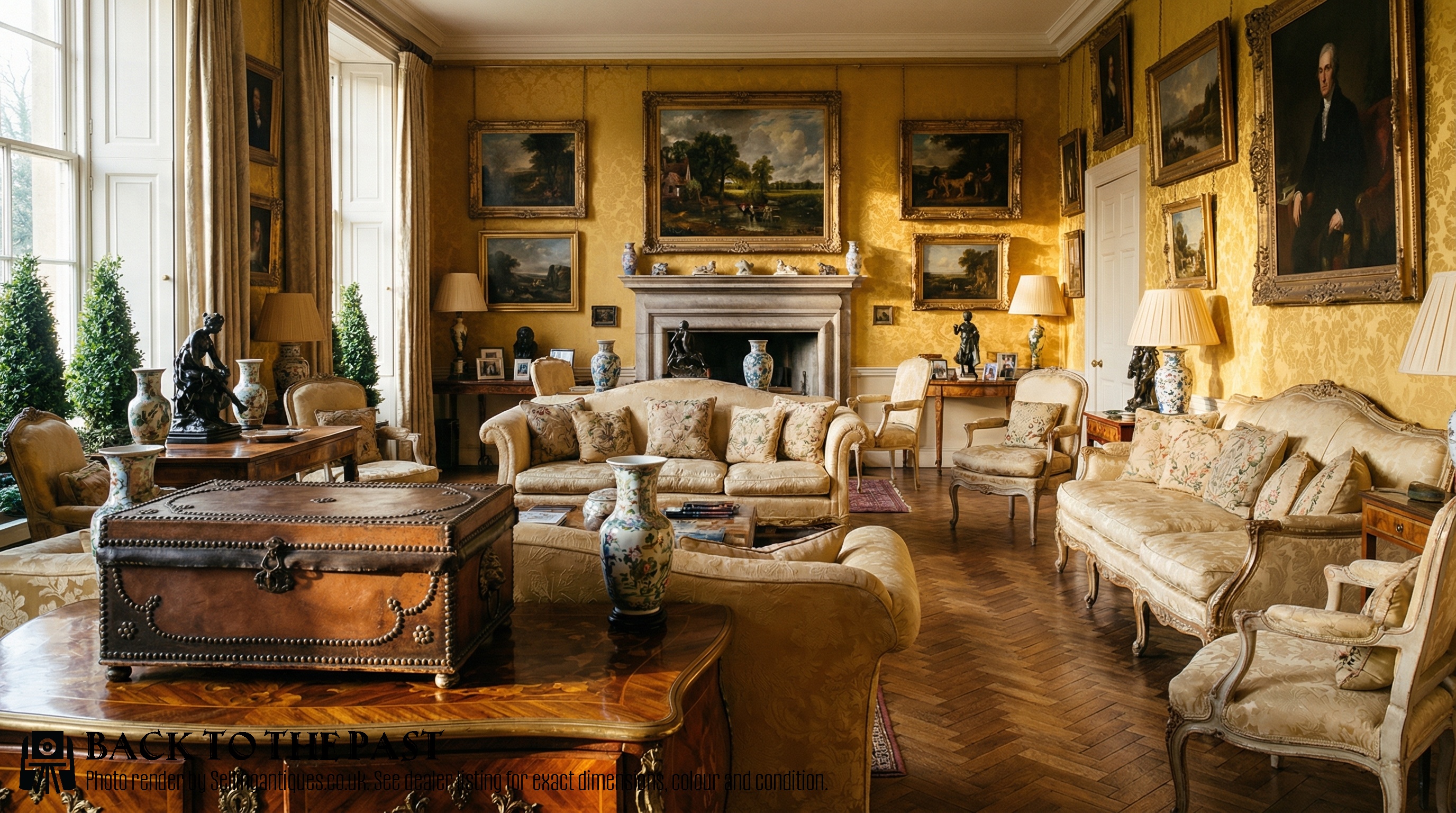
How they were made
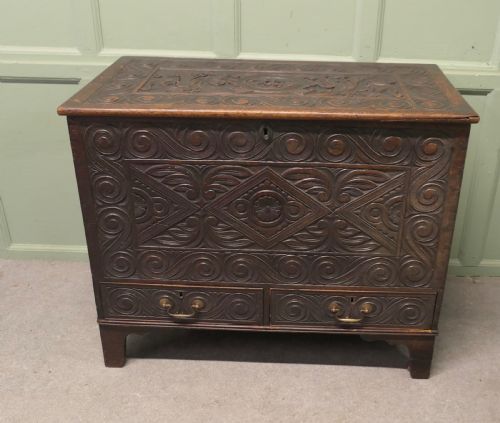
Traditional joinery defines the earlier wooden trunks, utilising solid oak, elm, and walnut assembled with pegged joints, panelled construction, or plain planking. Carved details, linen fold panels, and surface embellishments appear on domestic coffers from the seventeenth century.
Metal reinforcement is common on travel and campaign pieces, incorporating brass strapwork, iron bands, and secure locks to withstand transit. Later nineteenth-century examples employ pine, camphor wood, or tin over wood, sometimes finished with paint, scrumbles, or leather.
Several small trunks whisper of distant voyages, smelling permanently of camphor wood after two centuries inside maritime cabins.
What varies in quality
The distinction between ordinary utility boxes and finer pieces rests upon the integrity of the timber and the sophistication of the construction. Superior examples retain their original hinges, locks, feet, and surface patination without excessive structural timber replacement.
Carved decoration and regional form elevate certain boxes, such as detailed Welsh coffer bachs or early panelled coffers with crisp joinery. Original painted finishes and intact brass or iron hardware also separate utilitarian storage from more collectible examples.
The Small Trunk Glossary
- Coffer bach
- A small Welsh box or chest on feet, traditionally used for holding valuables or as a gift.
- Bible box
- A small desk or storage box designed originally to hold sacred texts and writing materials.
- Campaign trunk
- A portable chest made for travel, often featuring recessed brass handles and reinforced corners.
- Linen fold
- A carved wood pattern resembling folded fabric, frequently seen on seventeenth-century panels.
- Kist
- A regional term for a wooden chest or box used for domestic storage.
- Scrumbled
- A painted finish applied with a brush or comb to simulate the grain of more expensive wood.
Small Trunk: Frequently Asked Questions
What were small antique trunks used for?
These compact chests served multiple domestic and travel functions across different centuries. They held valuable documents, bibles, linens, blankets, and personal belongings in homes with limited space.
Travel variants functioned as sturdy luggage for officers on military campaigns or merchants on long journeys, protecting contents with iron or brass bindings.
How do I date an old wooden trunk?
Dating relies on examining the construction methods, timber species, and hardware used in the piece. Seventeenth-century examples typically feature hand-cleaved oak, pegged joints, and simple panel framing.
Later nineteenth-century versions often utilise machine-sawn pine, dovetailed corners, and modern hinges or tin coverings. Regional styles and carved dates also provide clues to origin.
Where should I place a small trunk at home?
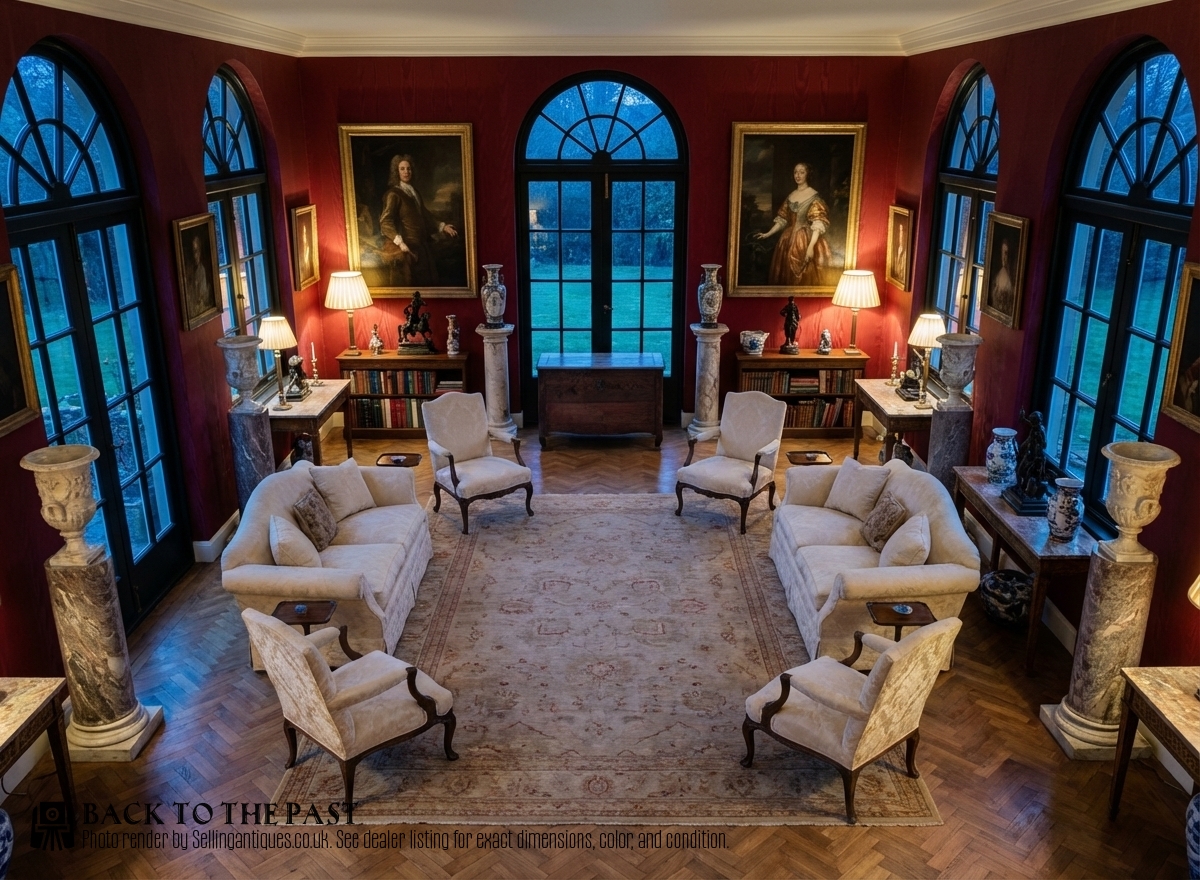
Their compact proportions make these chests exceptionally versatile for modern interiors. They work well as coffee tables in a sitting room, providing hidden storage for blankets and books.
Alternatively, they function effectively at the foot of a bed, in a hallway for shoes, or as an occasional surface topped with lamps or decorative objects.
What is the difference between a coffer and a trunk?
A coffer generally denotes a heavier, panelled wooden box with a flat lid, often associated with domestic storage and finer joinery from the seventeenth and eighteenth centuries. Trunks frequently lean towards travel and transport.
Trunks often incorporate materials like leather, tin, camphor wood, or metal reinforcements designed to endure movement, whereas coffers remain stationary furniture.