




Elm Storage Chest
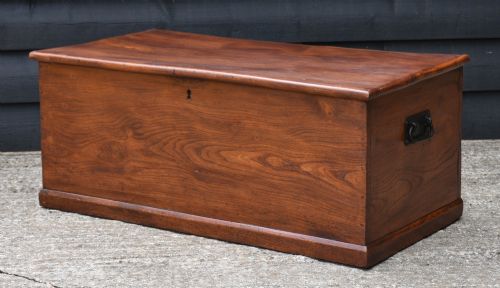
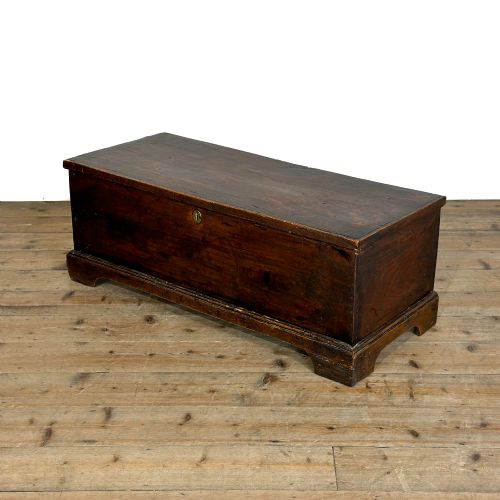
An elm storage chest brings timber with a rich, tangled grain into a room, serving as a sturdy repository for blankets, linen or dry goods.
Elm Storage Chest
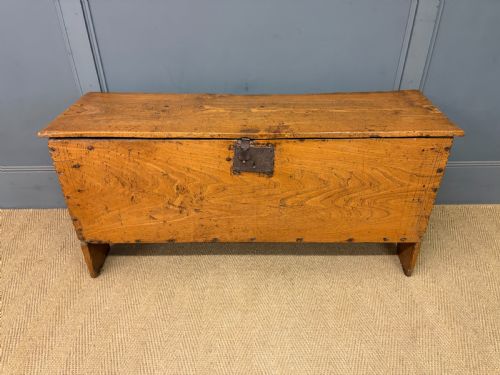
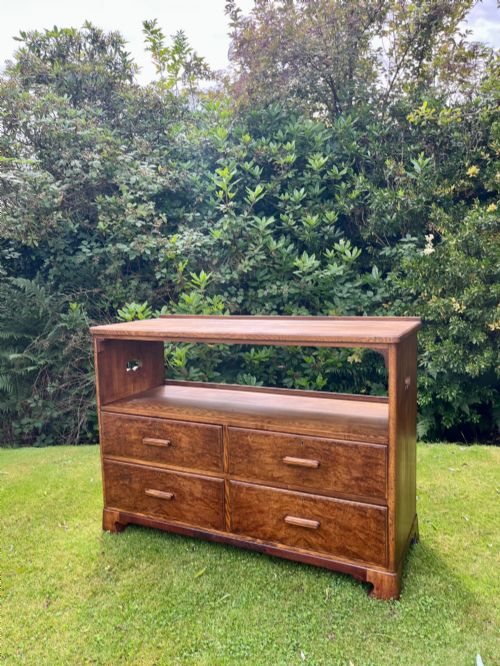
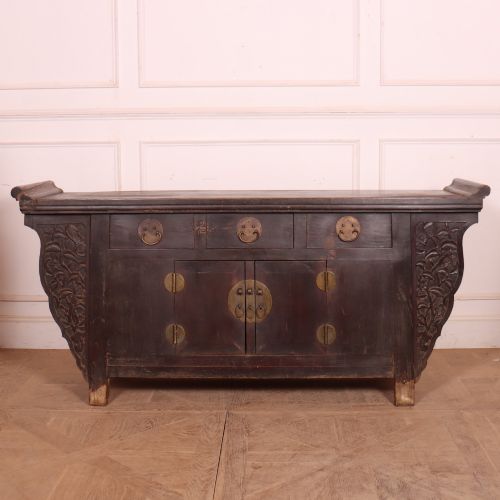
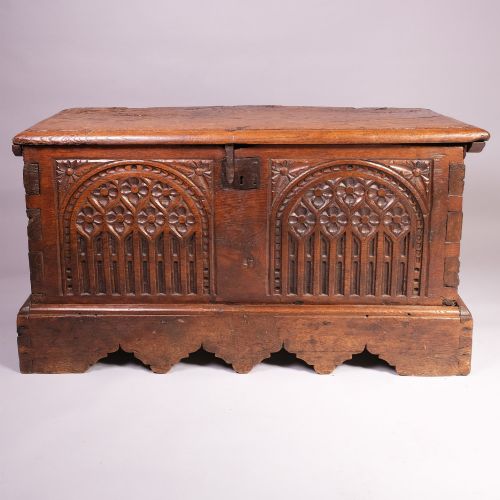
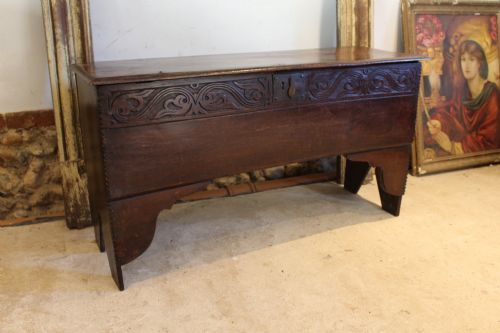
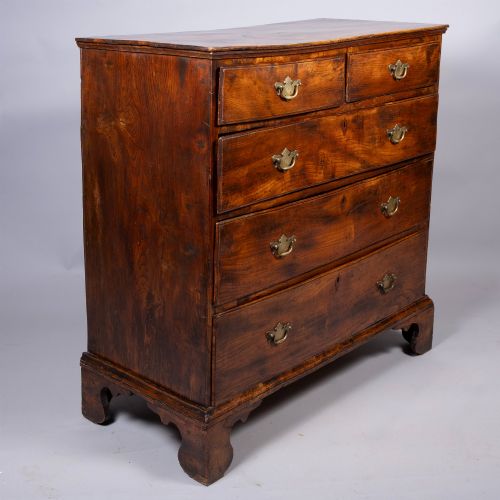
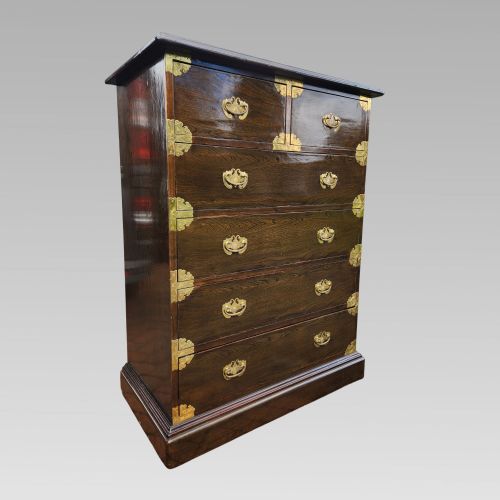
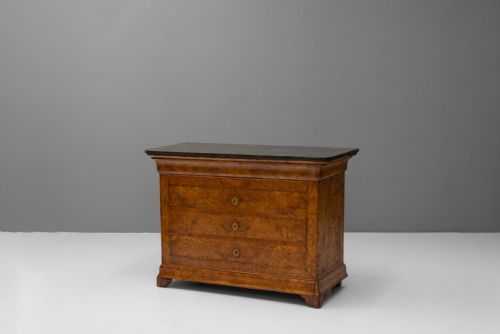
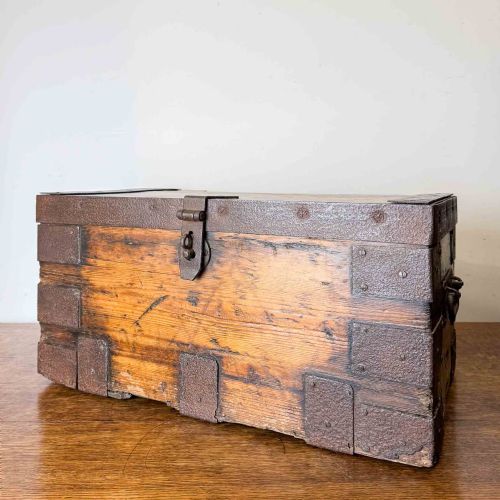
An elm storage chest encompasses domestic utility vessels ranging from humble six-plank coffers and blanket boxes to elaborate chests of drawers, sideboards and travelling strongboxes. These pieces emerge from diverse traditions, spanning Georgian and George III vernacular country workshops in Britain, Dutch urban cabinets, French empire commodes, and East Asian workshops in China, Korea and Japan.
The domestic blanket chest or coffer stands as the form most frequently encountered in these listings, alongside multi-drawer chests and side cabinets in figured or burr timber. British country examples often date to the eighteenth and nineteenth centuries, while overseas pieces introduce distinctive regional styles such as Korean Bandaji chests and Chinese sideboards.
Construction and materials
Makers utilised solid elm and burr elm for its tough, interlocking grain, frequently pairing the wood with oak, pine, or contrasting panels depending on the regional tradition. Iron hinges, hasps, carrying hoops and elaborate brass hardware provide structural reinforcement and secure closure for travelling chests, strongboxes and overseas cabinets.
Joinery methods vary from simple pegged six-plank construction in early country coffers to sophisticated veneered surfaces on Dutch commodes and traditional framing on Asian tansu and Bandaji chests.
Materials paired with elm across the inventory include brass, iron, oak, glass, and marble.
Judging quality in elm storage
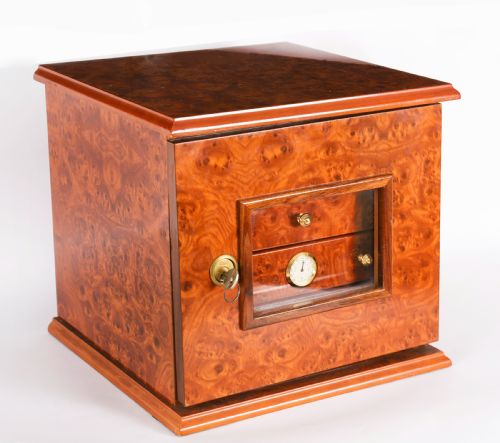
Quality rests upon the selection of the timber, particularly where figured wood or burr elm creates deep, mottled patterns across the front panels. The integrity of the original hardware - whether hand-beaten iron braces or detailed brass mounts - distinguishes standard utility pieces from exceptional examples.
Proportion and surface patina reveal the working life of the chest, where untouched timber surfaces and crisp, traditional joinery maintain the integrity of the original design.
Whytock and Reid
The Elm Storage Chest Glossary
- Cofer
- A solid wooden box with a lid, traditionally used for storing valuables or household goods. Early examples often rely on simple plank construction fastened with wooden pegs.
- Bandaji
- A traditional Korean storage chest featuring a drop-front panel for access to interior compartments. These pieces typically display striking brass hardware and strapwork.
- Burr elm
- A growth deformity on the elm tree that produces highly figured, swirling wood grain. Cabinet makers prize this timber for decorative veneer panels on commodes and humidor cabinets.
- Mule chest
- A traditional storage chest featuring one or more drawers beneath the main lift-top compartment. This form bridges the gap between the simple cofer and the modern chest of drawers.
- Tansu
- A traditional Japanese mobile storage chest or cabinet built from wood with metal mounts. These pieces were designed for specific domestic functions and daily utility.
Elm Storage Chest: Frequently Asked Questions
What is an elm storage chest used for?
These chests served primarily for storing household textiles, blankets, clothing, documents, and valuable possessions away from dust and dampness. Domestic versions kept linens secure in bedrooms, while travelling strongboxes protected personal items on journeys.
Today, they function as practical living room furniture, holding household items while serving as coffee tables or decorative focal points.
How do I care for an antique elm surface?
Protect the timber by keeping chests away from direct heat sources, radiators, and strong sunlight that can dry out and split the wood. Dust the surface regularly with a dry cloth and apply natural beeswax sparingly to maintain the patina.
Avoid using silicone-based polishes or wet cloths, as moisture can damage historic timber and vulnerable iron or brass hardware.
How can I tell an 18th-century chest from a later one?
Examine the construction methods, tool marks, and timber joints visible on the interior and underside of the piece. Eighteenth-century British country chests often feature hand-planed boards, pegged joints, and hand-forged iron nails rather than modern screws.
Patina also offers clues, as centuries of handling create a soft, undulating surface texture that newer reproductions cannot easily replicate.
Are Asian elm chests different from British ones?
Asian storage pieces, such as Chinese sideboards and Korean Bandaji chests, utilise distinct regional joinery and prominent hardware like elaborate brass plates and corner brackets. They often serve different domestic roles, functioning as display cabinets, sideboards, or front-opening storage furniture.
British elm chests tend to focus on simple plank construction, lift-top blanket boxes, or traditional drawer configurations rooted in vernacular country styles.