


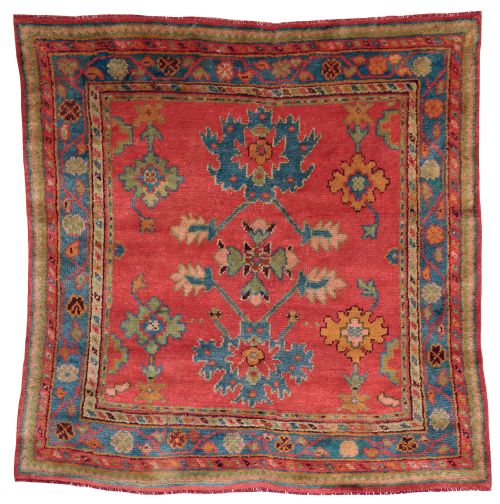
Small Ottoman
A small antique ottoman brings functional seating and rich textile history into a room through compact proportions and traditional craftsmanship.
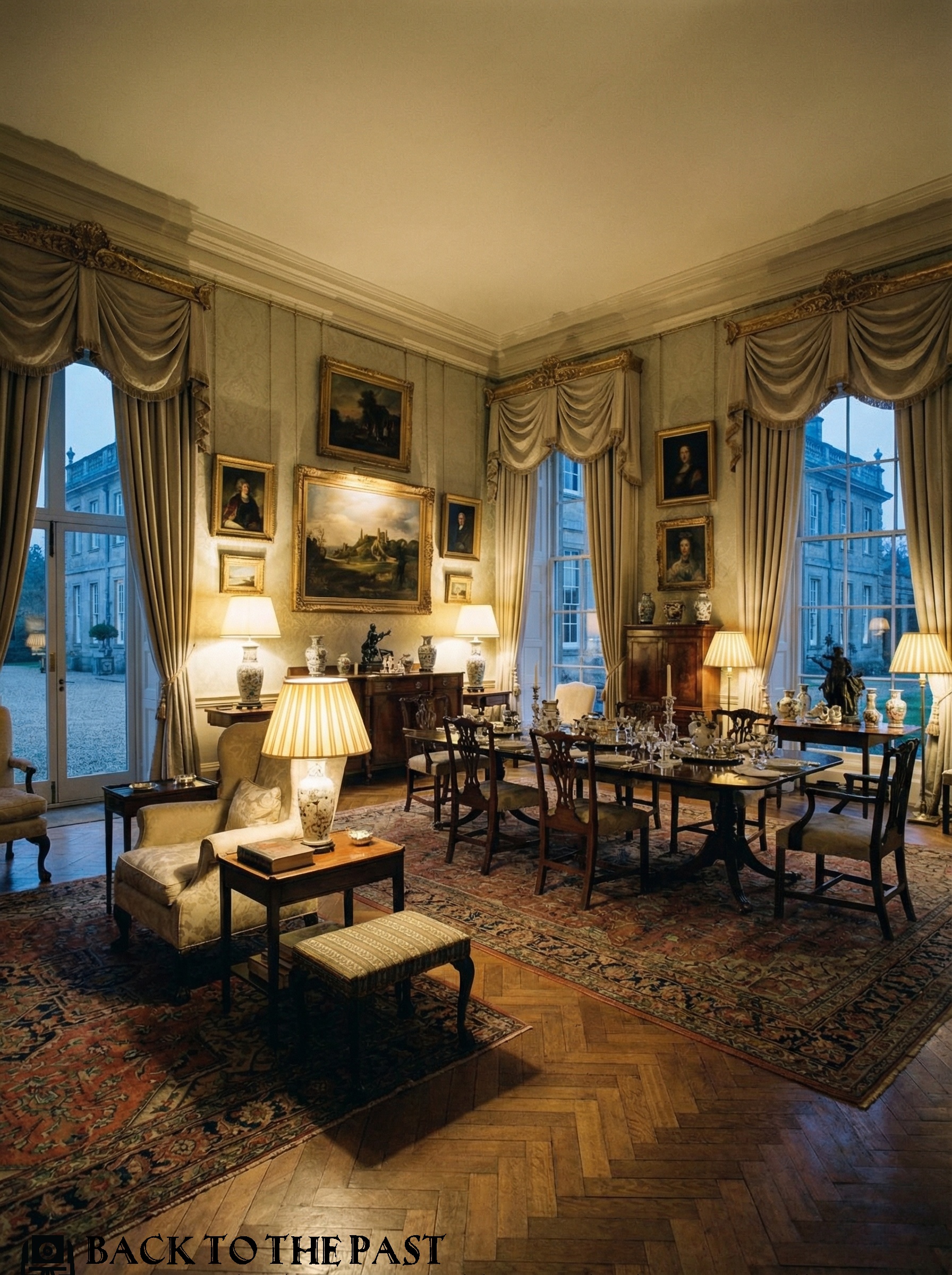
Small Ottoman
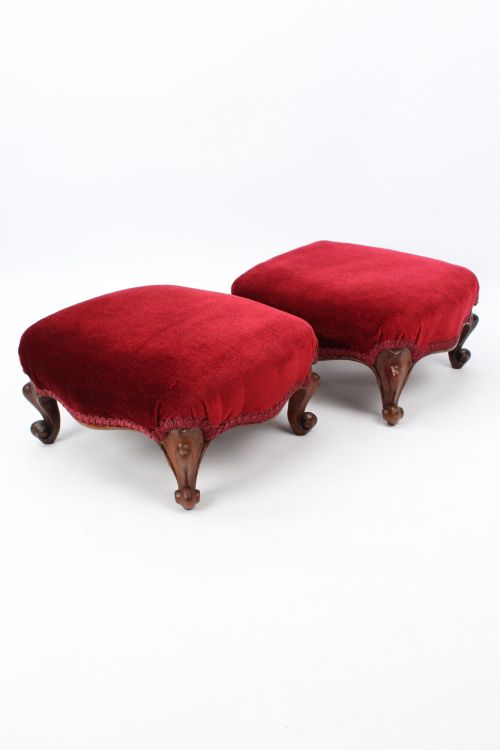
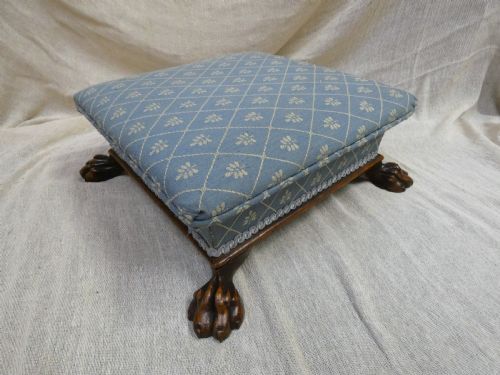
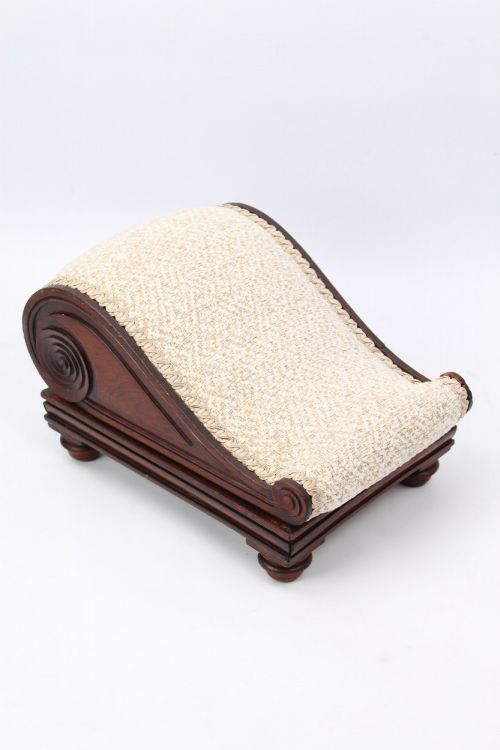
Buyers seeking a small antique ottoman will encounter a diverse selection of low seating, footstools, and woven floor coverings rather than a single standardised furniture type. The inventory spans several distinct periods, most notably the Victorian era and the nineteenth century, alongside Regency and Edwardian pieces. Formats range from carved walnut and mahogany stools with upholstered needlepoint or tapestry tops to woven Turkish prayer rugs from regions like Konya, Milas, and Ushak.
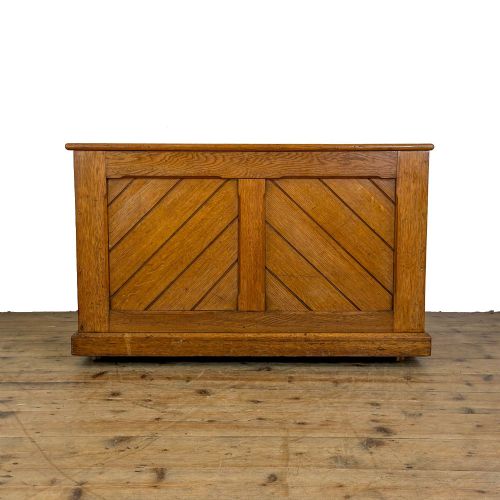
These items frequently merge British domestic woodwork with Middle Eastern textiles, reflecting nineteenth-century taste for imported rugs and carpets. Footstools appear in matched pairs or individual variants featuring walnut, mahogany, ebony, or elm frames. Alongside these sit small blanket boxes, trunks, and woven yastics, creating a varied category that bridges practical seating with decorative textile arts.
Materials and construction methods
Makers utilised dense hardwoods including walnut, mahogany, rosewood, and elm to construct sturdy frames for stools, boxes, and small seating forms. Woodwork often involved decorative elements such as inlay, ebonising, carving, and Tunbridge Ware geometric patterns. Frames were built to support substantial downward pressure while remaining small enough for domestic fireside use.
Textile portions combine wool, velvet, and fabric, frequently featuring hand-knotted pile or flat-woven tapestry techniques. Prayer rugs and small carpets employ traditional dyeing and weaving methods originating in Anatolia and the broader Ottoman sphere. Needlepoint upholstery on Victorian stools relies on tight stitching over padded foundations to secure the decorative surface.
Determining quality across the range
The standard of a piece rests heavily on the integrity of its wooden frame and the precision of its joinery. Carved details, inlaid woods, and specialised decorative work like Tunbridge Ware demonstrate higher workshop capability than plain or utilitarian framing. The choice of primary timber, from richly grained walnut and rosewood to simpler elm, sets baseline execution levels.
For textile elements, the fineness of the weave, knot density, and preservation of wool pile dictate superiority. Antique rugs and tapestry covers retain greater visual impact when natural dyes and original borders remain intact. Upholstered stools benefit when needlepoint or fabric choices harmonize with the period character of the supporting timber structure.
The Small Ottoman Glossary
- Kilim
- A flat-woven carpet or rug produced in countries of the former Ottoman Empire, Persia, and Central Asia. These textiles lack a pile, relying instead on interlocking warp and weft threads to form geometric patterns.
- Yastic
- A small Turkish cushion or rug traditionally used for leaning against or sitting upon in domestic interiors. These pieces often display regional Anatolian motifs and compact dimensions.
- Tunbridge Ware
- A form of decorative woodwork originating from Tunbridge Wells, characterised by tiny mosaic tiles created from differently coloured woods. Craftsmen assembled these tiles to form complex geometric or pictorial scenes on small boxes and furniture.
- Prayer Rug
- A small rug featuring a niche design at one end representing the mihrab, used historically for individual devotional practice. Milas, Konya, and Ushak are noted production centres for these textiles.
- Ebonisation
- A finishing process applied to cheaper or alternative timbers to imitate genuine ebony through dark staining and polishing. Victorian makers frequently utilised this technique on stool and small furniture frames.
Small Ottoman: Frequently Asked Questions
What defines a small antique ottoman?
A small antique ottoman encompasses low domestic seating, footstools, and compact woven rugs originating from the nineteenth and early twentieth centuries. These objects combine traditional British woodwork with regional Anatolian textile arts.
Items range from mahogany and walnut upholstered stools to flat-woven Turkish carpets and prayer rugs. Their compact scale makes them adaptable for placement beside firesides or in smaller residential spaces.
How do I care for antique textile tops?
Preserving textile surfaces requires gentle handling and protection from direct sunlight to prevent fading of wool and velvet pile. Regular light suction without a rotating brush helps remove dust from woven rugs and needlepoint upholstery.
Avoiding excessive moisture and heavy wear extends the life of antique tapestries and flat-woven kilims. Professional textile conservation should be considered for fragile pile or split foundation threads.
Where were these pieces made?
Wooden frames and upholstered stools typically originate from British workshops influenced by Victorian, Regency, and Edwardian design trends. Woods like mahogany, walnut, and elm reflect domestic furniture production.
In contrast, the woven rugs and small carpets hail from Anatolian weaving centres such as Konya, Milas, Panderma, and Ushak. These regions exported decorative textiles that were frequently incorporated into British homes.
How do I distinguish regional rug types?
Regional attribution relies on examining specific border designs, colour palettes, and knotting structures unique to towns like Milas or Konya. Prayer rugs often display distinct architectural arches or mihrab motifs at one end.
Materials also provide clues, as traditional Anatolian pieces utilise specific wool preparations and vegetable dyes. Comparing border patterns against documented examples helps identify the specific weaving district.