

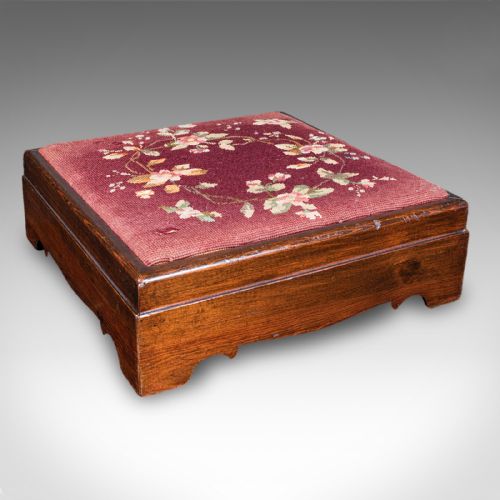


Antique Fireside Footstool
An antique fireside footstool brings practical comfort and period character to a hearth, most often meeting you in Victorian walnut or Edwardian oak.
Antique Fireside Footstool
The antique fireside footstool is a low seat designed to sit near a fireplace, keeping feet elevated from cold draughts along the floorboards. Most examples encountered here date from the Victorian and Edwardian periods, alongside earlier eighteenth-century forms and traditional country pieces.
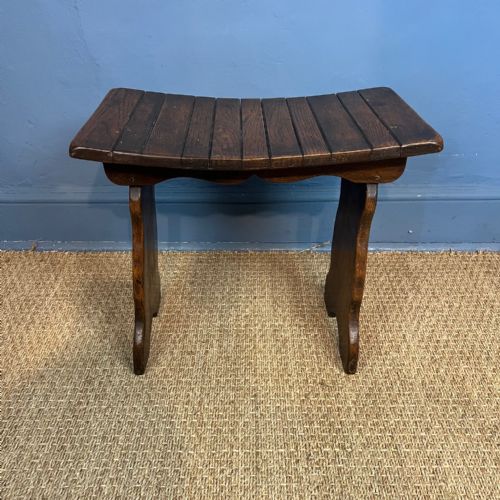
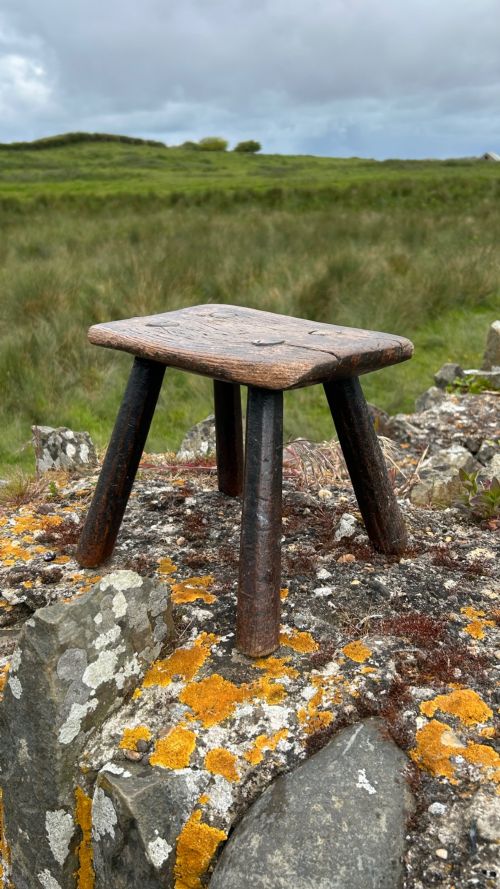
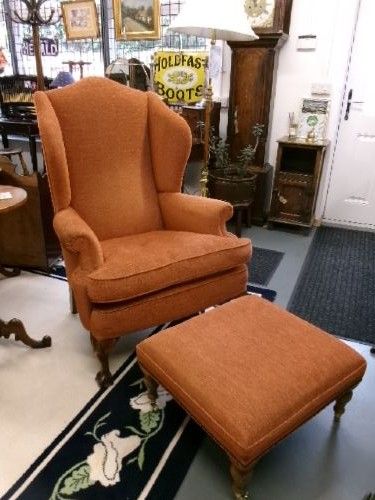
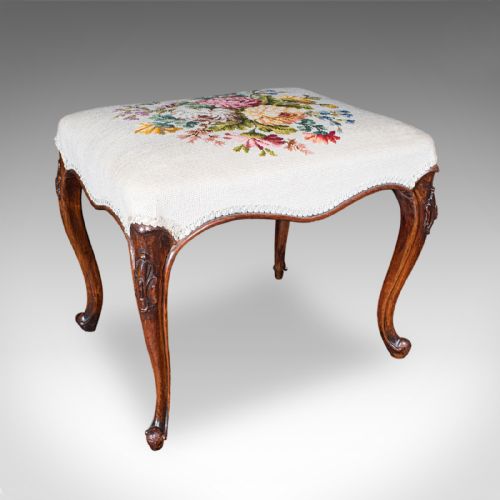
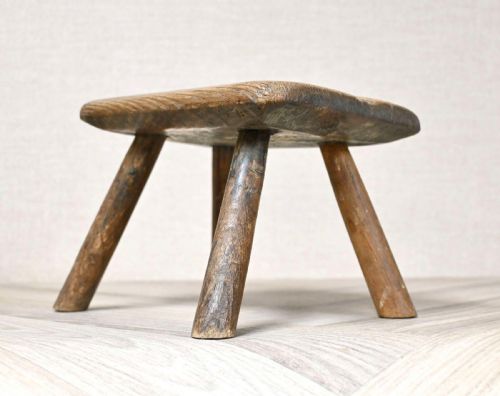
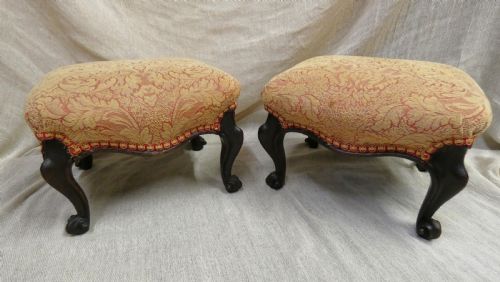
The selection ranges from simple wooden joint stools and carriage stools to large upholstered footstools and dressing stools with needlepoint or leather covers. Buyers also find matched sets including armchairs with footstools or pairs of stools built for the hearth.
Materials and construction
Makers shaped these frames from dense hardwoods including walnut, mahogany, oak, and pitch pine, often applying carved details to the woodwork. Joinery methods varied from traditional pegged joints on earlier examples to sturdy turned legs on nineteenth-century pieces.
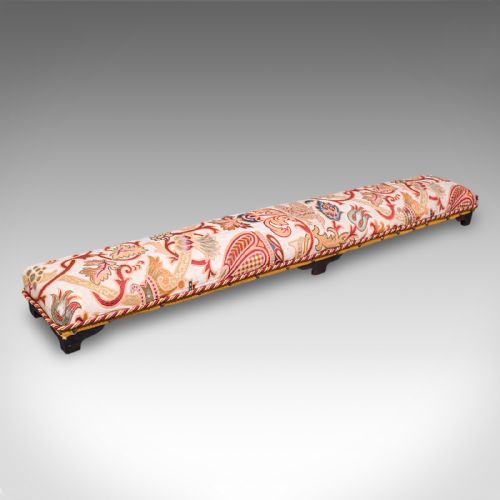
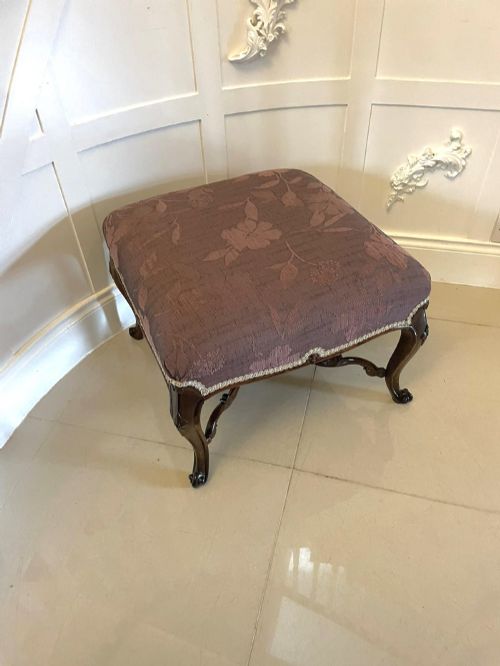
Upholstery utilised durable textiles such as wool, needlepoint, tweed, and oxblood leather, sometimes finished with buttoned detailing or decorative brass work. These materials served both decorative and functional roles in domestic interiors.
Antique Fireside Footstool Retail Price Guide 2026
Typical asking prices for fireside footstool among the pieces listed under this phrase on Sellingantiques today, from the lower quarter to the upper quarter. They describe what is for sale here now, not the wider market.
Periods represented across the selection range from the eighteenth century through the Victorian and Edwardian eras into the early twentieth century.
Determinants of quality
Quality rests upon the selection of timber and the crispness of any carved ornament on the frame, distinguishing standard utility pieces from more ambitious workshop productions. The choice of primary wood, whether rich walnut or plain pine, dictates the refinement of the piece.
The execution of the upholstery and the choice of covering material, from hand-worked needlepoint to supple leather, indicate the original status of the stool. Frames with tight joints and well-preserved timber surfaces hold greater presence in a room.
The Antique Fireside Footstool Glossary
- Needlepoint
- A form of canvas work embroidery using wool yarn to create dense geometric or floral patterns. This textile is frequently found covering the top of Victorian footstools.
- Joint stool
- A sturdy wooden stool constructed with mortise and tenon joints rather than turned legs. These pieces reflect seventeenth-century traditions continuing into later country furniture.
- Carved frame
- A wooden structure bearing hand-chiselled ornamentation such as foliage or scrollwork along the legs and rails. This detail appears on select Victorian and revival pieces.
- Pitch pine
- A resinous softwood utilised for domestic furniture frames during the Edwardian era. It provides a durable structure with a distinct grain pattern.
Antique Fireside Footstool: Frequently Asked Questions
Where should I place a fireside footstool?
These low stools sit naturally directly in front of an active fireplace or beside a favourite armchair to serve as a footrest. Their compact proportions allow them to tuck easily beneath tables or beside seating when floor space is needed.
In modern rooms, they also function as low occasional seats or decorative accents in hallways and bedrooms.
How do I identify a Victorian footstool?
Victorian examples frequently employ walnut or mahogany timbers paired with rich needlepoint, wool, or buttoned upholstery. Turned legs and carved wooden frames are characteristic markers of this period's domestic seating.
Earlier pieces from the eighteenth century tend toward simpler oak or pine construction without elaborate padding.
What is the difference between a footstool and a hearth stool?
A standard footstool is typically proportioned for a single person to rest their feet while seated. Hearth stools are often longer and wider, designed to accommodate multiple feet or to sit comfortably across the expanse of a fireplace opening.
Both forms share the characteristic low profile required for warmth near the fire.
How do I care for antique wood and leather?
Wooden frames benefit from occasional application of natural wax to nourish the grain and protect the finish from dry indoor heat. Leather upholstery requires gentle cleaning and conditioning to maintain its flexibility over time.
Keeping these pieces away from direct heat sources prevents the wood from splitting and the textiles from fading.