
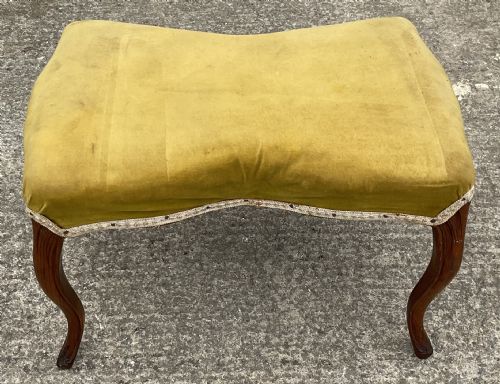

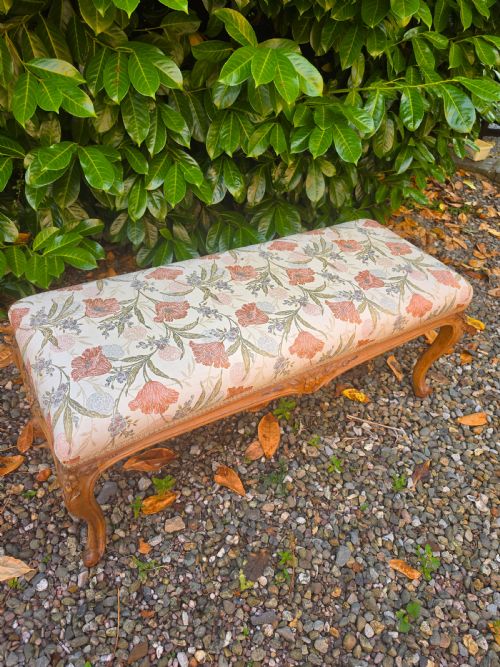


Victorian Walnut Dressing Stool
These walnut dressing stools bring low-slung nineteenth-century seating to dressing tables and bedrooms, prized for their carved timbers and rich upholstery.
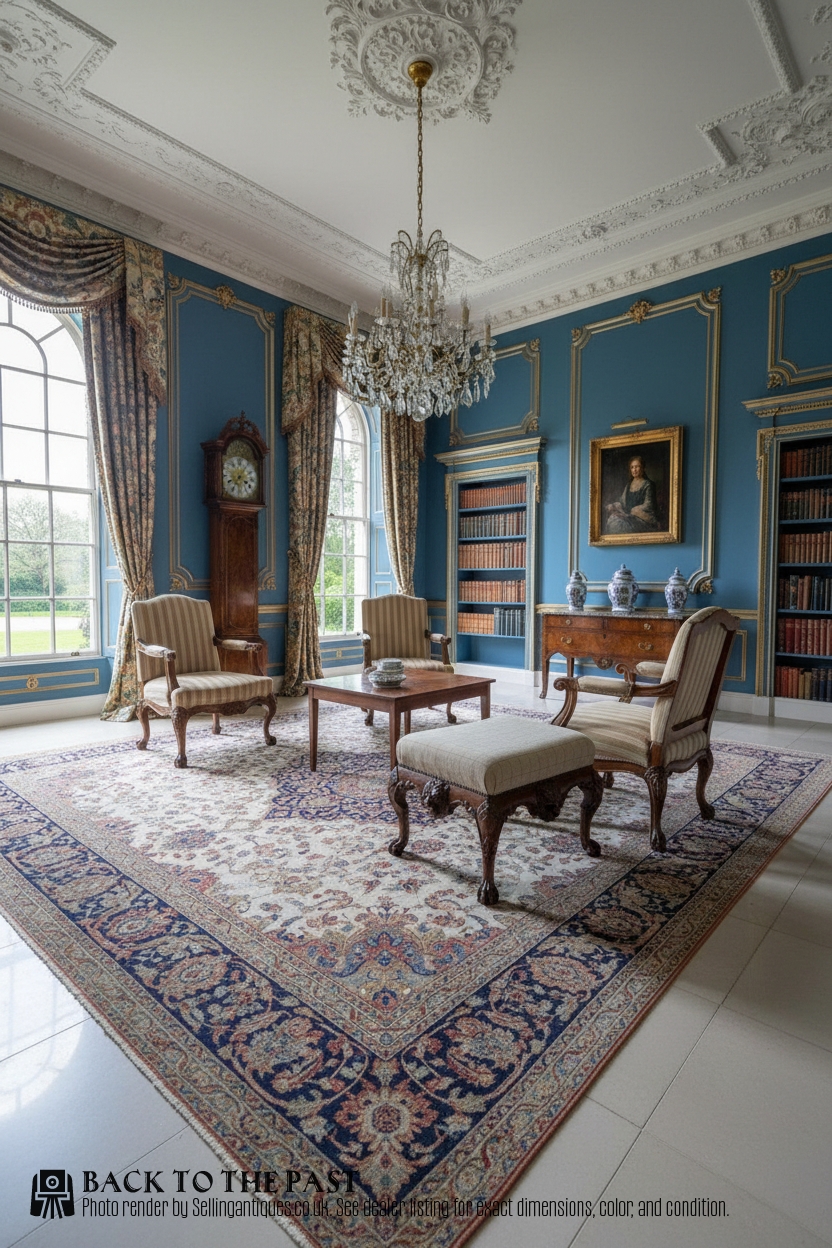
Victorian Walnut Dressing Stool
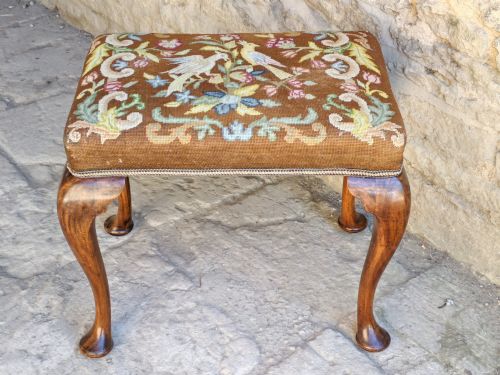
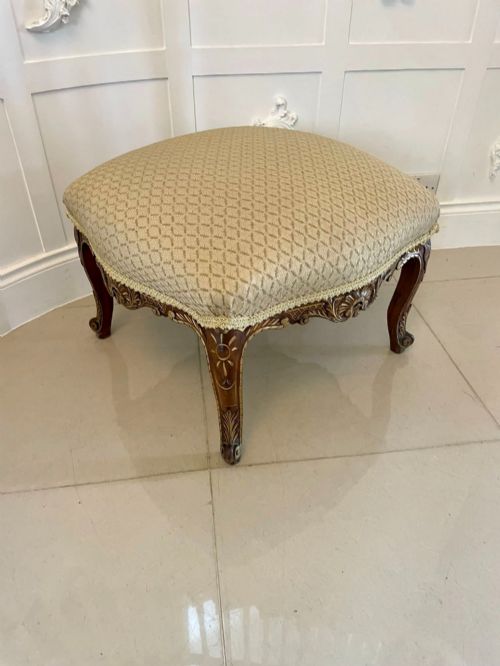
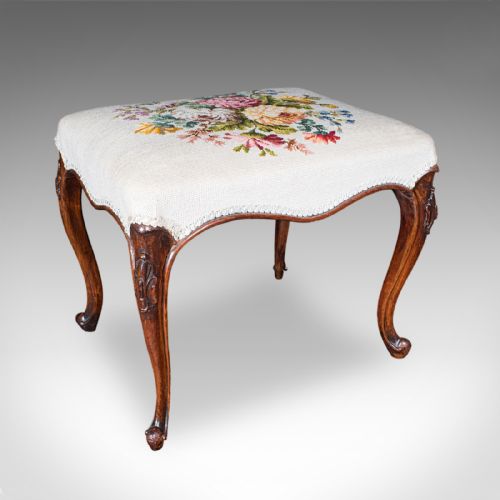
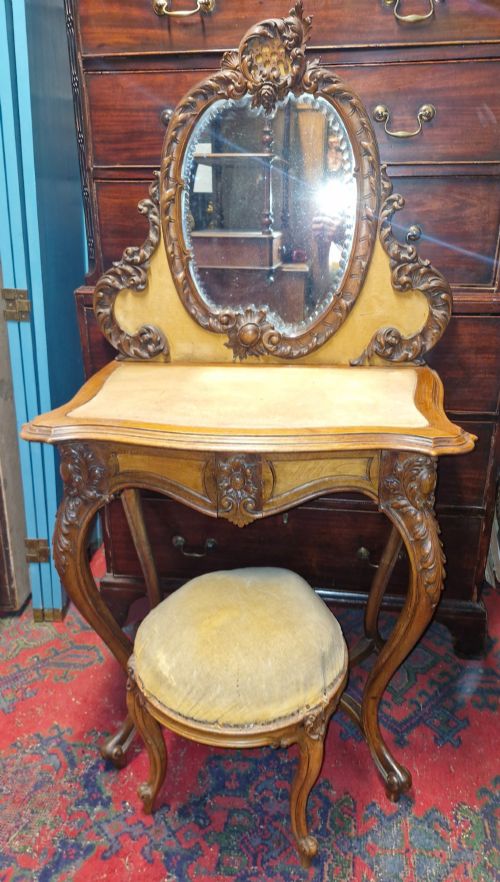
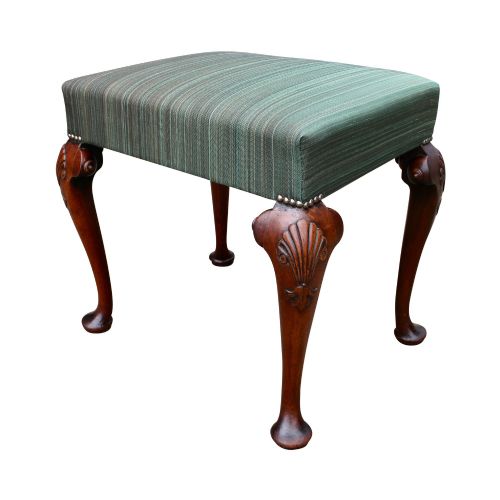
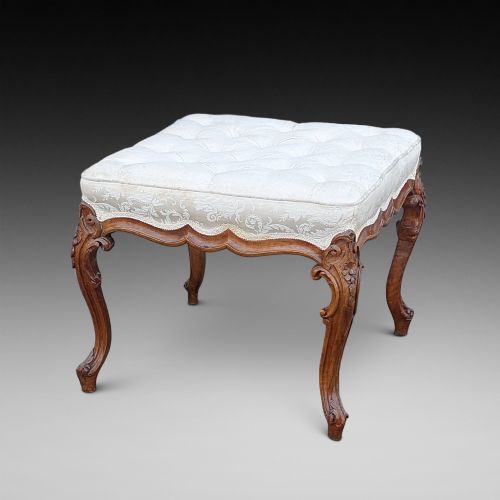
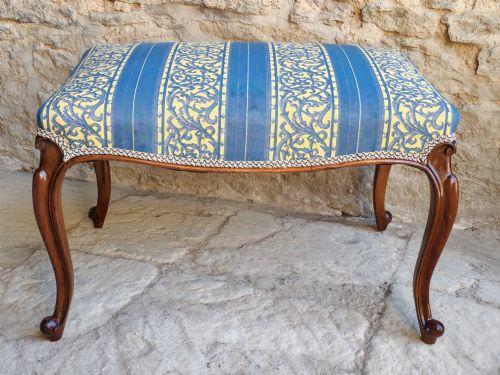
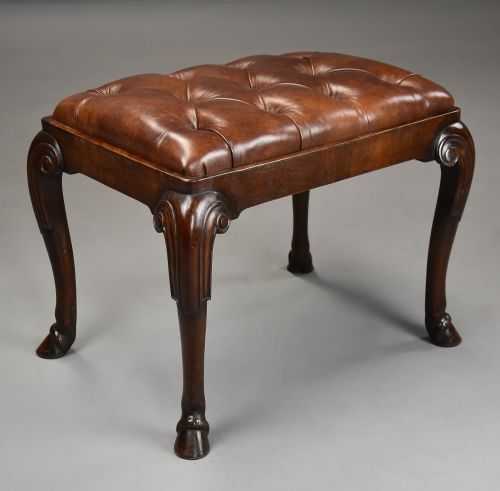
A victorian walnut dressing stool is a low domestic seat designed for bedroom dressing tables or music use, frequently taking rectangular, square, or X-frame forms. You will most commonly encounter pieces resting on cabriole legs with carved details dating from the mid to late nineteenth century.
The historical record for this phrase spans the nineteenth century, taking in early Victorian, Regency, and revival designs alongside standard Victorian output. These pieces function equally well as footstools or fireside seats in modern rooms, adapting easily beyond the dressing room.
How they were made
Makers shaped solid walnut into cabriole, twisted rope, and spiral carved supports, often applying gilding or detailed hand-carving to the frames. Structural joinery relies on traditional techniques to support upholstered tops.
Upholstery materials range from leather and velvet to needlepoint, tapestry, and wool fabric. Buttoning and needlework finishes appear frequently across both current listings and the archive.
Listings demonstrate a strong preference for walnut framing paired with needlepoint, leather, and tapestry textiles across the nineteenth century.
What varies in quality
The distinction between standard output and the finest examples lies in the depth and sharpness of the timber carving. Superior pieces display crisply rendered cabriole legs, sculptural X-frames, and substantial walnut framing rather than plain turnings.
Original upholstery methods and period coverings elevate a piece, though many survivors have received new fabric or careful restoration. The weight and grain of the walnut timber itself dictate the overall caliber of the construction.
The Victorian Walnut Dressing Stool Glossary
- Cabriole leg
- A furniture leg that curves outward and tapers inward to a foot, typical of eighteenth-century and revival seating. This profile forms the most common support found on these walnut stools.
- X-frame
- A structural base formed of intersecting diagonal members that create an X shape from the side or end. This form frequently incorporates scroll details or carved animal motifs.
- Needlepoint
- A type of canvas work embroidery executed with wool yarn, commonly used for historical stool upholstery. Surviving examples often display intricate floral or geometric patterns.
- Rise and fall
- An adjustable mechanism allowing the seat height to change by rotating or lifting the top. This functional design served dual purposes at both piano and dressing table.
- Revival style
- A design movement looking back to earlier historical periods such as Queen Anne or Louis XV. Makers reinterpreted these past aesthetics using Victorian proportions and walnut timbers.
Victorian Walnut Dressing Stool: Frequently Asked Questions
What is a dressing stool?
A dressing stool is a small, low seat traditionally placed in front of a bedroom dressing table. These pieces provide compact, movable seating designed to match period bedroom suites.
Over time, many of these stools transitioned into general use as fireside footstools or occasional seats in living spaces. Their modest proportions make them versatile for placing beneath tables or beside chairs.
How do I date a walnut stool?
Dating relies on observing the leg style, frame construction, and secondary woods used beneath the upholstery. Cabriole legs and specific revival motifs point toward mid-to-late nineteenth-century production.
Comparing the turned elements and carving depth against documented pieces helps narrow down the decade of manufacture. Mechanics like rise-and-fall screws also provide clues to the era.
Were these stools used for pianos too?
Many nineteenth-century examples served dual purposes at both the dressing table and the piano. Adjustable height mechanisms made them particularly suitable for musicians needing to alter their seating position.
Listing titles frequently group piano stools and dressing stools together due to their shared dimensions and revolving or rising tops. Both types utilised sturdy walnut frames to support daily use.
How should I care for antique walnut?
Walnut timber requires stable indoor humidity away from direct heat sources to prevent the wood from drying or splitting. Regular dusting with a soft, dry cloth preserves the polished surface.
Upholstered sections benefit from gentle vacuuming through a brush attachment depending on the fabric type. Leather surfaces respond well to occasional specialist feeding to maintain suppleness.