



Antique Vanity Bench
An antique vanity bench is a low seat for the dressing table, combining practical function with period woodwork and upholstery.
Antique Vanity Bench
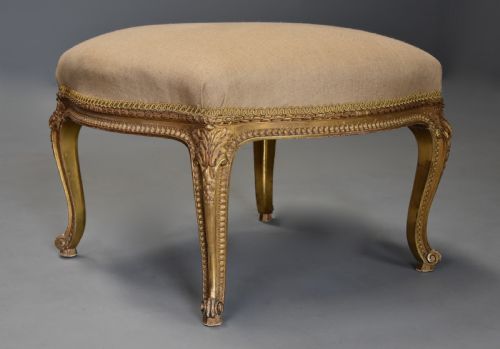
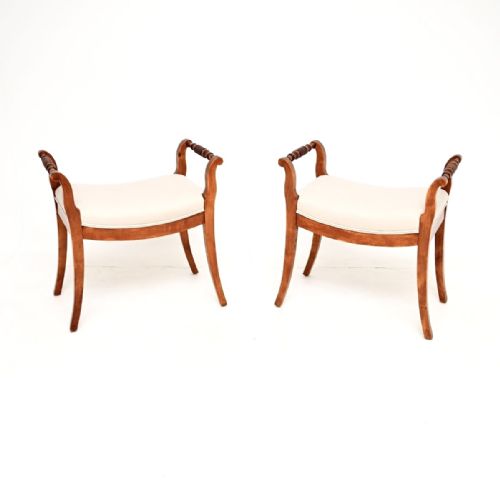
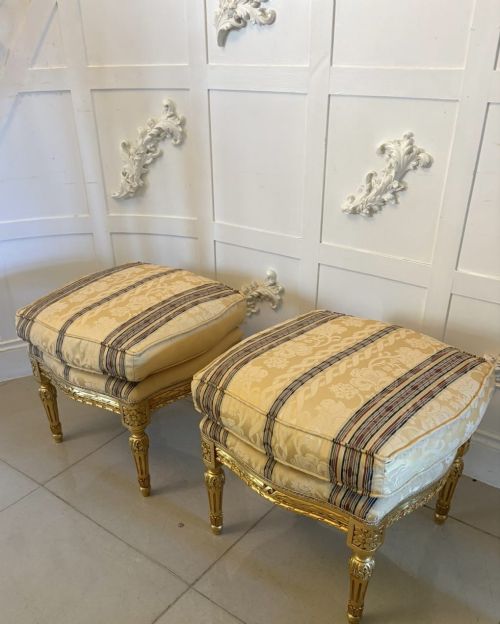
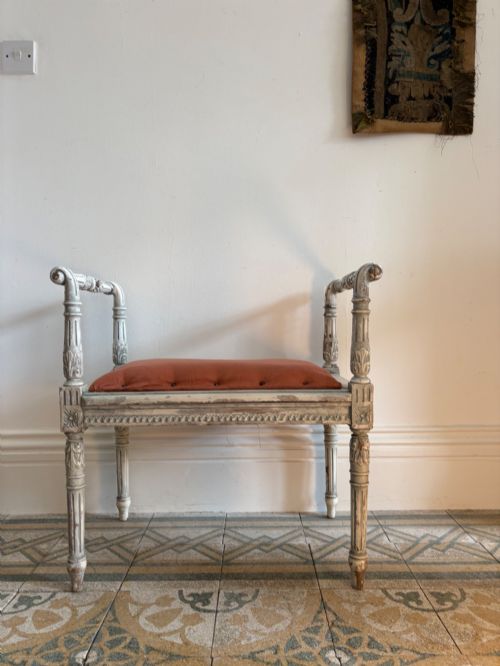
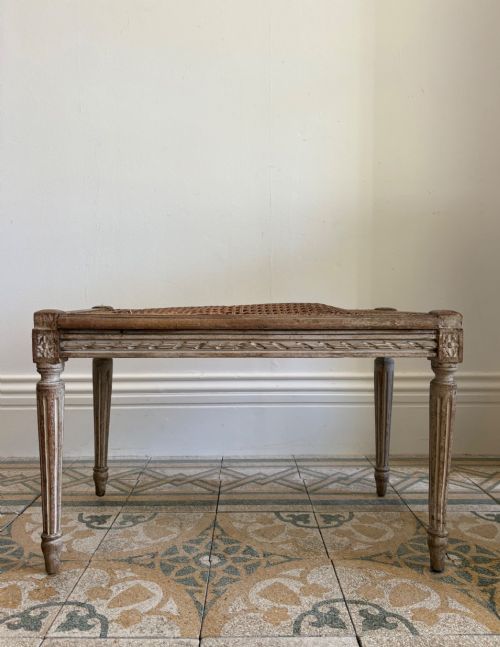
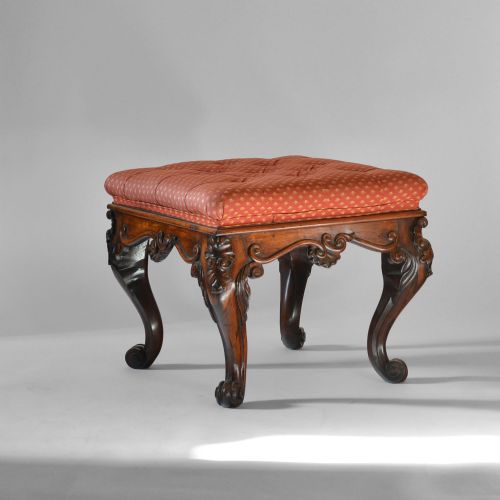
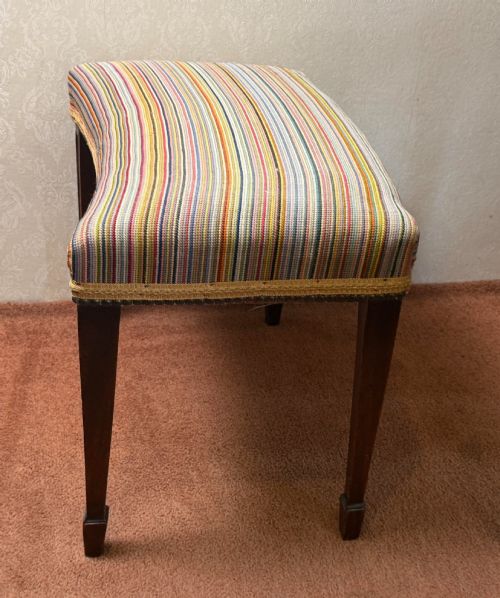
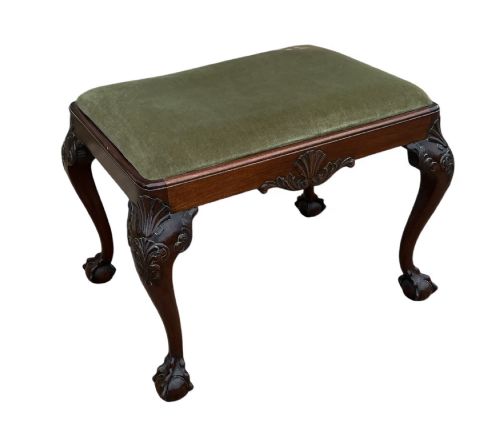
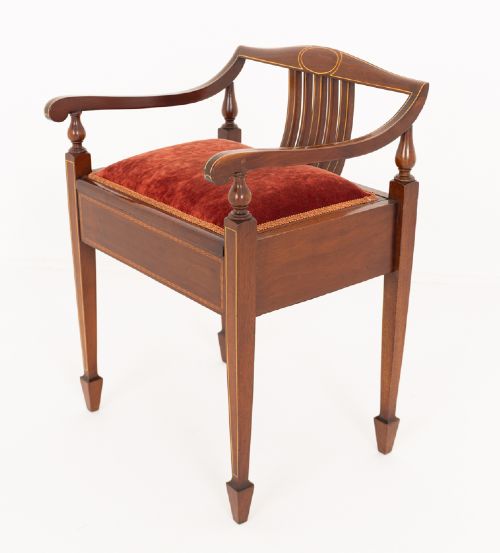
An antique vanity bench serves as a low seat specifically designed for the dressing table, appearing in forms such as dressing stools, piano stools, and small benches. The selections span from the eighteenth century through the Victorian, Edwardian, and Art Deco periods, encompassing styles like Queen Anne, Chippendale, Louis XVI, and Neoclassical.
The pieces often feature timber frames in mahogany, walnut, rosewood, and satin birch, alongside painted or giltwood finishes. Upholstery materials include fabric, velvet, leather, silk, needlepoint, and cane, matching the aesthetic demands of their original domestic settings.
How they were made
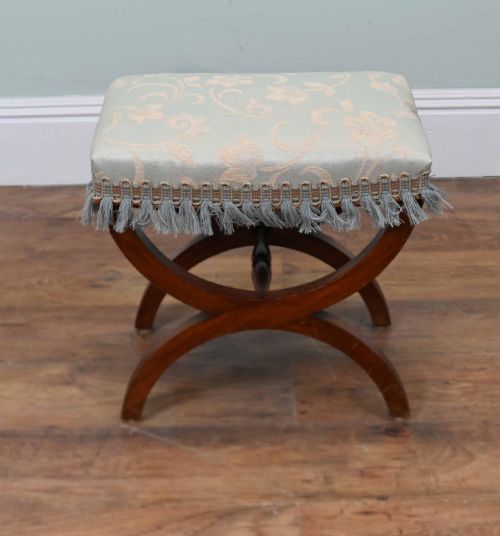
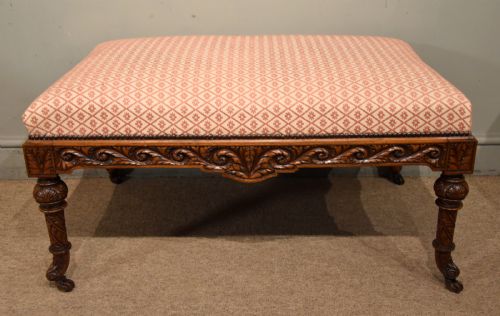
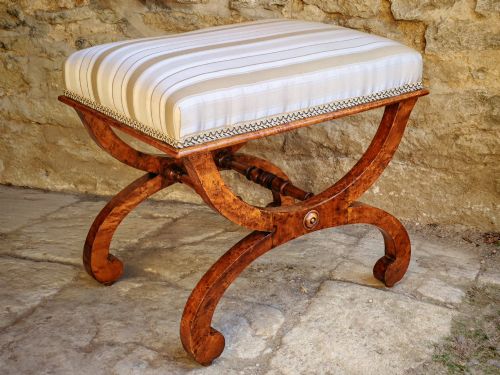
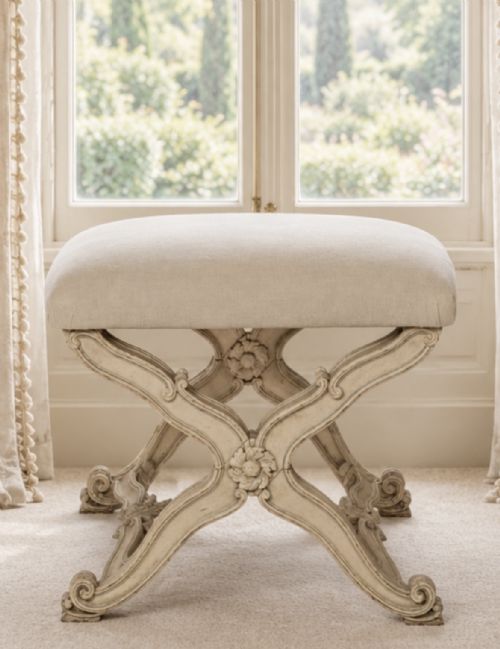
Cabinetmakers constructed the frames primarily from dense hardwoods like mahogany and walnut, employing joinery techniques such as cross stretchers and x-frames for stability. Surfaces were frequently shaped, carved, or painted, sometimes incorporating giltwood and gesso details in continental and neoclassical designs.
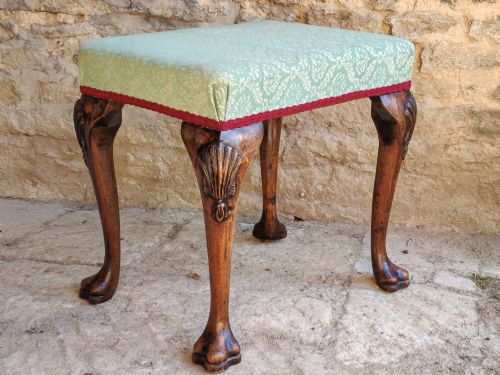
Upholstered elements relied on traditional webbing and stuffing secured beneath coverings of leather, velvet, silk, or needlepoint. Many examples utilised turned legs, cabriole legs, or square tapering legs to support the seat frame.
Antique Vanity Bench Retail Price Guide 2026
Typical asking prices for vanity bench among the pieces listed under this phrase on Sellingantiques today, from the lower quarter to the upper quarter. They describe what is for sale here now, not the wider market.
Listings incorporate timber frames in mahogany, walnut, rosewood, and satin birch alongside upholstered seats in leather, velvet, silk, and needlepoint.
What varies in quality
The degree of refinement in the woodwork distinguishes examples, with hand-carved details and balanced proportions marking out superior pieces. Timber selection also plays a role, as finely figured walnut, birds-eye maple, or rosewood elevate the visual impact of the frame.
The integrity of the construction and the authenticity of the materials dictate value. Pieces retaining their original timber frames and appropriate period upholstery methods stand apart from heavily altered or reconstructed items.
Harry and Lou Epstein
The Antique Vanity Bench Glossary
- Cabriole leg
- A furniture leg that curves outward at the knee and tapers inward toward the foot, commonly found on eighteenth-century and revival pieces.
- X-frame
- A structural support formed by two intersecting diagonal members, creating a scissors shape that provides both strength and decorative appeal.
- Cross stretcher
- A system of connecting rods or rails positioned between the legs of a stool to increase stability and rigidity.
- Curule stool
- An ancient Roman form of folding seat adopted in neoclassical designs, featuring two curved legs that cross to form an X shape.
- Giltwood
- Timber that has been coated with a thin layer of gold leaf, frequently utilised on decorative frames from continental and classical styles.
Antique Vanity Bench: Frequently Asked Questions
How were antique vanity benches used?
These benches provided a comfortable, movable seat for grooming routines at the dressing table. Some variations doubled as piano stools or small footstools.
Their compact size allowed them to tuck neatly underneath furniture when not in use.
How do I date an antique vanity bench?
Dating relies on identifying the prevailing style, timber choices, and construction methods of the piece. Eighteenth-century examples often feature mahogany with tapering legs, while Victorian pieces lean towards heavily carved rosewood or walnut.
Art Deco items from the 1930s introduce materials like birds-eye maple and streamlined leather upholstery.
How do I live with an antique vanity bench?
These versatile pieces fit easily into modern bedrooms as dressing seats or occasional perches in hallways and living spaces. Their compact dimensions make them simple to position alongside existing furniture.
Care involves protecting wooden surfaces with appropriate polishes and maintaining the textile or leather upholstery through gentle cleaning.