
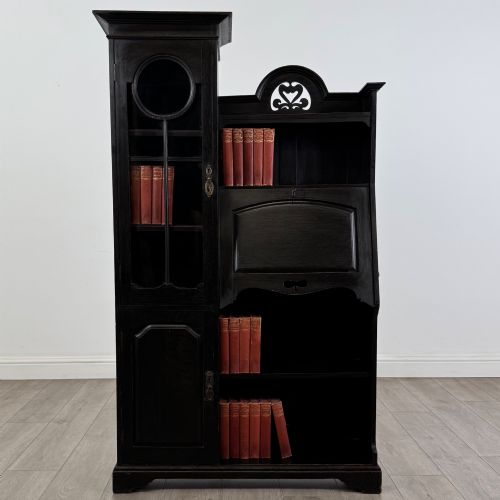
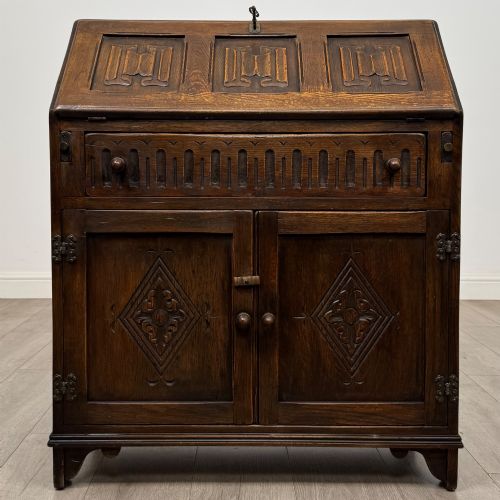
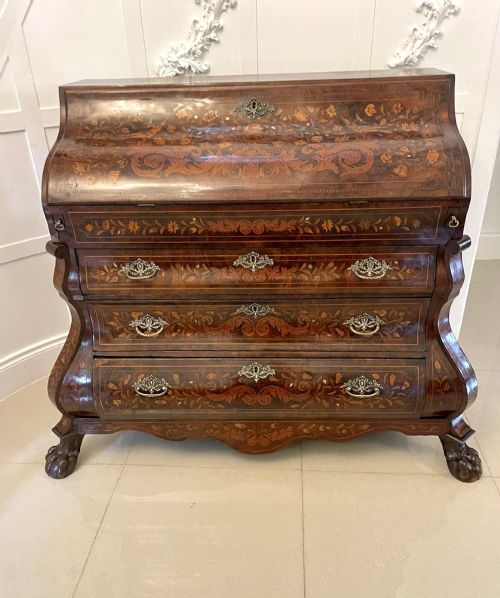
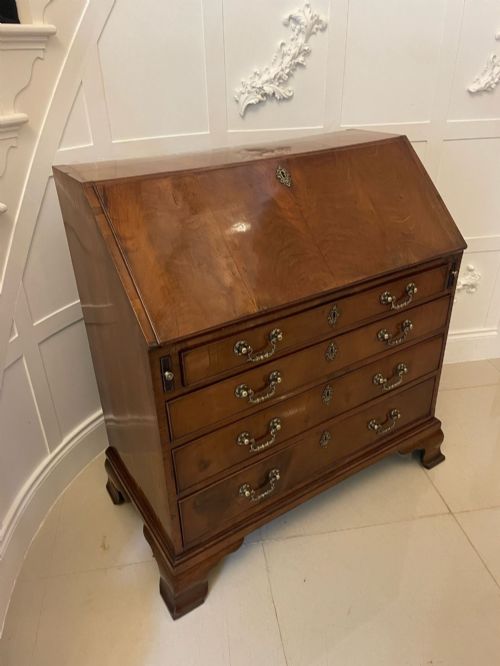
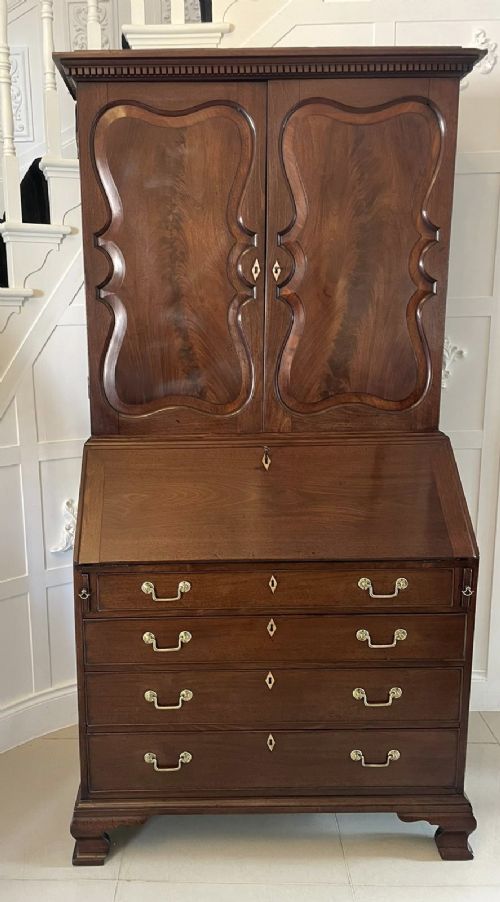
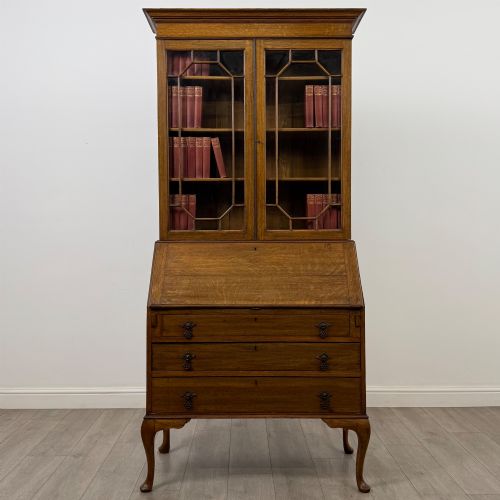
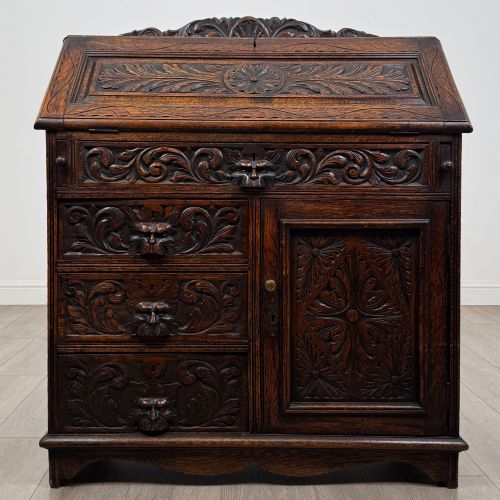
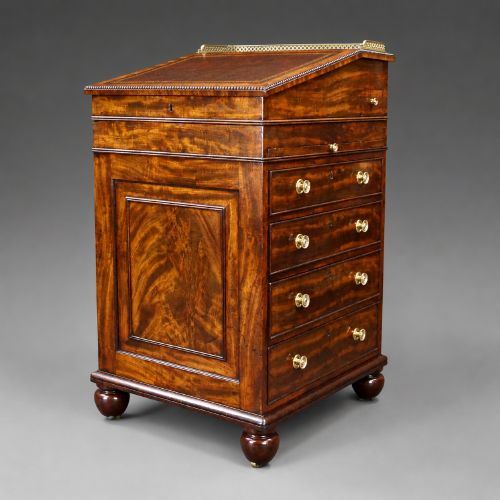
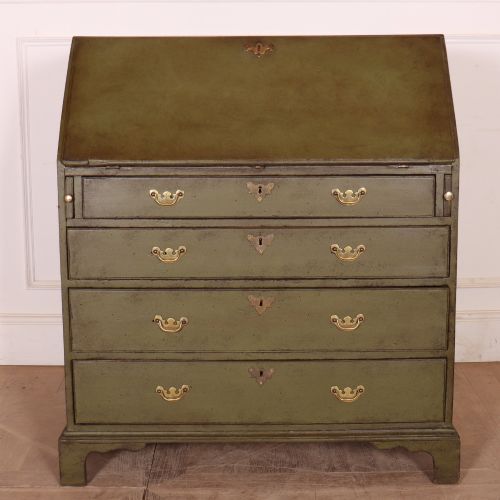
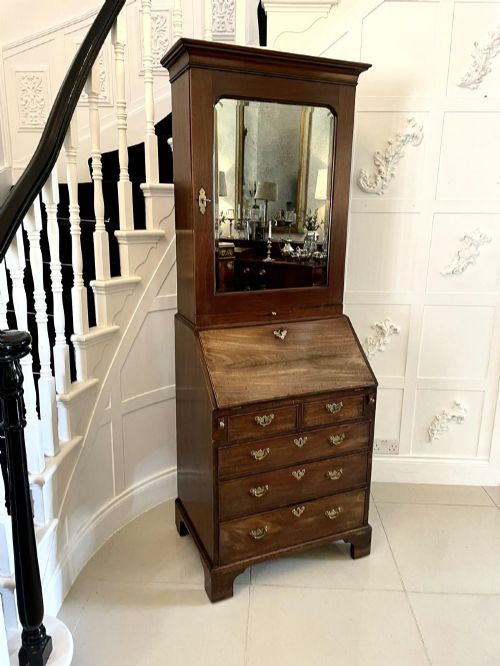


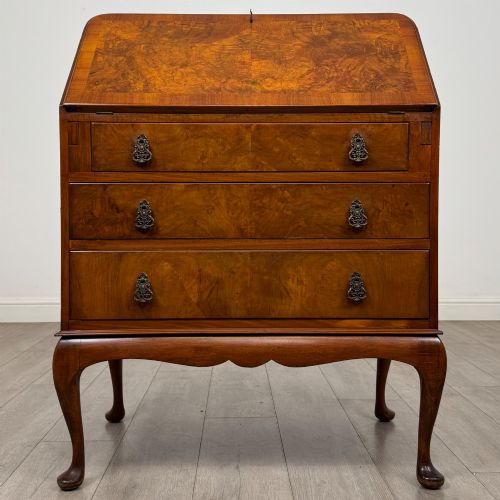
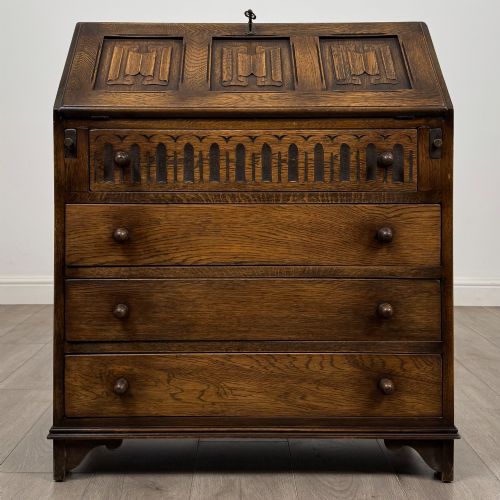
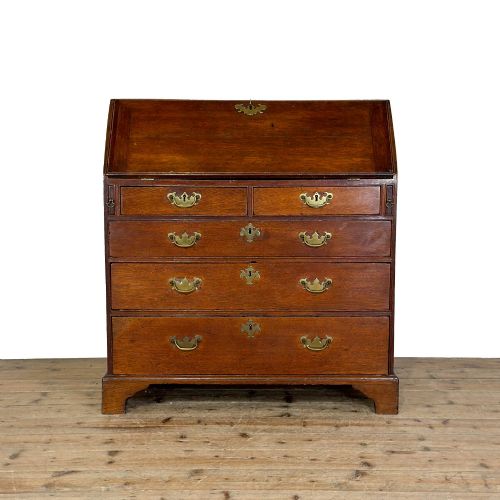
Slanted Front Desk Cabinet
A slanted front desk cabinet offers a hinged writing flap that drops down to reveal fitted pigeonholes and small drawers.
Slanted Front Desk Cabinet
When you search for a slanted front desk cabinet, you encounter bureau bookcases, writing desks, and two-part bureaux spanning the seventeenth century through to the Edwardian period and the nineteen-twenties.
The form typically combines a lower writing section with an inclined fall-front flap and an upper bookcase section enclosed by glass or panelled doors.
Oak and mahogany examples appear frequently alongside burr walnut versions featuring marquetry inlay or herringbone patterns.
Materials and construction
Cabinet makers utilised solid timbers and veneers of oak, mahogany, walnut, and yew wood, often applying figured grains and floral marquetry to the exterior surfaces.
Brass handles, escutcheons, and hinges secure the fall-front flaps and drawers, while interior compartments often incorporate leather writing surfaces and stepped pigeonholes.
Listings span from the seventeenth century through the Georgian and Victorian eras into the Edwardian period and the 1920s and 1930s.
Assessing quality
The refinement of the internal joinery and the selection of timber figure prominently in distinguishing finer examples.
Detailed carving, such as green man motifs or linenfold panels, and the presence of original brass hardware elevate the distinction of a piece.
Arthur Basil Reynolds·Larkin·Gillows
The Slanted Front Desk Cabinet Glossary
- Bureau
- A desk with a sloping flap that covers compartments and drawers. This term frequently describes the primary writing form found in these listings.
- Fall front
- A hinged writing flap that drops into a horizontal position for writing. When closed, it conceals the fitted interior of pigeonholes and small drawers.
- Marquetry
- Decorative inlay work using strips of wood to form patterns and pictures. It appears on eighteenth-century walnut surfaces.
- Herringbone
- A V-shaped pattern of wood veneer inlay. This technique adorns seventeenth and eighteenth-century walnut cabinetry.
- Pigeonhole
- A small, open compartment for storing letters and papers. These compartments sit inside the stepped interior behind the fall front.
Slanted Front Desk Cabinet: Frequently Asked Questions
What is a slanted front desk cabinet?
A slanted front desk cabinet is a piece of furniture featuring an inclined writing flap that pulls down or opens forward to create a surface for writing. Inside, it contains small drawers and pigeonholes for correspondence.
These pieces range from compact oak desks to tall bureau bookcases with glazed upper sections designed for book storage.
How do I date a wooden bureau?
Dating depends on the timber used, the cabinet construction, and stylistic details like hardware and foot design. Seventeenth and early eighteenth-century pieces often use burr walnut and oak, while later Georgian pieces frequently employ mahogany.
Later Edwardian and nineteen-twenties versions often replicate earlier styles such as Queen Anne or George III, utilising period construction methods adapted to twentieth-century workshops.
Were these desks used for writing?
These cabinets served as primary desks for correspondence and record keeping before the widespread use of freestanding partner desks. The fall front provided a stable writing slope while keeping private papers concealed behind locked panels.
Many examples include leather inserts on the writing surface to provide a smooth plane for quill and ink.
How do I care for a walnut bureau?
Walnut furniture requires placement away from direct sunlight and heat sources to prevent the wood veneers from drying and lifting. Regular dusting with a dry cloth maintains the finish without stripping natural oils.
Applying a traditional beeswax polish periodically preserves the sheen on mahogany, oak, and walnut surfaces.