
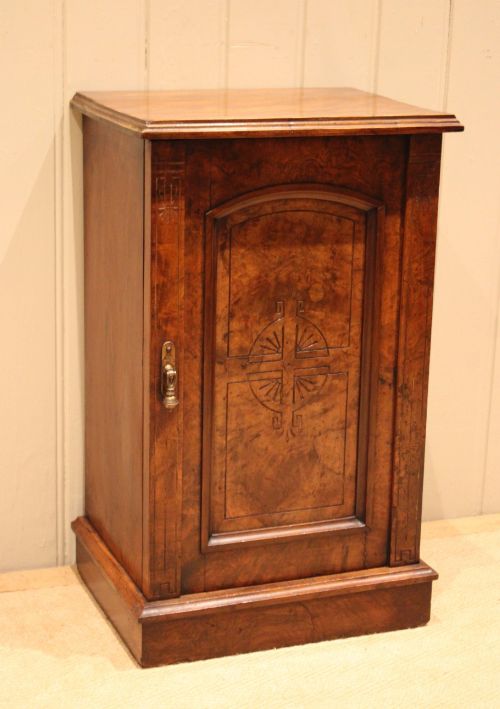
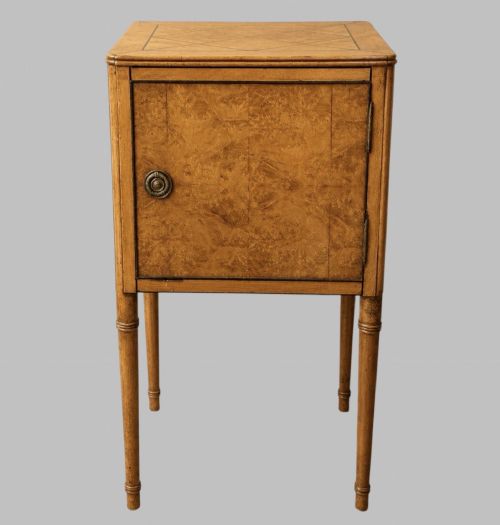
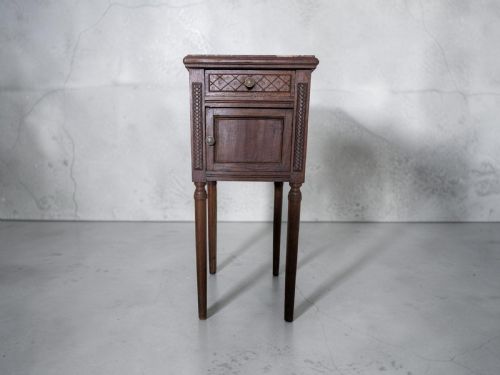

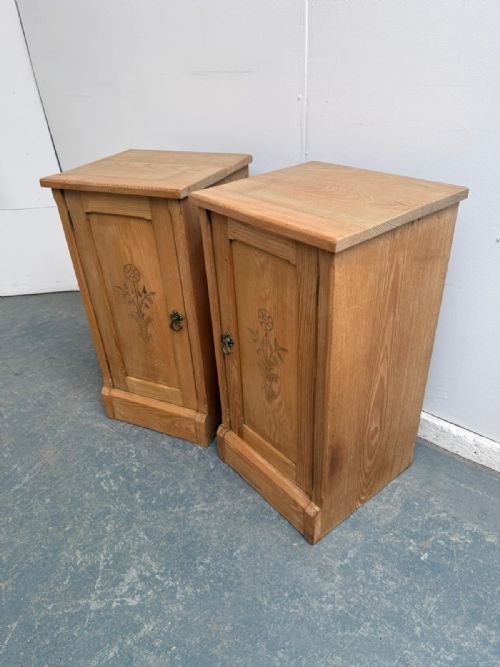
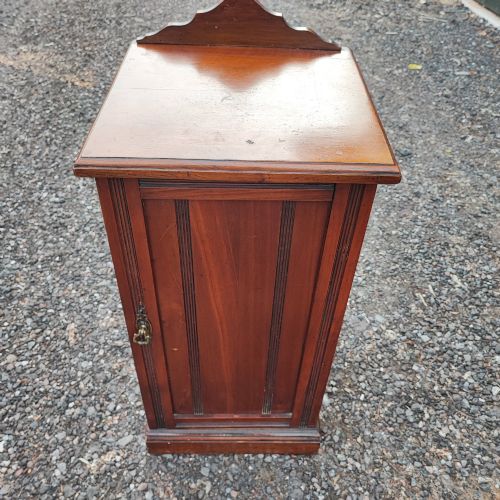
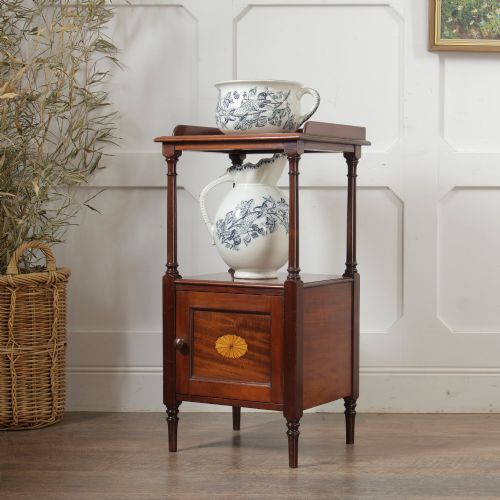
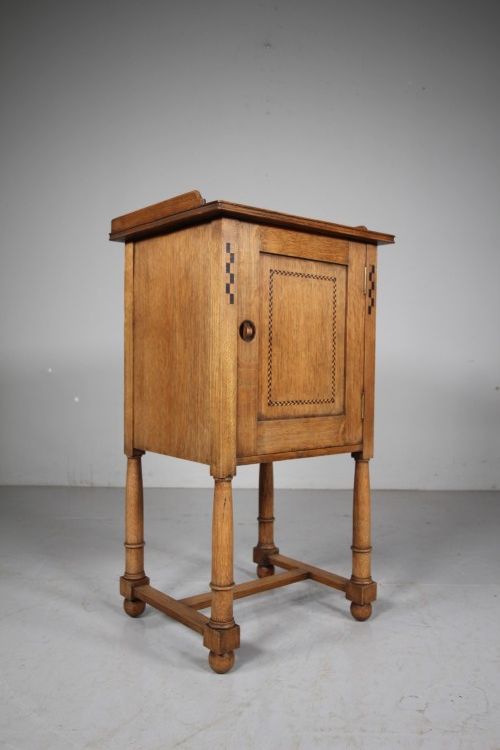
Single Door Pot Cupboard
A single door pot cupboard provides compact bedside storage for small chambers, combining practical utility with refined period timber work.
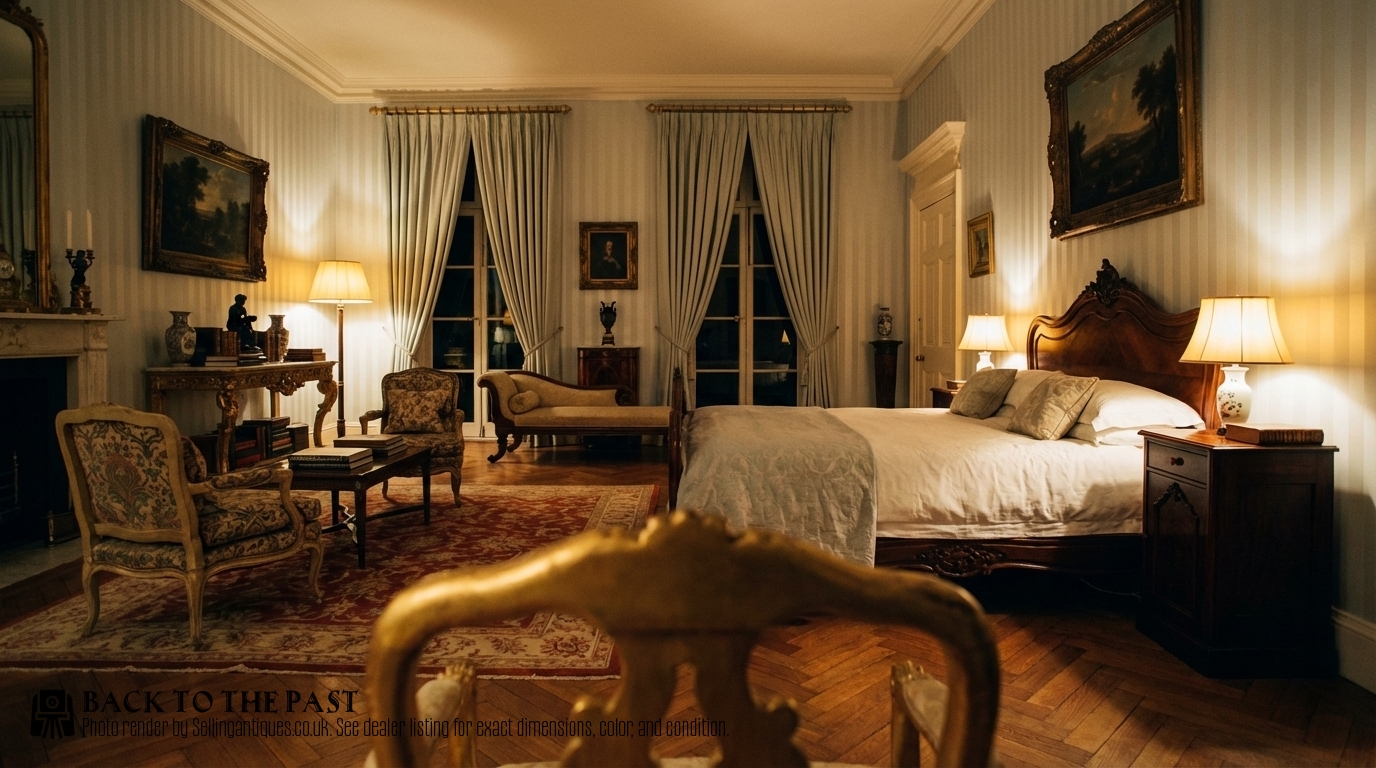
Single Door Pot Cupboard
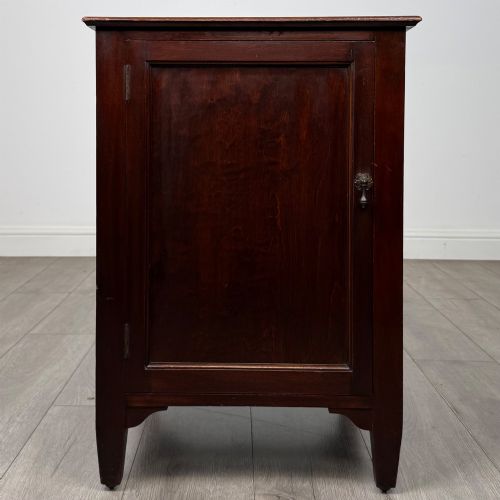
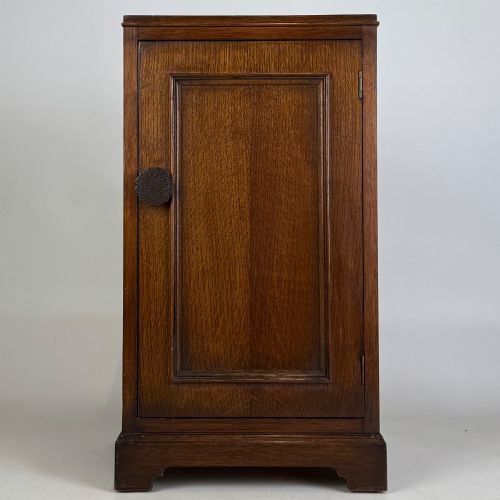
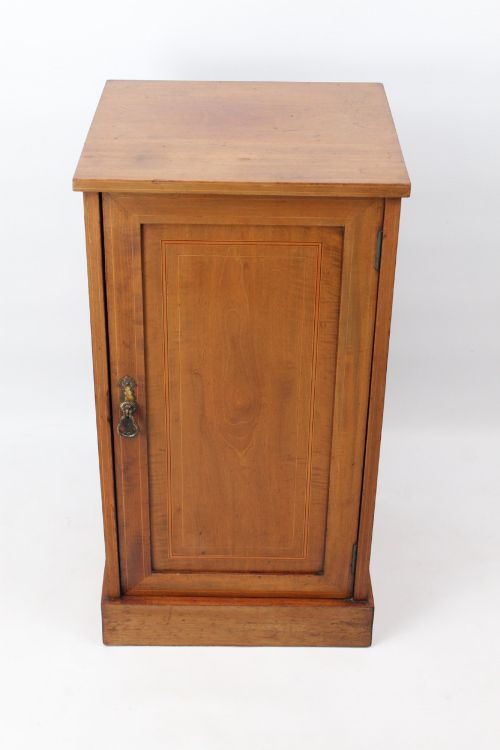
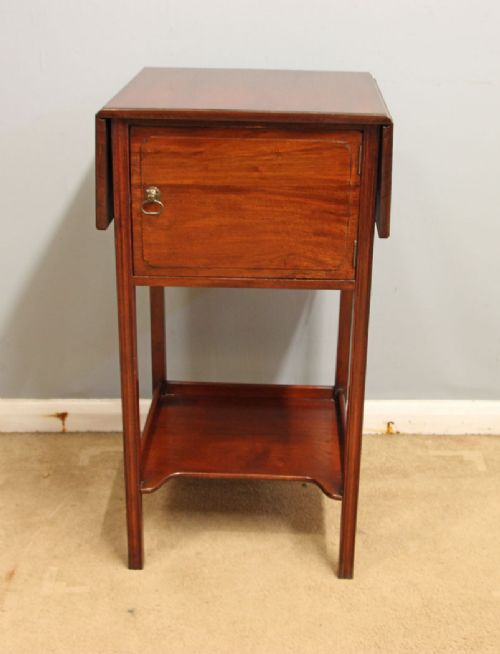
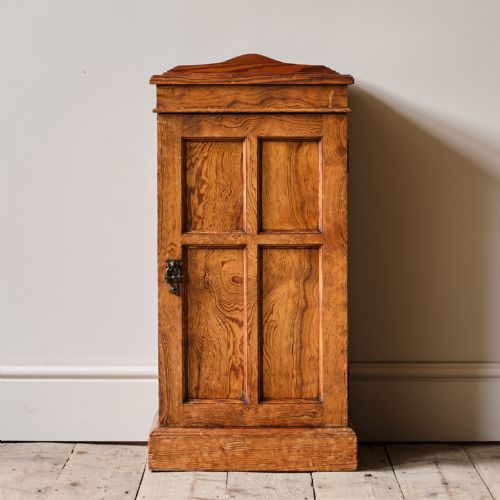
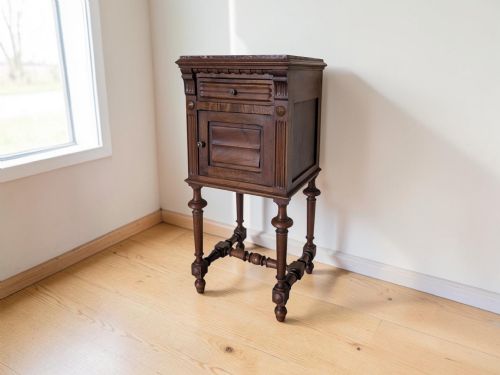
A single door pot cupboard is a small cabinet designed primarily for bedside use, housing chamber pots or providing general night storage. These pieces date across the Georgian, Regency, Victorian, and Edwardian periods, stretching into the early twentieth century. Most examples found here appear in timber forms such as bedside cabinets, bedside tables, and small storage cupboards.
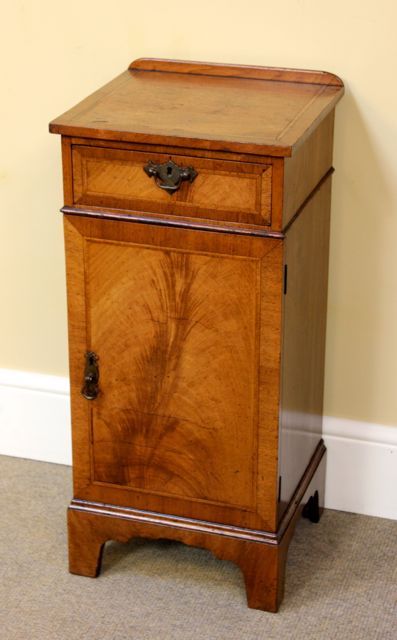
The version most commonly met on this page is the Victorian or Edwardian bedside cabinet constructed from mahogany, walnut, or oak. These items usually feature a single hinged door enclosing a shelved interior, often topped with a flat surface or a raised gallery. Alongside standard bedside cupboards, variations include Arts and Crafts designs, Gothic Revival pieces, and painted pine versions.
How they were made
Cabinet makers built these pieces using traditional timber construction, relying heavily on solid mahogany, oak, and walnut, alongside decorative veneers like burr walnut and exotic hardwoods. Satinwood, pine, ash, and brass also appear in the material record for handles, hinges, and structural framing. Surfaces were treated with wax or polish to highlight the natural grain of the wood.
Joinery methods involved traditional dovetailing for drawers and mortise and tenon joints for frames and doors. Decorative detailing relied on timber inlays, carved Gothic panels, or painted finishes, depending on the prevailing style of the period such as Aesthetic Movement or Arts and Crafts.
Single Door Pot Cupboard Retail Price Guide 2026
Typical asking prices for single door pot cupboard among the pieces listed under this phrase on Sellingantiques today, from the lower quarter to the upper quarter. They describe what is for sale here now, not the wider market.
The inventory spans multiple design movements, including Regency, Gothic Revival, Aesthetic Movement, and Arts and Crafts.
What varies in quality
Quality in these cabinets rests upon the choice of timber and the sophistication of the cabinet work, from plain utility pine to figured burr walnut and satinwood. Finer examples display carefully selected veneer matching, superior joinery, and original brass hardware, whereas simpler pieces utilise straightforward softwood carcasses.
Design ambition also divides the range, separating standard commercial production from workshop pieces associated with notable makers. Stamped signatures, specialised decorative movements like Arts and Crafts or Gothic Revival, and sophisticated inlay work elevate individual pieces above standard domestic utility furniture.
Walter Carter Harrods·Heals·Howard and Sons·Holland and Sons
The Single Door Pot Cupboard Glossary
- Pot cupboard
- A small bedside cabinet originally designed to house a chamber pot behind a single enclosed door. These pieces often feature an enclosed compartment with a shelf.
- Bedside cabinet
- A freestanding piece of bedroom furniture positioned next to a bed for nighttime storage. They typically measure at a convenient height for reaching from a mattress.
- Burr walnut
- A highly prized timber veneer sourced from walnut tree growths that produces intricate, swirling grain patterns. This material was frequently utilised on high-end Victorian and Edwardian cabinets.
- Aesthetic Movement
- A late nineteenth-century design style emphasising visual beauty over narrative or moral themes. Cabinets from this movement often incorporate ebonised details or stylised decorative motifs.
- Gallery
- A raised wooden border running along the top edges of a cabinet. This feature prevents items placed on the surface from rolling off.
Single Door Pot Cupboard: Frequently Asked Questions
What is a single door pot cupboard used for today?
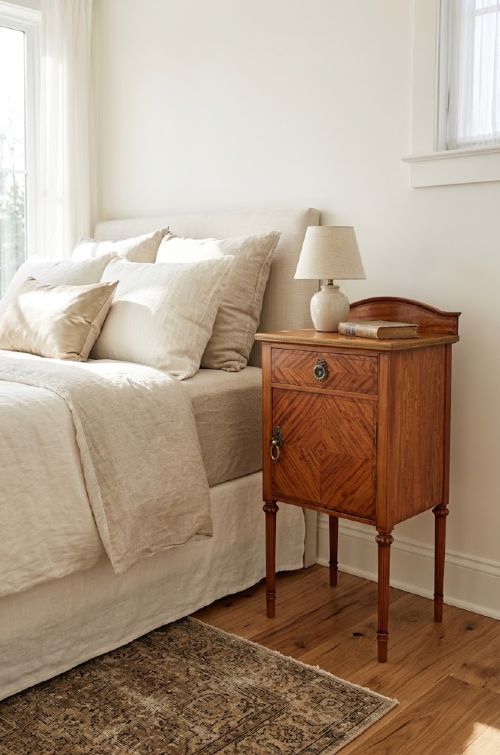
Today, these compact cabinets serve primarily as bedside tables or small storage units in living spaces. Their enclosed cupboards provide discreet space for books, charging cables, and personal items.
The flat top surface easily accommodates a bedside lamp, a glass of water, or a small clock. Their modest footprint makes them particularly useful in smaller bedrooms where floor space is limited.
How do I distinguish a Victorian model from an Edwardian one?
Victorian cabinets generally feature darker, heavier timbers like solid mahogany or heavily figured burr walnut, often with rich wax polishes and ornate detailing. They lean towards formal silhouettes and sometimes include Gothic or Aesthetic Movement stylistic influences.
Edwardian pieces tend to be lighter in appearance, frequently utilising satinwood, lighter oak, or delicate mahogany inlays. The aesthetic shifts toward cleaner lines and simpler domestic forms that reflect changing interior tastes at the turn of the century.
Were these cabinets always used beside a bed?
While most functioned as bedside nightstands to house chamber pots, similar small cupboards served versatile roles in dressing rooms and parlours. Their form developed to keep chamber utensils concealed out of sight.
As domestic plumbing evolved, their internal spaces were repurposed for general storage. This adaptability ensured their continued presence in domestic interiors long after their original sanitary purpose faded.