
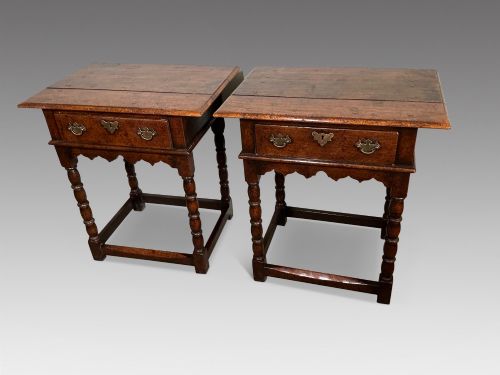
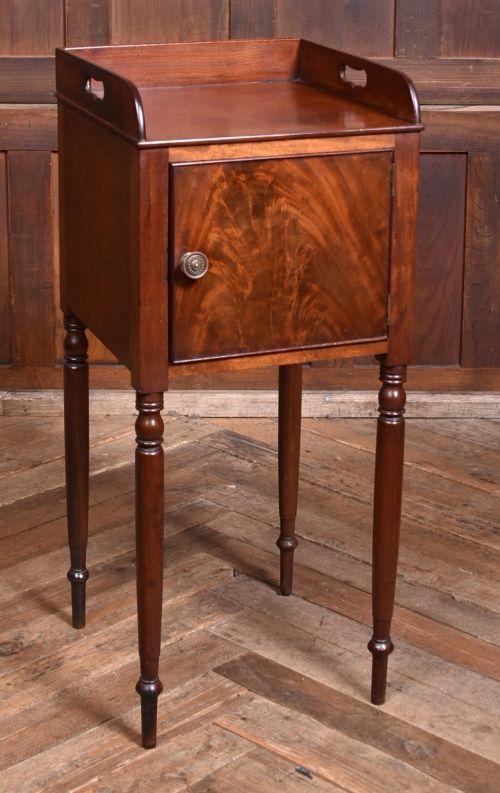
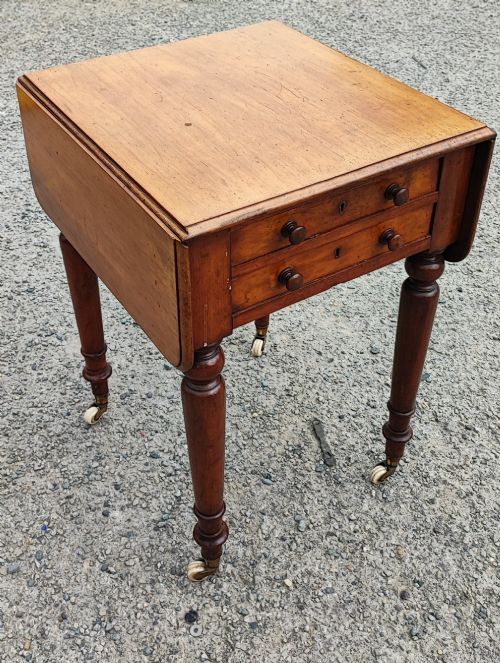
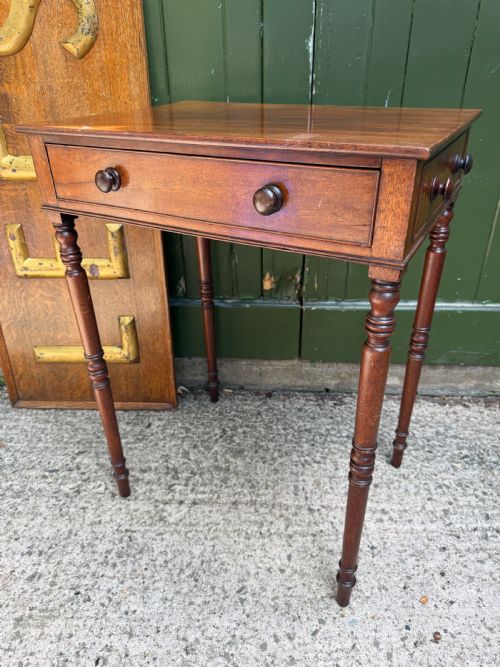
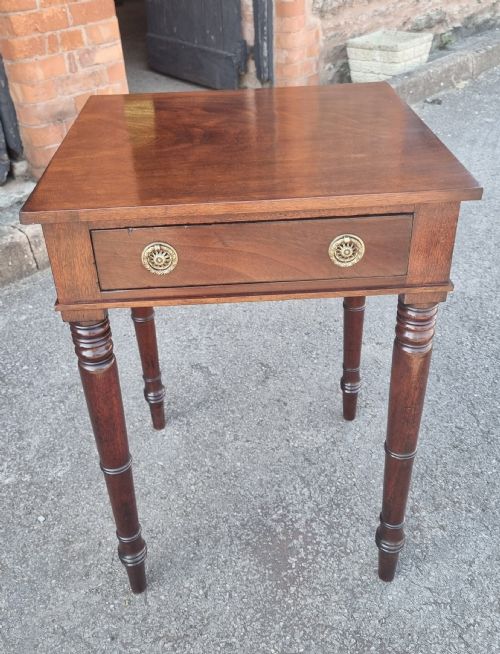
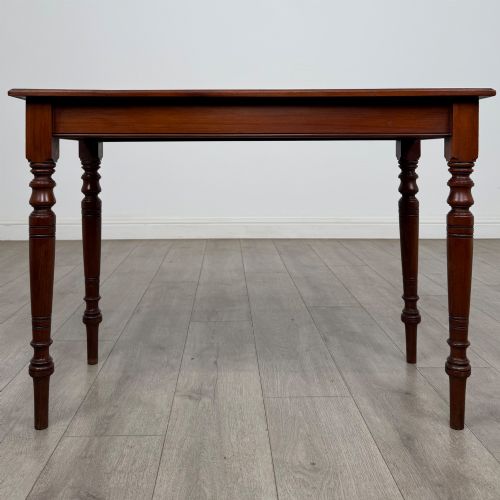

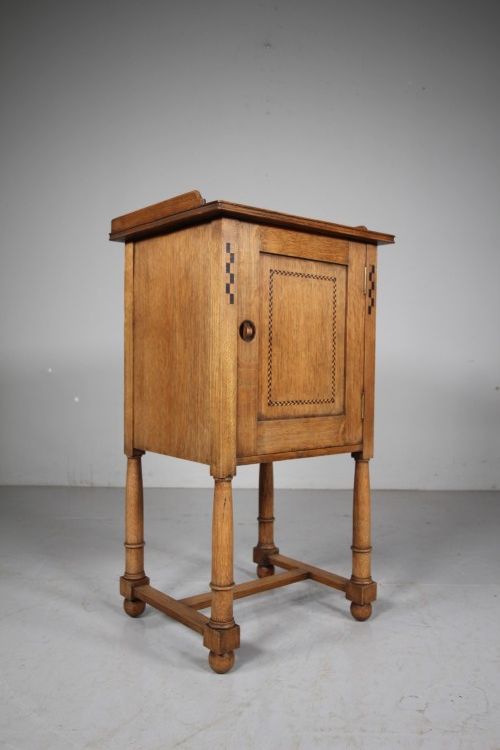
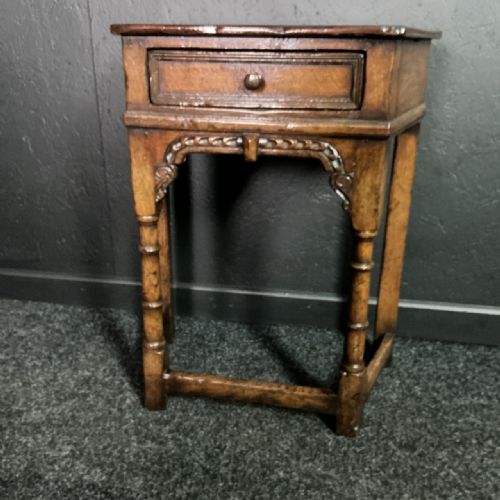

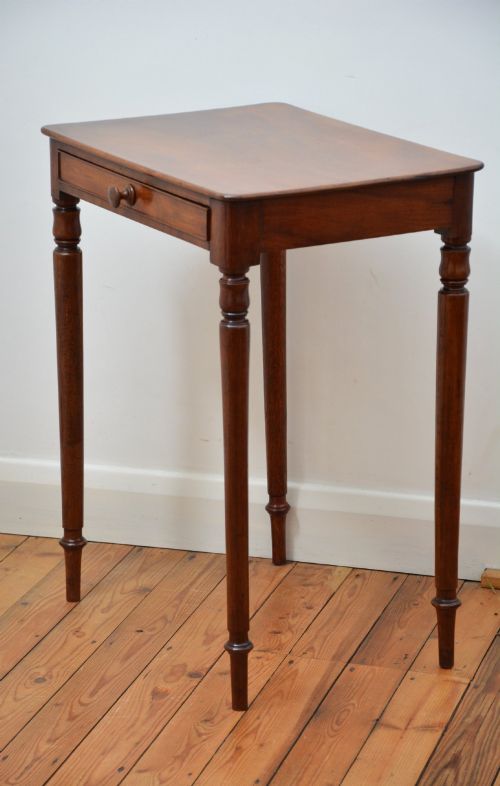
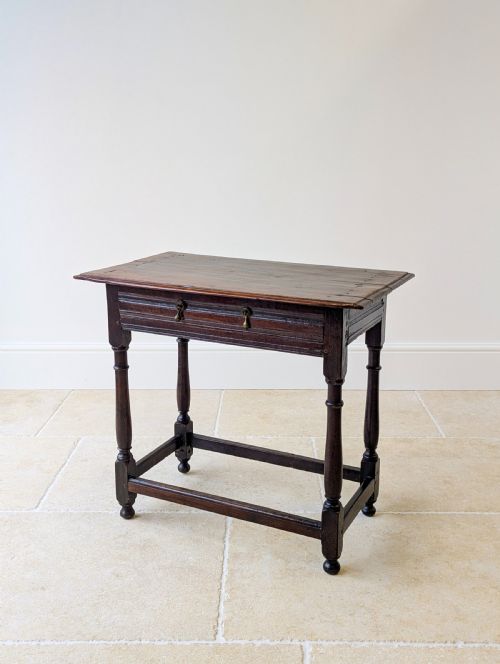
Turned Leg Bedside Table
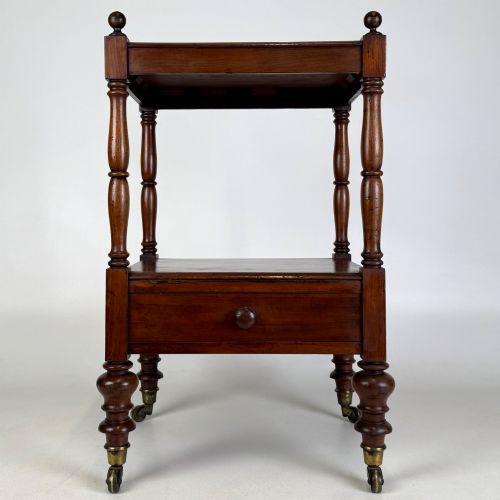
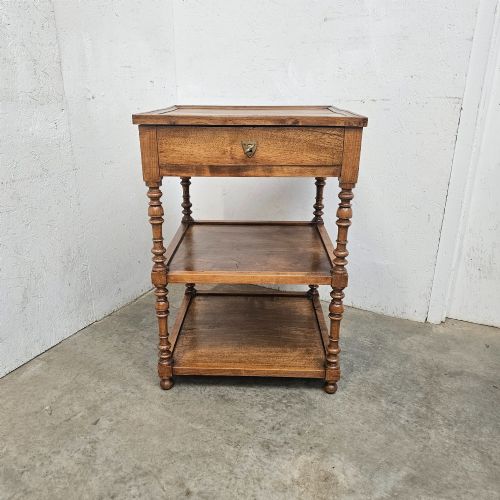
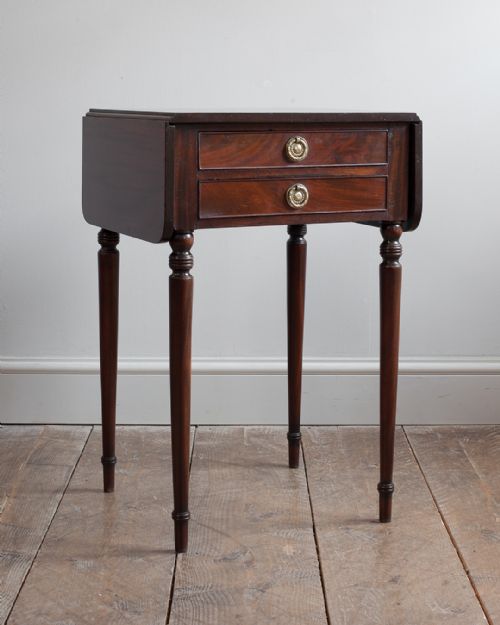
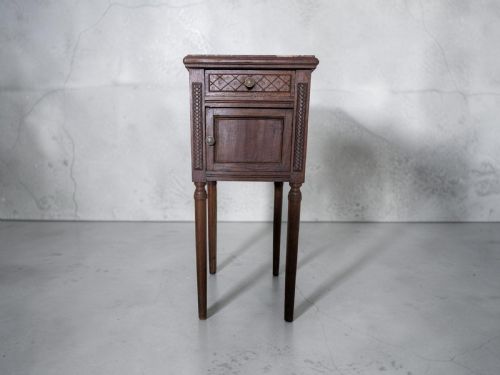
These turned leg bedside table examples bring compact storage and distinct period character directly to the bedside.
What these pieces are
A turned leg bedside table provides a compact surface and enclosed storage beside the bed, taking the form of pot cupboards and bedside cabinets. The selections on this page span the Georgian, Regency, Victorian, and Edwardian periods, stretching into the early twentieth century around nineteen ten.
How they were made
Cabinet-makers relied primarily on solid mahogany alongside flame mahogany veneer and satinwood for decorative contrast, occasionally integrating brass fittings. Timber selection dictated the structural integrity and visual warmth of each piece.
Turned legs form the defining structural and decorative element across these listings, sometimes incorporating reeded detailing. Joinery traditions of the nineteenth and early twentieth centuries ensured these small tables endured decades of daily use.
Retail Price Guide 2026
Typical UK retail prices for turned leg bedside table, calculated from the Sellingantiques database of over a million retail prices indexed since 2003. This retail price guide relies exclusively on Sellingantiques data; no external sources or auction records are used, so the figures do not describe the wider market.
Materials span mahogany, flame mahogany veneer, satinwood, and brass, representing periods from the Georgian era to nineteen ten.
What varies in quality
Superior examples display careful timber selection, such as vibrant flame mahogany veneer or crisp satinwood inlay, which elevates the visual impact beyond simple utility. The precision of the leg turning and the integration of brass hardware also signal higher workshop standards.
Proportion and cabinet construction distinguish finer pieces from standard domestic output. Subtle details in the edge moulding and the harmonious grain matching across cupboard doors reveal the maker's underlying skill.
The Turned Leg Bedside Table Glossary
- Pot cupboard
- A small bedside cabinet originally designed to house a chamber pot behind a single door. These pieces often feature a tray top to prevent items from rolling off.
- Flame mahogany veneer
- A thinly sliced wood layer displaying a distinctive, flickering flame pattern derived from the fork of the mahogany tree. Cabinet-makers used it on prominent surfaces for decorative effect.
- Satinwood
- A durable, yellowish wood utilised for fine furniture and decorative inlay work. It provides a bright contrast against darker timbers like mahogany.
- Reeded legs
- Cylindrical supports carved with parallel convex mouldings running vertically. This classic decorative treatment appears on Regency and later tables.
Frequently Asked Questions
What is a pot cupboard?
A pot cupboard is a small enclosed bedside cabinet designed in the nineteenth century to house a chamber pot discreetly.
Over time, these versatile pieces transitioned into standard bedside tables for holding lamps, books, and personal items.
How do I date a bedside table?
Dating relies on observing the primary timber, veneer techniques, and overall stylistic markers such as Georgian proportions or Edwardian inlay.
Comparing the turned leg profiles and hardware against documented period examples helps confirm the era of manufacture.
Are these tables suitable for modern bedrooms?
Their compact dimensions make them ideal for modern spaces where floor space near the bed is limited.
The enclosed storage keeps bedside clutter hidden while providing a sturdy surface for lamps and contemporary necessities.
What is flame mahogany?
Flame mahogany is a striking wood veneer created by cutting across the branch junction of the tree to reveal a rippled, fiery grain.
Cabinet-makers prized this decorative veneer for highlighting the front panels of high-quality nineteenth-century cabinets.