


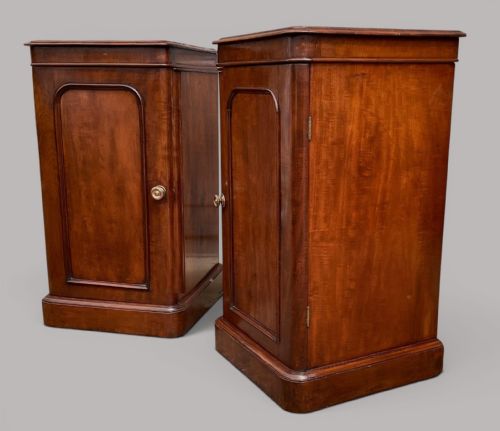
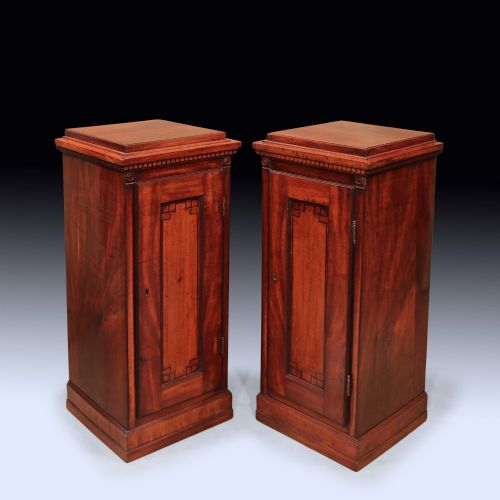
Georgian Mahogany Pot Cupboard
A georgian mahogany pot cupboard brings compact timber elegance to the bedside, offering both a neat tabletop and a concealed cabinet for chamber storage.
Understanding the Form
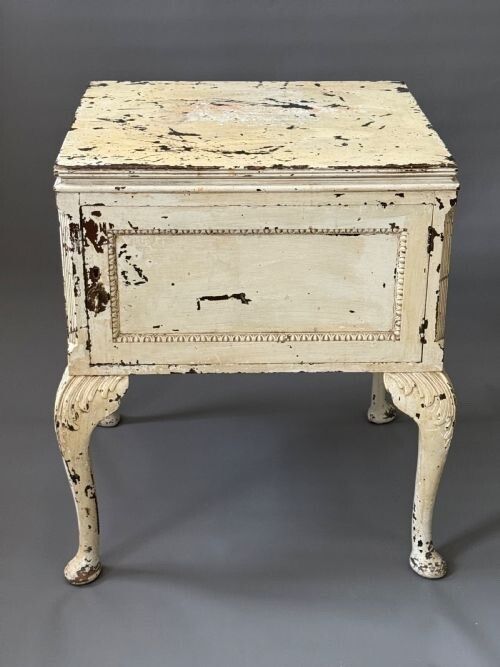
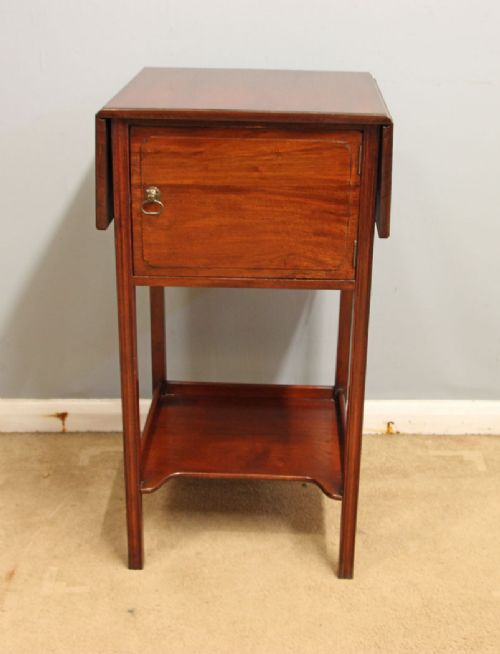
When you search for a georgian mahogany pot cupboard, you encounter a specialised piece of domestic furniture designed primarily for the bedroom during the eighteenth and nineteenth centuries. These items appear under various descriptions including bedside tables, night stands, and low bedside cabinets.
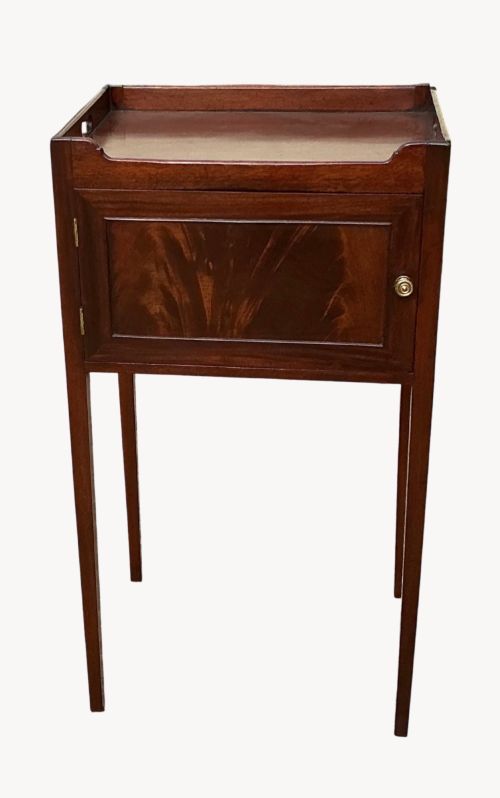
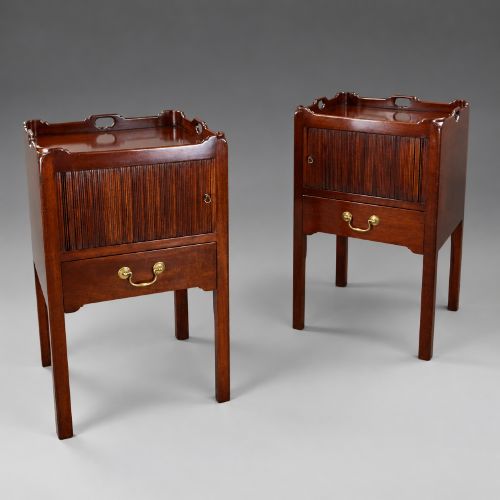
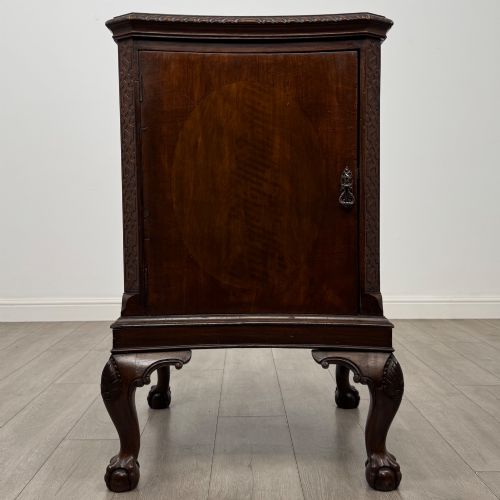
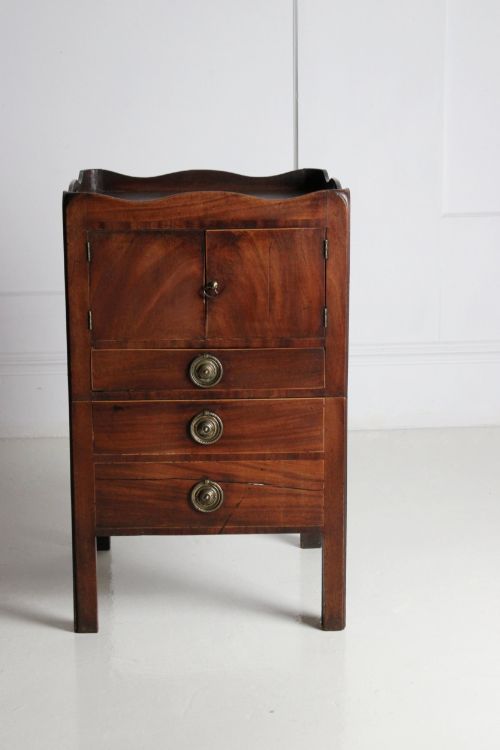
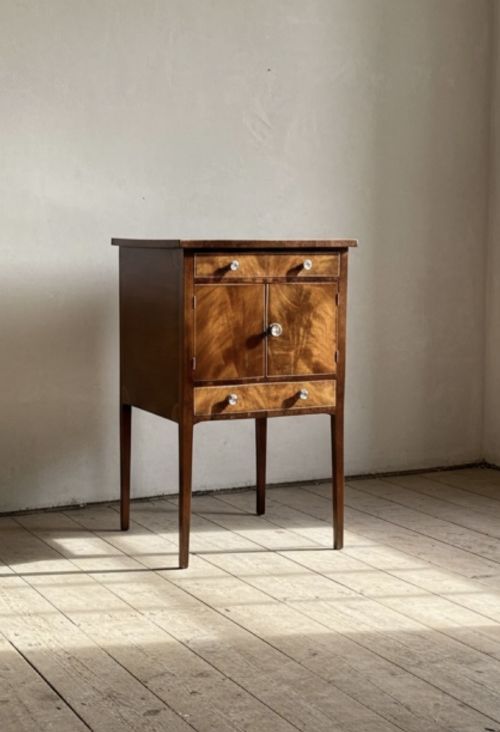
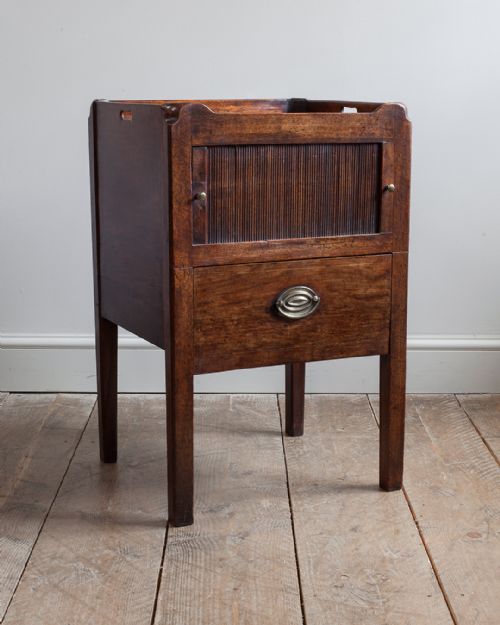
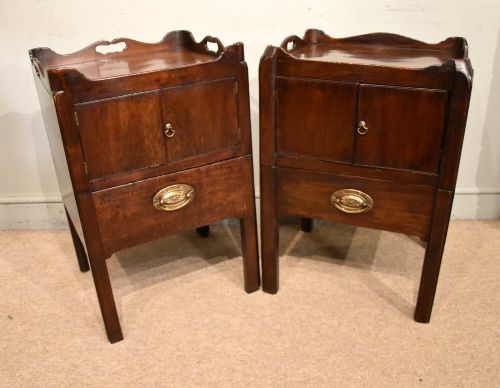
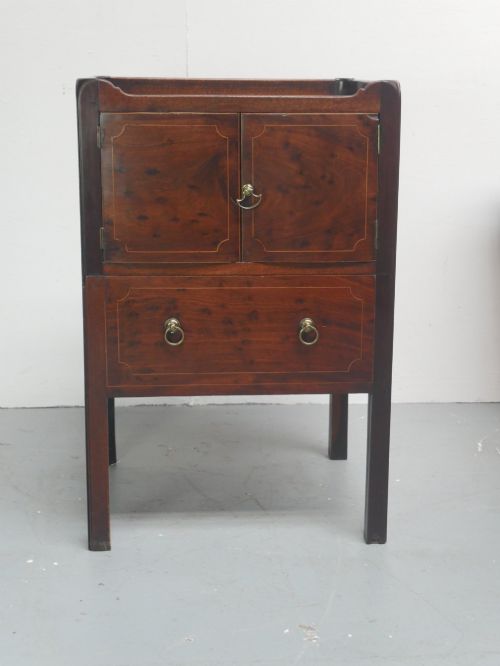
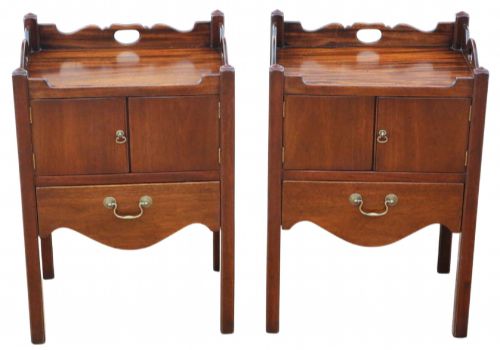
The version you are most likely to meet on this page dates from the Georgian period, often bearing the stylistic hallmarks of George III cabinet making. They frequently present as small square or bowfront cabinets with doors enclosing an internal compartment.
Materials and Construction
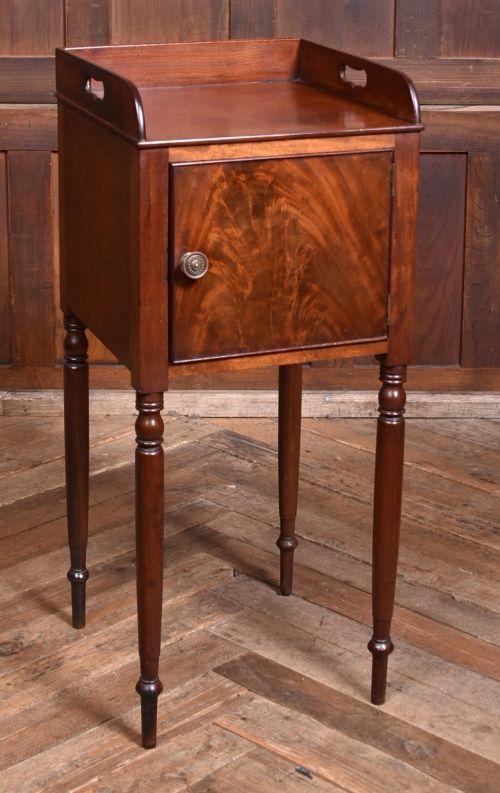
The primary timber used across these pieces is mahogany, sometimes enhanced by flame mahogany veneer for figured grain patterns on the exterior surfaces. Cabinet makers also incorporated secondary woods alongside decorative elements such as boxwood stringing and brass handles or hinges.
Joinery techniques from the period ensured sturdy construction for daily use, combining solid timber panels with carefully matched veneers. Tops often featured tray designs to prevent items from rolling off the surface.
Retail Price Guide 2026
Typical UK retail prices for georgian mahogany pot cupboard, calculated from the Sellingantiques database of over a million retail prices indexed since 2003. This retail price guide relies exclusively on Sellingantiques data; no external sources or auction records are used, so the figures do not describe the wider market.
Several examples arrive with tray tops, proving that eighteenth-century aristocracy were just as prone to knocking their morning tea over.
Assessing Quality
The distinction between standard examples and the finest pieces often lies in the selection of timber, particularly the richness of the mahogany grain and the crispness of any boxwood inlay. Superior pieces show refined proportions, such as very small footprints or elegant bowfront profiles.
Makers of high status items, such as Gillows, demonstrated exceptional attention to detail in the fitting of doors, drawer linings, and the choice of original brass hardware. The integrity of the timber surface and the subtlety of fading over time further distinguish the better examples.
Gillows
The Georgian Mahogany Pot Cupboard Glossary
- Pot cupboard
- A small bedside cabinet originally designed to house a chamber pot behind a closed door. These pieces often doubled as night stands or small tables.
- Bowfront
- A convex curved front profile that swells outwards from the corners. This shape appears frequently on finer Georgian bedside cabinets.
- Tray top
- A raised rim surrounding the upper surface of a table or cabinet. It prevents objects placed on top from sliding off.
- Flame mahogany
- A veneer cut from the fork of the mahogany tree where the branch meets the trunk. This produces a dramatic, flickering flame-like grain pattern.
Frequently Asked Questions
What is a pot cupboard?
A pot cupboard is a small bedside cabinet from the Georgian or Victorian eras designed to conceal a chamber pot.
Over time, these versatile items transitioned into general bedside tables and night stands used for personal storage.
How do I date a mahogany cabinet?
Dating relies on observing construction methods, timber choice, and stylistic details associated with periods like George III or the Regency.
Cabinet proportions, hardware styles, and secondary woods help confirm whether a piece originates from the eighteenth or nineteenth century.
Are these pieces suitable for modern bedrooms?
Their compact dimensions make them ideal as functional bedside tables next to contemporary bed heights.
The enclosed cupboard and tabletop provide practical storage and display space without dominating a room.
What is flame mahogany?
Flame mahogany is a highly figured veneer sliced from the junction where a branch meets the main tree trunk.
Cabinet makers used this decorative wood on prominent surfaces like cabinet doors to create a striking visual pattern.