
Small Bedroom Cabinet
A small bedroom cabinet provides compact bedside storage in mahogany, walnut or pine across Victorian, Edwardian and Art Deco periods.
Small Bedroom Cabinet
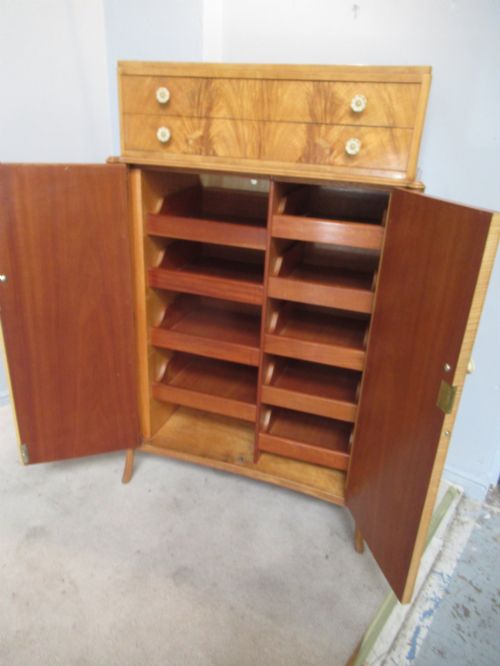
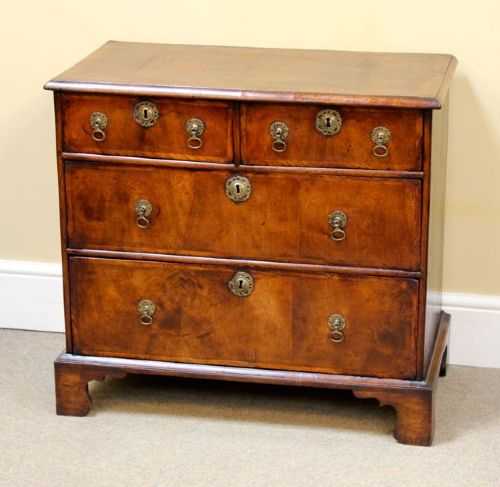
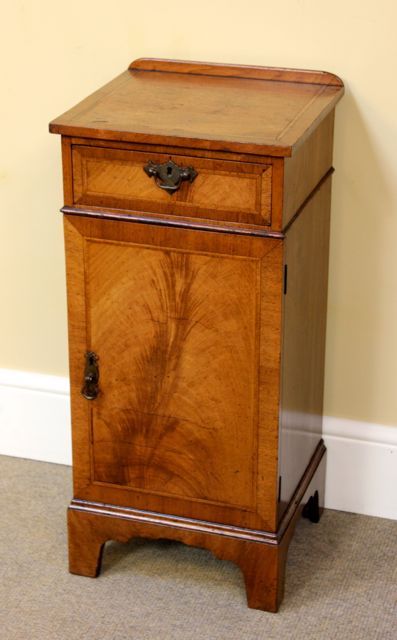
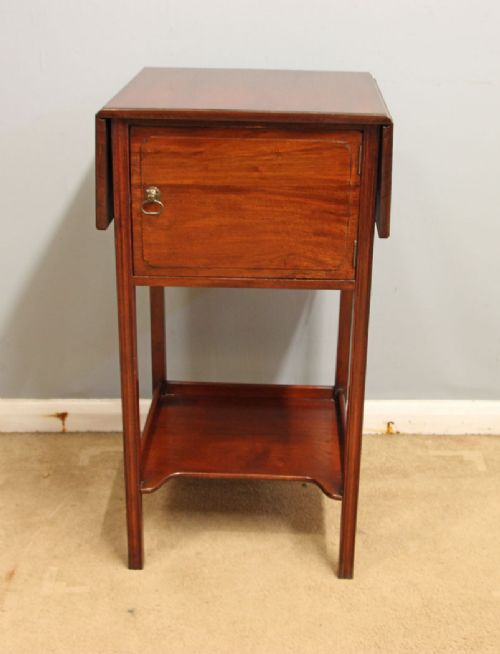
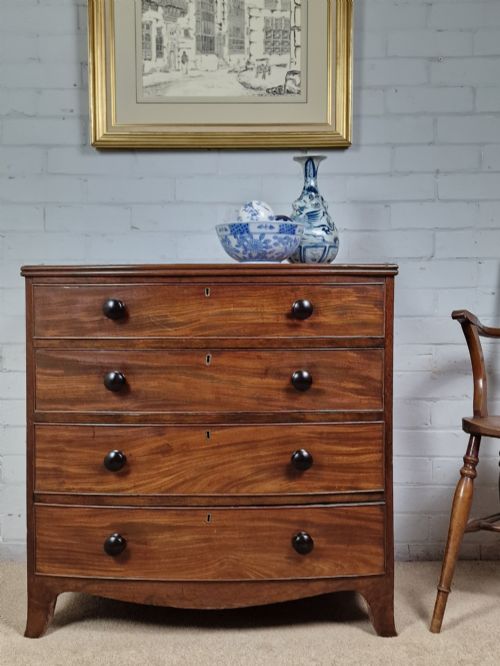
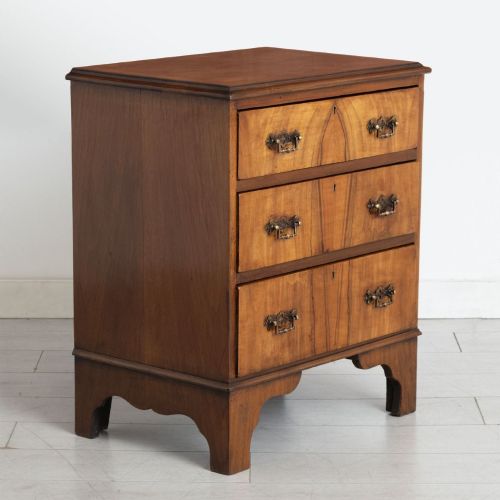
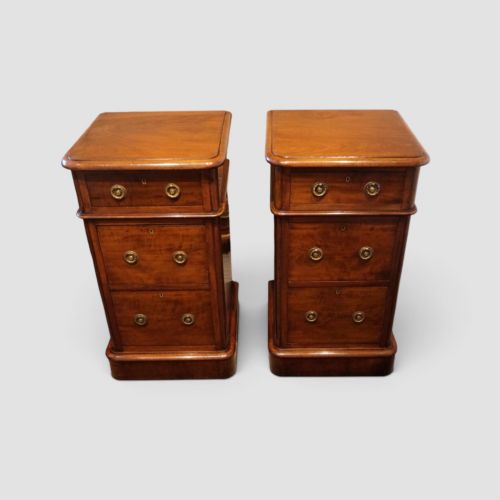
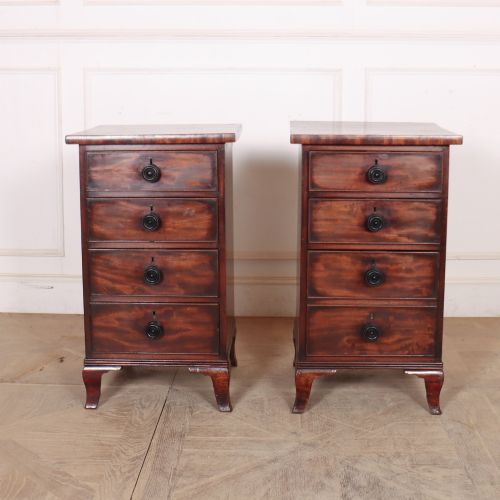
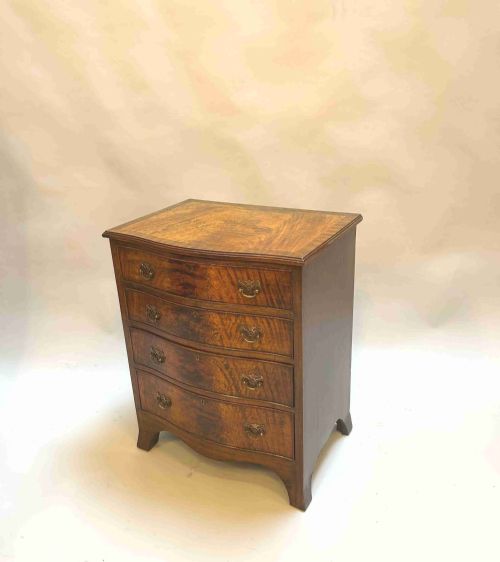
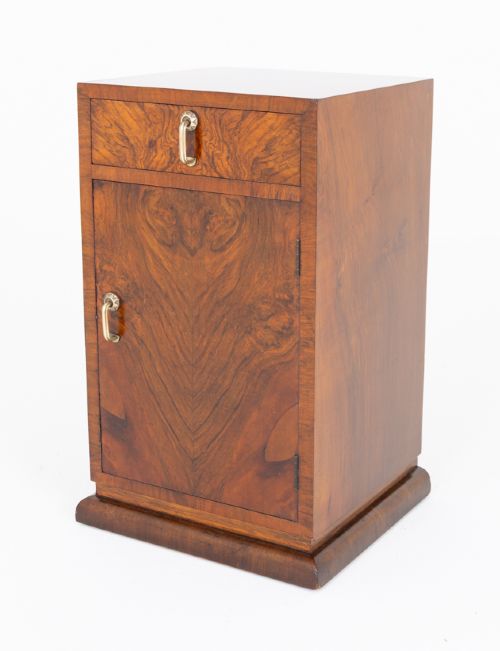
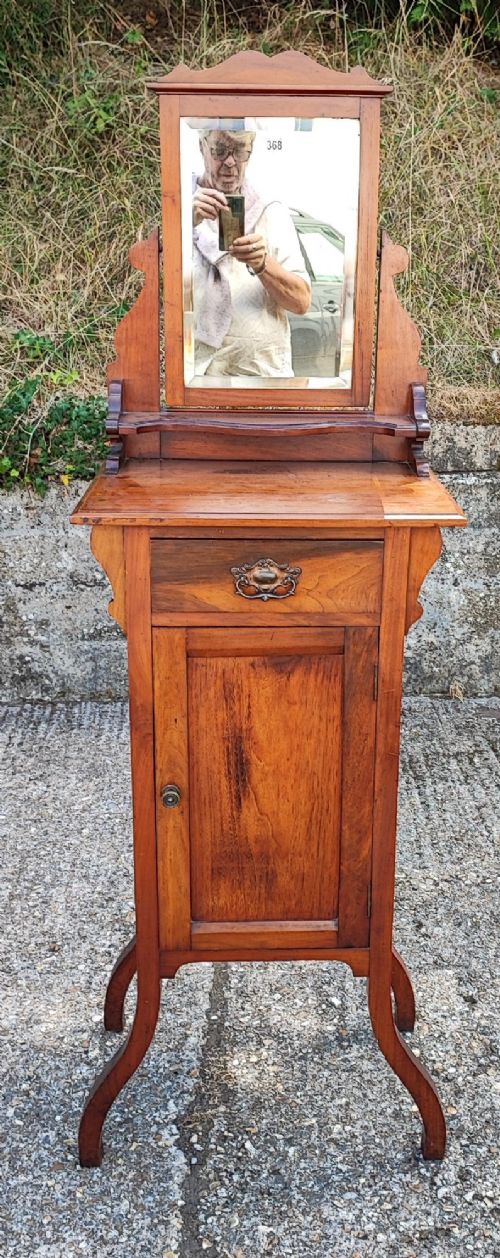
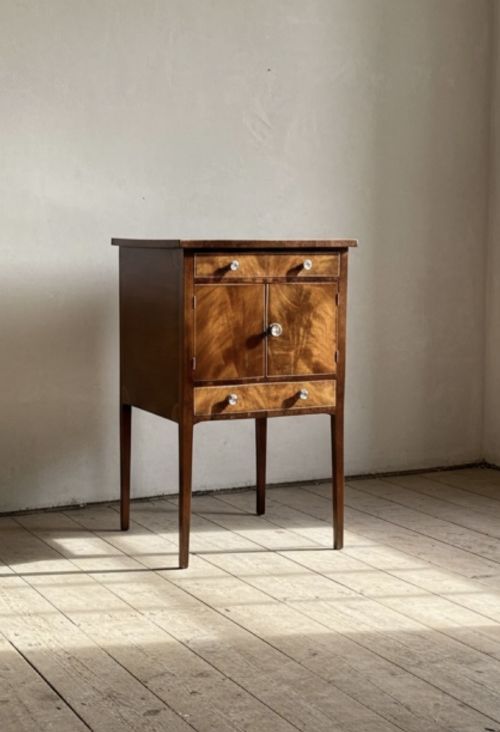
A small bedroom cabinet meets the need for bedside storage, appearing most often as a mahogany or walnut bedside cupboard, night table, or chest of drawers. These pieces span from the 18th century through the Victorian and Edwardian eras into 1930s Art Deco designs.
Buyers encounter single cabinets and matched pairs in pine, oak, and burr walnut. Alongside dedicated bedside chests, the listings include compact wardrobes, tallboys, and dressing tables scaled for smaller rooms.
Materials and construction
Cabinet makers utilised solid timbers alongside veneers, applying mahogany, walnut, burr walnut, and oak over sturdy pine or secondary woods. Brass fittings, including handles and hinges, provide functional detail on period pieces.
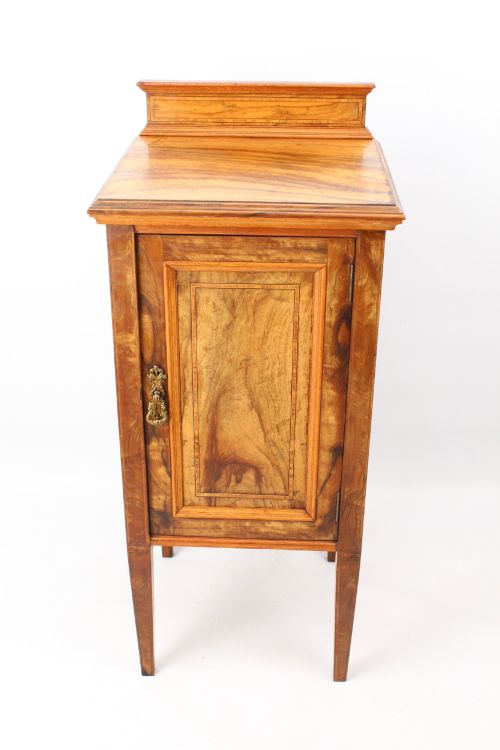
Inlaid decoration in satinwood and maple appears on Edwardian examples, while Art Deco pieces rely on clean geometric lines and figured wood grains. Dovetail joints and panelled construction define the interior drawers and carcases.
Materials range from plain pine and oak to figured burr walnut, maple, and satinwood inlay.
Distinguishing quality in construction and material
The standard of a small bedroom cabinet rests on the selection of timber figures, particularly in burr walnut and figured mahogany veneers. Well-executed dovetailing and original brass hardware signal superior workshop production.
Proportions and timber matching across matched pairs separate standard items from finer examples. Later adaptations and replaced components alter the integrity of period pieces.
Maple And Co·Heals
The Small Bedroom Cabinet Glossary
- Pot cupboard
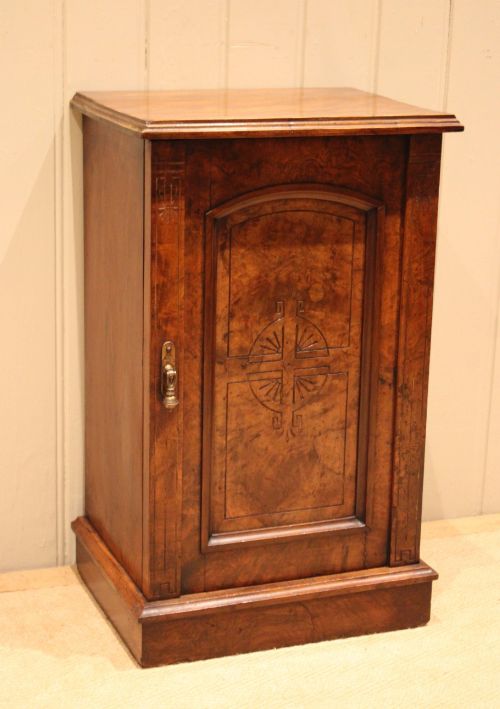
- A small bedside cabinet originally designed to house a chamber pot. These feature a single door enclosing a shelf.
- Nightstand
- An alternative term for a bedside table or small cabinet placed next to a bed. They often incorporate small drawers for nighttime essentials.
- Wellington chest
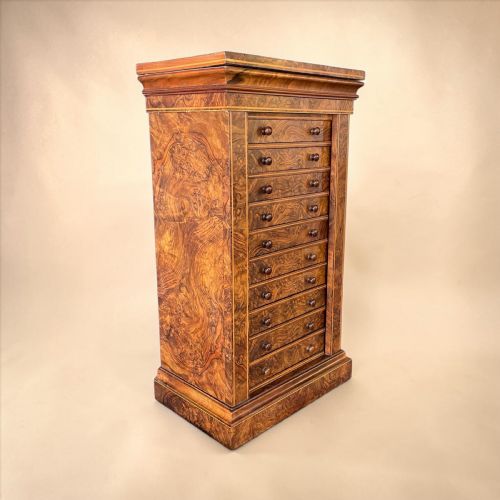
- A tall, narrow chest of drawers secured by a hinged locking stile on one side. This form originates from the 19th century.
- Burr walnut
- Timber taken from the warted excrescence of a walnut tree, yielding complex swirling grain patterns. Cabinet makers prized this for decorative veneering.
- Bow front
- A convex curved cabinet front popular in Georgian and later furniture design. This shape softens the corners of small bedroom furniture.
Small Bedroom Cabinet: Frequently Asked Questions
What is a small bedroom cabinet used for?
These cabinets serve as bedside storage for books, lamps, and personal items. Their compact footprint suits smaller sleeping quarters.
Historically, variations such as pot cupboards held chamber pots behind closed doors, while chest variants provided drawer space for small garments.
Are bedside cabinets sold as pairs?
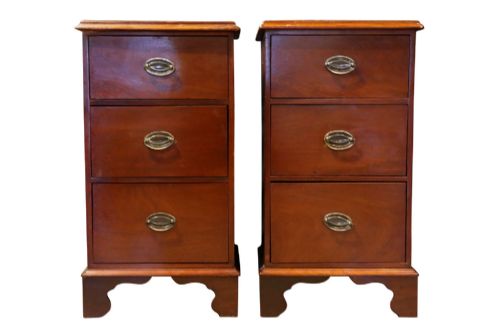
Many listings offer matching pairs of bedside chests or cabinets intended to flank a double bed. These pairs share identical timber grain, hardware, and dimensions.
Single cabinets also appear frequently for rooms requiring only one bedside table.
What is the difference between an Edwardian and a Georgian cabinet?
Edwardian cabinets often feature satinwood inlay, lighter mahogany tones, and delicate proportions influenced by earlier revival styles. They date from the early 20th century.
Georgian pieces display simpler, robust lines in solid mahogany or walnut, constructed with traditional cabinet-making techniques from the 18th century.