
Satinwood Furniture
Satinwood furniture brings a pale, luminous warmth to a room through fine timbers and careful inlay.
Satinwood Furniture
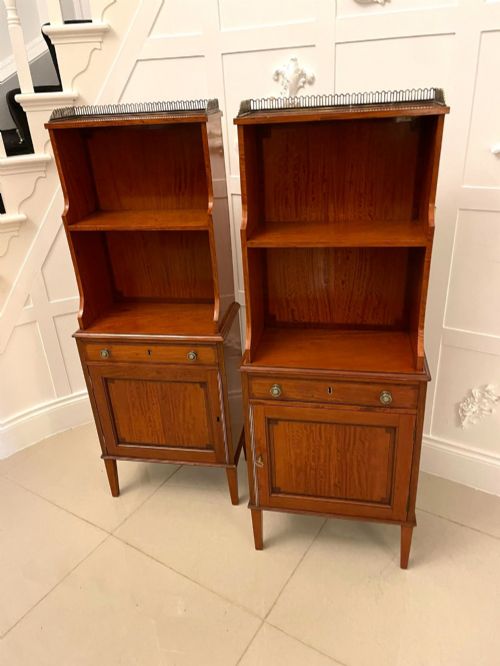
Satinwood furniture encompasses a range of domestic pieces built from yellowish, light-reflecting timbers, most frequently encountered in Edwardian revival items and late nineteenth-century tables, cabinets, and chests.
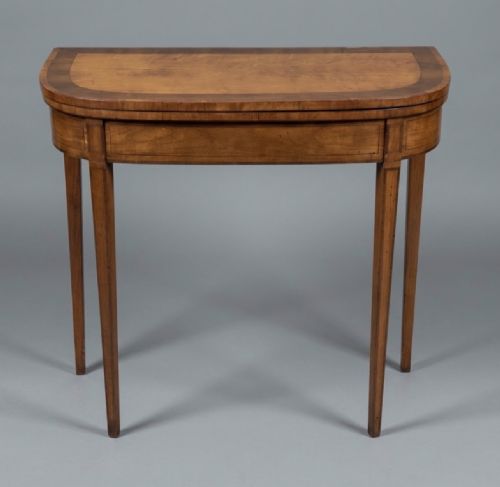
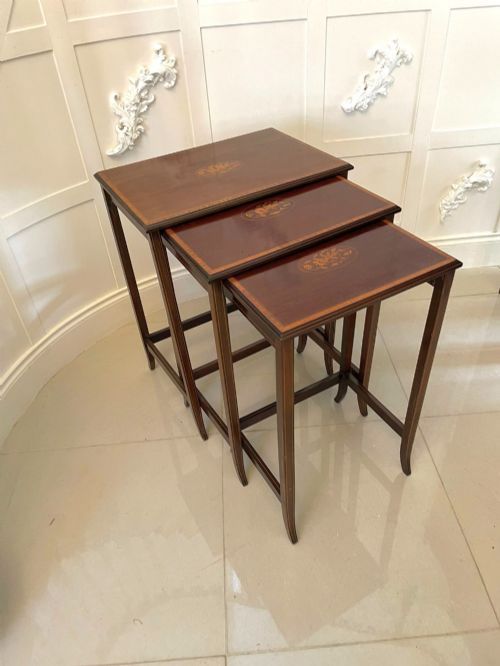
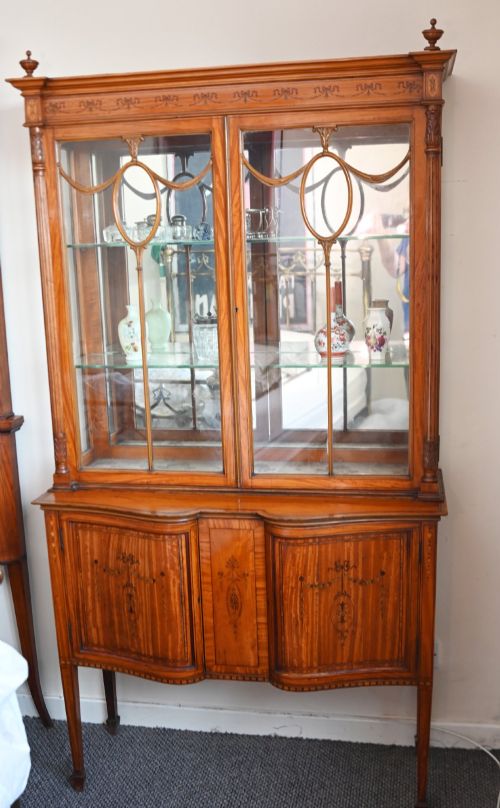
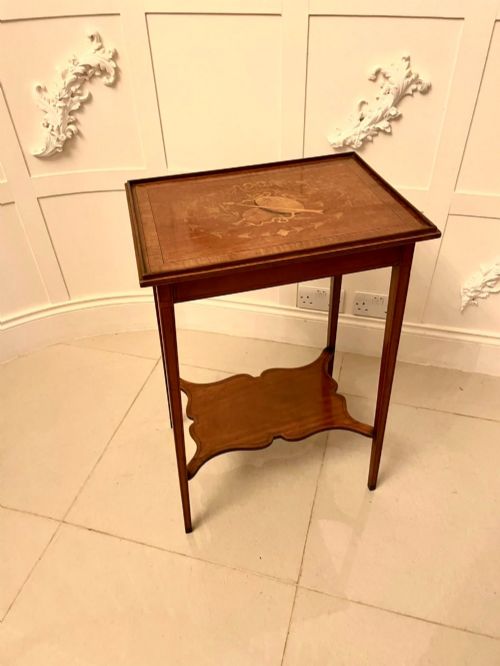
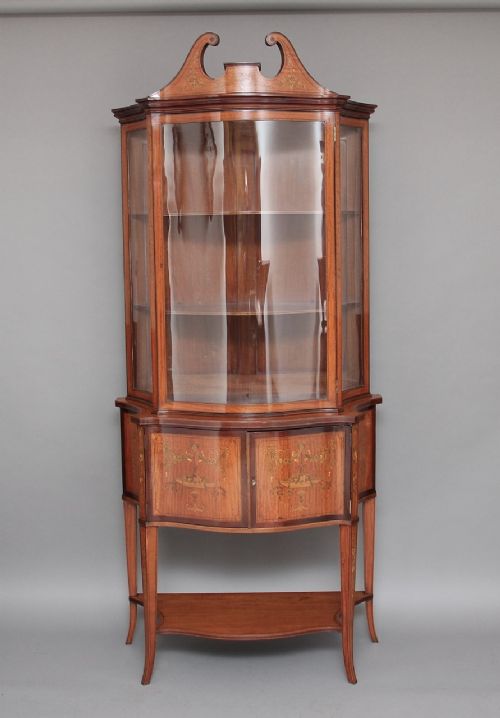
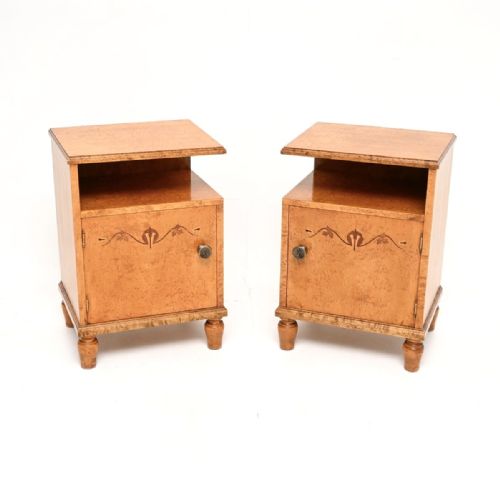
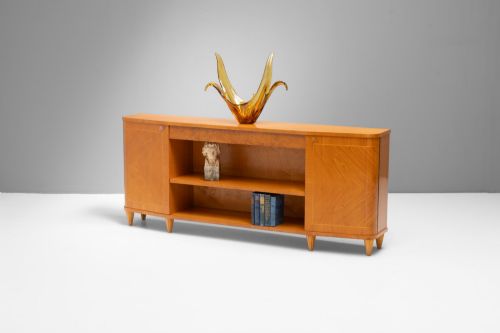
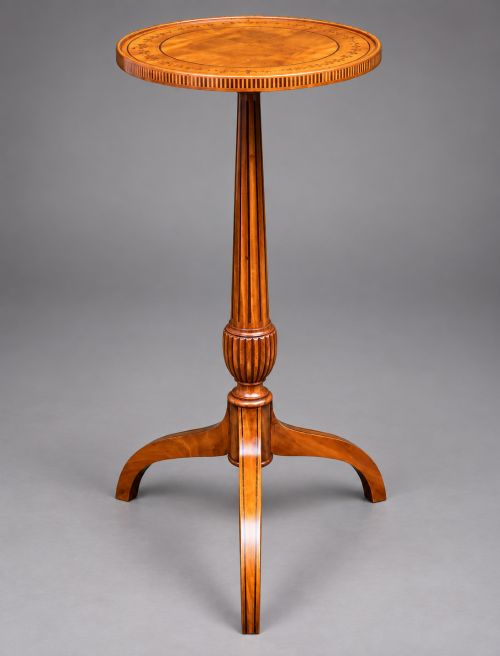
The selections on this page span from eighteenth-century card tables to Art Deco sideboards, with Edwardian occasional tables and display cabinets appearing with regular frequency.
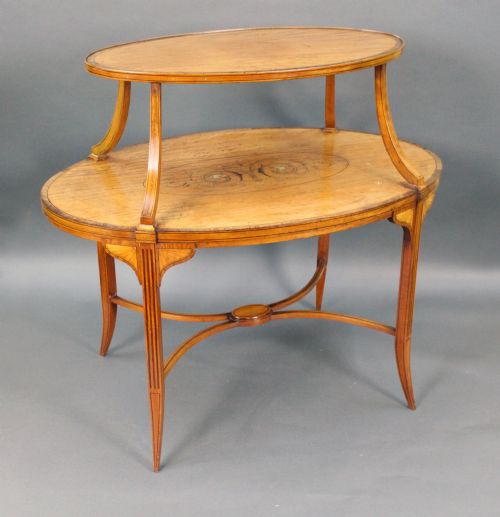
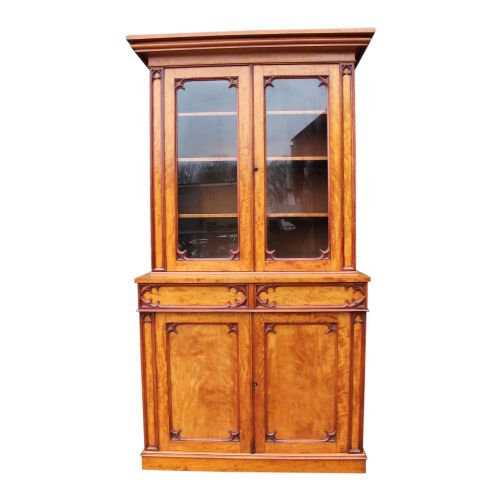
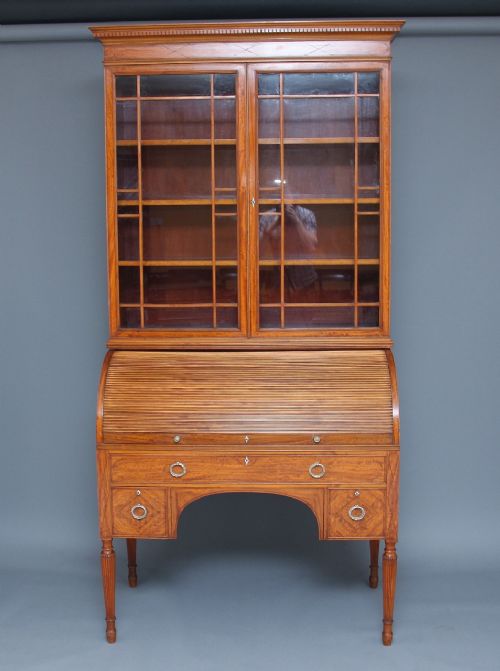
Makers utilised the timber for both structural display and delicate surface contrast, combining it with mahogany, rosewood, and painted decoration across forms such as cylinder bookcases, etagères, and work tables.
Materials and construction
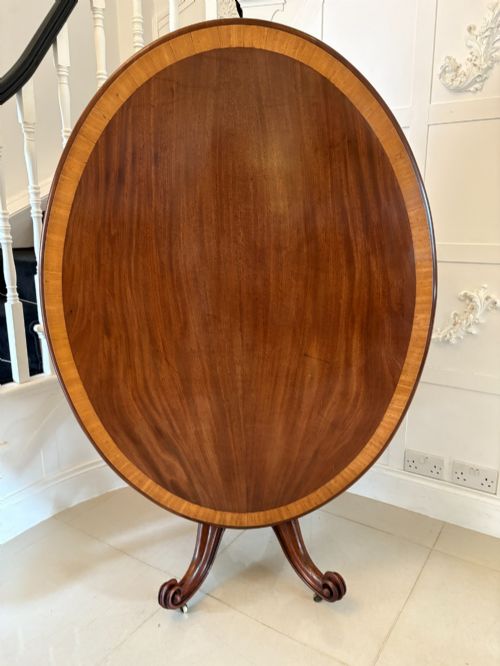
Craftsmen built these pieces using solid timber frames and applied veneers, frequently employing crossbanding in rosewood, kingwood, or mahogany to frame the pale central grain.
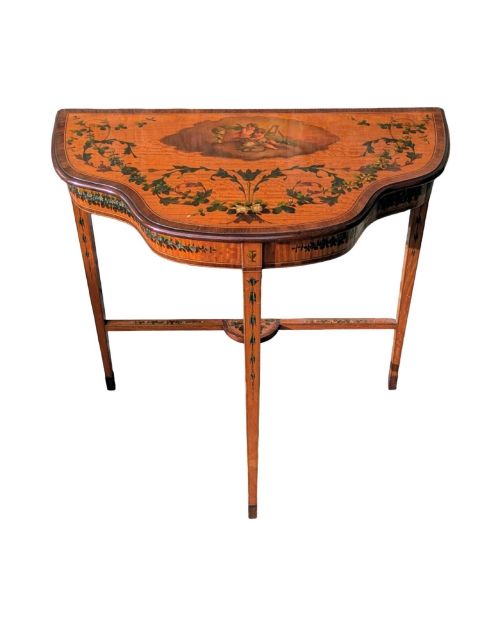
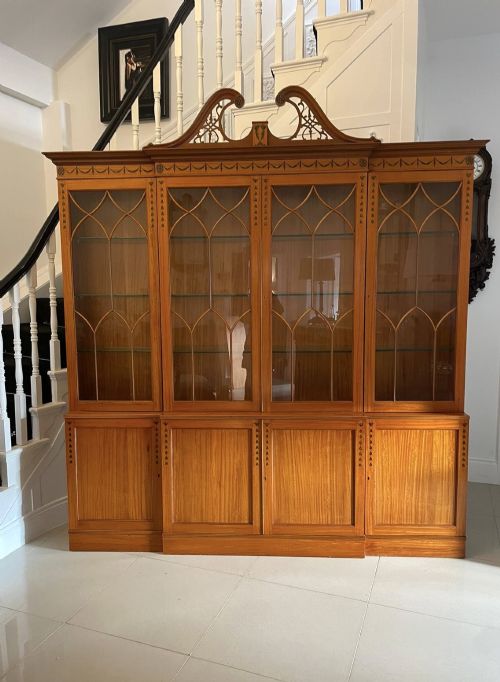
Many examples feature inlaid stringing in contrasting woods alongside polychrome painted floral decoration or glass panels set into astral glazed doors.
Structural elements incorporate brass hardware, fabric linings, and gilt-bronze mounts, particularly on larger breakfront cabinets and partners desks from the Victorian and Edwardian periods.
A folding corner wash stand demonstrates that even eighteenth-century morning routines required clever timber engineering.
What separates the grades
The hierarchy of quality rests upon the selection of the timber grain, where highly figured satinwood commands greater regard than plain or uniform surfaces.
Execution of the decorative elements dictates distinction, distinguishing hand-painted floral motifs and precise geometric inlay from simpler, less ambitious ornamentation.
The integrity of the original construction, the subtlety of crossbanding contrasts, and the preservation of authentic surface finishes separate superior examples from standard workshop output.
Maurice Adams·Edwards and Roberts·Trevor Page and Co·Hampton and Sons·H J Hatfield and Sons·Harris Lebus of Tottenham
The Satinwood Furniture Glossary
- Crossbanding
- A border technique where strips of veneer are laid perpendicular to the main grain, creating a contrasting frame around table tops and cabinet doors.
- Demi-lune
- A half-moon shape characteristic of eighteenth-century card tables and sideboards designed to sit flush against a wall.
- Étagère
- A tiered open shelving unit used for the display of small objects, popular during the Victorian and Edwardian periods.
- Astral glazing
- Cabinet door construction featuring slender wooden bars that divide the glass into geometric panes.
- Torchere
- A tall, slender stand designed to support a candle or plant, frequently produced in specimen woods around nineteen hundred.
Satinwood Furniture: Frequently Asked Questions
How do I care for satinwood furniture?
Keep these pieces away from direct sunlight and steady heat sources to protect the pale timber and delicate veneers from fading or drying out over time.
Dust gently with a dry, soft cloth and avoid chemical polishes that can lift or dull the historic polish.
What is the difference between satinwood and satin birch?
Satinwood is a dense tropical timber with a natural golden sheen, whilst satin birch comes from birch trees displaying a characteristic shimmering figure.
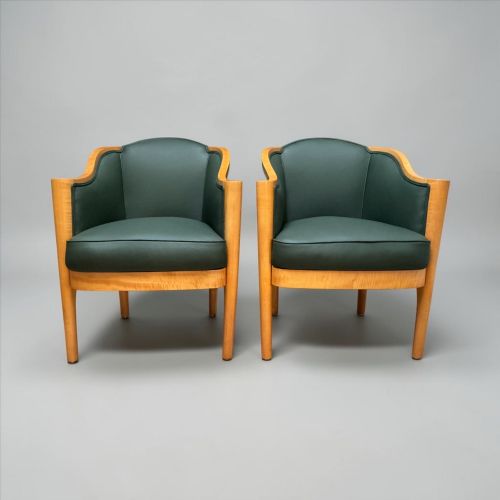
Both timbers achieve a pale, light-reflecting surface, though birch appears more frequently in Scandinavian Art Deco pieces.
Where were these pieces used in the home?
Occasional tables, display cabinets, and work tables furnished principal reception rooms and ladies drawing rooms where lighter woods brightened the interior.
Bedside cabinets and chests of drawers brought similar decorative warmth into bedrooms during the Edwardian era.
How do I date a satinwood piece?
Stylistic markers such as Sheraton Revival proportions and painted floral motifs point toward the Edwardian period and late nineteenth century.
Earlier eighteenth-century examples display restrained neoclassical lines with precise mahogany or rosewood crossbanding.