

Single Door Pier Cabinet
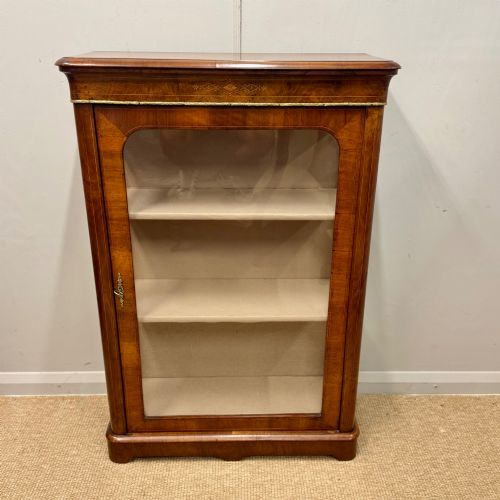
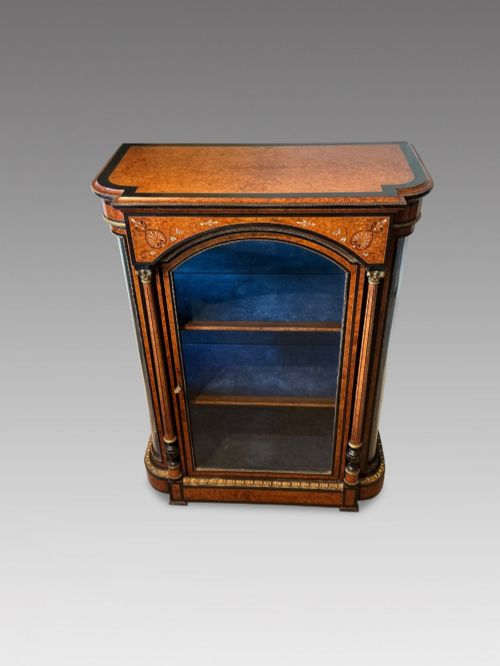
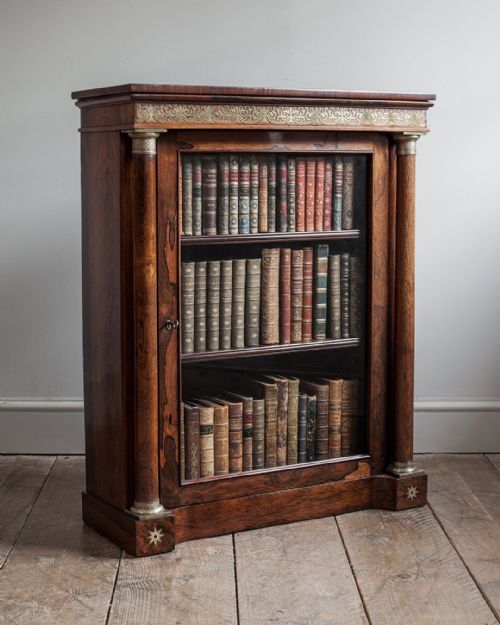
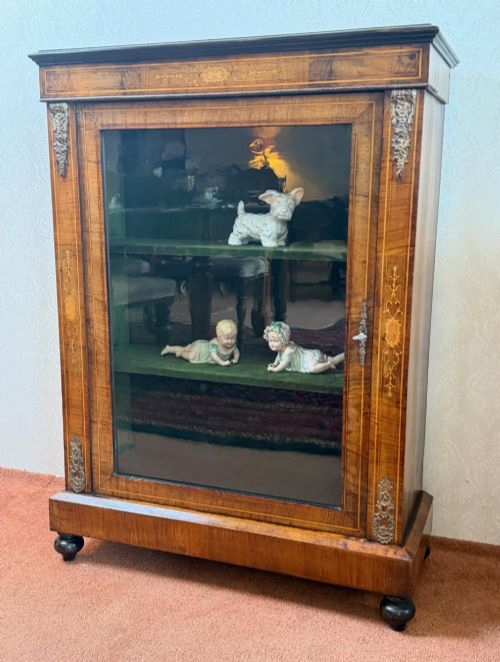
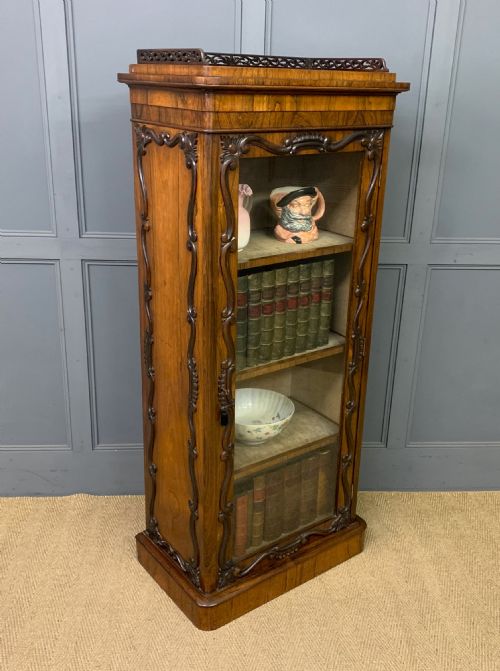
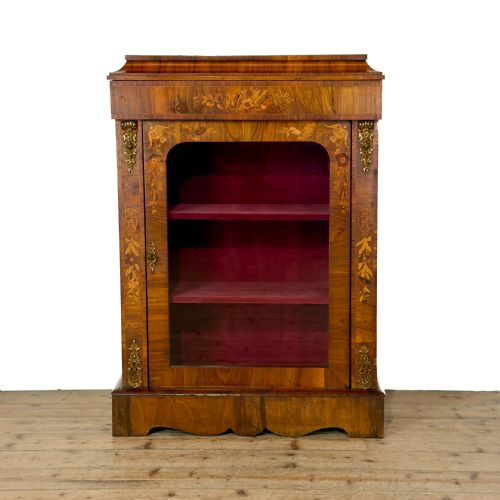
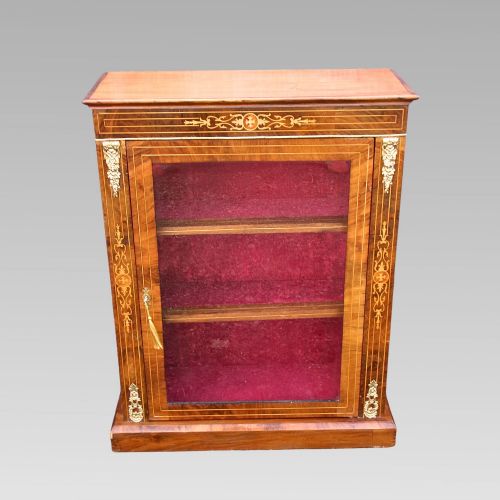
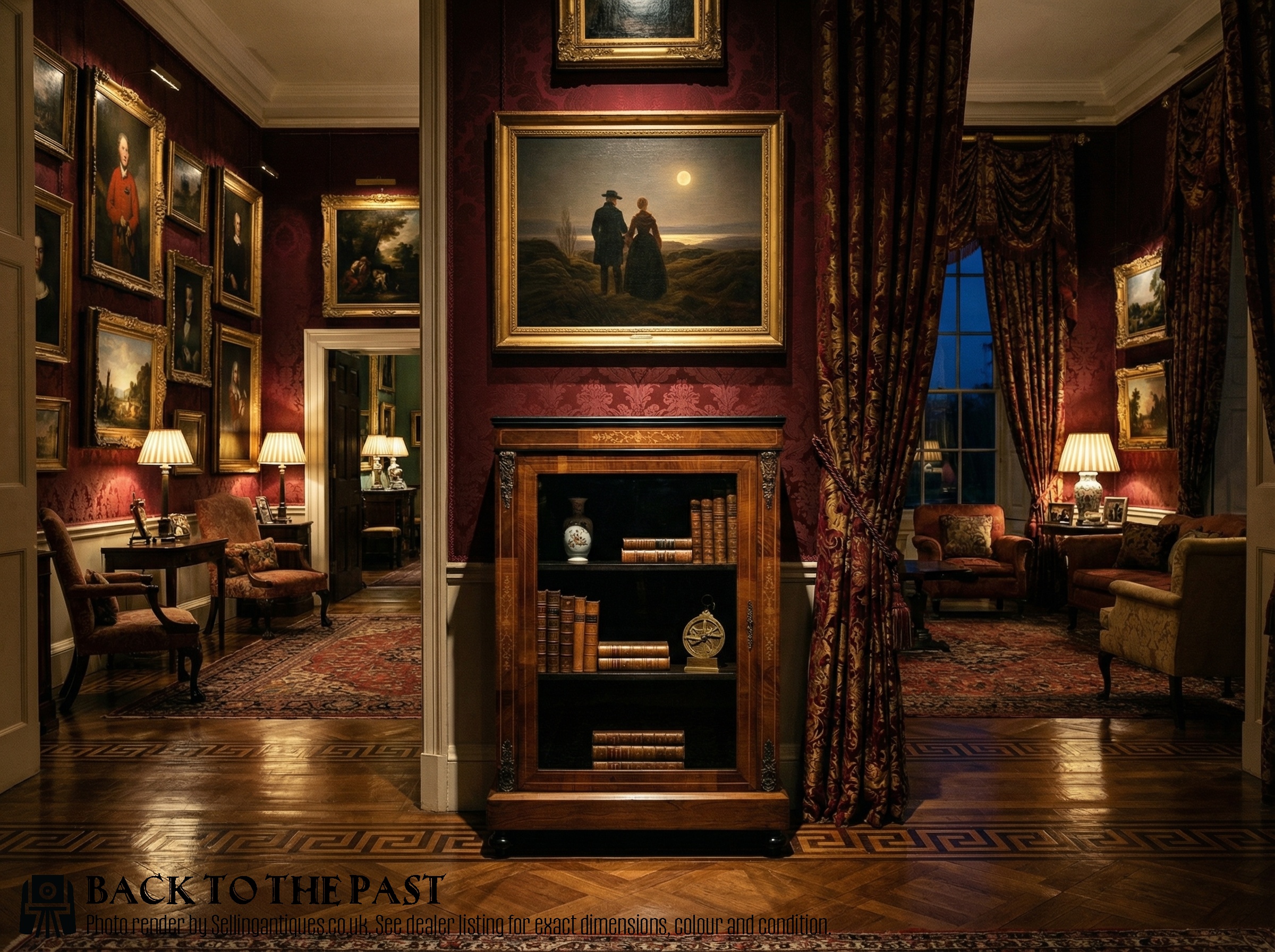
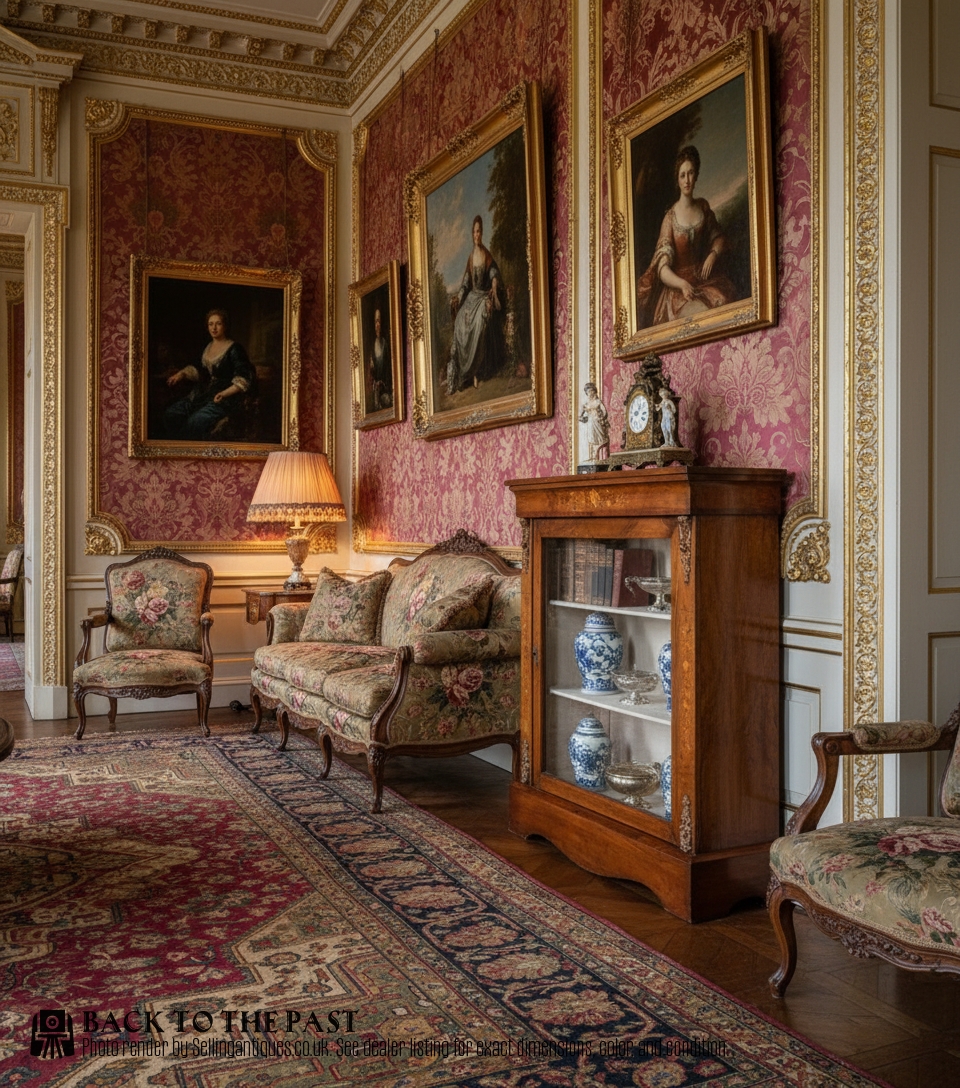
A single door pier cabinet sits flat against a narrow wall between windows, offering glass-fronted display for treasured objects in compact reception rooms.
Single Door Pier Cabinet
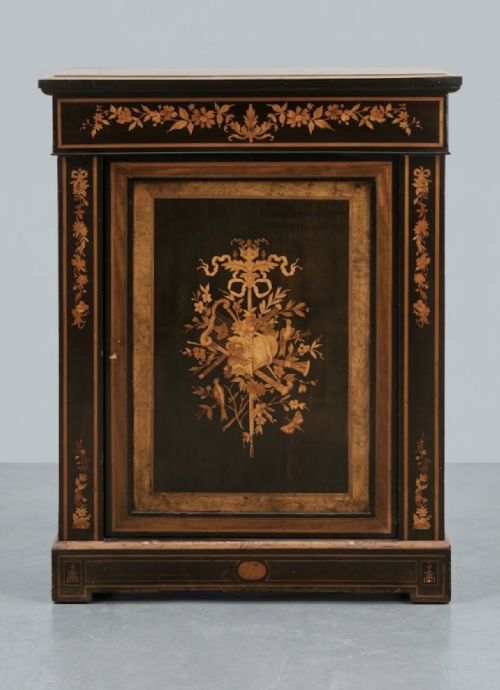
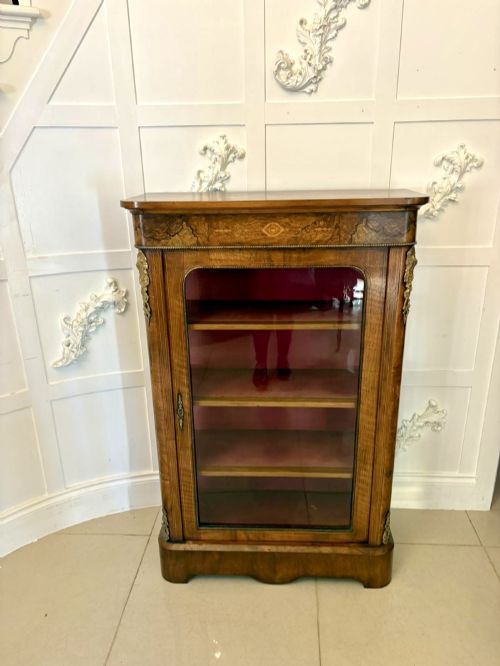
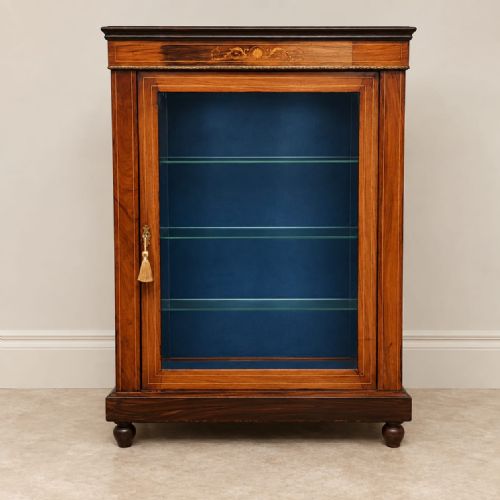
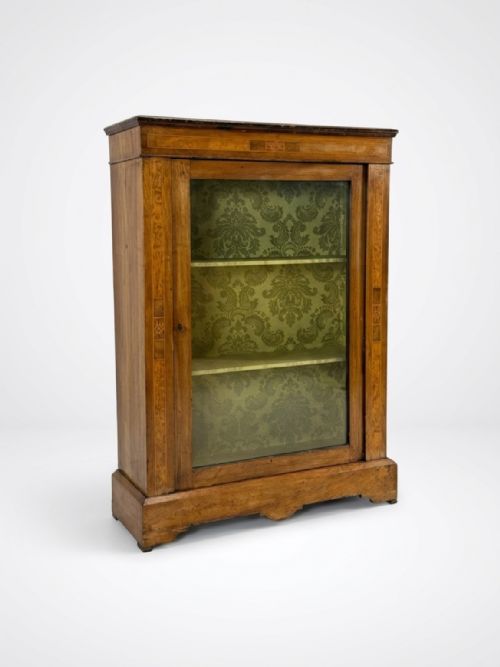
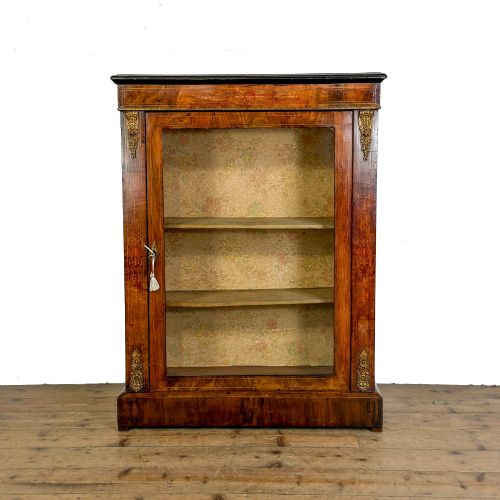
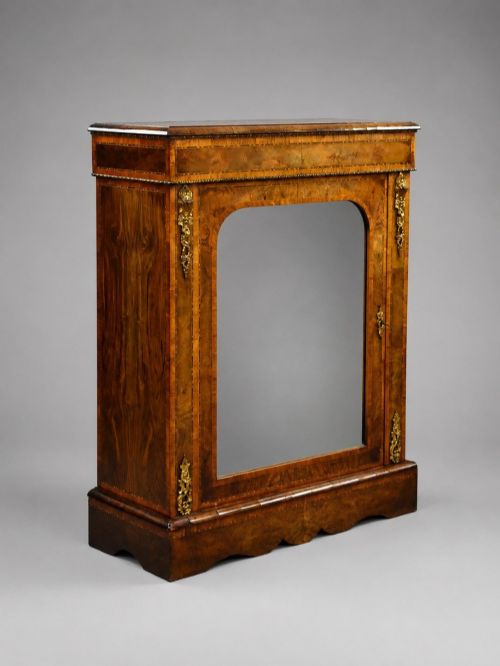
A single door pier cabinet is an upright display piece designed to occupy the narrow strip of wall between two windows. Most examples found here date from the Victorian era and the nineteenth century, alongside occasional Regency and Edwardian pieces.
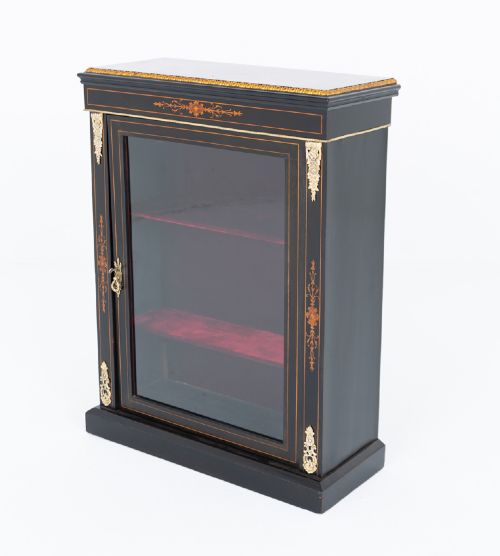
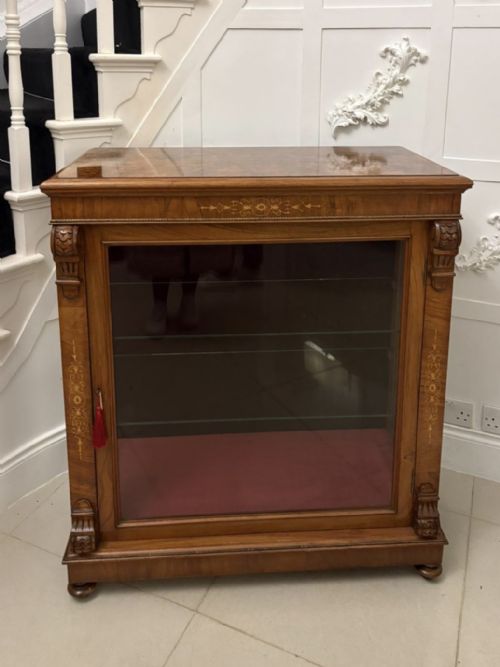
The dominant material seen across these items is walnut, frequently figured as burr walnut, accompanied by rosewood, ebonised wood, and mahogany. These timbers often display intricate boxwood marquetry or delicate inlay.
Many versions feature a single glazed door that opens to reveal interior shelving for books or porcelain. Others incorporate marble tops, velvet-lined interiors, and brass or gilt-metal mounts.
Judging Quality in Cabinetwork
The refinement of the marquetry and the choice of wood veneers distinguish finer pieces from standard production. Richly figured burr walnut and precise boxwood inlay indicate superior craftsmanship.
The presence of cast ormolu mounts, marble slab tops, and intact gilt-metal decorative details elevate an example. Structural crispness in the glazing bars and precise joinery around the single door complete the standard.
Single Door Pier Cabinet Retail Price Guide 2026
Typical asking prices for single door pier cabinet among the pieces listed under this phrase on Sellingantiques today, from the lower quarter to the upper quarter. They describe what is for sale here now, not the wider market.
Listings feature nineteenth-century pieces spanning the Regency, Victorian, and Edwardian periods, constructed primarily in walnut, rosewood, and ebonised wood with glass doors.
James Winter·Druce & Co
The Single Door Pier Cabinet Glossary
- Pier Cabinet
- A narrow display cabinet designed specifically for the wall space between windows. It typically stands on a low plinth.
- Burr Walnut
- Timber taken from the gnarled growth of a walnut tree, producing highly figured, swirling grain patterns highly prized for cabinet veneers.
- Marquetry
- Decorative patterns formed by fitting together thin slices of wood veneer, ivory, or metal onto a structural background.
- Ebonised Wood
- Timber treated with stain and polish to imitate the deep, dark appearance of ebony.
- Ormolu
- Gilt bronze mounts applied to furniture for decorative enrichment.
- Boxwood
- A dense, pale wood frequently utilised for contrasting stringing and floral inlay details.
Single Door Pier Cabinet: Frequently Asked Questions
What is a pier cabinet?
A pier cabinet is a tall, narrow display piece built to fit the narrow pier of wall between windows in a Victorian drawing room. They provide upright enclosed storage without blocking natural light.
Most feature a single glazed door and shelves for ceramics, glass, or small books. Their shallow depth allows them to sit flush against walls in restricted spaces.
How do I date a pier cabinet?
Dating relies upon timber choices, stylistic markers, and construction methods recorded across the nineteenth century. Victorian examples frequently utilise burr walnut with marquetry, while Regency pieces lean toward rosewood.
Edwardian items continue the tradition with similar walnut and inlay vocabularies. Examining secondary woods and hardware helps confirm the manufacturing era.
What woods were used?
Walnut is the predominant timber found in these pieces, often paired with burr walnut veneers for dramatic grain patterns. Rosewood and mahogany appear alongside ebonised wood finishes.
Boxwood provides the pale contrast used for floral marquetry and fine stringing lines. Gilt-metal, brass, and ormolu supply the metallic highlights.
Can I use one for a bookcase?
Many examples function effectively as small bookcases or display cupboards due to their internal shelving. The glazed doors keep dust away from volumes while maintaining visibility.
Cabinet interiors often include adjustable shelves to accommodate different book heights. Velvet-lined compartments also suit the display of decorative ornaments.