




Silvered Metal Sculpture
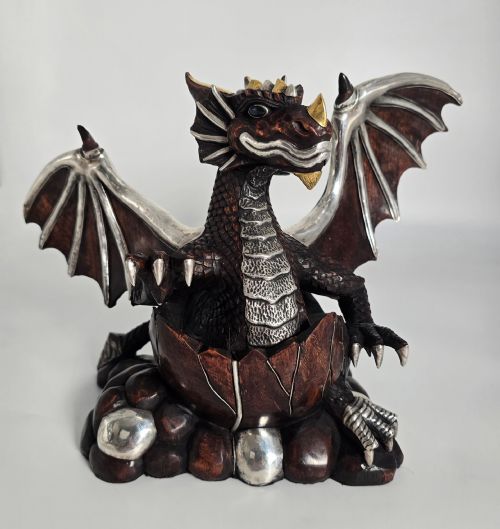
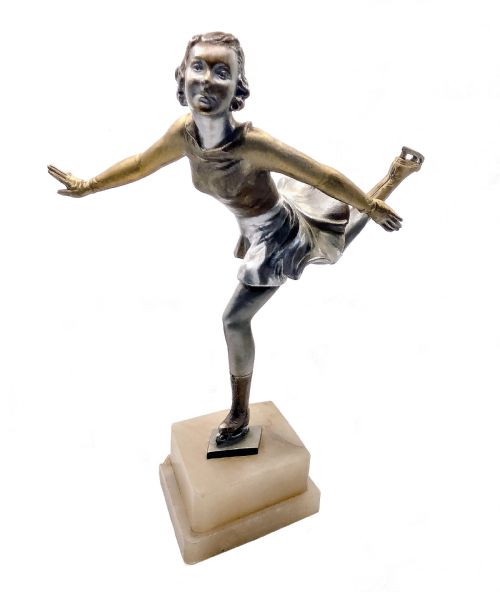
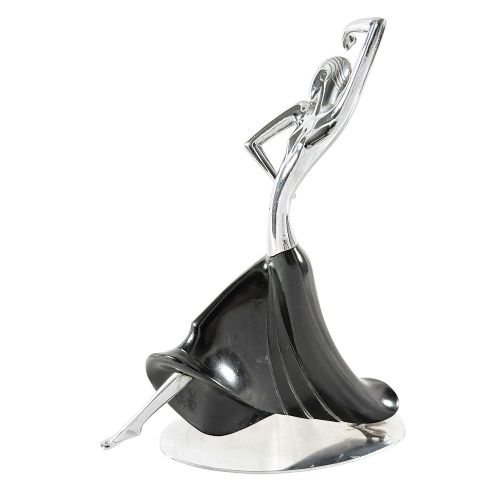
These pieces of silvered metal sculpture catch the light with a metallic sheen, bringing character and form to a mantelpiece or desk.
Silvered Metal Sculpture
When you search for silvered metal sculpture, you find figural works, animals, and decorative objects rendered in metals finished with silver plating, cold-painting, or aluminium. The selection spans distinct eras, from pre-sixteenth-century Asian shrines to Edwardian animal models and utilitarian millinery moulds.
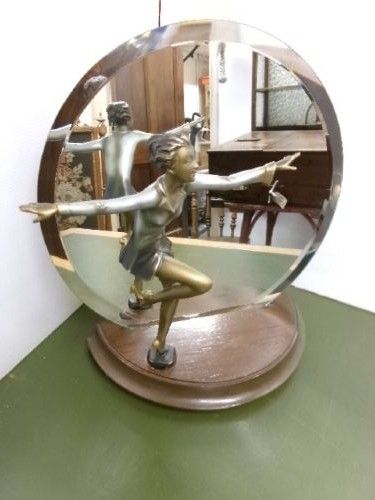
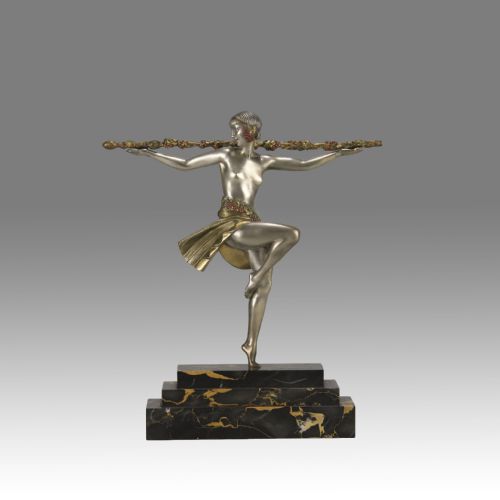
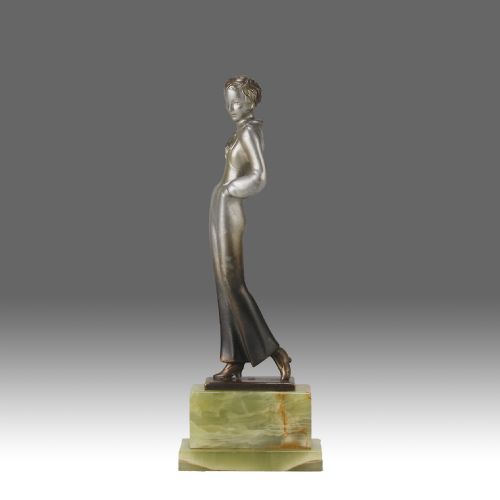
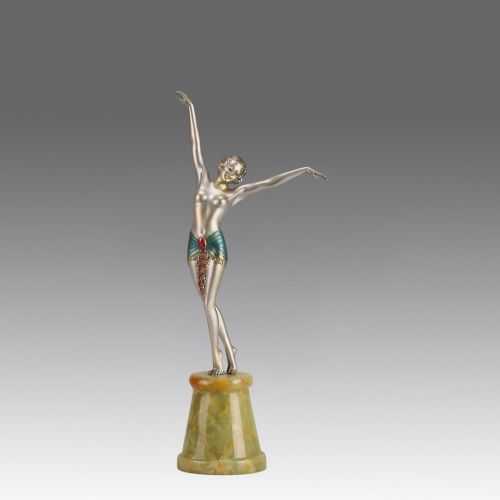
The most common examples on this page date from the nineteen-thirties and display the characteristic geometric lines and stylised human forms of the Art Deco movement. These works frequently depict dancers, athletes, or animals mounted on bases of marble or onyx.
Beyond domestic ornaments, the inventory includes novelty desk accessories, aviation trophies, and industrial items such as hat blocks and glove moulds cast in aluminium. Each piece demonstrates how makers applied metallic finishes to diverse base materials across the nineteenth and twentieth centuries.
Materials and methods of construction
Makers utilised a range of foundational substances including bronze, spelter, copper alloy, and brass, often mounting heavier figures on slabs of solid marble or onyx. Spelter served as a common, cost-effective alternative to bronze for sculptural figures during the early twentieth century.
Surface finishes were achieved through silver plating, silvered bronze, chrome plating, or the application of silver and copper inlay. Cold-painting techniques added colour and definition to metallic surfaces, particularly on animalier studies and figural dancers.
A vintage racing greyhound mascot stands ready to bolt from the radiator cap.
Distinctions in craftsmanship and condition
The integrity of the mounting and the stability of the base material indicate overall construction standards. Pieces retaining their original cold-painted pigments, patination, and mounting plates hold greater material authenticity.
Pierre le Faguays·Josef Lorenzl·Hagenauer·Louis Lejeune·Claire Colinet·Michel Decoux·Geo Maxim·Herzig
The Silvered Metal Sculpture Glossary
- Spelter
- A zinc alloy commonly utilised for decorative figures and statuettes during the Art Deco period. It provides a dense base for metallic finishes but requires careful handling due to its relative softness.
- Cold-painted
- A method where paint is applied to a metal object without subsequent high-temperature firing. This technique appears frequently on nineteenth and twentieth-century bronze and spelter figures.
- Animalier
- A nineteenth-century artistic genre focusing on the realistic depiction of animals. Sculptors in this tradition studied anatomy closely to capture creatures in motion or repose.
- Obelisk
- A tall, four-sided, narrow tapering monument which ends in a pyramid-like shape at the top. These decorative architectural forms appeared frequently in modernist interior design.
- Patination
- The natural or chemical alteration of a metal surface over time through age, handling, or exposure. Collectors examine this surface skin to assess the age and originality of a piece.
Silvered Metal Sculpture: Frequently Asked Questions
What is spelter?
Spelter is a zinc-based alloy that makers used widely for decorative figures during the early twentieth century. It was cast into moulds and finished with metallic platings or paint to imitate bronze.
Because zinc is softer than bronze, spelter sculptures can show more wear and require gentle handling. Most Art Deco figural pieces on this page utilise this material.
How do I clean silvered metal?
Dust these sculptures gently with a soft, dry cloth to remove surface particles. Avoid chemical polishes, which can strip away thin silver platings or patinations.
Water and harsh detergents should not touch cold-painted or plated surfaces. Maintaining a stable indoor environment protects the finish from moisture damage.
Are these pieces solid silver?
The objects listed are constructed from base metals such as bronze, brass, copper alloy, or spelter with silver plating or silvered finishes. Solid silver sculptures of this scale are uncommon.
Silver plating involves bonding a thin layer of silver over a sturdier base metal. This method provided the appearance of precious metal at a lower weight and cost.
How do I date a piece?
Stylistic indicators such as Art Deco geometries or Edwardian naturalism provide initial chronological markers. Signed pieces can be cross-referenced with known active dates of the maker or foundry.
Materials also assist with dating, as aluminium items and chrome plating point towards twentieth-century manufacturing techniques. Bases made of marble or onyx were typical of the interwar period.