


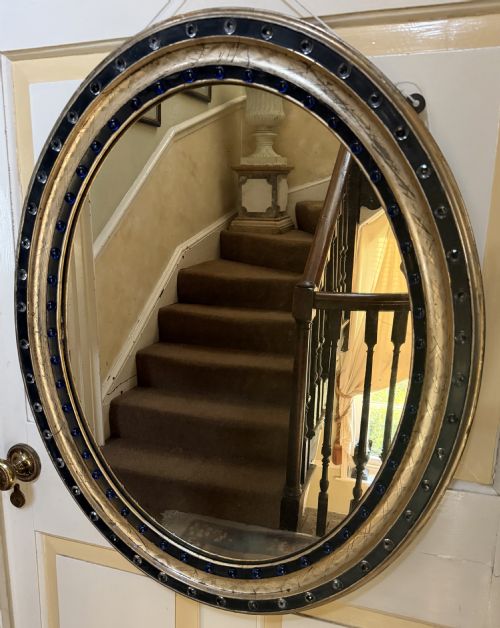
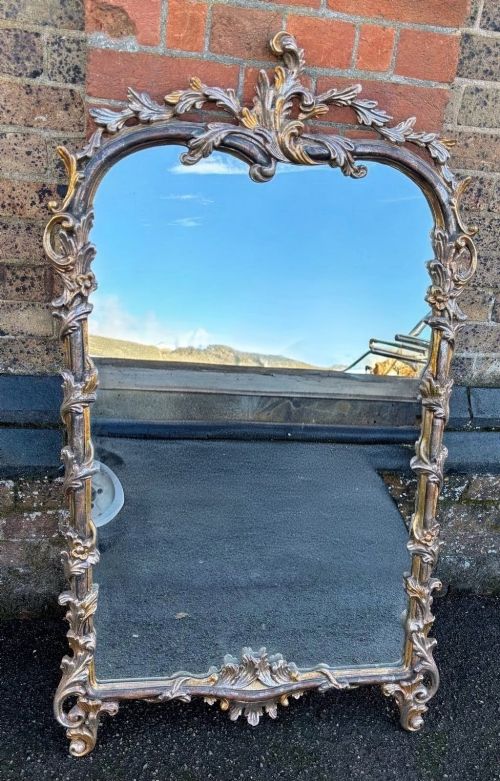
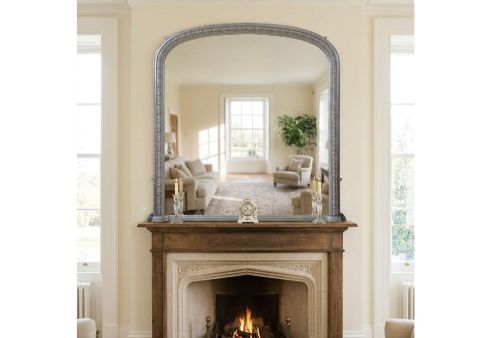
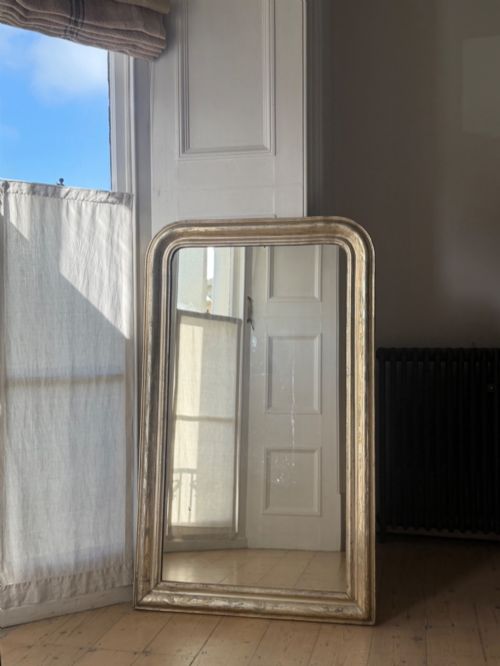

Silvered Framed Mirror
A silvered framed mirror brings a reflective clarity and metallic lustre to an interior, drawing on centuries of European and British craftsmanship.
Silvered Framed Mirror
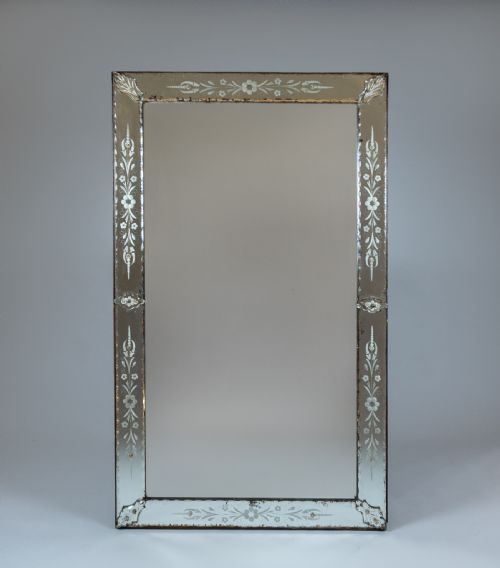
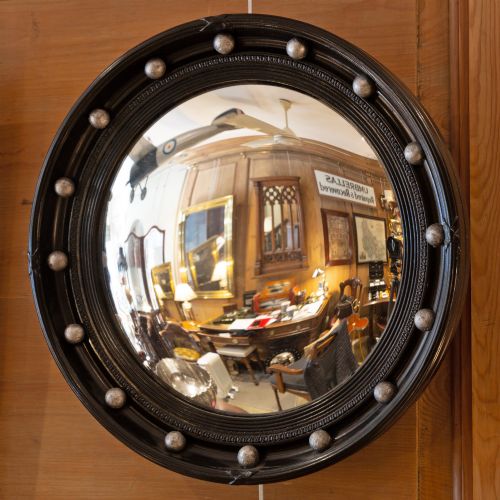
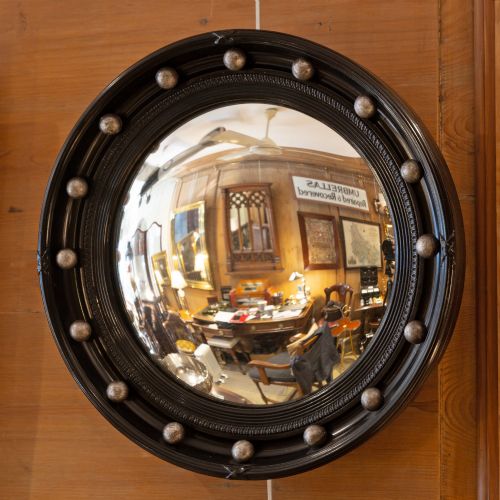
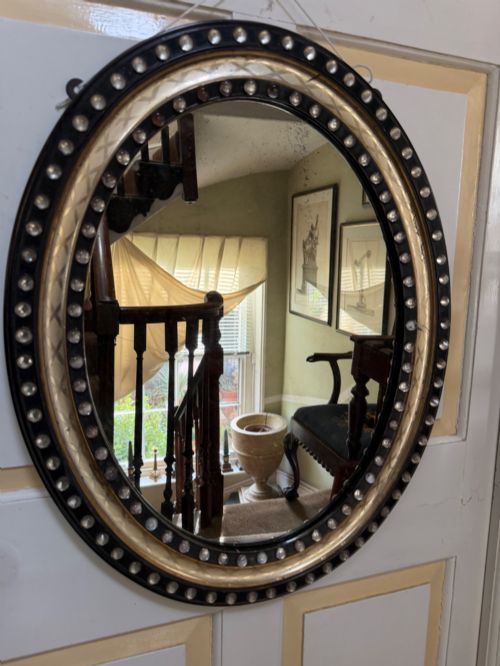
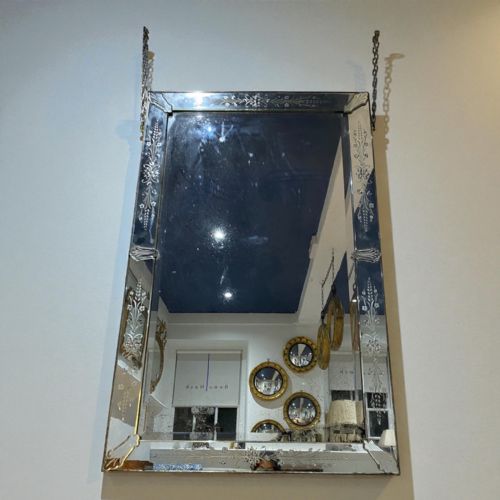
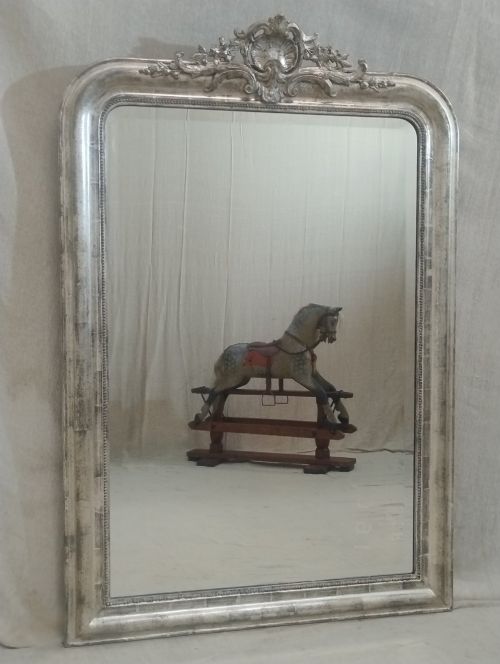
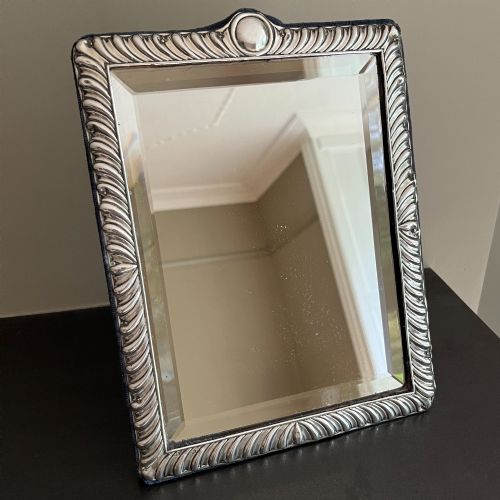
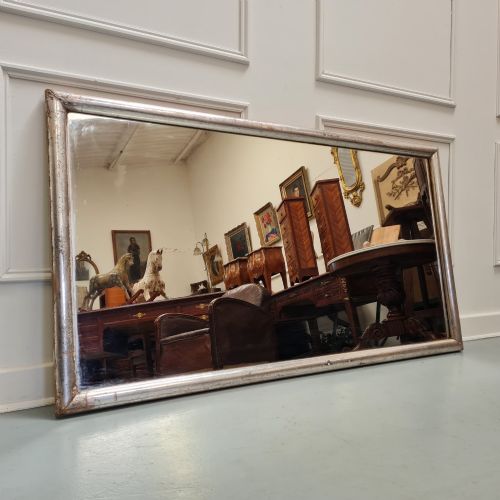
A silvered framed mirror encompasses a diverse group of reflective objects designed for walls, mantels, and dressing surfaces, originating from periods spanning the seventeenth century through to the mid-twentieth century. Buyers searching for a silvered framed mirror will frequently encounter nineteenth-century French bistro and overmantle examples, alongside Venetian glass creations and Edwardian sterling silver tabletop pieces.
The category ranges from compact strut and easel mirrors intended for dressing tables to substantial architectural overmantles and arched Louis Philippe frames. Forms include cushion mirrors, pierced Art Nouveau designs, and geometric Art Deco pieces, utilising various framing constructions from carved wood and gesso to solid metal and hammered brass.
How They Were Made
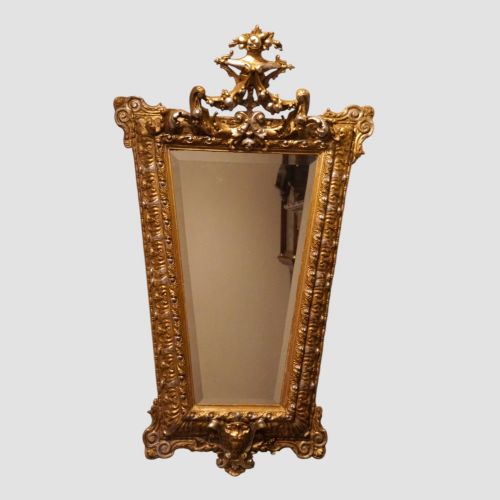
Traditional makers built the structural foundations of these mirrors using timber, applying layers of gesso that were subsequently carved, moulded, and finished with silver leaf, silver gilt, or paint. Metal frames utilised alternative techniques, incorporating cast brass, hammered copper or bronze, and sterling silver mounts.
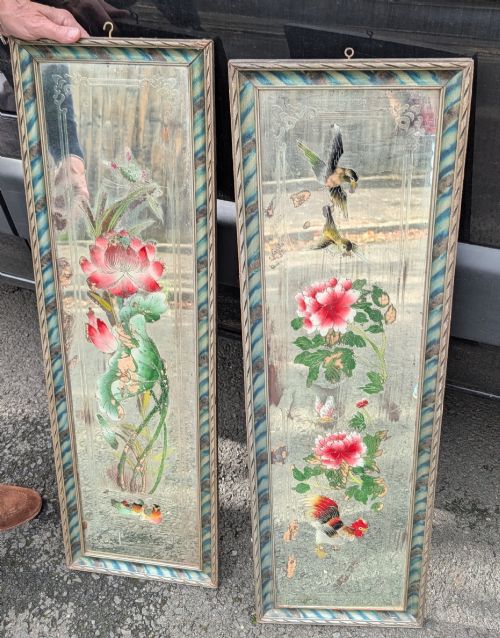
Reflective surfaces were produced using historic glass-making methods, resulting in bevelled plates and characteristic foxed patination over decades of oxidation. Frames often incorporated secondary decorative elements such as parcel gilding, etching directly onto the glass, or applied faux bamboo and rope-twist details.
Silvered Framed Mirror Retail Price Guide 2026
Typical asking prices for silvered framed mirror among the pieces listed under this phrase on Sellingantiques today, from the lower quarter to the upper quarter. They describe what is for sale here now, not the wider market.
What Varies in Quality
The standard of a silvered framed mirror depends heavily on the crispness of the original carved wood and gesso ornamentation beneath the silver leaf or paint. Superior examples display deeply chiselled mouldings and hand-applied metallic leaf that has aged evenly without modern intervention.
Glass plates contribute significantly to the overall calibre, with heavier, bevelled, or hand-etched Venetian plates indicating superior production values compared to standard flat replacements. The integrity of the original backing boards and structural joints further distinguishes finer pieces from later utility items.
WMF
The Silvered Framed Mirror Glossary
- Gesso
- A plaster-like mixture applied to wooden frame foundations to provide a smooth base for gilding or silvering. Artisans carved intricate decorative motifs directly into this dried compound.
- Overmantle mirror
- A large horizontal mirror designed specifically to hang on the wall directly above a fireplace mantel. These pieces frequently feature architectural proportions to anchor a main reception room.
- Foxed plate
- Mirror glass displaying dark spots and irregular patches caused by the degradation of the silver backing over time. Collectors prize this natural oxidation for the authentic age it imparts.
- Cushion mirror
- A frame style characterised by a broad, outward-sloping border that wraps around the central glass plate. This form gained widespread popularity in Venetian and seventeenth-century workshops.
- Strut mirror
- A tabletop or dressing mirror supported by a hinged vertical prop attached to the reverse. These items often feature solid sterling silver or brass mounted backs.
Silvered Framed Mirror: Frequently Asked Questions
How do I date a silvered framed mirror?
Dating relies on examining the construction of the wooden frame, the thickness and bevelling of the glass plate, and the composition of the backing materials. Older pieces often exhibit hand-bevehed edges and historic fixings.
Stylistic indicators such as carved gesso motifs or metalworking techniques like Arts and Crafts hammering also help narrow down the period of manufacture.
Where should I hang an overmantle mirror?
An overmantle mirror is traditionally positioned centrally above a fireplace, resting flush against the wall to reflect light and expand the visual proportions of the room. Their scale makes them a natural focal point in living spaces.
Ensure the wall fixings match the considerable weight of these large wooden and gesso frames for secure installation.
What is foxed glass?
Foxing refers to the speckled, aged blemishes that form within the reflective silver layer behind the glass as it reacts to atmospheric moisture over long periods. This chemical ageing process creates a soft, hazy reflection.
Many collectors seek out original foxed plates because this natural patination confirms the genuine antiquity of the mirror.
How do I clean an antique silvered frame?
Maintenance requires gentle dusting with a soft, dry brush to protect delicate gesso and silver leaf surfaces from abrasion. Liquid cleaners and chemical polishes should be avoided entirely to prevent stripping the historic finish.
Glass plates can be cleaned sparingly using a mild glass cleaner applied to a cloth rather than sprayed directly onto the mirror.